Start by ventilating the room and gathering surface-compatible supplies. Clean the sink, toilet, shower, high-touch surfaces and floor according to their materials and product labels. Address persistent moisture or suspected hidden mold separately from an ordinary cleaning routine.
Before you start
Open a window or use the bathroom exhaust fan if appropriate and gather clean cloths, gloves and products approved for the surfaces. Keep children and pets away from chemicals. Read labels before use and never mix cleaning products, especially bleach with ammonia or acids.
Remove personal items from counters and protect delicate finishes. Cleaning removes dirt; disinfection is a separate step that may be appropriate when someone is sick or for particular surfaces. Follow the disinfectant label for the surface, contact time and any rinse.
Sink, counter and fixtures
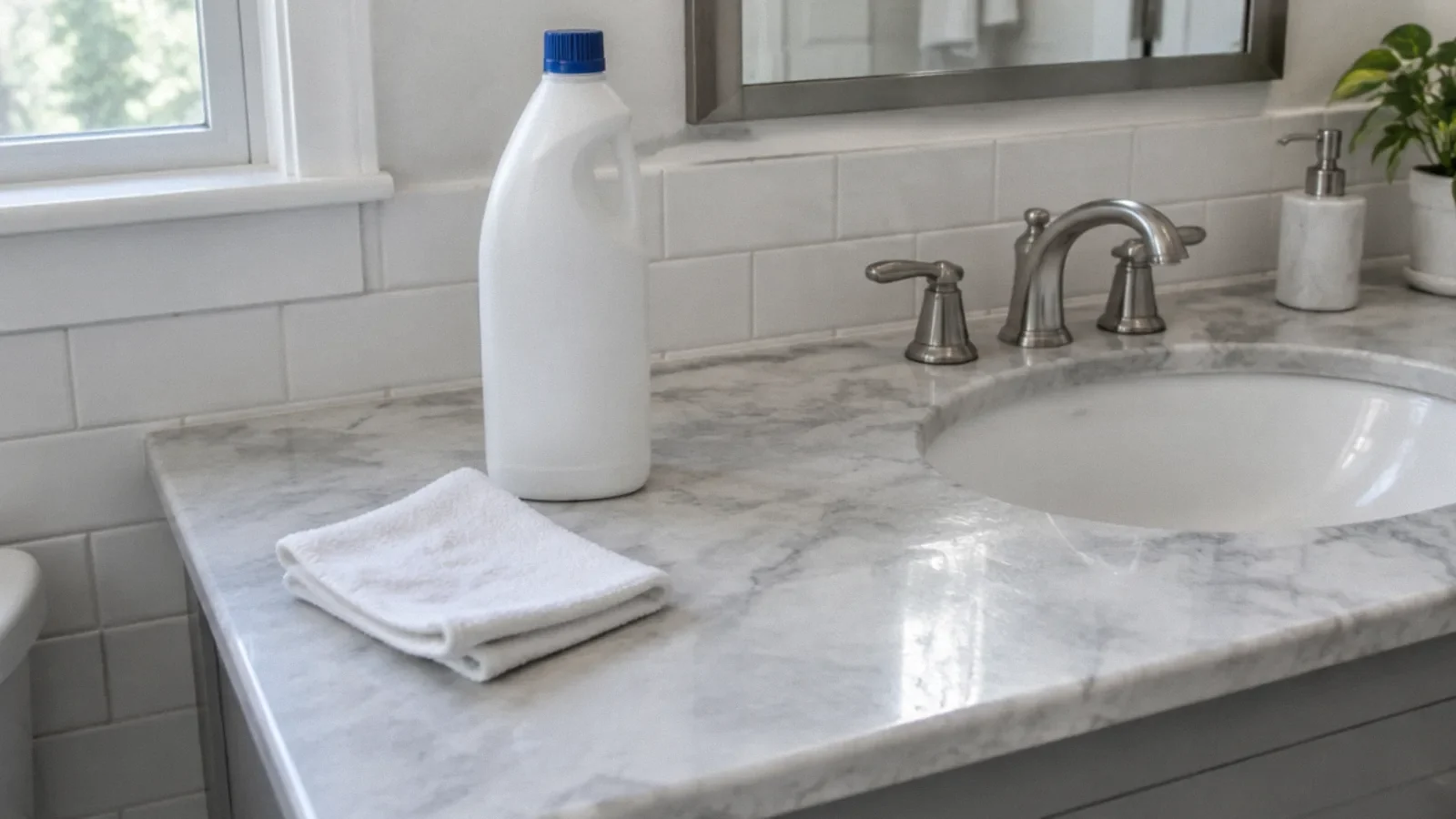
Clear the counter and wipe the sink and faucet using a product approved for the material. Clean around the drain and faucet base without forcing liquid into electrical outlets or gaps. Rinse or dry as the product and fixture maker direct.
Check under the sink for drips, dampness or damaged cabinet material. A recurring puddle or musty odor needs a source investigation; wiping the surface repeatedly does not fix a leaking supply or drain connection.
Toilet and nearby surfaces
Clean the toilet bowl and exterior with products intended for those surfaces, following label directions. Use a separate cloth or disposable material for the toilet area to avoid transferring soil to the sink or counter. Wash hands afterward.
Do not combine a toilet cleaner with bleach or another product. Keep cleaning supplies in original labeled containers and store them out of reach of children. If a toilet overflows with sewage, an ordinary bathroom routine is not enough to assess the contamination.
Shower, tub and tile
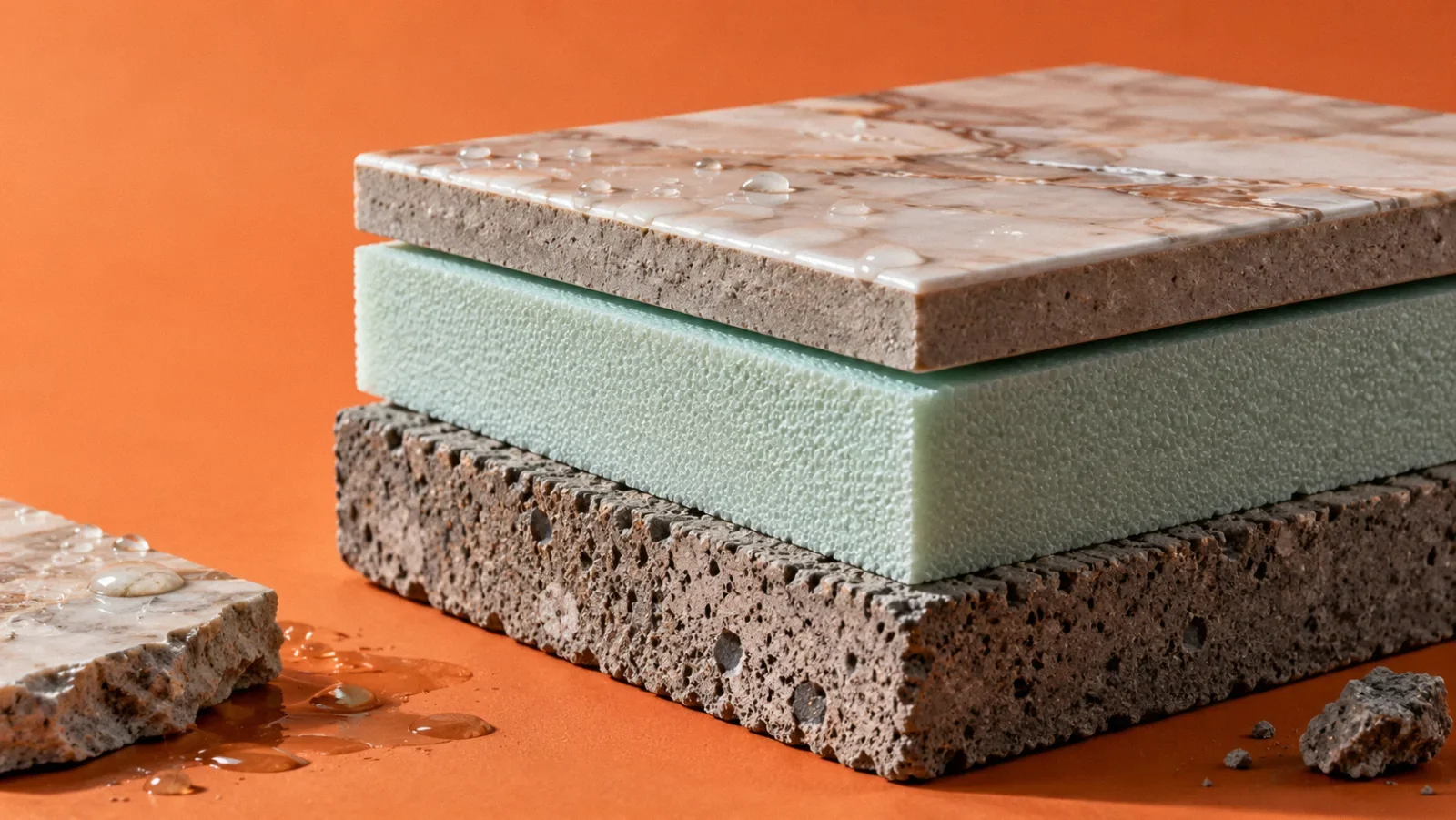
Remove loose items and clean the tub, shower walls and fixtures with a compatible product. Rinse and dry as directed. Scrubbing too aggressively or using an acidic cleaner on sensitive stone, grout or metal can cause damage.
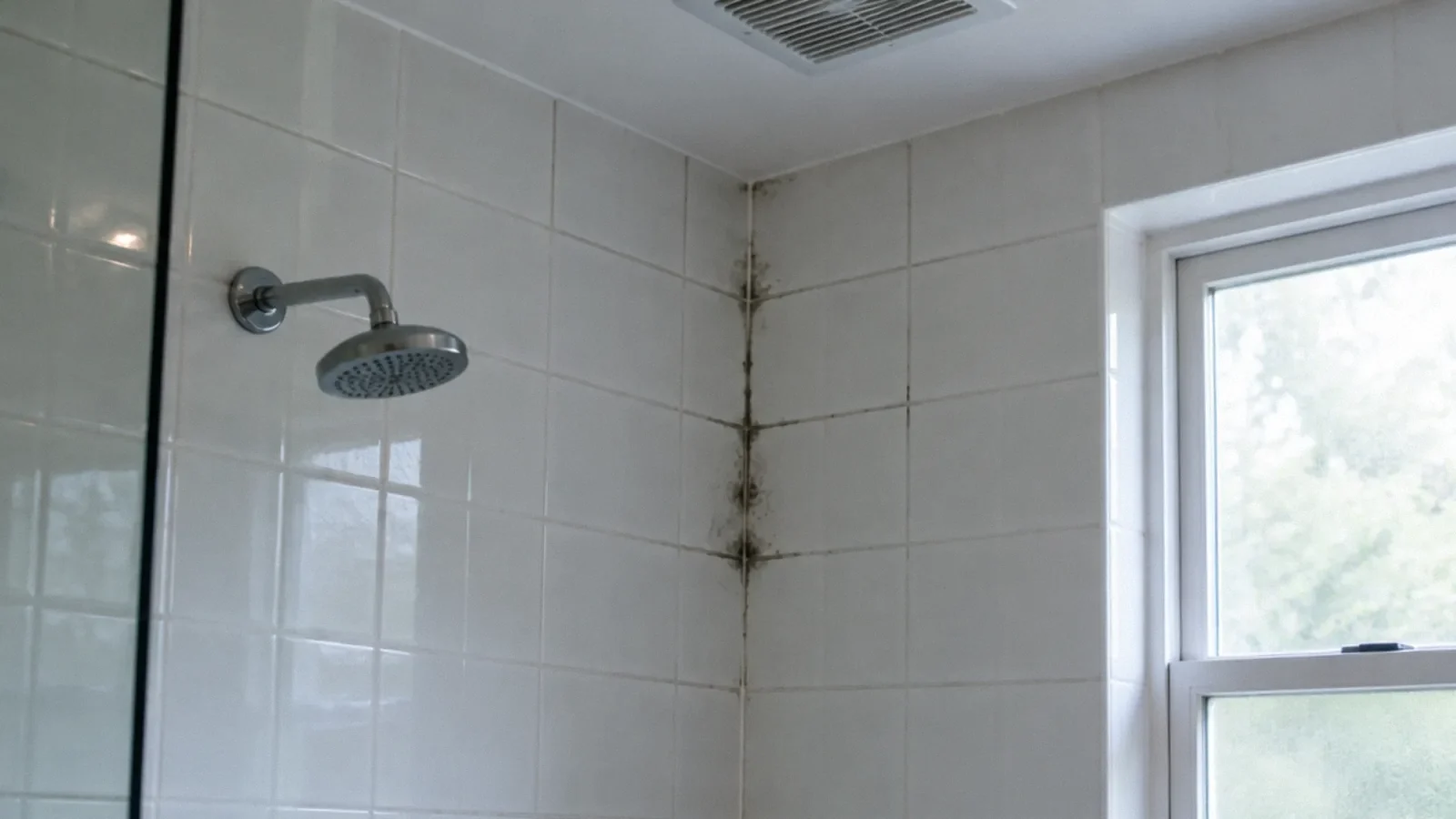
Inspect caulk and grout for cracks, persistent staining or moisture behind the surface. A small amount of ordinary soap residue and a damp, deteriorating wall are different problems. Consult a qualified professional if there is widespread or concealed damage.
Mirror, handles and high-touch areas
Wipe the mirror with a product suitable for glass and the frame. Clean handles, light switches and other frequently touched surfaces without spraying liquid into electrical components. Use a cloth rather than saturating the surface where appropriate.
If disinfection is needed, check that the product is labeled for the surface and the intended use, and keep it wet for the specified contact time. Cleaning and disinfecting are not interchangeable terms; follow current CDC and product guidance.
Floor, drains and ventilation
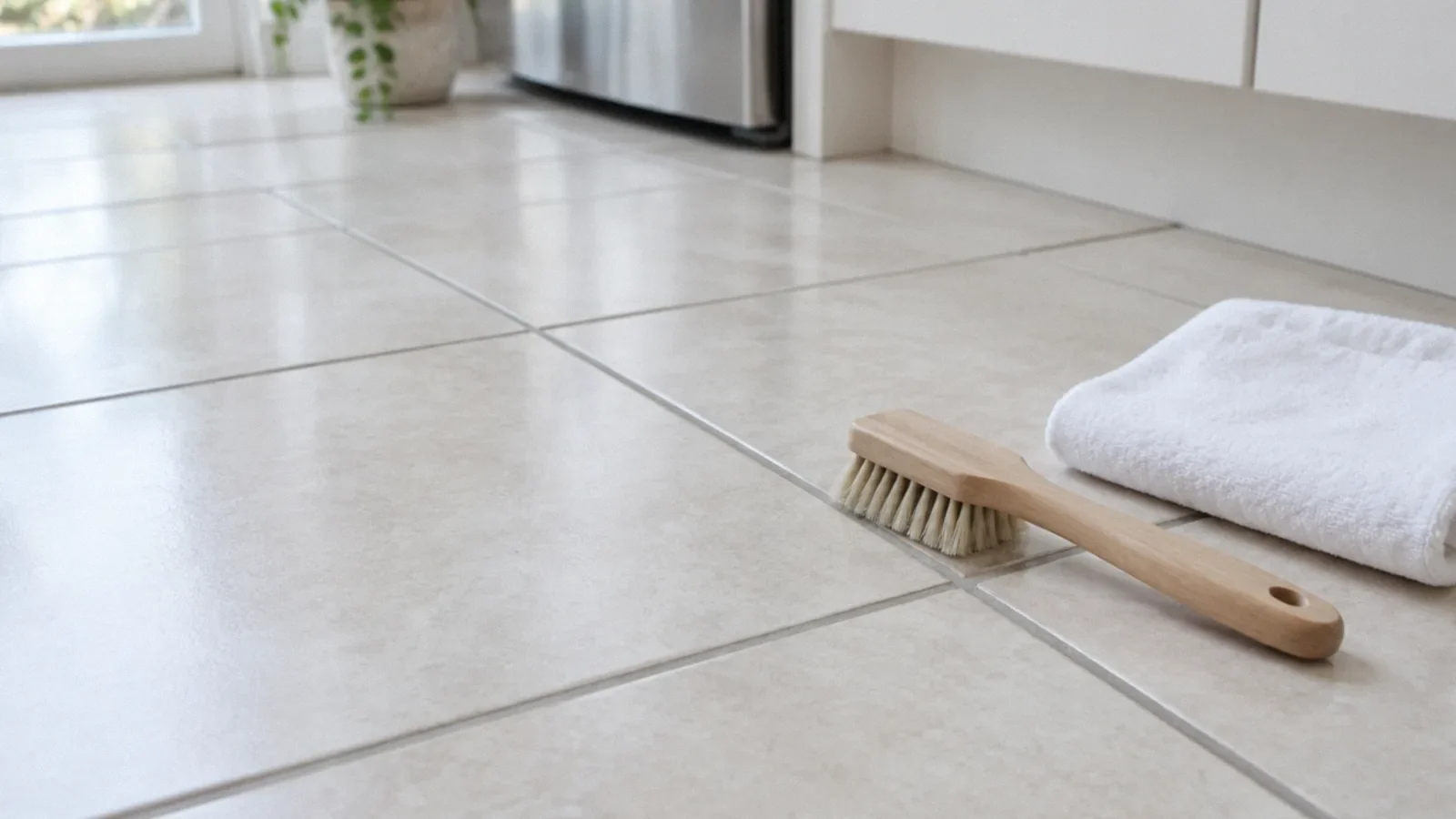
Remove loose debris using a method suitable for the floor, then clean and dry it according to the flooring maker’s instructions. Pay attention to corners and around the toilet without forcing water under trim or into seams. Place a clean, dry bath mat back only after the floor is dry.
Clear accessible hair from a drain only when safe and do not mix drain chemicals. Clean the exhaust fan cover as the manufacturer allows without reaching into energized equipment. A fan that does not operate or moisture that persists may need qualified service.
Mold and moisture are a separate check
Condensation, a leak or an exhaust problem can lead to recurring growth. For a small area on a suitable hard surface, follow EPA guidance and dry thoroughly; damaged porous materials and hidden or extensive growth may need professional assessment. Never paint over wet or moldy material.
Do not assume a dark or pink mark identifies a particular organism. If occupants have health concerns, discuss them with a clinician. Address the water source as well as the visible surface or the problem may return.
Choose a realistic schedule
Frequency depends on household use, ventilation, illness and the materials in the room. A brief regular wipe-down can reduce buildup, while periodic deeper cleaning can cover grout, cabinets and areas around fixtures. Follow the manufacturer’s maintenance schedule where one is provided.
Keep a simple record of recurring leaks or repairs and review it with the property manager or contractor if needed. The checklist is a household planning aid, not a substitute for product directions or specialized sewage and mold remediation.
Workplace restroom checklist for employees
Use a schedule suited to traffic and the employer’s written procedures. Before starting, post a wet-floor warning, assemble approved supplies and required protective equipment, and review labels and safety data sheets. Clean sinks, faucets, counters, toilet exteriors, handles, dispensers and floors using methods suitable for each surface. Refill soap, paper towels and toilet paper, empty waste bins, and record completed tasks and defects.
When disinfection is required, follow the selected product label for surface compatibility, dilution and contact time. Never mix cleaning chemicals. OSHA says employers must train workers who use hazardous cleaning chemicals and make appropriate hazard information and protective equipment available. Escalate sharps, blood or other potentially infectious material under the employer’s specialized procedures; a general restroom checklist is not a substitute for that training.
After cleaning, allow wet surfaces to dry, secure products, remove the floor warning when safe and report leaks, ventilation problems or empty supplies. The downloadable one-page checklist above is for a household routine; the workplace steps in this section should be adapted to the actual site and employer requirements.
Workplace inspection and handoff record
Use this adaptable employee record separately from the household printable PDF. At each scheduled round: [ ] check soap, paper, waste and visible spills; [ ] clean assigned high-touch fixtures using the facility procedure; [ ] report leaks, damage or an inaccessible area. Daily or at the site-defined frequency: [ ] clean toilets, sinks and floors; [ ] refill supplies and empty waste. Periodically: [ ] inspect accessible vents and grout. Record date and time: ____; employee initials: ____; completed or deferred tasks: ____; defect and location: ____; reported to and time: ____; follow-up owner: ____. The supervisor sets frequency for traffic, use and applicable rules. Employees need training, appropriate protective equipment and access to product safety information; follow label contact time when disinfection is required. Healthcare and food settings may require different procedures.
Your next-step checklist
- Ventilate and read product labels.
- Clean the sink, toilet, shower and high-touch surfaces.
- Clean and dry the floor and fixtures.
- Check for leaks, persistent moisture and damaged materials.
Printable bathroom cleaning checklist
Keep this one-page checklist for a practical daily, weekly and periodic routine.
Download the printable checklist (PDF)Related questions
How often should I deep clean a bathroom?
It depends on use, ventilation and surface instructions. Choose a routine that prevents buildup and adjust when illness or moisture makes more frequent cleaning appropriate.
Can I mix bleach with toilet cleaner?
No. Mixing bleach with an acid or ammonia can release dangerous gases.
Does bathroom cleaning remove hidden mold?
Not necessarily. Hidden or damaged porous materials require a separate assessment and the moisture source must be corrected.
Should I disinfect every bathroom surface every day?
Not necessarily. Follow household needs, current public-health guidance and product labels; cleaning and disinfection are different steps.
Is there a printable bathroom cleaning checklist?
Yes. Download the one-page PDF above for a practical household routine with space to check off each task.
What should an employee restroom checklist include?
Include approved supplies and protective equipment, high-touch surfaces, toilets, sinks, floors, restocking, safe drying, task records and a way to report defects. Follow the employer’s procedures and product labels.
Sources & context
Public guidance supports the principles in this article. The practical questions and examples are editorial interpretation, not a site assessment or a coverage decision. State-specific rules apply only where identified.
- CDC: Cleaning and disinfecting your homefederal public health guidance
- EPA: A brief guide to mold and moisturefederal guidance
- Poison Control: Cleaning products and safetypoison center guidance
- OSHA: Protecting workers who use cleaning chemicalsfederal workplace safety guidance
- CDC: When and how to clean and disinfect a facilityfederal facility guidance