Before guests arrive, address existing leaks or slow drains, keep cooking grease and food scraps out of the sink and make sure bathrooms have waste bins. A gathering can increase plumbing use, but there is no guarantee that any checklist will prevent a blockage.
Prepare before the gathering
A holiday meal can put more food waste, dishwashing and bathroom use into a short period. Walk through the kitchen and guest bathroom in advance and note an existing slow drain, loose fixture, recurring toilet backup or leak. A known problem is easier to discuss with a plumber before the house is full.
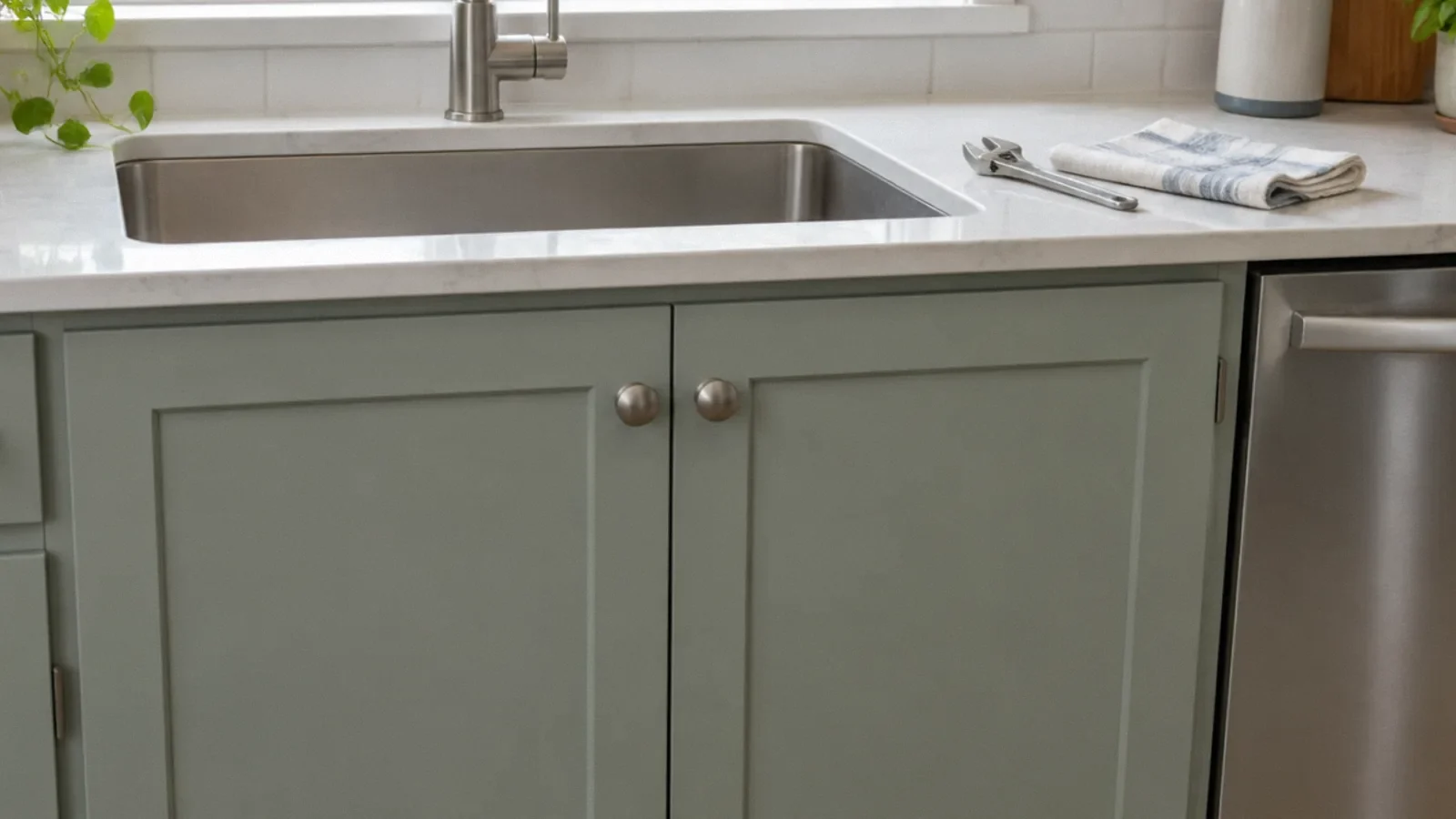
Locate the ordinary water shutoff and make sure responsible household members know how to reach it safely. Do not confuse a domestic water valve with a fire-protection control. Keep the floor around sinks dry and accessible, and do not handle wet electrical equipment.
Keep grease out of the kitchen drain
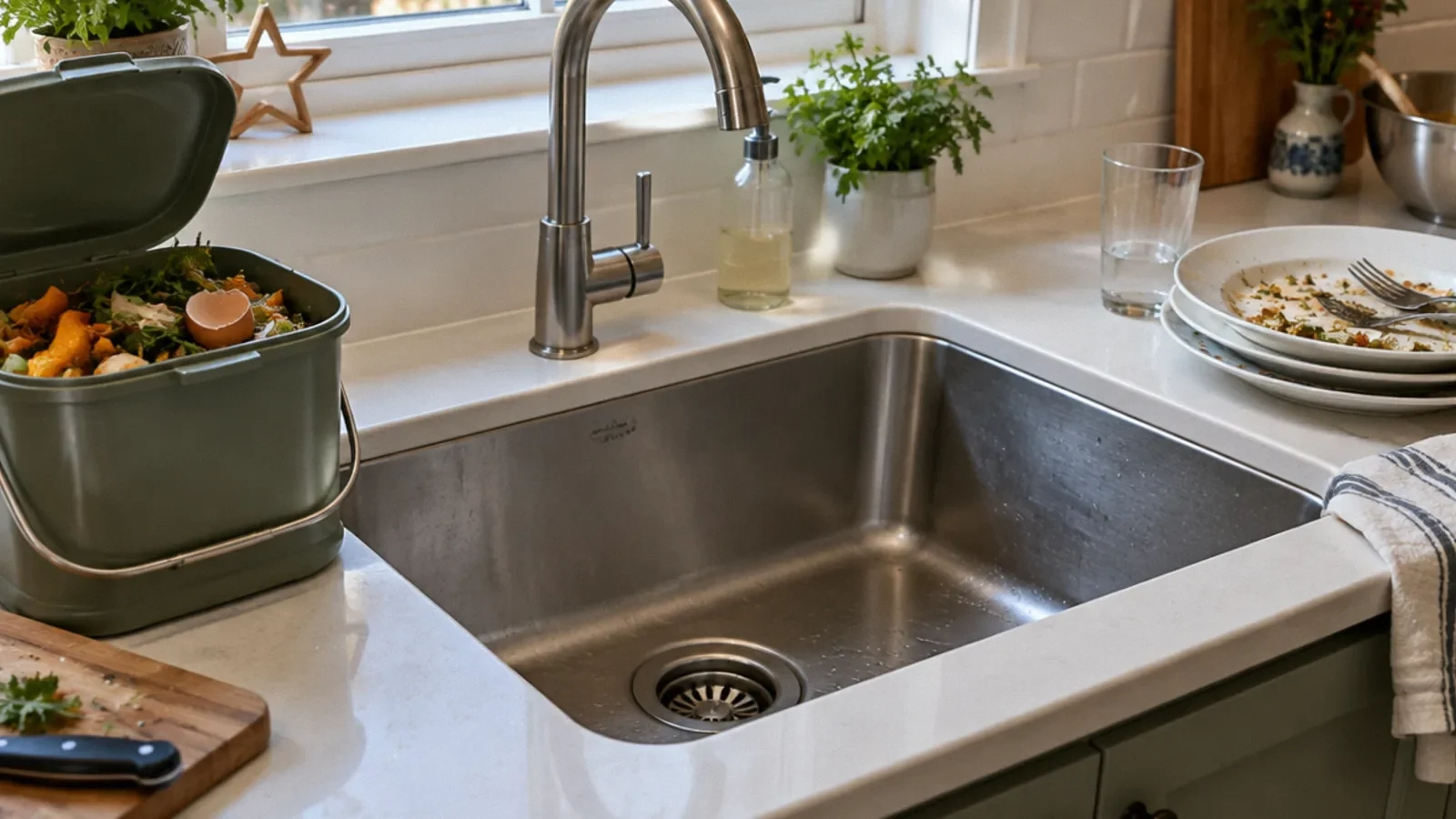
EPA advises against pouring cooking grease, oil or fats into a sink or toilet. They can accumulate in plumbing and contribute to blockages. Let hot grease cool safely, collect it in an appropriate container and follow local disposal or recycling rules.
Wipe excess grease from cookware and plates before washing. Keep a container for scraps near the preparation area and a strainer in the sink if appropriate. A garbage disposal grinds some food, but it does not keep grease out of the drain or make every scrap suitable for disposal.
Use the garbage disposal carefully
Check the appliance manufacturer’s instructions for the model and the local wastewater system. Feed only materials the manufacturer permits and avoid putting hands or utensils into the disposal. Turn the unit off and disconnect power as directed before any authorized inspection.
A disposal that hums, leaks or repeatedly jams needs attention. Do not pour a mixture of chemicals into it or reach inside while it is connected to power. If there is a persistent jam or leak, stop using it and call an appliance or plumbing professional.
Make bathrooms guest-ready
Put a waste bin where guests can easily see it. Follow the local utility’s guidance on what may be flushed; wipes and other non-toilet-paper products can cause problems even when a package makes broad claims. Make sure the toilet is operating normally before guests arrive.
A running toilet or visible leak can waste water and may worsen unexpectedly. Report an issue to the owner or property manager if you rent. Avoid repeatedly flushing a toilet that is close to overflowing, since adding water can spread the mess.
If a drain backs up
Stop using the affected fixture and any connected appliances if water is rising or sewage is present. Keep people and pets away from contaminated water, and avoid contact with nearby electrical equipment. A widespread backup affecting several fixtures may need urgent professional attention.
Do not mix drain cleaners or add a second chemical to a clogged fixture. Tell the plumber about any product already used so they can take appropriate precautions. If sewage has entered living areas, cleaning and drying require a different plan from ordinary sink maintenance.
Space out high water use
If several showers, laundry loads and dishwashing cycles are planned, spread them out where practical. The capacity and configuration of each home differ, so a schedule is not a repair for an existing obstruction. A recurring slow drain or overflow deserves diagnosis.
Do not run a leaking appliance simply to finish cleaning before guests arrive. Place towels or containers only where doing so is safe, and arrange repair. If water reaches wiring or an appliance, keep away and consult a qualified professional before using it.
What people mean by Brown Friday
Some plumbers use the informal term Brown Friday for the day after Thanksgiving when people may seek help for drain or toilet problems. It is a nickname, not proof that every household will experience a backup or that a particular company is available.
If you need service on a holiday or weekend, ask whether an emergency fee applies, what the diagnostic visit includes and when the plumber can arrive. Confirm the scope and obtain an itemized estimate before nonemergency work when practical.
After the meal
Dispose of cooled grease and food scraps according to local rules, clean the sink using products suited to the surface, and check under the sink for any new moisture. Leave the dishwasher and disposal in the condition recommended by their manufacturers.
If a backup occurred, photograph damage only when the area is safe and keep service records. Contact the insurer or property manager when appropriate; coverage depends on the cause and policy. Arrange source repair before replacing finishes affected by water.
Your next-step checklist
- Address existing slow drains before guests arrive.
- Collect cooled grease and food scraps separately.
- Provide a bathroom waste bin.
- Stop using a fixture that is backing up.
- Ask about holiday service fees and scope.
Related questions
Why is the day after Thanksgiving called Brown Friday?
It is an informal plumbing-industry nickname associated with post-holiday drain and toilet service calls.
Can I put turkey grease down the disposal?
No. EPA advises keeping cooking grease out of drains; a disposal does not prevent it from entering the pipes.
Should I flush again if a toilet is overflowing?
No. Stop flushing and keep people away from the overflow; seek help if the blockage persists.
Will spreading out showers prevent every backup?
No. It may reduce simultaneous demand, but an existing obstruction or defect still needs repair.
Sources & context
Public guidance supports the principles in this article. The practical questions and examples are editorial interpretation, not a site assessment or a coverage decision. State-specific rules apply only where identified.
- EPA: Septic system questionsfederal wastewater guidance
- EPA: Grease and sewer blockagesfederal wastewater guidance
- EPA: Household water maintenancefederal water efficiency guidance