Mothballs are pesticides that release vapor; the National Pesticide Information Center says smelling them means inhaling the pesticide. Move people and pets away, follow the product label and seek advice before handling unknown or extensive contamination. For an exposure or ingestion, call Poison Control at 800-222-1222.
The smell can indicate pesticide exposure
Mothballs, flakes and crystals are pesticides used for certain fabric pests. In the United States their active ingredient is commonly naphthalene or paradichlorobenzene. The solid slowly releases a vapor; a strong smell should not be treated as an ordinary fragrance problem.
The National Pesticide Information Center states that smelling mothballs means breathing the pesticide. Risk depends on the substance, amount and exposure. Children and animals can mistake the product for food, and ingestion can be serious. Keep them away from suspected material.
Respond to possible exposure
Move away from the odor and into fresh air. If someone has been exposed, swallowed a mothball or has symptoms, NPIC advises contacting Poison Control at 800-222-1222 for individualized guidance. Call 911 for a medical emergency. Do not wait for an odor-removal treatment to work.
If an animal may have eaten a mothball or is unwell, contact a veterinarian promptly. Save product information if it can be obtained without additional exposure. Do not induce vomiting or apply home remedies unless a qualified poison expert or clinician directs you to do so.
Locate the source without increasing exposure
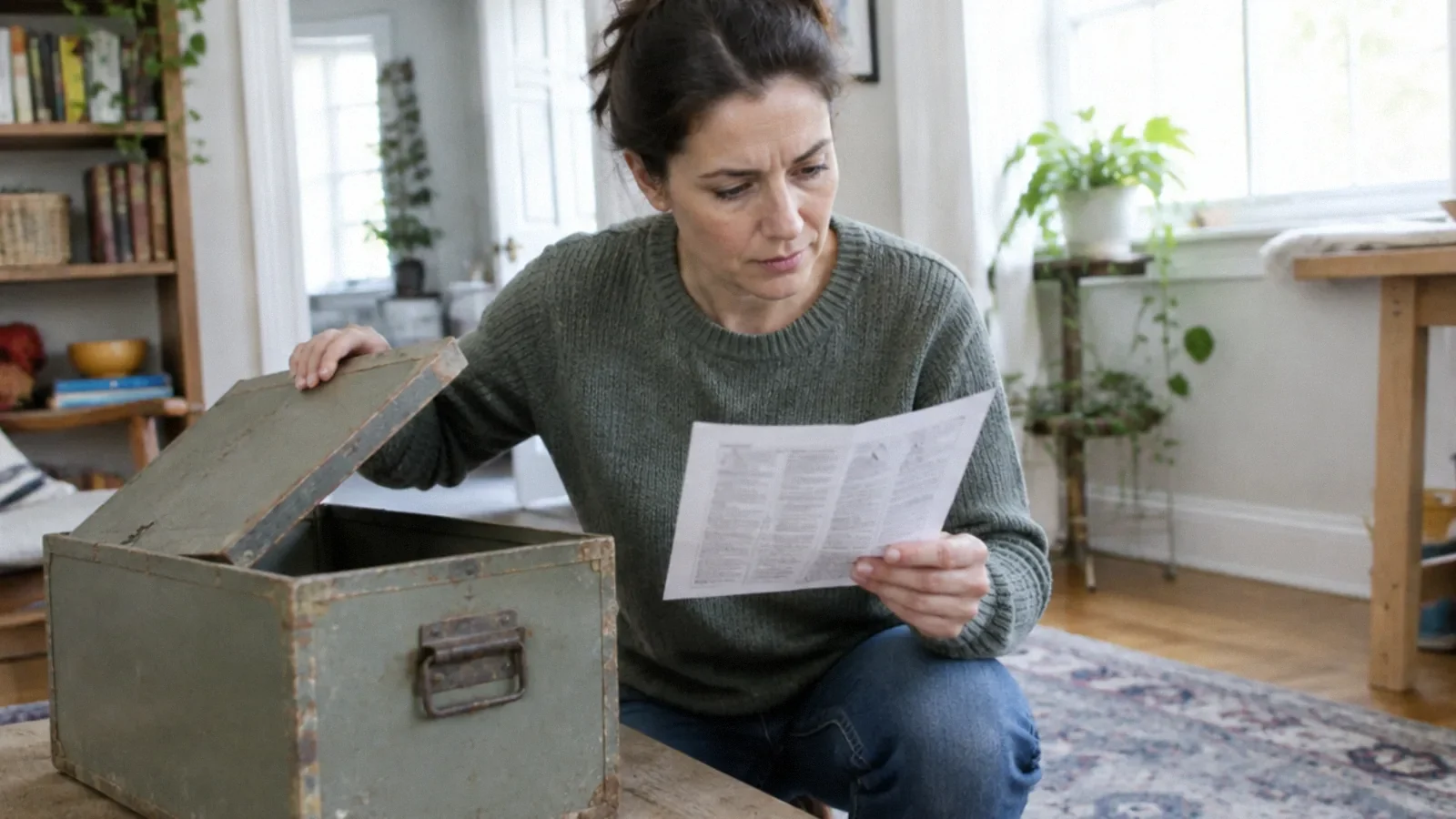
A smell may come from a storage container, clothing, a closet or mothballs placed in an area where they were not intended to be used. Do not open unknown containers unnecessarily or search a confined space when the odor is strong. Leave and seek professional or poison-center guidance if access is unsafe.
If the source is accessible and guidance says it can be handled safely, follow the product label and avoid bare-skin contact. NPIC advises collecting misused mothballs in an airtight container for disposal and ventilating if odor remains. The right handling depends on the amount and circumstances.
Ventilation and cleanup
Ventilate the affected area if it can be done safely and outdoor conditions permit. People may need to leave while the area is ventilated; NPIC gives that approach in a case involving strong indoor odor. Ventilation is not a substitute for removing an accessible source or obtaining medical advice.
Do not mix cleaners or apply bleach, solvents or fragrance to mask the smell. A household air freshener can cover an odor without addressing pesticide vapor. Do not assume that a particular wait time or air-cleaning device makes an area safe in every situation.
Clothing and stored items
Check the garment care label and pesticide instructions before handling or laundering affected items. Keep them away from children, pets and living areas while deciding what to do. For infant items or a strong persistent odor, seek specific advice from Poison Control or a qualified professional.
A dry cleaner should be told that an item was stored with mothballs before accepting it. Some materials cannot be washed or treated in the same way as ordinary clothing. Do not claim an item is free of pesticide merely because perfume masks the odor.
Odor outside the house
Mothballs are not intended to be used as wildlife repellents. Product left openly in a yard may expose people, pets and wildlife. Keep others away, identify the product from a safe position and consult its label or a local household hazardous-waste program about collection and disposal.
Avoid sweeping unknown residues into drains, soil or water. If material is scattered over a large area or access is unsafe, consult the local hazardous-waste program or an appropriate professional. Outdoor use and disposal requirements depend on the product and jurisdiction.
Disposal and alternatives
Follow the product label and the local household hazardous-waste program’s instructions. Do not assume ordinary trash, a drain or a burn pile is an appropriate disposal method. Store collected material securely away from children, pets and food while awaiting the correct disposal instructions.
For clothes moth prevention, NPIC discusses identifying susceptible fabrics, inspecting items and laundering or dry cleaning as appropriate. If a pesticide is used, use only a labeled application and follow all instructions, including the required container and separation from living spaces.
When the smell persists
A continuing smell can indicate that the source remains or that affected materials still need attention. Reassess the source rather than repeatedly adding scent or stronger chemicals. If the odor is strong, the source is inaccessible or symptoms occur, seek qualified advice before further cleanup.
Keep a record of the product name, location and any known exposure without placing yourself at risk. NPIC provides pesticide information at 800-858-7378; Poison Control provides exposure guidance at 800-222-1222. These services have different roles and neither replaces 911 in a medical emergency.
When an outdoor odor continues
If a mothball-like odor persists outdoors after a known source is removed, avoid the area and keep children and pets away while looking for a source only from a safe location. Note when and where it occurs and whether it enters the building. Odor alone cannot identify a pesticide or locate its source.
Tell the property manager or local environmental health or pesticide authority about an unknown or suspected outdoor pesticide source. NPIC can help interpret pesticide questions; for exposure symptoms contact Poison Control. If there is an immediate danger or a strong unknown chemical odor, leave and contact emergency responders. Do not cover an unknown smell with another chemical.
Your next-step checklist
- Move people and pets away from the odor.
- Contact Poison Control for exposure or ingestion.
- Follow the product label and avoid bare-skin contact.
- Ventilate only when safe and address the source.
- Use local hazardous-waste disposal guidance.
Related questions
Why does a house smell like mothballs?
A pesticide product or stored item may be releasing vapor. Investigate only when safe and seek guidance for an unknown source.
Will an air freshener remove the hazard?
No. Fragrance can mask odor without removing the pesticide source or reliably reducing exposure.
Can mothballs be used outside to repel animals?
NPIC says mothballs are not wildlife repellents; open use can expose people, pets and wildlife.
Who should I call if someone ate a mothball?
Call Poison Control at 800-222-1222. For a medical emergency call 911; contact a veterinarian for a pet exposure.
Sources & context
Public guidance supports the principles in this article. The practical questions and examples are editorial interpretation, not a site assessment or a coverage decision. State-specific rules apply only where identified.
- National Pesticide Information Center: Mothballspesticide safety guidance
- National Pesticide Information Center: Health effectspesticide health guidance
- National Pesticide Information Center: Mothball safety infographicpesticide safety guidance
- Public safety and technical guidanceofficial guidance
- Public safety and technical guidanceofficial guidance