Follow the instructions for your exact fireplace, keep combustible materials at the required distance and arrange appropriate inspection and maintenance. Smoke, a carbon monoxide alarm or suspected gas leak requires an immediate safety response; do not assume a beep is harmless.
Know which appliance you have
A wood-burning fireplace, a gas appliance and an electric fireplace use different energy sources and have different installation and maintenance needs. An electric flame effect does not burn wood or gas, but an electric unit with a heater can still create burn or fire hazards.
Find the manufacturer and model information without disturbing the appliance. Use its instructions for clearances, operation, cleaning and service. A general checklist cannot establish whether a specific fireplace, vent or electrical connection is safe or meets local requirements.
Smoke, carbon monoxide or gas
If a smoke or carbon monoxide alarm sounds, leave for fresh air and call 911 from outside. Carbon monoxide is colorless and odorless; an absence of smell is not evidence of safety. Follow emergency responders’ instructions and do not reenter until authorized.
For a suspected gas leak, leave immediately without operating switches or devices and contact 911 and the gas utility from a safe location. Do not attempt to find the leak with a flame or try to repair the gas connection yourself.
Wood-burning fireplaces
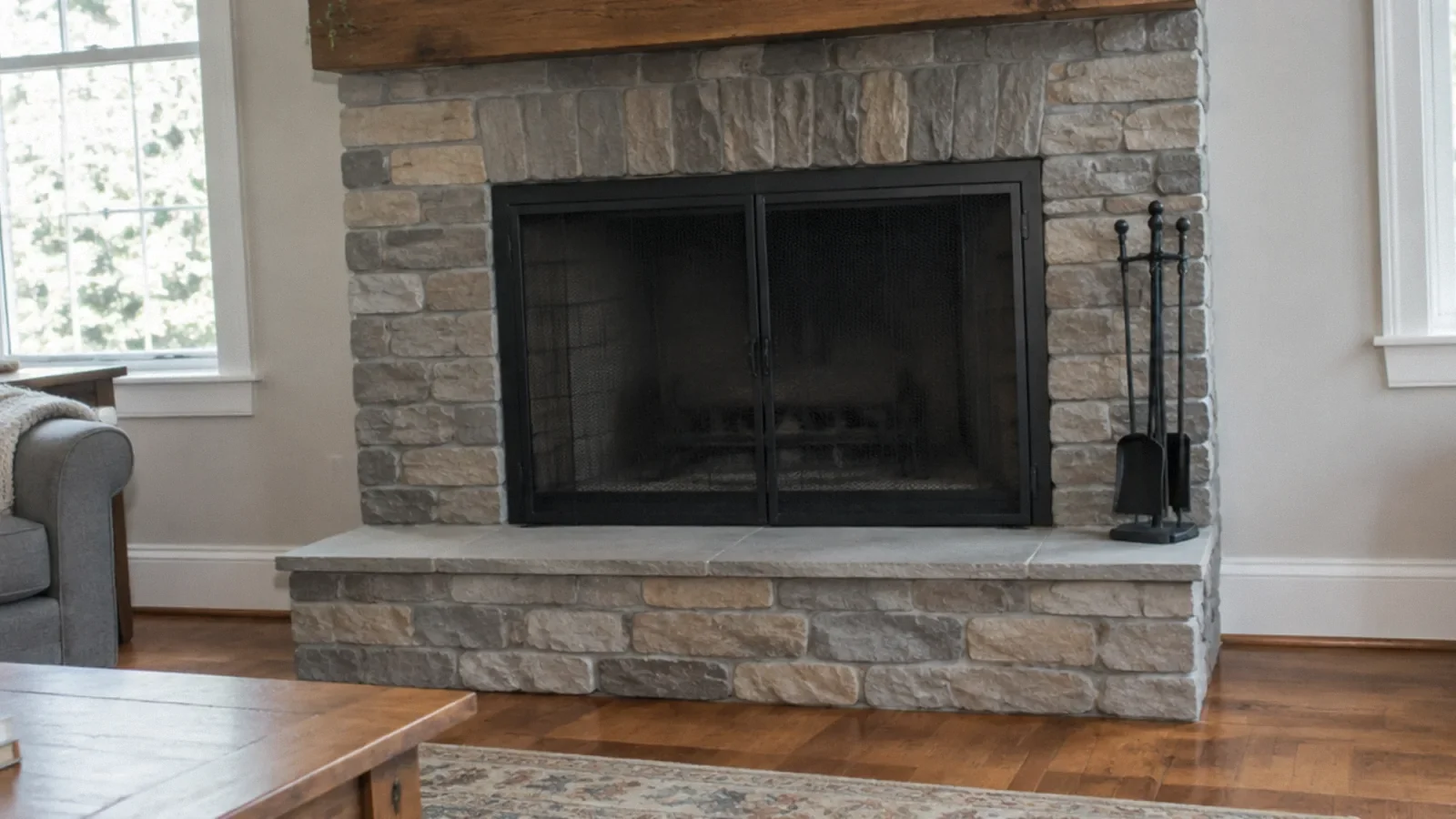
Have the chimney and fireplace inspected and maintained by a qualified professional. Use the fuel and operating method specified for the appliance, keep a suitable screen in place and maintain the required clearance from furniture and other combustibles. Never leave a fire unattended.
Smoke entering the room may indicate a draft, obstruction or other problem. Stop using the fireplace and seek qualified inspection rather than opening windows as a permanent solution. Dispose of cooled ashes in an appropriate metal container as recommended by fire safety authorities.
Gas fireplace operation
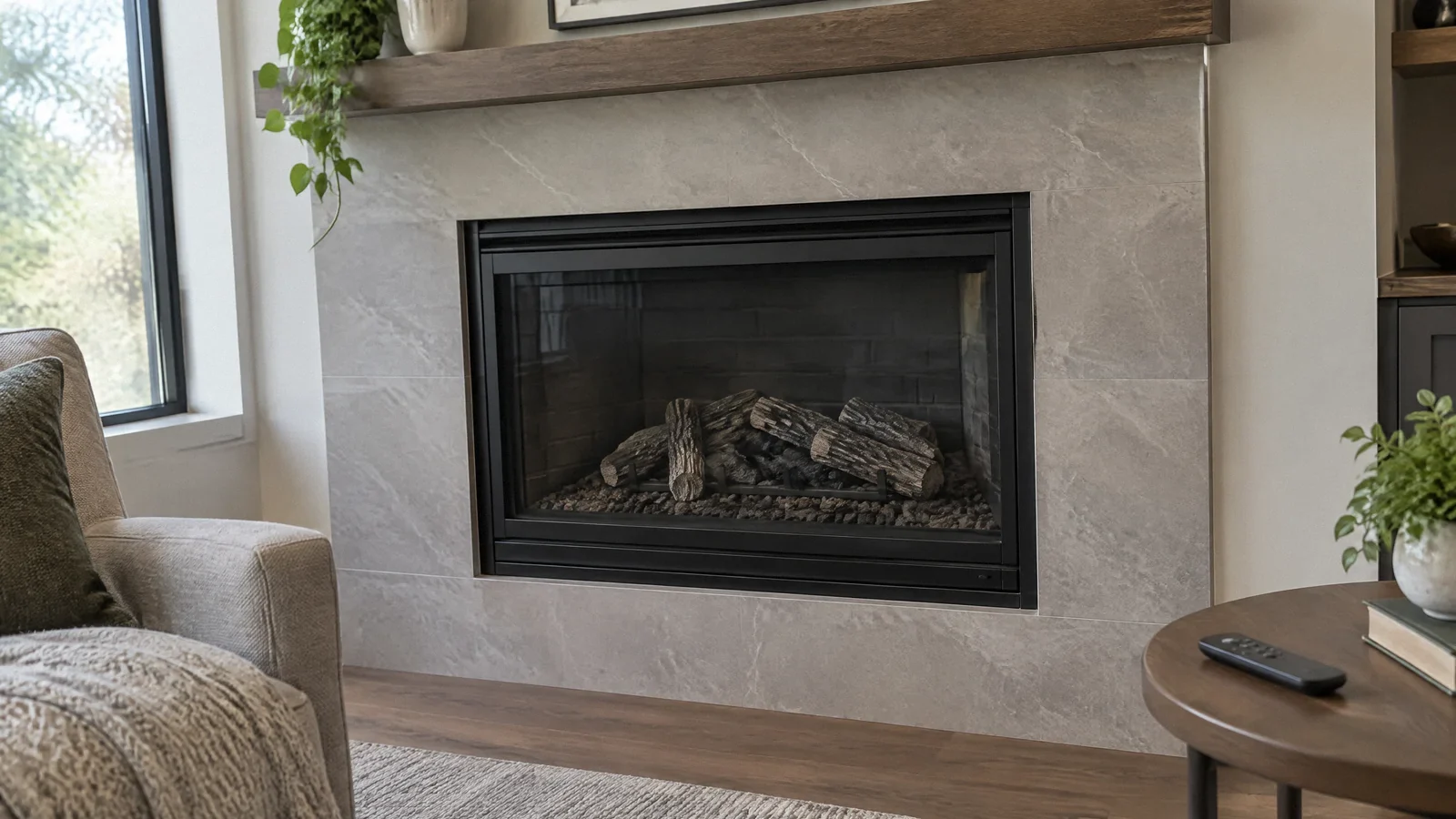
Gas appliances can affect indoor air quality when they malfunction or are improperly vented. A qualified technician should inspect and service the specific appliance and vent system according to the manufacturer and local requirements. Do not alter safety controls, venting or fuel connections.
If you notice a gas odor, an alarm or signs of immediate danger, leave and call from a safe location. A visual flame pattern or a generic internet description cannot verify that combustion is safe. A carbon monoxide alarm is important but does not replace proper installation and maintenance.
Electric fireplace and heater safety
Electric units should be installed and used exactly as their manufacturer specifies. For a portable electric heater, CPSC advises plugging directly into a wall outlet instead of an extension cord or power strip. Built-in or hardwired equipment may have different installation requirements.
Keep the heater and its air openings clear, keep combustibles at the specified distance and keep children and pets away from hot surfaces. Stop using equipment with damaged cords, an overheating plug or unusual smoke. A qualified technician or electrician should assess the fault.
Alarms and the surrounding room
Install and maintain smoke and carbon monoxide alarms as required by local rules and their manufacturers. Test them and replace batteries or units as directed. An alarm cannot make an unsafe appliance safe or justify operating it after a warning.
Keep exits clear and protect children from hot glass and screens. Do not dry clothing on the appliance or store combustible items against it. Follow the specified clearances rather than assuming that the same distance applies to every installation.
When to request professional help
Arrange service for smoke entering a room, damaged venting, repeated faults or an appliance that does not operate as directed. Ask the technician to identify what was inspected, any access limitations and whether the unit is safe to use pending repairs.
After a fire, flooding or other damage, do not restart the appliance or reconnect affected utilities until the responsible professionals say it is safe. Keep service records and ask the local building department about permits or inspections for replacement work.
Before and after use by fireplace type
For wood-burning units, confirm the manufacturer’s directions, clearances, ventilation and chimney inspection before lighting. Use only the specified fuel, keep a screen in place and supervise the fire. Let it burn down safely, follow the manual for the damper, and handle cooled ashes in a covered metal container outdoors away from combustibles. Never close a damper on an active fire merely to stop smoke.
For a gas fireplace, follow the exact model’s instructions for controls, venting and shutdown; stop and seek qualified service if operation is abnormal. A vented model exhausts through its designed vent. An unvented model releases combustion products indoors and is subject to local rules and manufacturer limits. EPA identifies carbon monoxide, nitrogen dioxide and particles among combustion pollutants; a CO alarm does not detect every pollutant or guarantee safe air.
For an electric unit, inspect the cord and clearance, use the outlet and operating method specified by the manufacturer, and switch it off when finished. Do not improvise a universal start sequence across models. If a unit beeps, consult the model manual and the separate guide to fireplace beeping; a CO alarm requires immediate evacuation and emergency help.
Your next-step checklist
- Identify the fireplace type and follow its manual.
- Keep required clearances and safety screens.
- Leave and call 911 for an alarm or immediate danger.
- Do not ignore an unexplained gas odor or smoke.
- Use qualified professionals for gas, venting and electrical repairs.
Related questions
Are electric fireplaces completely risk-free?
No. Electric heaters can overheat, ignite nearby combustibles or cause burns if damaged or misused.
Why is my fireplace beeping?
It may be an appliance signal or a nearby alarm. The meaning depends on the device; treat a possible smoke, gas or carbon monoxide emergency seriously.
Can a gas fireplace affect indoor air quality?
Yes. Combustion, venting and equipment condition matter. Proper maintenance and alarms do not replace emergency action.
Can I use a portable electric heater with a power strip?
CPSC advises plugging portable electric heaters directly into a wall outlet rather than an extension cord or power strip.
Can smoke from a wood fire affect indoor air?
Wood smoke contains fine particles and other pollutants. Keep equipment properly maintained and vented, and stop use if smoke enters the room. Seek qualified assessment; leave and call 911 if there is an alarm or immediate danger.
Sources & context
Public guidance supports the principles in this article. The practical questions and examples are editorial interpretation, not a site assessment or a coverage decision. State-specific rules apply only where identified.
- CPSC: Home heating safetyfederal consumer safety guidance
- U.S. Fire Administration: Carbon monoxide safetyfederal fire safety guidance
- PG&E: Natural gas safetyutility safety guidance
- EPA: Wood smoke and healthfederal air quality guidance
- EPA: Combustion pollutantsofficial