Water damage can come from plumbing and appliance leaks, rain entering through the roof or walls, drainage and foundation problems, sewer backups, or condensation. A stain shows where water appeared, not necessarily where it entered. Stop the source when safe, document the damage and arrange prompt inspection and drying.
Start with the water source and immediate hazards
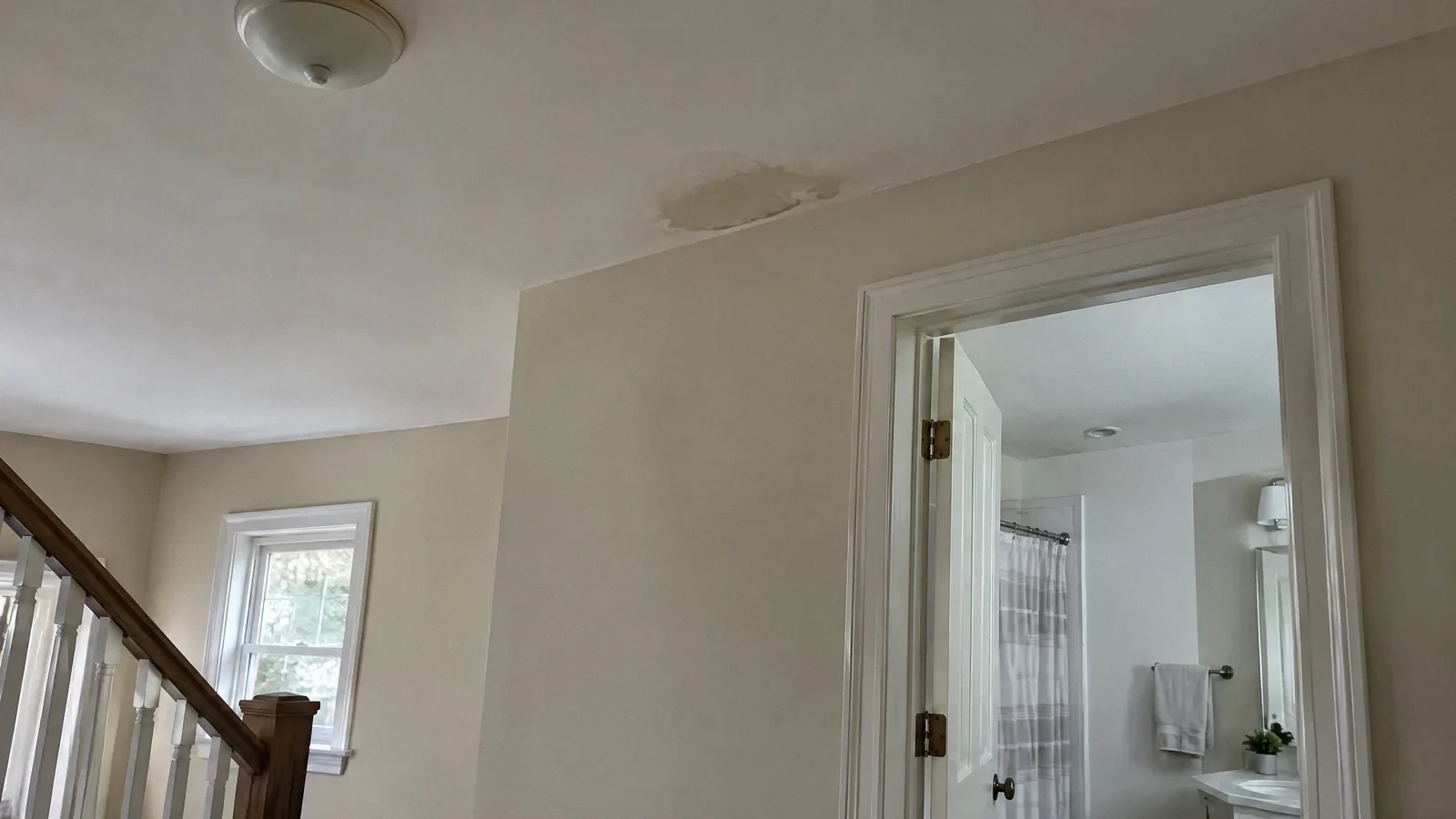
A ceiling stain, swollen baseboard or damp carpet is evidence that moisture reached a material. Water can travel along framing, pipes and other surfaces before it becomes visible, so the stain may be some distance from the source. A mark alone cannot establish whether the problem is active or how much material is wet behind the finish. Look for timing and location patterns, and arrange an inspection when the source is uncertain.
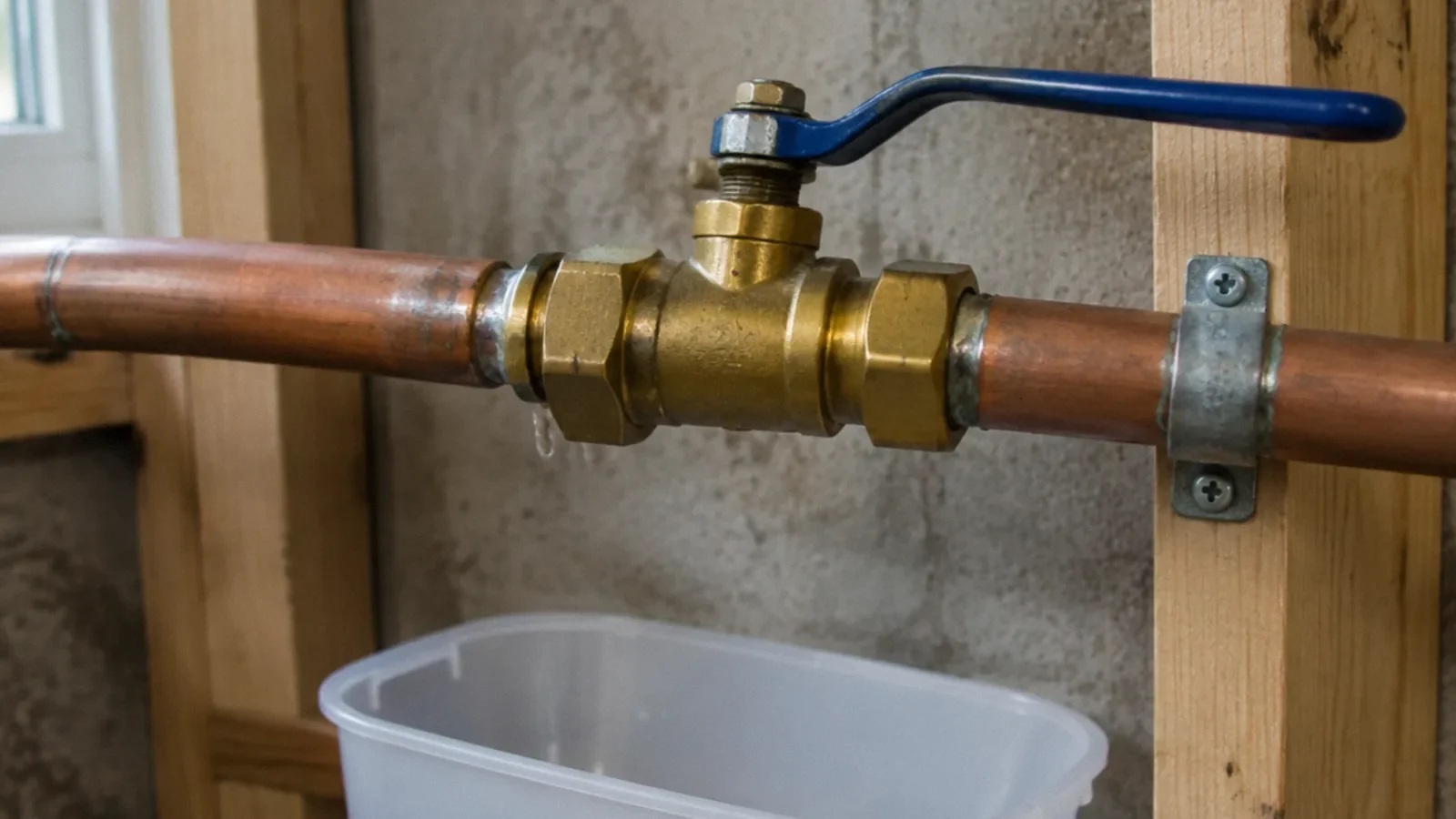
If water is flowing from a plumbing fixture and you can safely reach the appropriate shutoff, stop the flow. Stay clear of standing water near electrical equipment, a sagging ceiling or a suspected gas hazard. Leave the area and seek qualified help when conditions are unsafe. Sewage and floodwater can contain contaminants, so keep people and pets away and use an experienced professional.
Document visible conditions with dated photographs and notes. Record when the problem appeared, recent weather, plumbing use and any repairs. Contact the property manager if you rent, or your insurer if a claim may be appropriate. Coverage depends on the policy and the circumstances; finding the cause does not by itself establish coverage.
Plumbing and appliance leaks
Supply lines and connections under sinks, behind toilets, at water heaters and at washing machines can leak slowly or fail suddenly. Drain and waste lines can also leak when water is used. Signs include damp cabinet floors, corrosion, recurring puddles, swelling, stains or a musty smell. A leak may occur only while an appliance is running, so tell the plumber when you observe it.
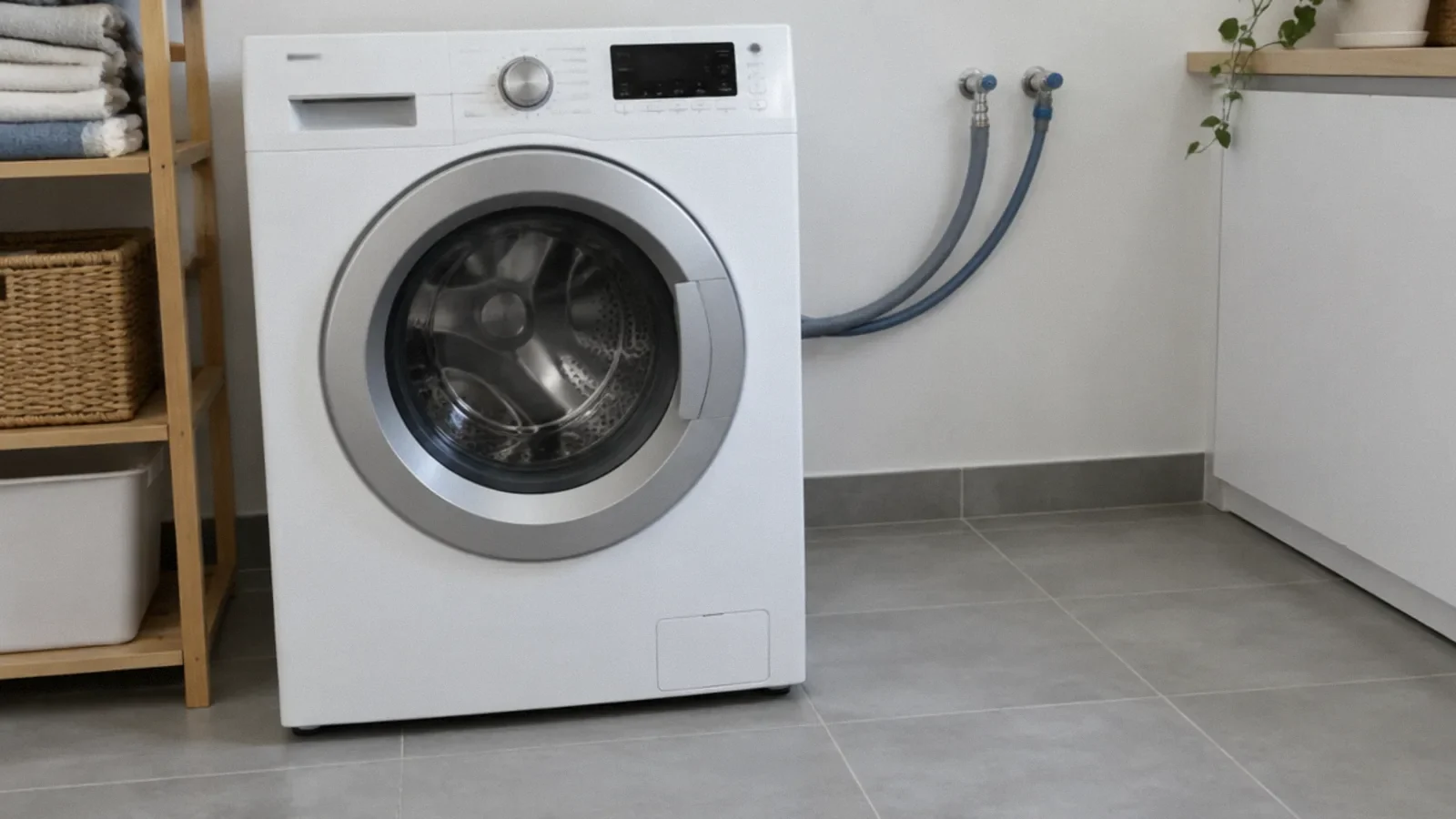
Dishwashers, refrigerators with water lines and washing machines have hoses and connections that deserve periodic visual checks. Look for moisture or pooling without moving a heavy appliance or disturbing its electrical connection. Follow manufacturer maintenance instructions and replace damaged components through an appropriate professional. Know where the main water shutoff is before an emergency and make sure it remains accessible.
A leak detector or flow-monitoring device can provide an alert in some circumstances. EPA notes that devices differ in how they detect moisture or unusual flow. They support inspection and maintenance; they do not eliminate the possibility of an undetected leak.
Rain, roof and exterior openings
Rain can enter through a damaged roof, flashing, wall, window or door. A stain near a ceiling or window that grows after rain is a useful clue, but the actual entry point can be higher or farther away. A roofer or building-envelope professional can inspect safely and distinguish an active leak from an old stain. Avoid climbing onto a wet roof or opening a sagging ceiling yourself.
Gutters and downspouts direct roof runoff away from the building when they are functioning and appropriately arranged. Overflow, disconnected downspouts or water collecting against the foundation can increase moisture problems. Inspect from a safe location and arrange maintenance when needed. The right drainage repair depends on the site; extensive excavation or waterproofing should follow a professional assessment.
Window condensation can resemble a leak. Note whether water appears across the room-facing glass during cold weather or at a particular opening after rain. These observations guide an investigation but do not prove the cause. Repair failed exterior details and dry any affected interior materials before cosmetic refinishing.
Foundation seepage and flooding
Water can enter a basement or crawlspace through the foundation or floor when surrounding conditions permit. Rainfall, surface drainage, groundwater and grading can all be relevant. A damp lower wall, efflorescence, peeling paint or wet flooring may be a sign of moisture, although each can have more than one explanation. Have recurring seepage investigated rather than sealing over a wet surface.
Floodwater can enter rapidly and carry sewage, chemicals and debris. Do not enter standing water where electrical or structural hazards may be present. Follow local emergency instructions and seek experienced flood cleanup assistance. A sump pump can fail or be overwhelmed; if you have one, maintain and test it according to its instructions and plan for a power outage.
Carpet and pad, drywall and other absorbent materials affected by contaminated water may require removal. A clean-looking surface does not establish that hidden materials are clean or dry. Ask the professional how contamination, concealed spaces and disposal will be handled.
Condensation and indoor humidity
Not all damage begins with liquid water entering through a hole. Humid air can condense on a cool window, pipe or wall. Cooking, showers and drying clothes indoors add moisture; poor ventilation can allow it to build up. Repeated condensation can wet finishes and support mold growth on suitable material.
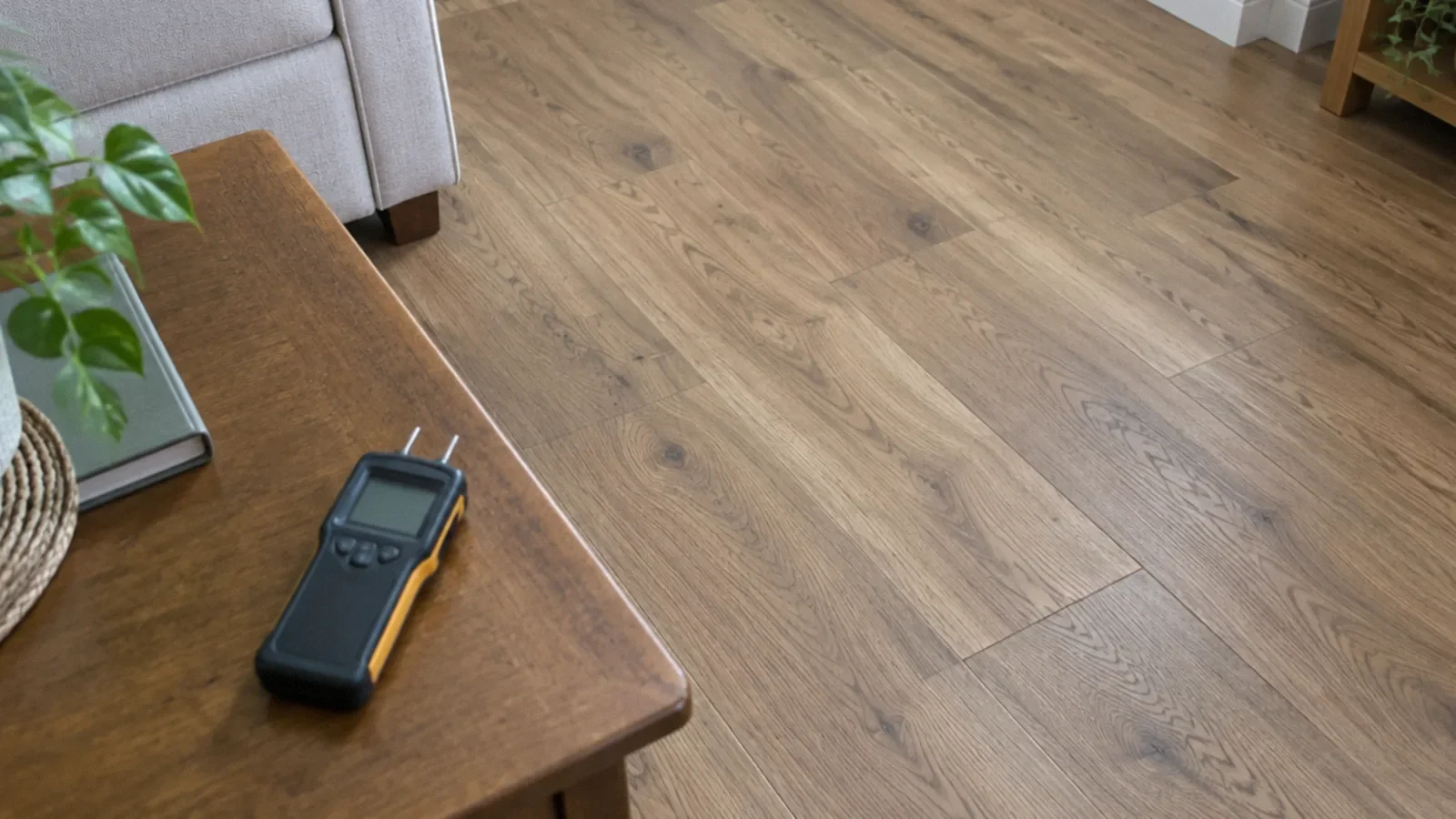
Use kitchen and bathroom exhaust ventilation where available, repair leaks and observe humidity with a suitable meter. EPA recommends keeping indoor relative humidity below 60% and ideally between 30% and 50% when practical. A building professional can investigate persistent cold surfaces or concealed condensation. Increasing heat or adding a coating without understanding the assembly may not solve the underlying cause.
Drying, repair and prevention
Correct the source before closing or refinishing an affected area. EPA recommends drying wet materials promptly, ideally within 24–48 hours when possible, to reduce mold risk. That interval is guidance, not a guarantee that all materials are dry or that mold cannot appear. The carpet backing, pad and subfloor may need assessment even when the top feels dry.
For substantial water damage, hidden moisture or mold, ask a qualified restoration professional to identify affected materials, monitor drying and explain which items can be retained. Document repairs and recheck after the conditions that originally caused the problem. Routine inspections, prompt leak repair, functioning drainage and ventilation reduce risk, but none can guarantee that water damage will never occur.
Your next-step checklist
- Identify the likely source and stop water flow if safe.
- Stay clear of electrical hazards, unstable materials and contaminated water.
- Document the damage and notify the responsible party.
- Inspect hidden materials and arrange prompt drying.
- Repair the source and recheck after relevant weather or plumbing use.
Related questions
What is the most common cause of water damage?
The cause varies by building. Plumbing, appliances, rain entry, drainage, flooding and condensation are all possible; investigate the specific conditions.
Does a ceiling stain show where a leak started?
Not necessarily. Water can travel before it appears, so the source may be elsewhere.
Can condensation damage a home?
Yes. Repeated condensation can wet finishes and surrounding materials. Address the humidity and cold-surface conditions as well as any damage.
Sources & context
Public guidance supports the principles in this article. The practical questions and examples are editorial interpretation, not a site assessment or a coverage decision. State-specific rules apply only where identified.
- EPA moisture control in the homeprimary
- EPA home water maintenanceprimary
- EPA leak detection devicesprimary
- EPA mold and moisture guideprimary