Stop the water if it is safe, document the damage, remove standing water and wet contents, then dry the area with appropriate ventilation and dehumidification. Floodwater, sewage, electrical hazards and concealed or extensive damage require qualified help.
Start with safety and the source
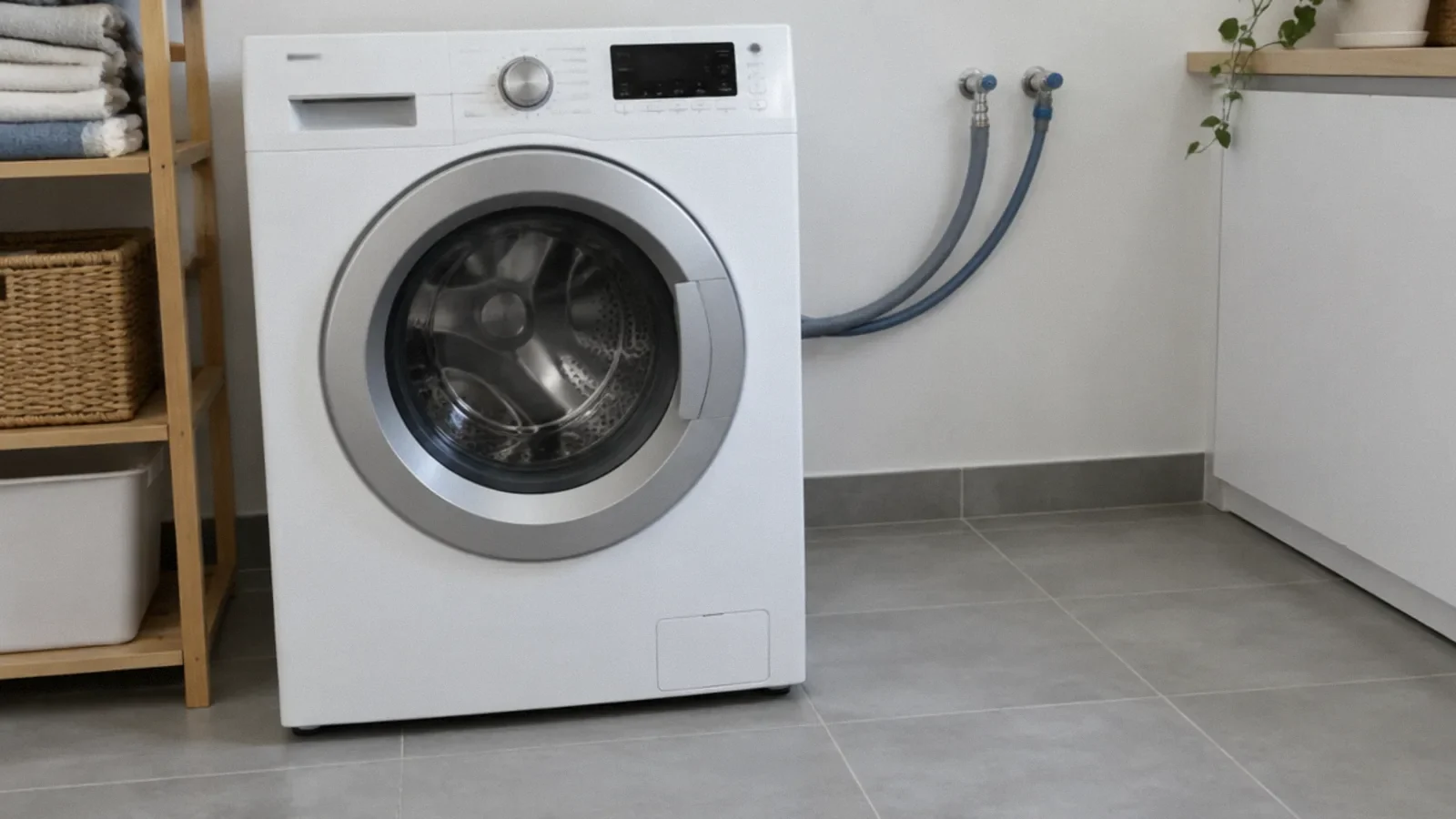
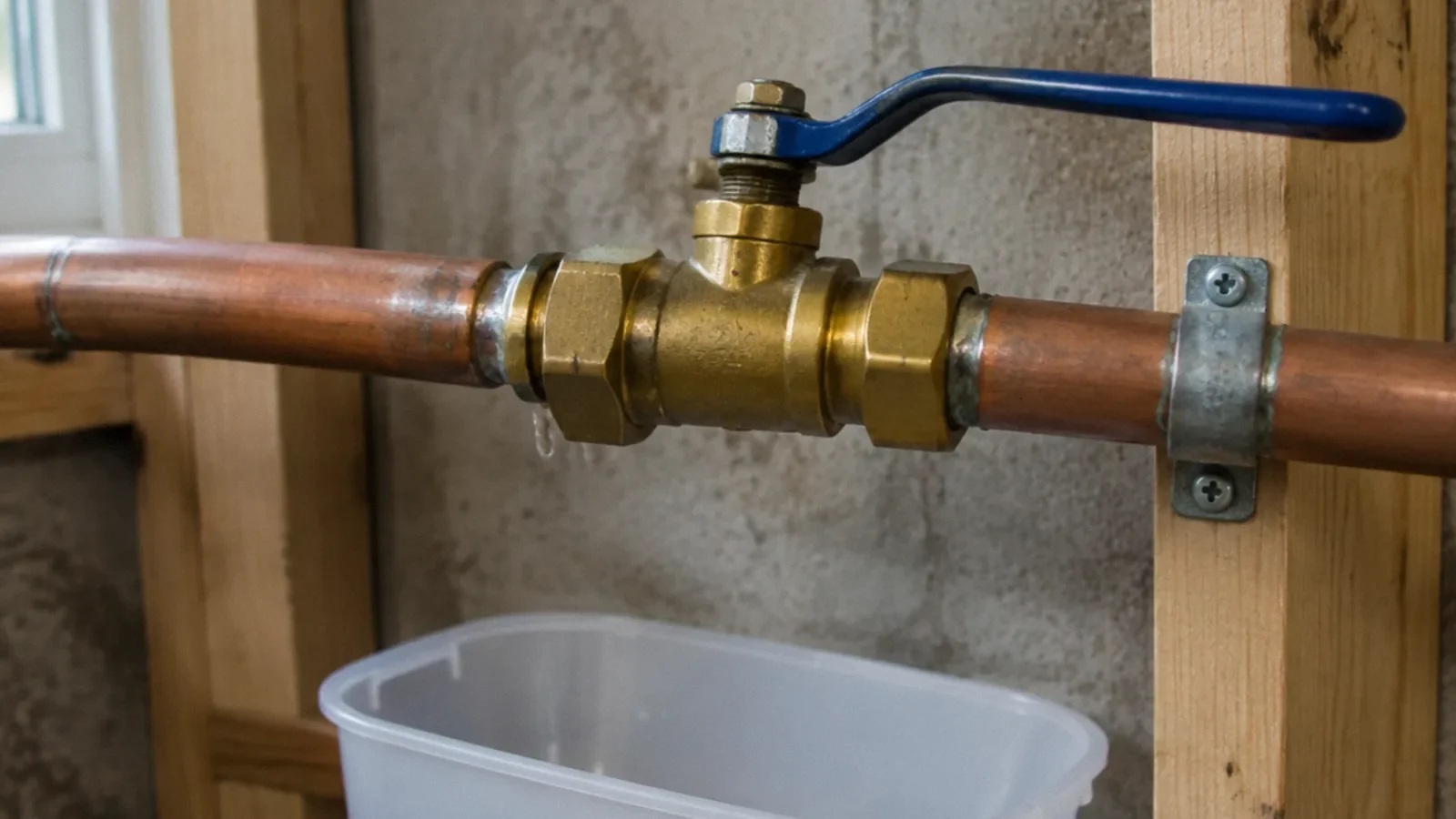
Stop the water at the fixture or main shutoff if you can reach it safely. A spreading leak, sagging ceiling, damaged structure, sewage or water near electrical equipment calls for professional help. Do not touch a wet switch, outlet or appliance or stand in water to reach an electrical panel. If safe access is uncertain, leave the area and contact the utility or a qualified electrician.
Floodwater may contain sewage, chemicals and other hazards. Drying alone does not make contaminated material safe. A qualified restoration professional should assess sewage and flood damage, extensive wet materials, suspected hidden mold and structural concerns. Follow local emergency instructions before reentering after a flood.
Document and identify the wet area
Photograph damage and record when it began, the suspected source and any steps taken. Contact your insurer promptly if you plan to make a claim and ask how to document damaged belongings. Take reasonable steps to prevent further damage, but do not delay urgent safety measures while waiting for an inspection. Coverage depends on the policy and cause.
Water can travel beneath flooring, behind trim and along framing. Trace the path from the source to adjacent rooms and the space below. A small ceiling spot may reflect a larger hidden wet area; a bulging ceiling is not safe to probe or drain yourself. A professional can assess concealed cavities and access them safely.
Remove water and separate wet contents
For a small clean-water spill that is safe to approach, blot or extract standing water with equipment intended for wet use, following the manufacturer’s electrical instructions. Move portable items off the wet surface and separate wet contents so air can reach them. Never use an ordinary household vacuum to pick up water.
Decide which items can actually be cleaned and dried. Paper, padding, upholstered furniture and other porous materials hold moisture deep inside. Wet carpet and pad may need professional removal or replacement, especially after contamination or delayed drying. Do not put possessions back over damp flooring simply because the surface feels dry.
Move air and remove humidity
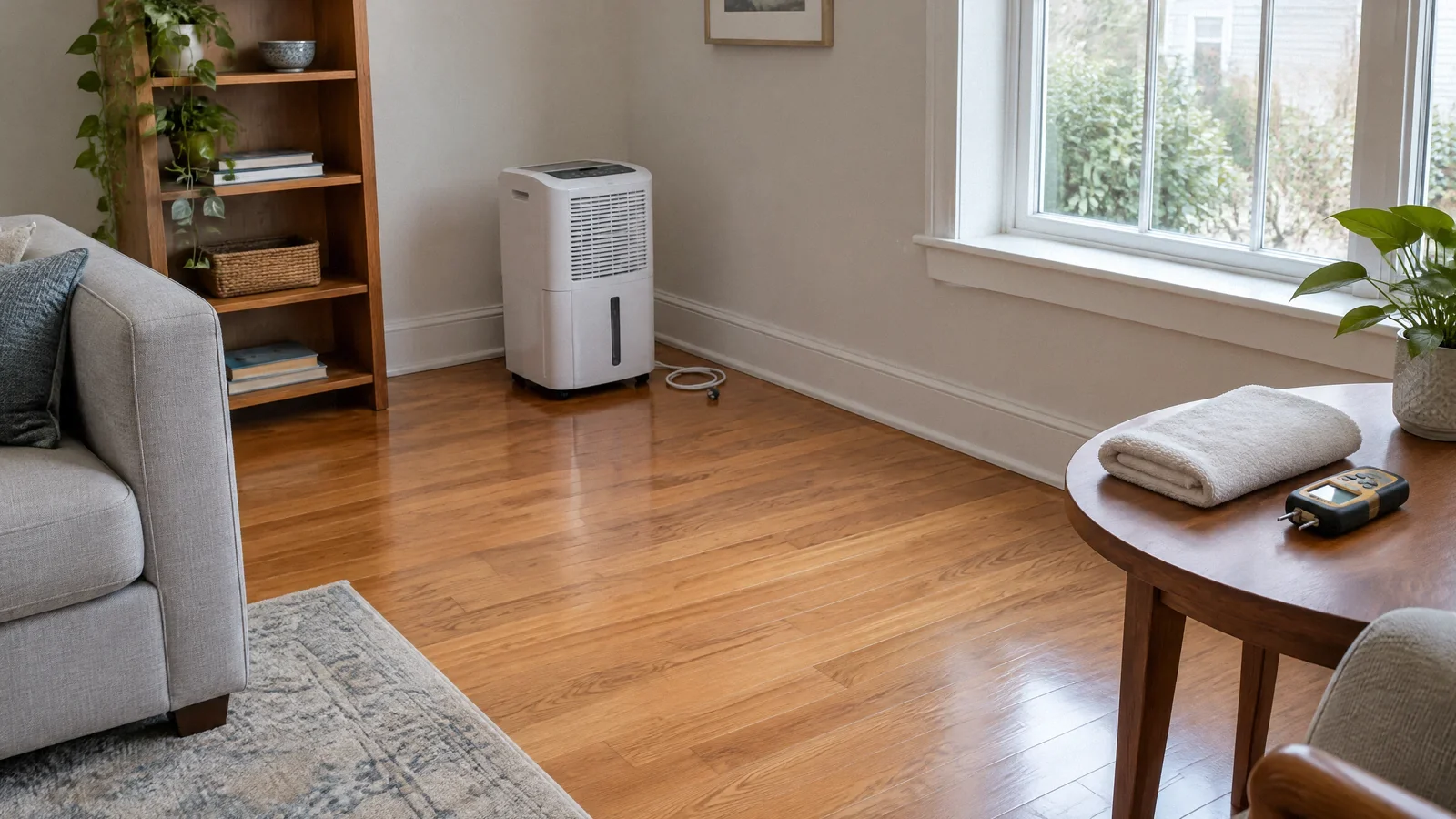
Begin drying promptly; EPA recommends cleaning and drying wet items within 24 to 48 hours when possible. Once electrical safety and contamination are addressed, ventilation, fans and dehumidifiers can help remove moisture. Place and operate equipment on dry surfaces in accordance with its instructions and use safe power. Never run a generator indoors or near openings.
Outdoor air is useful only when conditions and security allow; humid outdoor air can add moisture. A dehumidifier needs an appropriate closed or ventilated setup according to its instructions, an unobstructed air path and a way to empty or drain its collection tank. Check the room periodically. Ordinary home heating and cooling alone may not dry a heavily flooded building.
If mold is already visible, EPA advises against directing fans at it because airflow can spread contamination. Clean and address mold appropriately first. Do not run a water-damaged HVAC system until a qualified professional has assessed it.
Check materials, not just the air
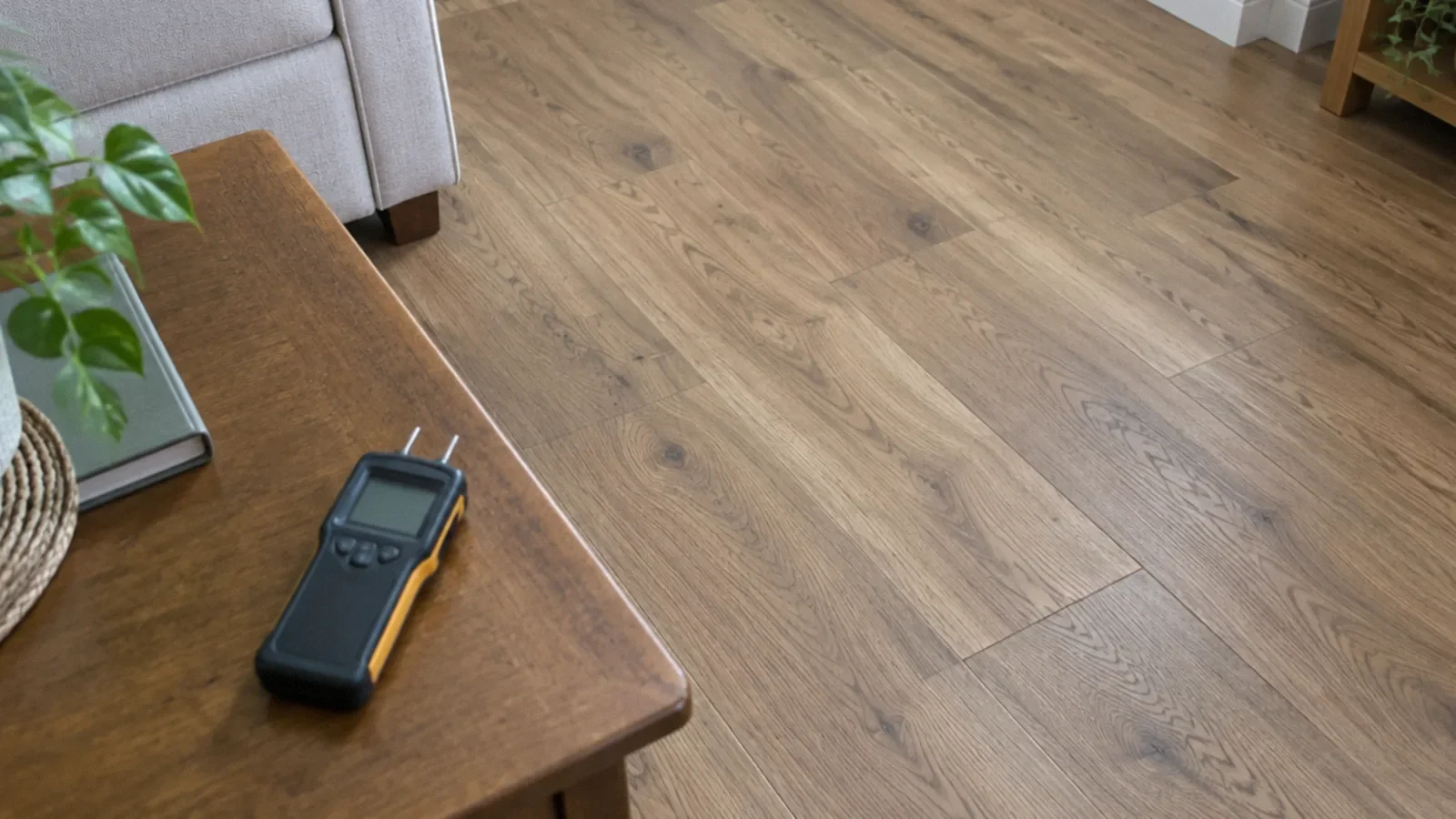
Drying can take days or weeks depending on the amount of water, the materials and the conditions. A dry surface, a pleasant smell or a low room-humidity reading does not prove that insulation, subfloor or wall cavities are dry. Moisture meters can help compare affected material with a similar unaffected area, but readings depend on the instrument and substrate.
A restoration professional can map moisture, document readings over time and decide whether concealed materials require access or removal. Follow the flooring or coating manufacturer’s substrate-testing requirements before replacing coverings or refinishing. Do not seal a wet wall cavity or paint over damp or moldy material.
Know when to stop and call for help
Call promptly for sewage, unknown water, major flooding, large or recurrent leaks, wet electrical systems, suspected asbestos-containing materials, or dampness that extends into inaccessible cavities. Older buildings may contain lead paint or asbestos; disturbing suspect materials requires specialist assessment. People with asthma, weakened immune systems or mold allergies should avoid mold cleanup and seek appropriate advice.
For a small clean spill, continue monitoring until affected materials are dry and the cause is corrected. If stains spread, odors persist or moisture returns, reassess the source. Do not rely on fragrance or paint to hide the evidence. Confirm the repair under normal use and keep notes of moisture readings and dates.
Before repair and rebuilding
Separate drying from rebuilding. Ask the person performing the work which materials were measured, what reference or manufacturer criteria were used, and whether any concealed areas still require inspection. A schedule is an estimate, not proof of dryness.
Once materials are adequately dry and contamination is resolved, choose repairs appropriate to the substrate and follow product requirements. Keep photographs and written documentation. If the source was a plumbing leak, confirm that it is repaired before closing the area so another unnoticed leak does not undo the work.
Your next-step checklist
- Stop the source only if you can do so safely.
- Photograph affected rooms and contents and contact your insurer as appropriate.
- Separate wet items and remove standing water using suitable equipment.
- Dry and monitor affected materials, including hidden spaces.
- Resolve contamination and confirm dryness before repairs.
Related questions
How long does water damage take to dry?
Drying can take days or weeks. Timing depends on the water volume, materials, access and drying conditions; measurements and inspection are more useful than a fixed number of days.
Can I point a fan at visible mold?
EPA advises against using fans on visible mold because they may spread it. Address the mold and moisture safely before directing airflow through the area.
Sources & context
Public guidance supports the principles in this article. The practical questions and examples are editorial interpretation, not a site assessment or a coverage decision. State-specific rules apply only where identified.