Water can affect foundations and adjacent materials through runoff, poor drainage, plumbing leaks or other pathways. Investigate the source and any movement before choosing a repair. A damp patch alone does not prove structural failure; significant movement or a bulging wall warrants prompt assessment.
How water affects a foundation
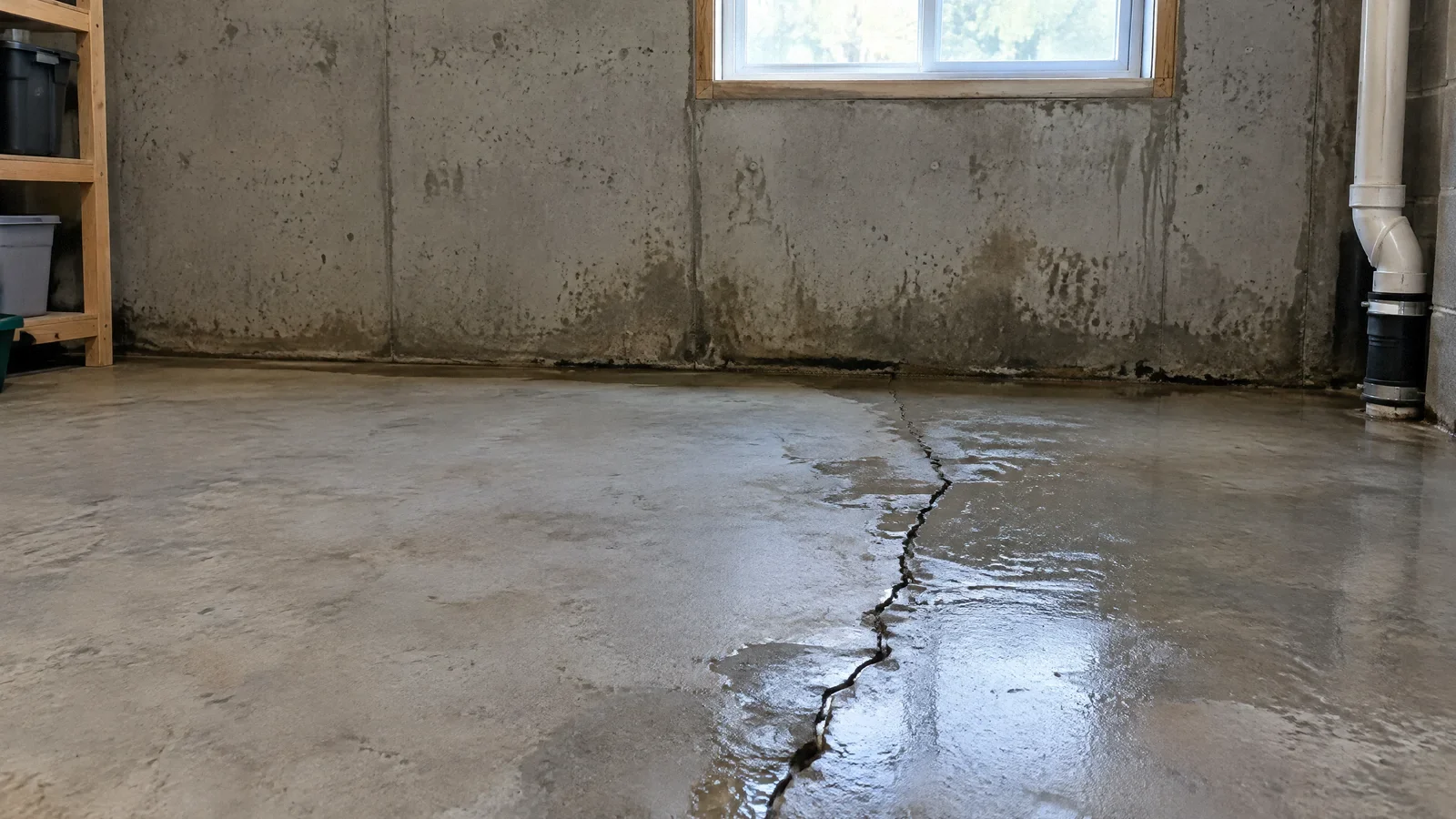
Water can collect against foundation walls or beneath a slab when roof runoff, grading or drainage does not manage it. Moisture can enter through openings or porous materials and affect adjacent wood, finishes and indoor conditions. Repeated wetting can also contribute to deterioration. A damp wall, a crack or white residue is a reason to investigate; it does not by itself establish that the foundation is structurally unsafe.
Signs and possible causes
Look from safe accessible areas for recurring wet patches, water at the wall-floor joint, staining, flaking surfaces or damp finishes. Outside, observe where downspouts discharge and where soil directs runoff. Plumbing leaks and condensation can resemble rain-related entry. Note weather, timing and changes over time. A foundation professional or plumber can distinguish possible sources; color or one photograph cannot establish the mechanism.
When to request urgent assessment
Significant displacement, a rapidly changing crack, a bulging wall or other apparent instability merits prompt professional evaluation. Stay clear of an unsafe area and follow local emergency guidance if there is immediate danger. A structural engineer can assess movement and load-bearing implications. A waterproofing contractor may assess water entry, but the scope of a structural assessment and a drainage estimate are different.
Manage water outside
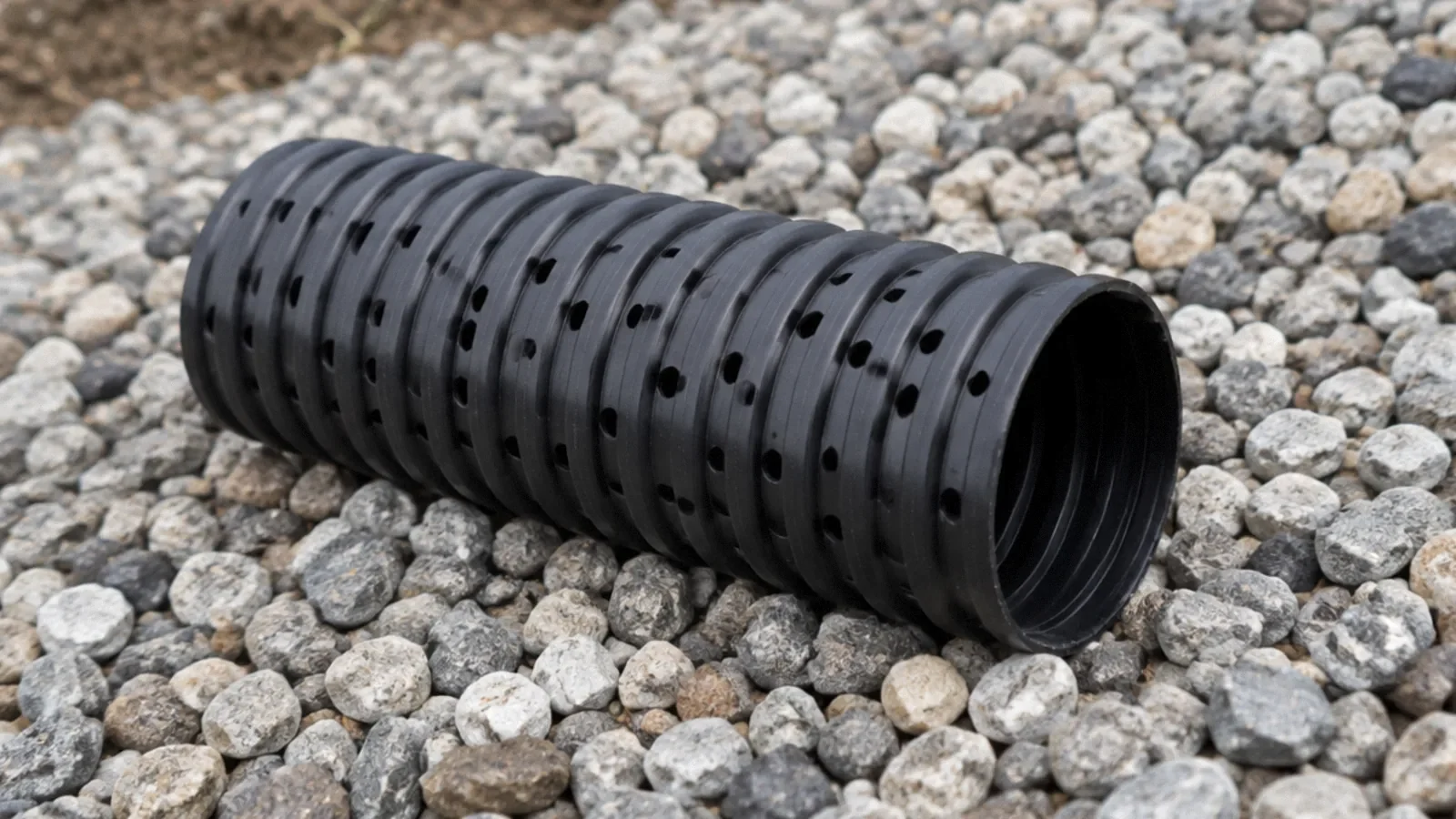
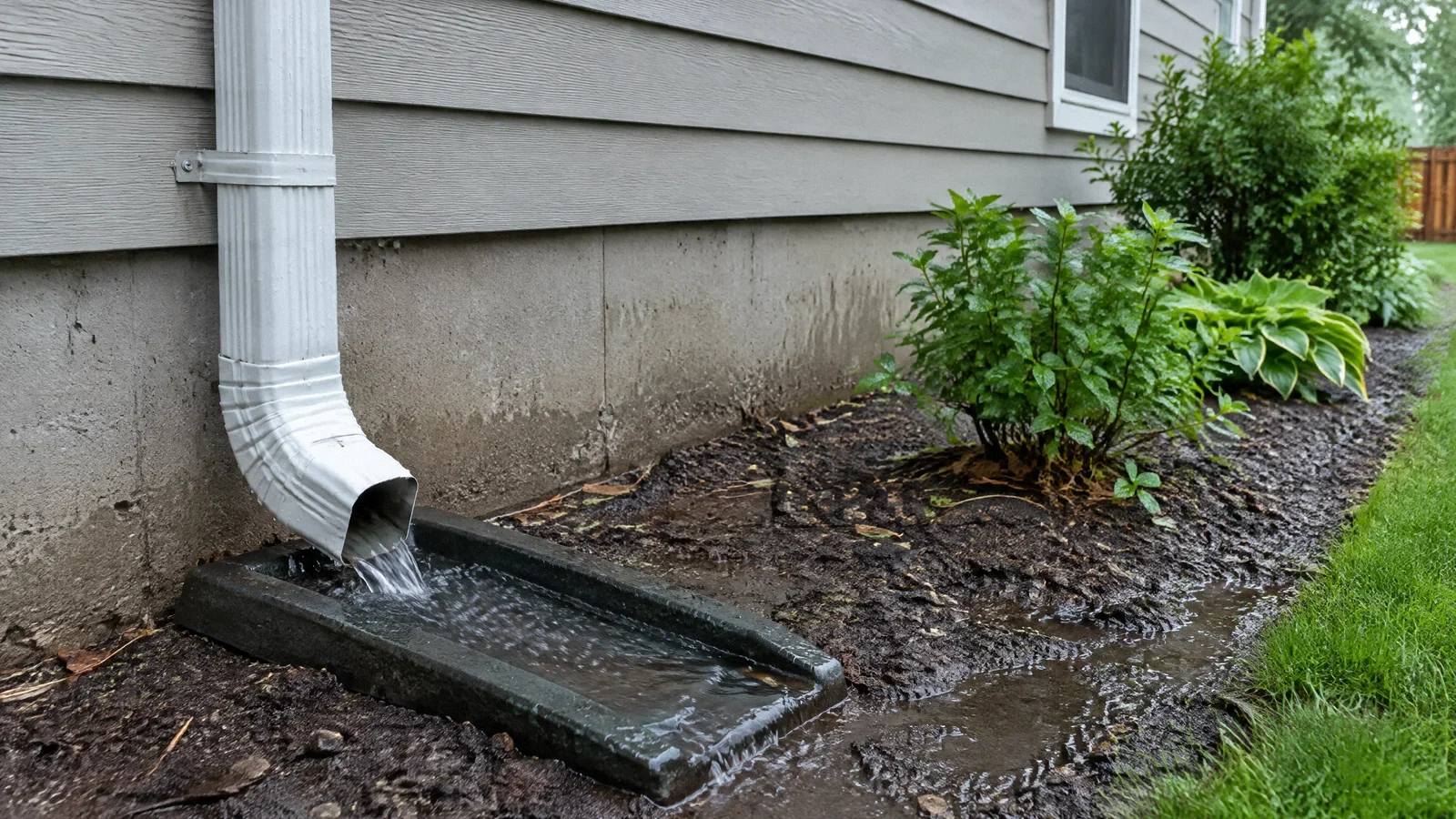
DOE describes a coordinated approach that can include roof gutters, downspouts, grade sloping away from the building and properly designed foundation drainage. The appropriate discharge must suit the site and local requirements. Clearing accessible debris may help, but a buried drain may need inspection. Redirecting water without considering neighboring property, utilities and drainage rules can create another problem.
Compare repair proposals
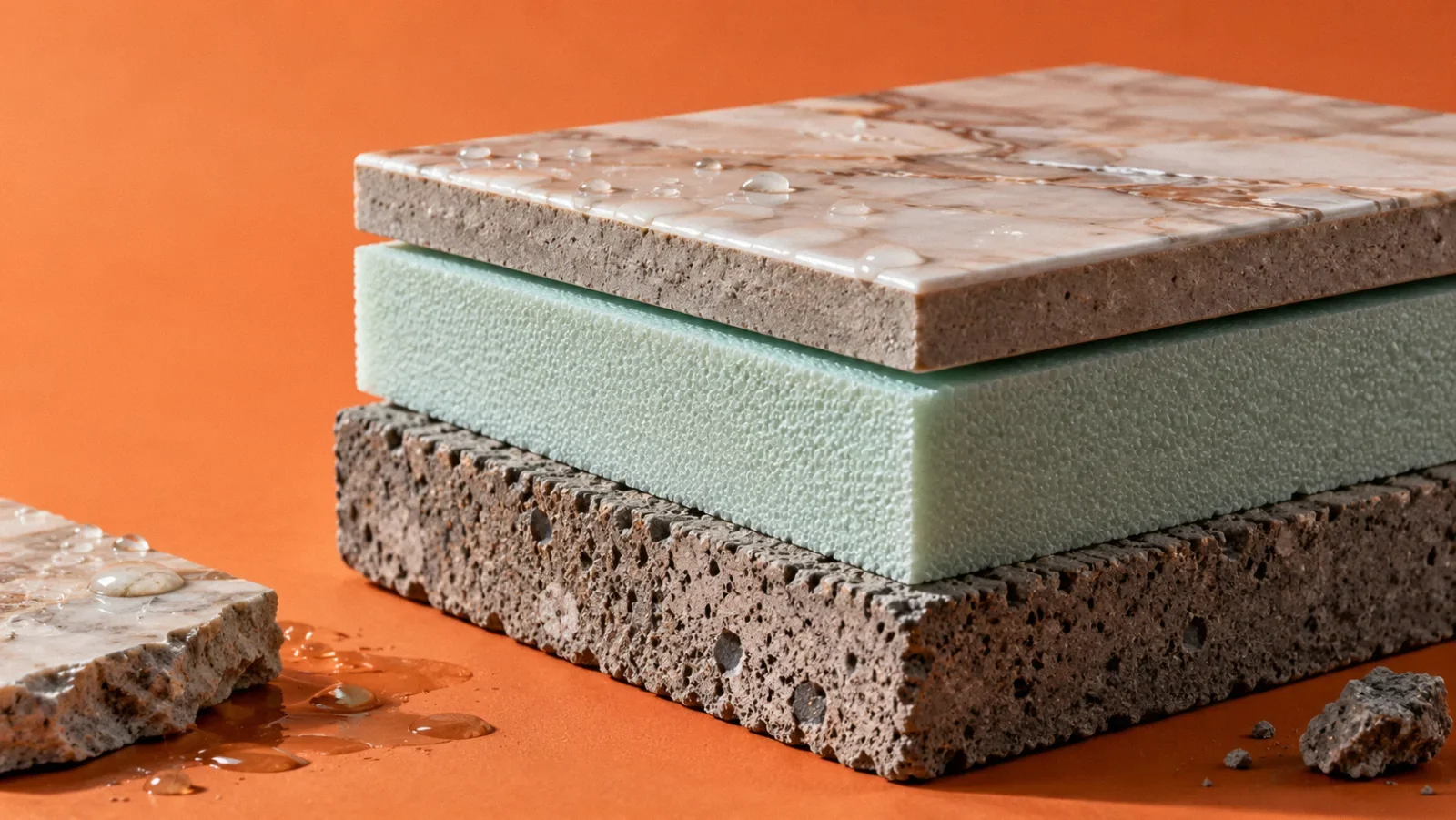
A professional may recommend plumbing repair, exterior drainage, waterproofing, a sump system or structural repair depending on the findings. Ask for the specific observed defect, its location, the proposed method, permit and inspection responsibilities, surface restoration and ongoing maintenance. A coating on an interior wall may conceal symptoms without stopping the source. Obtain an independent assessment for major work when safe and practical.
Drying and records
After the source is controlled, assess wet finishes and contents promptly. Water may remain behind walls and under floors. CDC recommends drying wet materials quickly; sewage or floodwater may require specialist cleanup. Retain dated photographs, inspection findings and invoices. Ask the insurer about the cause and policy conditions rather than assuming every foundation or water loss is covered.
Water management works as a system
Roof collection, downspout discharge, ground slope and subsurface drainage each handle a different part of the water path. A downspout that empties beside a foundation can concentrate roof runoff, while a blocked outlet can undermine a buried drain. Inspect visible components from the ground and ask where water is intended to go. Surface changes alone may not resolve groundwater, a pipe leak or flooding that exceeds the system’s capacity.
What a structural assessment considers
The professional may review the foundation type, visible movement, crack pattern, drainage, soil conditions and history of changes. Some observations may warrant measurements over time or further investigation. Request a written explanation of the evidence, limitations and urgency. A proposal to apply sealant does not establish structural stability; equally, a damp patch alone is not proof that a wall requires underpinning. Choose the assessment appropriate to the observed concern.
Before approving excavation
Exterior foundation work can disturb utilities, landscaping, paving and existing waterproofing. Ask who will locate utilities, arrange permits, manage soil and restore the site, and what happens if concealed damage is found. Workers need a safe excavation plan. Compare proposals on their defined lengths, drainage outlet, materials, inspections and maintenance, rather than only the product name or warranty headline. Keep drawings and final records for future owners and repairs.
What to monitor after work
After the repair, retain a plan showing the drainage route and any buried components. Watch for recurring dampness, blocked outlets and changes in previously documented cracks from safe locations. Ask when the installer should inspect the work and what maintenance the warranty requires. A system can be overwhelmed by conditions beyond its design.
Your next-step checklist
- Record the location, condition and relevant history.
- Identify the source or application before choosing a repair or product.
- Ask a qualified professional about local requirements and limitations.
- Keep the written scope, inspection findings and records.
Related questions
Does a damp foundation need structural repair?
Not always. Moisture has several possible sources and the structure must be assessed separately. Seek prompt professional evaluation for movement, displacement or a bulging wall.
Is waterproof paint enough to protect a foundation?
A coating may be one component of a suitable system, but it cannot fix every source or replace drainage and plumbing repairs. Ask how the proposed work addresses the observed pathway.
Sources & context
Public guidance supports the principles in this article. The practical questions and examples are editorial interpretation, not a site assessment or a coverage decision. State-specific rules apply only where identified.
- DOE: Foundation drainage and downspoutsofficial guidance
- CDC: Drying after water damageofficial guidance