Choose sturdy, lidded containers for clean, dry belongings and keep them on stable shelving away from known leaks. A sealed tote can trap moisture and does not guarantee flood protection. Store irreplaceable papers and photographs in a dry, more stable location.
Start with the basement, not the box
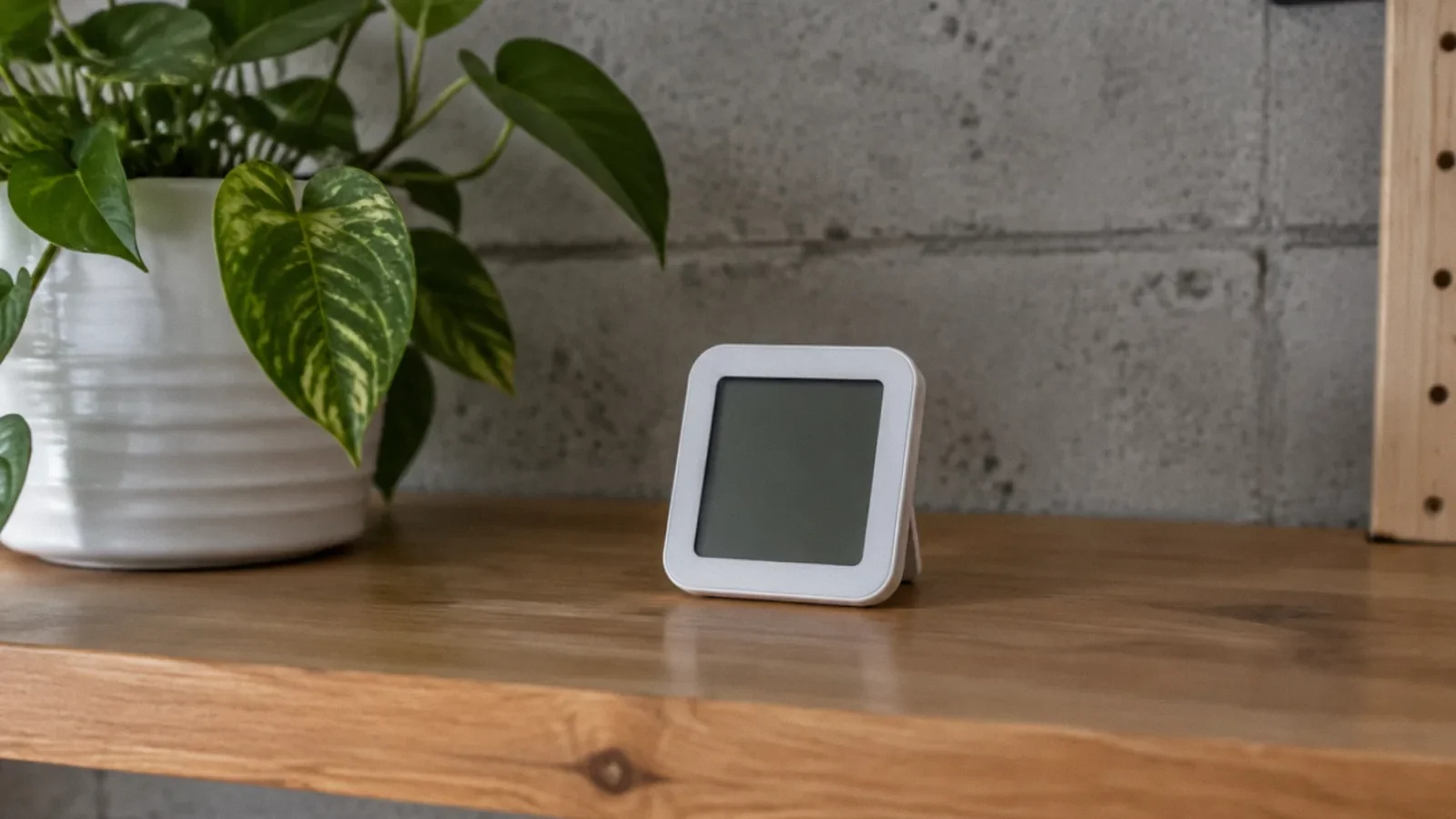
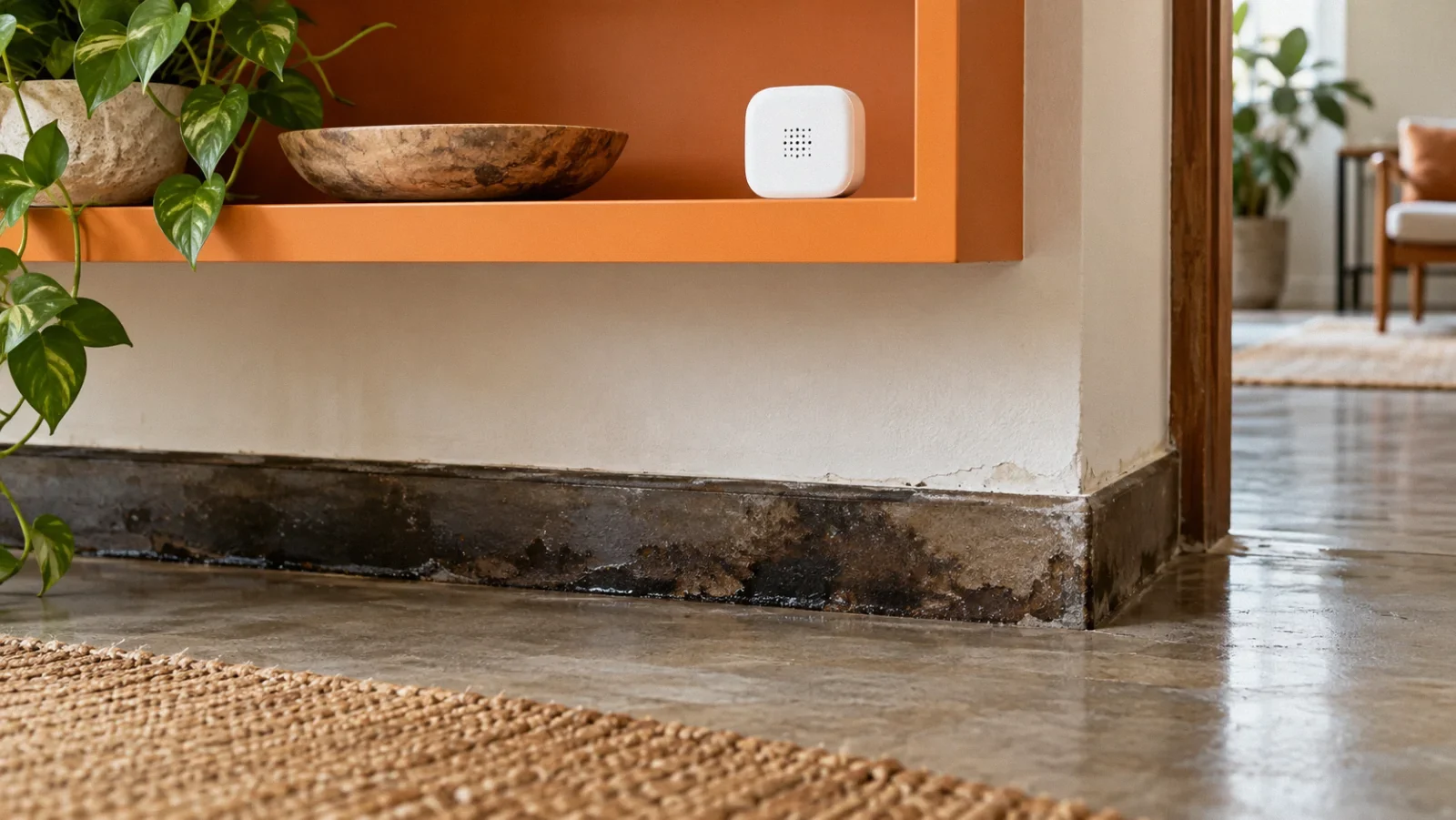
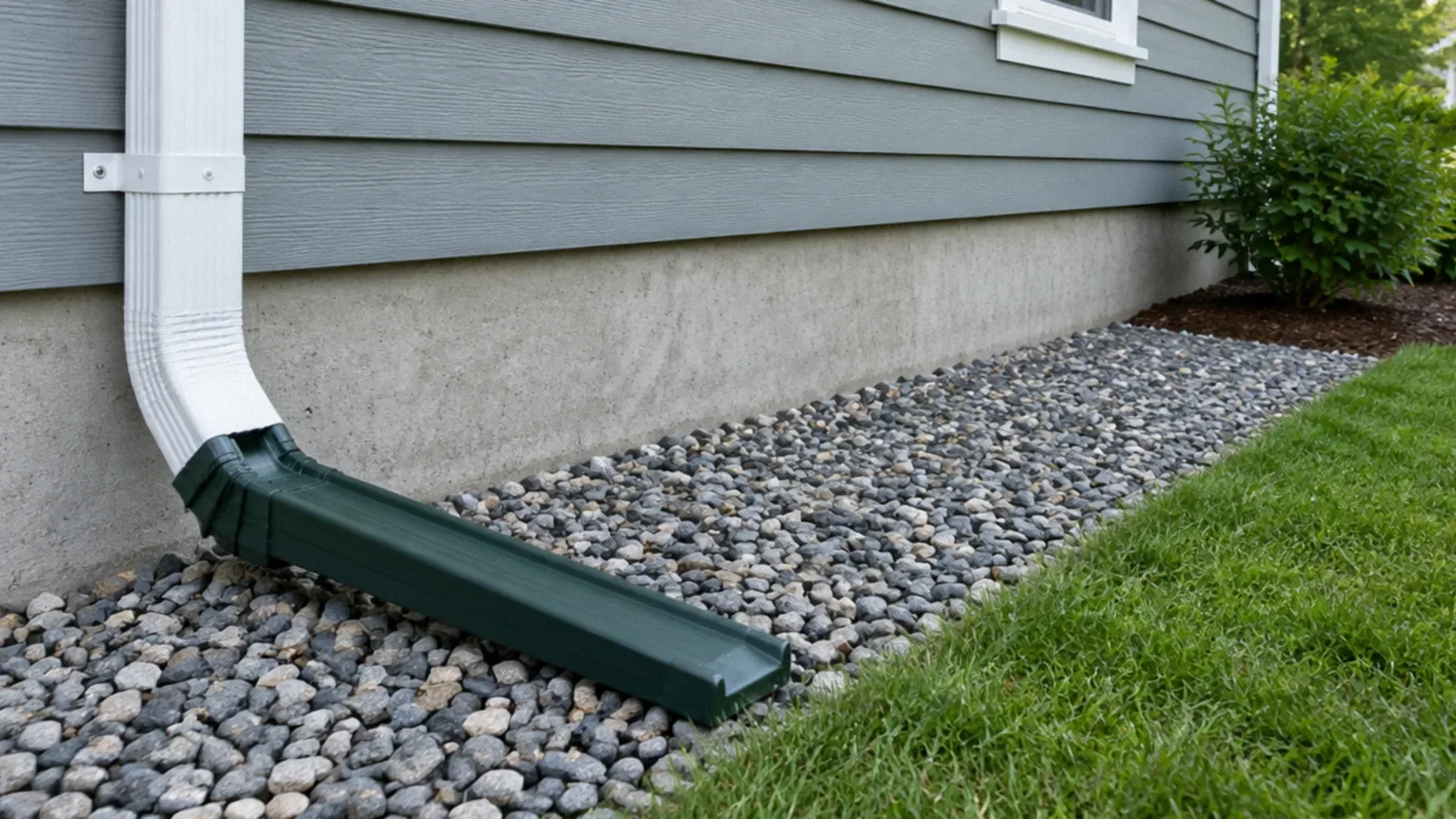
A container can keep dust off belongings and make shelving easier to organize, but it cannot correct water entering a basement. Before placing anything there, look for leaks, condensation, damp walls, odors and evidence of previous flooding. Address the source and dry affected materials. EPA identifies moisture control as the key to preventing mold. A basement that remains damp or has recurring water intrusion is a poor home for sensitive possessions even if they fit inside a lidded tote.
Plastic totes and lids
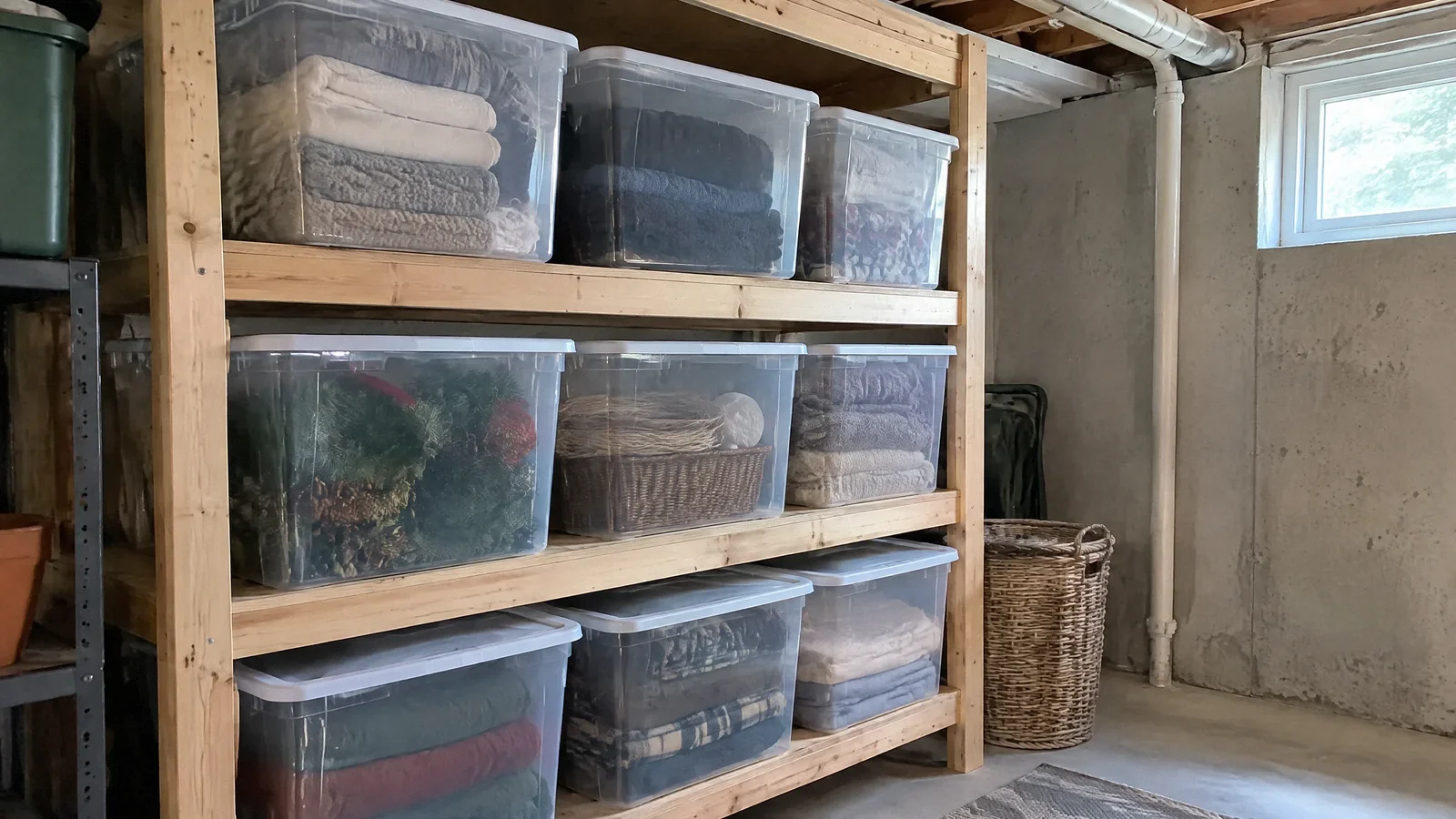
Rigid plastic totes with fitted lids are useful for many clean, dry household items. Transparent sides make contents easier to identify, and a sturdy lid can reduce dust and splashes. Check the container’s load and stacking instructions; an overfilled box can distort and prevent its lid from seating properly. A gasketed lid may offer a closer seal than a loose lid, but a household storage bin is not automatically floodproof. Water pressure, immersion, damaged seals or an open latch can defeat it. Do not rely on an ordinary tote to protect irreplaceable items in a flood-prone basement.
Cardboard, metal and specialty boxes
Cardboard is inexpensive and light, but it absorbs water, can weaken on a damp floor and may be damaged by pests. It is a poor choice where water or condensation is likely. Metal containers can be durable, though corrosion and sharp edges deserve attention, and a lid may not be watertight. Archival boxes and folders serve a different purpose: they support documents and photographs with compatible materials. They are not a substitute for a dry, stable room. Choose a container according to both the contents and the risks in the actual storage location.
Dry the contents before closing a lid
A closed container can trap moisture already present in a damp coat, holiday decoration or the air inside. Do not pack wet or visibly damp belongings and expect a sealed lid to dry them. Clean and dry the items and the container first, following care instructions. Avoid sealing a box immediately after it has come from a cold location into humid air if condensation is present. Inspect the contents periodically for dampness, odor or damage. A desiccant is not a repair for an active leak, and its capacity and replacement needs depend on the product and conditions.
Give the containers a safer position
Use stable shelving to keep boxes off the floor and away from walls that have shown dampness. Keep them clear of pipes, windows, floor drains and equipment that needs access. Elevation may reduce damage from a small surface spill, but it does not guarantee protection if floodwater rises or a pipe leaks from above. Put heavy containers on lower shelves and follow the shelving manufacturer’s load limits. Leave enough room to inspect the wall and retrieve items safely without climbing on stacked containers.
Choose another location for sensitive items
The National Archives recommends keeping family papers and photographs out of damp basements and away from leaks and flood sources. Photographs, original documents, textiles, electronics and other sensitive belongings may need a more stable indoor environment and specialized packaging. A plastic tote does not make a damp basement suitable for a family archive. Keep important originals where they can be accessed when needed; consider secure digital copies as a separate backup. Consult a conservator for valuable or already damaged records rather than trying an unfamiliar treatment.
Plan for water and flooding
Review the basement’s history and local flood risk before choosing what to store. FEMA recommends moving valued belongings to higher levels and using appropriate waterproof containers as part of a broader preparedness plan. Read the container’s actual rating, closures and limitations; words such as weather-resistant are not necessarily a promise of protection during submersion. Keep critical documents and irreplaceable belongings on a safer level when possible. Never enter standing floodwater or approach wet electrical equipment to retrieve a box.
Label, inspect and rotate
Label the outside with the contents and date, without displaying sensitive personal information. A simple inventory helps you find an item without opening every box and provides a record if damage occurs. Inspect the basement and a sample of containers after seasonal changes, heavy rain or plumbing work. Look under and behind shelves when safe. If a lid has warped or a container shows moisture inside, remove the contents to a suitable dry area and investigate why. Discarding the box alone will not address a continuing leak.
If stored belongings get wet
First avoid electrical hazards, unstable shelving and contaminated water. Stop an accessible water source only if doing so is safe, and seek qualified help when the source or contamination is uncertain. Remove clean wet items only when the area is safe; separate them according to material and care instructions. EPA recommends drying wet materials promptly, ideally within 24 to 48 hours, where feasible. Wet paper is fragile, and important photographs or records may need prompt conservator advice. Floodwater can carry contaminants, so do not assume a wiped container makes all contents safe.
Your next-step checklist
- Fix leaks and assess basement humidity before storing items.
- Pack only clean, dry items in a suitable container.
- Keep containers off the floor on stable shelves.
- Store sensitive originals in a more appropriate location.
- Inspect the space and containers regularly.
Related questions
Are sealed plastic bins waterproof in a flood?
Not necessarily. Check the specific rating and closure; an ordinary household tote is not guaranteed to withstand immersion.
Can a sealed bin trap moisture?
Yes. Moist items or condensation can remain inside a closed container. Dry contents before packing and inspect periodically.
Should family photographs be stored in a damp basement?
No. The National Archives recommends keeping family photographs and papers out of damp basements and away from leaks.
Does placing a bin on a shelf make it floodproof?
No. Elevation can help with a small spill, but rising water or a leak above can still reach the contents.
Sources & context
Public guidance supports the principles in this article. The practical questions and examples are editorial interpretation, not a site assessment or a coverage decision. State-specific rules apply only where identified.