Overflowing gutters, little water at a downspout outlet or water pooling near the foundation can indicate a blockage or another drainage defect. Inspect from a safe place and keep water directed away from the building. Roof work, high gutters and underground drain problems are best assessed by an appropriately equipped professional.
How the system should move water
A roof gutter collects runoff and a downspout carries it toward an outlet, extension or underground line. EPA recommends keeping gutters and downspouts free of debris and leaks and directing water away from the house. The correct discharge location depends on the property and local rules.
A blockage is only one possible cause of overflow. A disconnected section, damaged joint, undersized gutter, poor slope, frozen material or an obstructed underground pipe can create similar symptoms. Observe the whole path from the ground when it is safe.
Signs of a clogged downspout
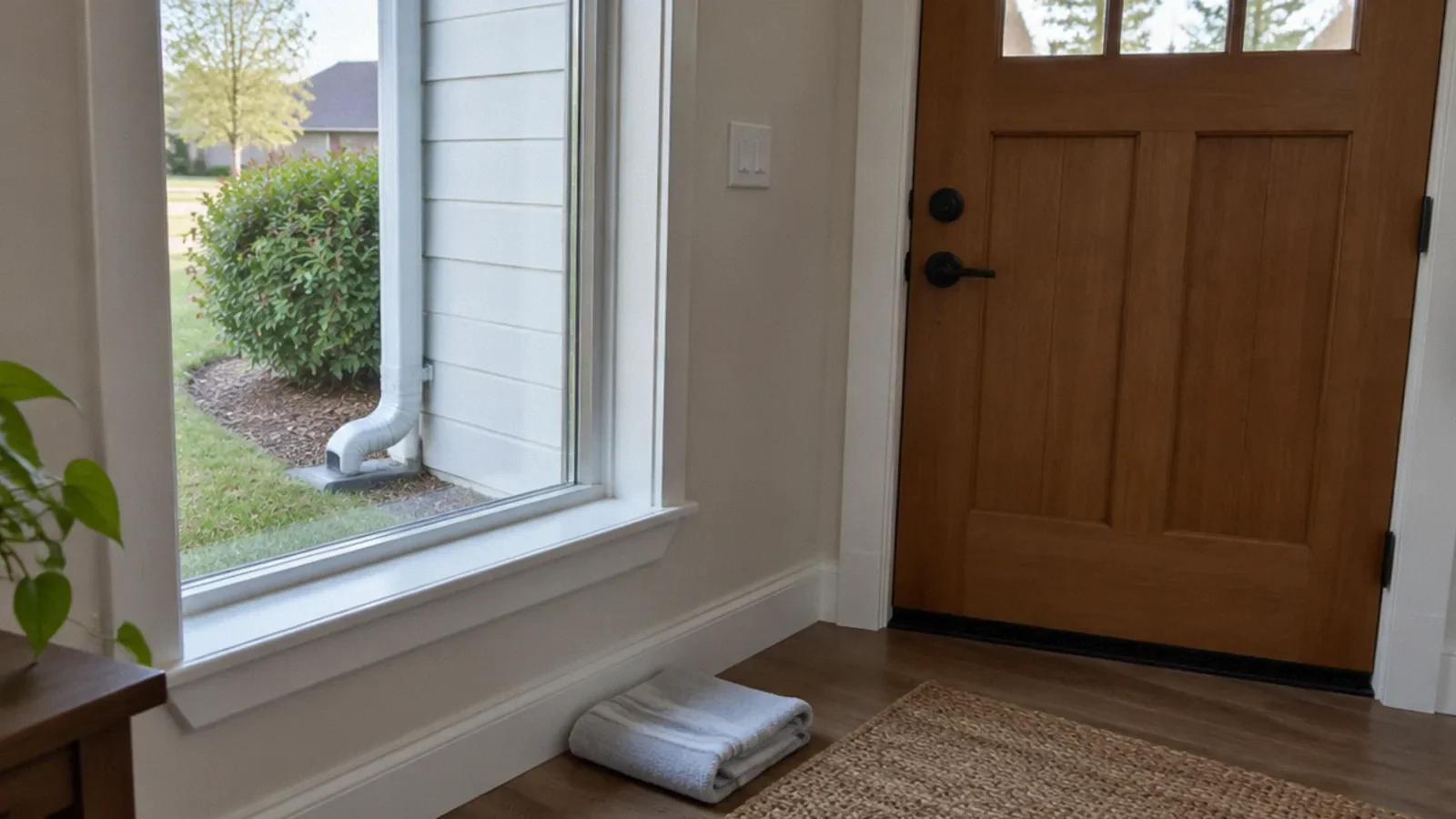
During or after rain, look from a sheltered ground-level position for water spilling over the gutter, water escaping a joint or pooling near the foundation. A downspout with little visible discharge may be blocked, disconnected or routed to an underground outlet that is not visible.
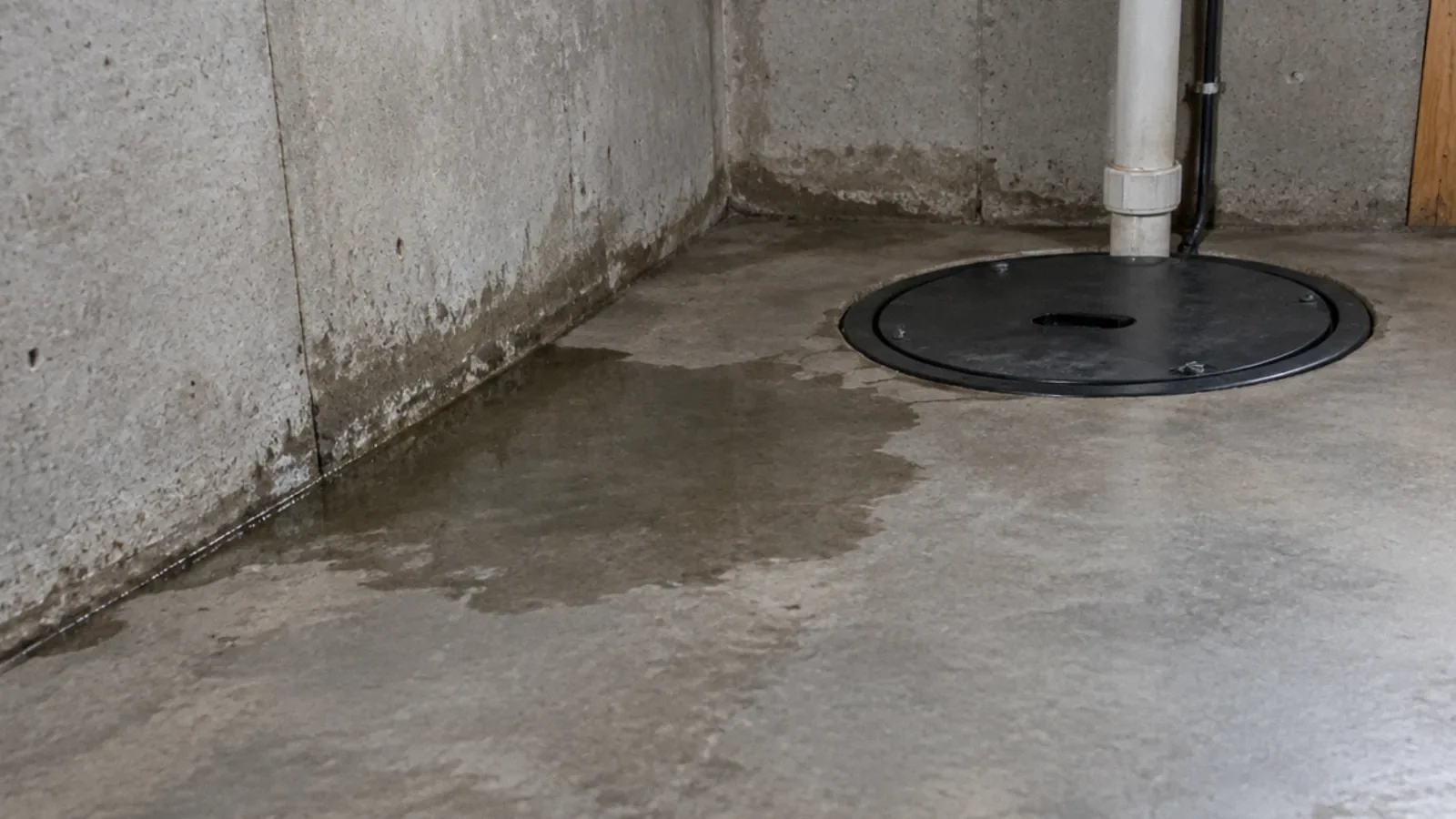
Do not stand under an overflowing gutter or near damaged electrical equipment during a storm. A wet basement or wall can have several causes; one gutter observation does not establish the entire water path. Record when the problem occurs and which section is affected.
Safety before cleaning
Gutter work can involve falling from a ladder or roof, contact with power lines and unstable ground. CDC notes that ladder falls occur at home as well as at work. Do not climb onto a wet roof, overreach from a ladder or work near overhead electrical lines.
A ground-based observation or suitable tool may avoid some elevated work, but it does not make every location safe. If access is high, the ground is uneven, lines are nearby or you are unsure, hire a qualified gutter professional with appropriate equipment.
Accessible outlet and extension
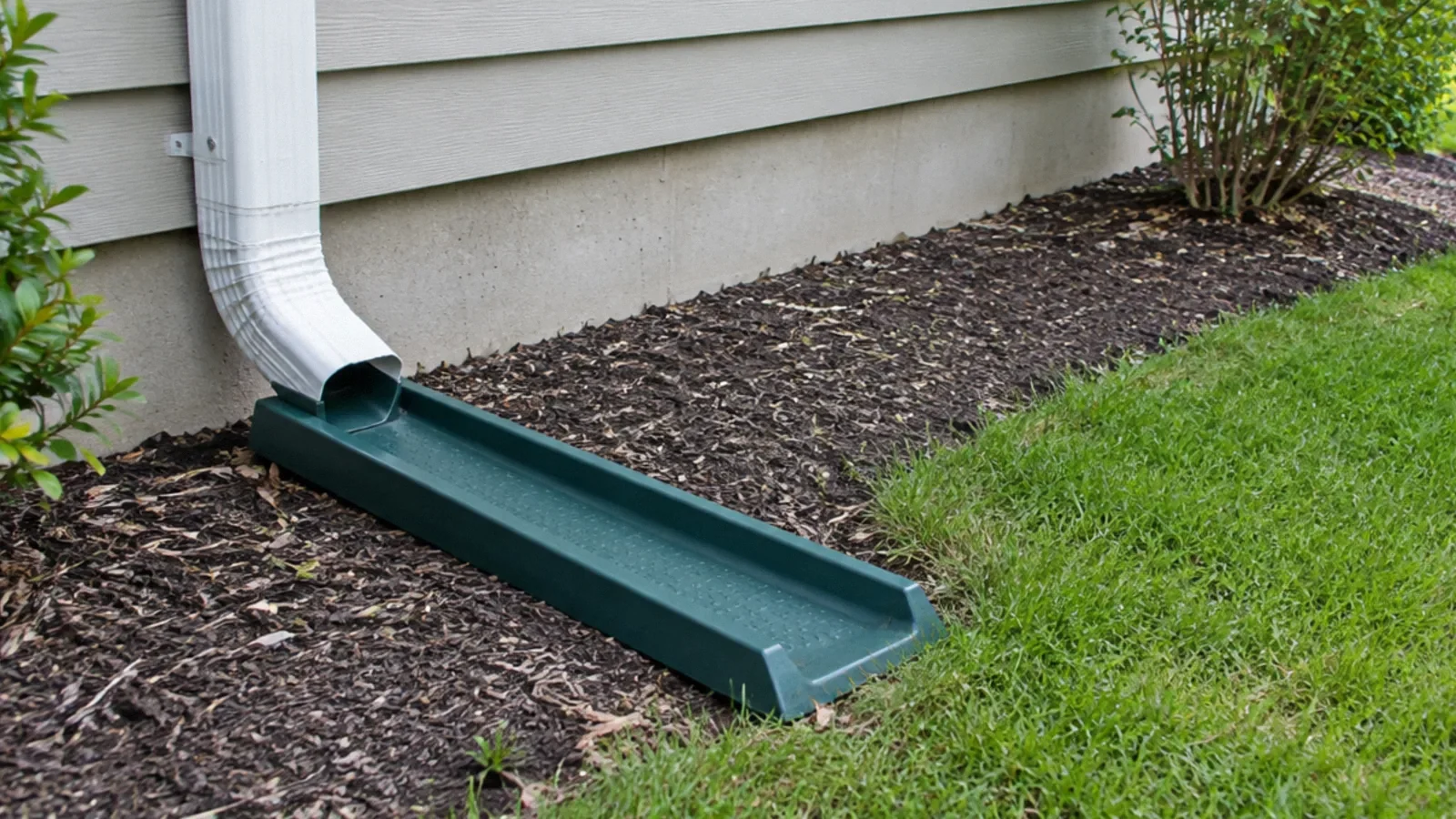
When conditions are safe, inspect an above-ground extension for visible leaves, crushing or disconnection. If the extension is designed to detach without tools, follow the manufacturer’s instructions and keep hands away from sharp edges. Do not force a fitting or redirect water toward a neighbor or walkway.
After any permitted maintenance, confirm that the extension is reattached securely and that its discharge path is appropriate. EPA advises considering local rules and potential property damage when redirecting downspouts. Avoid creating ice or erosion where people walk.
Underground gutter drains
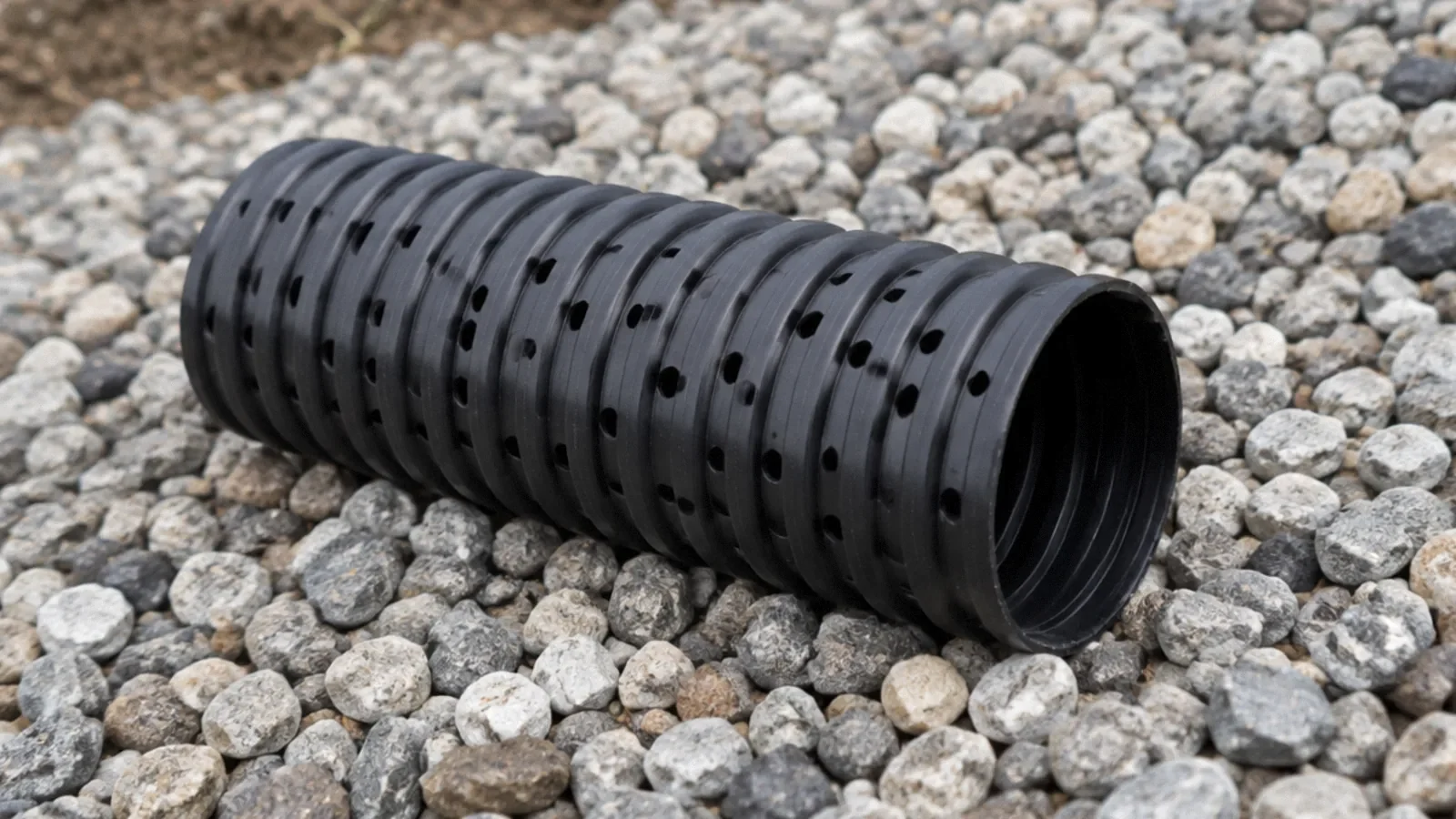
A buried downspout drain can be obstructed, collapsed, disconnected or blocked at its outlet. A professional may inspect accessible cleanouts or test the path with suitable equipment. A lack of discharge does not prove which of these conditions exists.
Do not open an unidentified sewer cleanout, force a powered snake through an unknown pipe or dig without locating utilities. Contact 811 before excavation and identify private lines as well. Do not pour drain cleaner into a storm drain or underground gutter line.
What professional cleaning can include
A provider may remove accessible debris, clear the downspout, inspect joints and check flow to a safe outlet. Ask whether the quote includes buried lines, roof debris, guards, minor reattachment and disposal. A basic gutter cleaning may not include locating or repairing a collapsed underground pipe.
Request a written scope and ask how the contractor will protect landscaping and identify hazards. If water is entering the building, coordinate drainage work with an inspection of affected walls, basement or crawl space; cleaning a gutter does not by itself dry interior materials.
Preventing future blockages
Trees, roof debris and local weather affect how quickly gutters fill. Set a maintenance schedule based on actual conditions and check visible outlets after major storms from a safe location. Gutter guards can still require maintenance and do not eliminate the need to inspect the system.
Keep extensions connected and direct runoff away from the foundation without creating a hazard or violating local rules. Address loose hangers, leaks and damaged sections promptly. Avoid placing heavy objects on gutters or altering drainage without understanding where water will go.
When to request further assessment
Call a professional if gutters overflow repeatedly, a buried drain does not discharge, water enters the basement or a downspout is near power lines. Photograph the issue from the ground and tell the provider about previous repairs and the suspected outlet.
If the problem continues after cleaning, ask whether grading, a damaged line or another part of the drainage system needs review. Keep records of work and observations after later rain. Do not assume that a single cleaning proves the foundation is dry.
How to clean accessible gutters and test flow
Choose a dry day and keep both feet on the ground. If the gutter is reachable with a manufacturer-approved ground tool, wear gloves and eye protection and lift out loose leaves and debris without reaching toward power lines. Collect debris for disposal instead of pushing it into the downspout. Do not lean from a ladder or work from a roof; hire a gutter professional when access is not safe.
Inspect the accessible opening and detachable outlet for leaves. With the outlet connected and a safe discharge location, use a gentle stream from a garden hose to check whether water travels through; observe from ground level. Stop if water backs up, joints leak, the tool catches or you cannot see the path. Persistent blockage, high access or a buried line calls for a gutter or drainage specialist, not force or chemical drain cleaner.
Your next-step checklist
- Observe overflow and pooling from a safe ground-level location.
- Keep clear of power lines, wet roofs and unstable ladders.
- Check accessible extensions without forcing fittings.
- Contact 811 before digging and avoid unidentified pipes.
- Ask a professional to assess recurring overflow or buried drains.
Related questions
How do I know if a downspout is clogged?
Overflowing gutters, leaks at joints or reduced discharge can be clues, but damaged or disconnected piping can look similar.
Can I pour drain cleaner into a gutter drain?
Do not pour household drain cleaner into an outdoor or unidentified drain. Ask a qualified provider to identify and clear the line.
Who clears an underground downspout drain?
A gutter or drainage professional can inspect the outlet and determine whether cleaning or repair is needed.
Why does gutter cleaning matter?
Clear gutters and downspouts help direct rainwater away from the building, though they are only one part of a drainage system.
Sources & context
Public guidance supports the principles in this article. The practical questions and examples are editorial interpretation, not a site assessment or a coverage decision. State-specific rules apply only where identified.
- U.S. EPA: Managing heavy rain and downspoutsfederal guidance
- CDC NIOSH: Ladder safetyfederal guidance
- U.S. EPA: Redirecting downspoutsfederal guidance