Repair known leaks before a trip or gathering, check supply lines and drains, know the appropriate water shutoff, and arrange a trusted person to check an empty home. Maintain suitable heat in freezing weather and respond promptly to signs of water.
Why holidays change the risk
A holiday can mean an empty home for several days or a full house with more cooking, laundry and bathroom use than usual. Both situations can expose an existing weakness. A small supply-line leak may continue unnoticed while you travel; a slow drain may overflow when many guests use it. Preparing early allows time to repair a problem instead of discovering it just before departure.
The goal is not to make the home risk-free. Identify the most consequential failure points, decide who can respond when you are away and keep emergency contact information accessible. Renters and condominium residents should clarify which shutoffs and repairs are their responsibility.
Walk through the home before travel
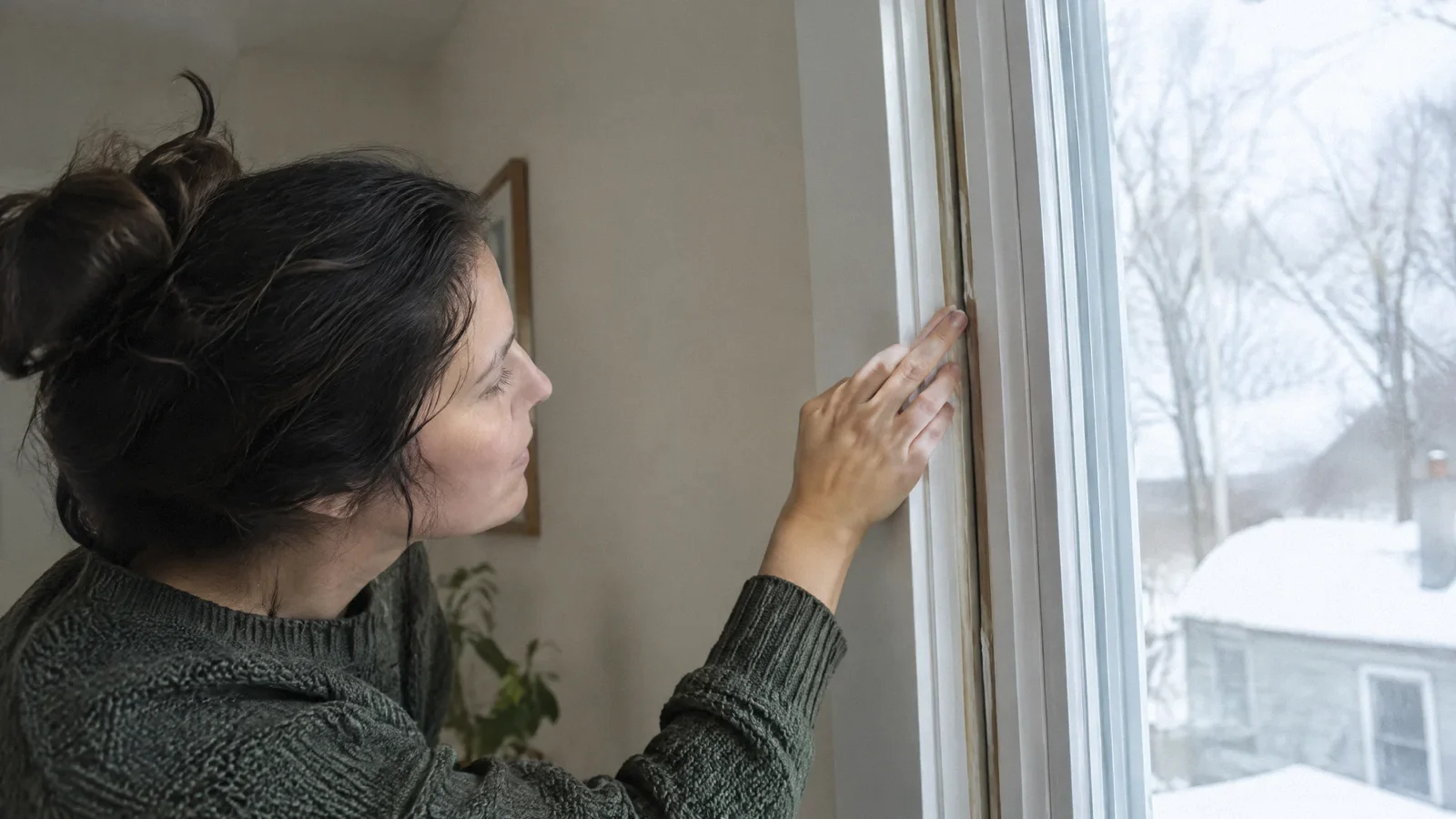
Inspect accessible areas under sinks, around toilets, behind or beside the washing machine and near the water heater for dampness, corrosion, stains or a musty odor. Check appliance supply hoses for visible damage and arrange a plumber or appropriate service if you find a problem. EPA’s home-maintenance guidance recommends investigating toilet and other water-system problems rather than ignoring them.
Look at ceilings and walls for new stains, especially beneath bathrooms and near roof penetrations. A dry stain may be old or may indicate an intermittent leak; its appearance alone does not establish the cause. Do not open walls or approach wet electrical equipment to investigate. Record what you observe and arrange an assessment.
Know the shutoff and the system it serves
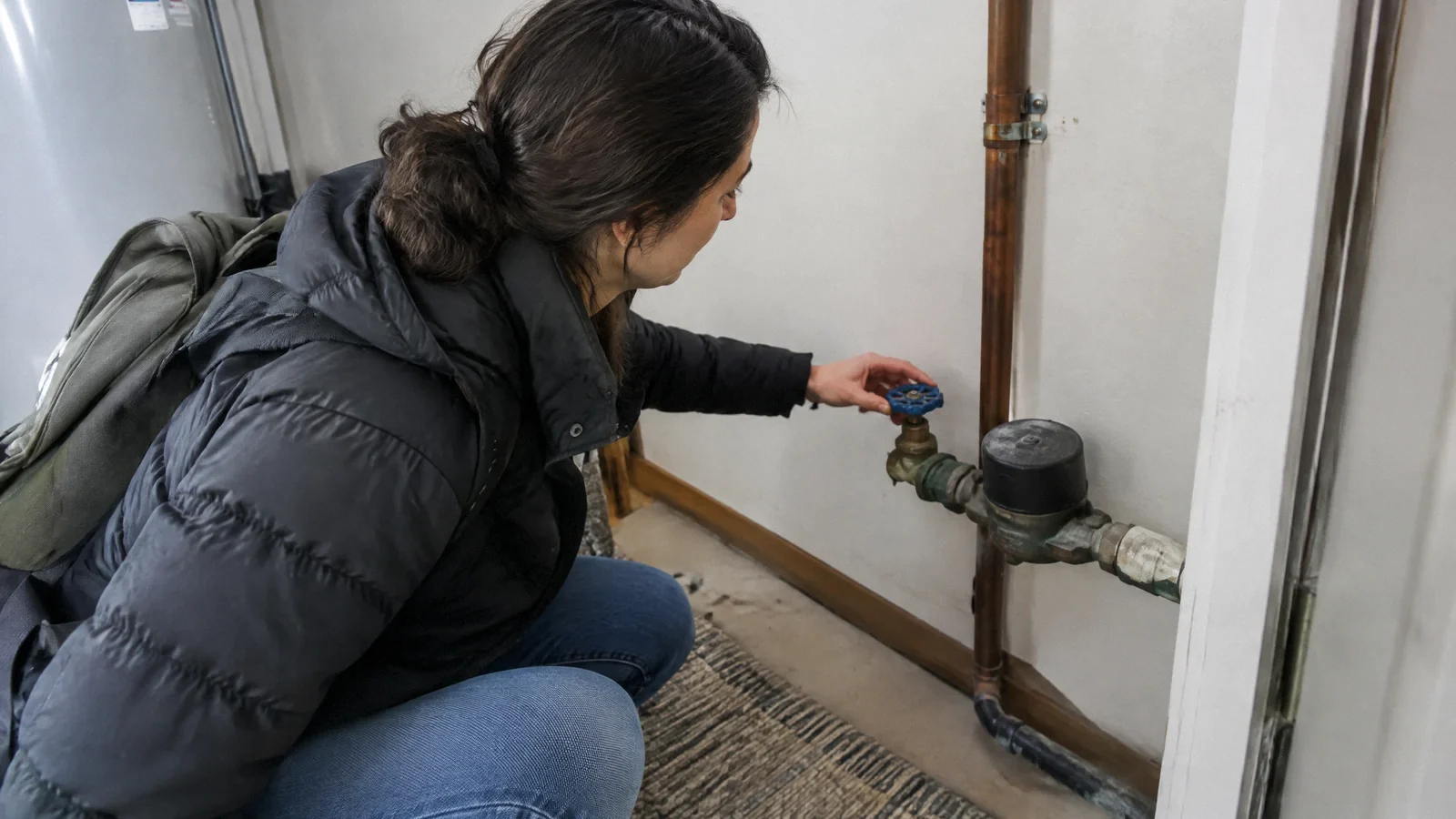
Locate the main water shutoff and any accessible fixture valves. Make sure the person responsible for the home knows where they are and whom to contact if a valve is stuck or leaking. Do not force a corroded valve. In a shared building, confirm with management which valves residents are permitted to operate and how to report an emergency.
For some trips, shutting off the supply may reduce the volume of water that could escape from a failed line. It is not appropriate to assume this works for every building: fire protection, heating equipment, irrigation and other systems may depend on water. Ask a qualified professional or building manager about the specific system, and follow appliance instructions before changing settings.
Cold weather requires a separate plan
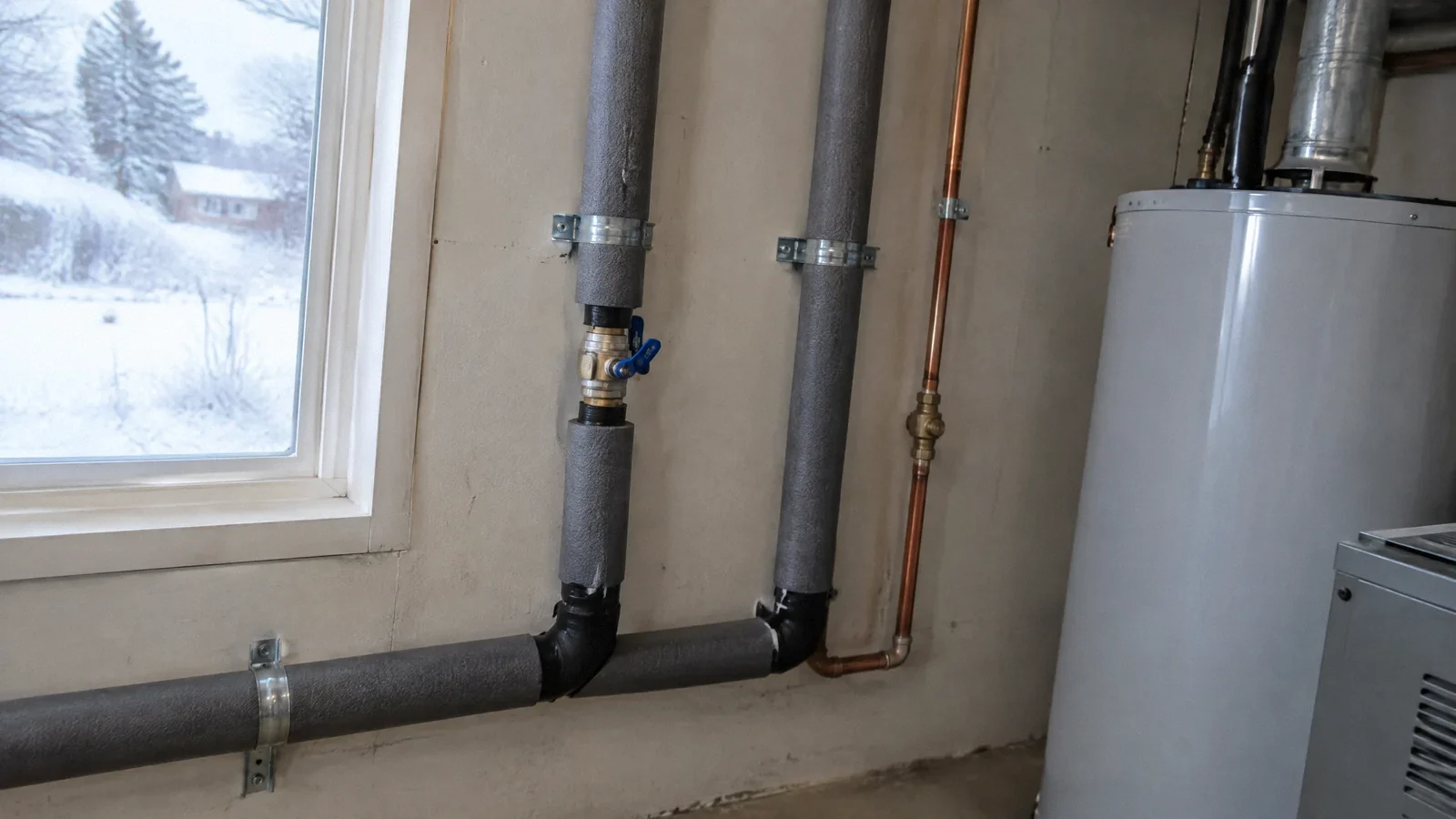
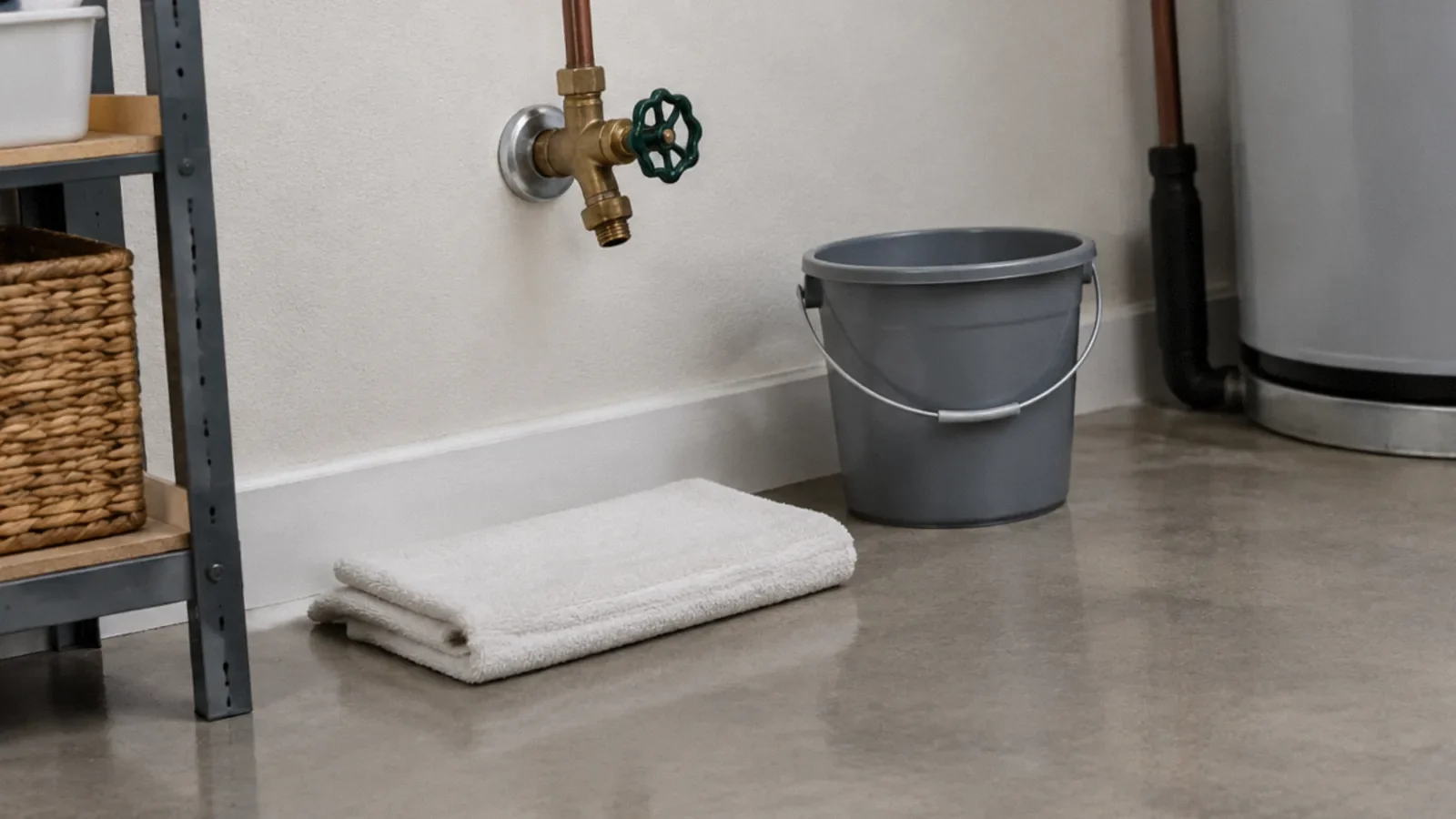
In freezing conditions, keep sufficient heat for the home and vulnerable pipes, including during an absence. Insulation slows heat loss but does not generate heat during a long power outage. Disconnect outdoor hoses and follow the applicable instructions for outdoor faucets or irrigation. A plumber can advise on exposed or inaccessible pipes and a longer absence.
CDC recommends preparing the home for winter storms and protecting exposed water lines. Do not assume that turning off the water alone removes all water from a plumbing system or eliminates freeze risk. The winter plumbing guide covers additional pipe preparation and the response to frozen lines.
Arrange a reliable home check
Ask a trusted person to check the home at an agreed frequency, especially in cold weather or where a known risk exists. Provide a way to enter, the locations of relevant shutoffs, your contact information and numbers for the building manager, plumber and utility. Explain what to do if water is found, including avoiding electrical hazards and contacting emergency services when needed.
A leak detector or flow monitor can provide another signal, and some systems can close a valve automatically. EPA notes that devices vary in technology and maintenance requirements. Test notifications, power and connectivity before leaving, and do not rely on a sensor as the only plan: an alert is useful only if someone can respond.
Prepare for guests and heavier use
Before guests arrive, fix slow drains and running toilets and check that supply hoses and visible connections are sound. Make sure people know where to report a leak or an overflowing fixture. Keep the area around sinks and appliances accessible so that a problem is easier to notice and the responsible person can reach the appropriate valve safely.
Extra cooking and laundry can expose problems that ordinary use has not revealed. Run appliances only according to their instructions and avoid leaving a known malfunction unresolved. If a drain backs up repeatedly, contact a qualified plumber rather than using increasingly aggressive treatments that may damage plumbing or create a chemical hazard.
If you return to water damage
Do not enter an area where standing water may contact energized equipment, a ceiling is sagging or the structure appears unsafe. Contact the utility, emergency services or a qualified professional as appropriate. Stop the source only if the correct valve can be reached safely. Do not touch wet electrical devices or use them until a qualified person has assessed them.
When it is safe, document the affected areas and contact the property manager or insurer promptly. The California Department of Insurance advises policyholders to report damage and check their actual coverage; rules and policy language differ by jurisdiction. Ask about documentation, emergency mitigation and any required approvals.
Drying and follow-up
Stopping the water is the first step. Water can remain inside flooring, walls or insulation after the surface appears dry. Arrange an assessment suited to the amount and source of water, and ask how affected materials will be dried or removed. Contaminated water and concealed electrical hazards require particular care.
Keep records of the date, source if known, photographs, communications and expenses. Recheck the repaired area before closing or repainting finishes. After the trip or gathering, update your checklist based on what was difficult to access or who was unavailable to respond.
Your next-step checklist
- Repair known leaks and slow drains before travel or guests.
- Find the relevant shutoff and confirm who may operate it.
- Maintain appropriate heat and prepare vulnerable pipes.
- Give a trusted person access and emergency contacts.
- Test any leak alerts and plan a response.
Related questions
Should I turn off my water before vacation?
It can reduce water from some plumbing failures, but the decision depends on systems that need water. Ask a qualified professional or building manager about your specific home.
Can a leak sensor replace a home check?
No single sensor detects every problem, and an alert requires someone able to respond. Test the device and arrange a response plan.
Will insurance cover a leak while I am away?
Coverage depends on the cause, policy terms, exclusions and jurisdiction. Review your actual policy and ask your insurer.
What if water is near an electrical outlet?
Stay out of the affected area and contact the utility or a qualified electrician. Do not touch wet equipment.
Sources & context
Public guidance supports the principles in this article. The practical questions and examples are editorial interpretation, not a site assessment or a coverage decision. State-specific rules apply only where identified.
- EPA: Home Maintenancefederal water efficiency guidance
- EPA: Leak Detection and Flow Monitoring Devicesfederal water efficiency guidance
- CDC: Preparing for a Winter Stormfederal public health guidance
- California Department of Insurance: Residential Property ClaimsCalifornia insurance guidance