Before cold weather, address roof leaks and drainage, reduce drafts while maintaining ventilation, service heating equipment, protect vulnerable plumbing and prepare for outages. Prioritize repairs and professional inspections according to your home and local climate.
Start with the whole building
Winterproofing means preparing the building and household for the cold, moisture, wind and outages that can accompany winter. The right priorities depend on local climate, the home’s condition and whether you own or rent. Start early enough to schedule qualified help and correct known leaks before freezing weather arrives.
Walk through accessible areas and make a list of unresolved problems: stains, drafts, damaged weatherstripping, blocked drainage, heating concerns and vulnerable pipes. Do not enter unsafe attics, climb onto a roof or disturb damaged electrical equipment to complete the list. Notify the owner or property manager when responsibility is shared.
Roof, drainage and trees
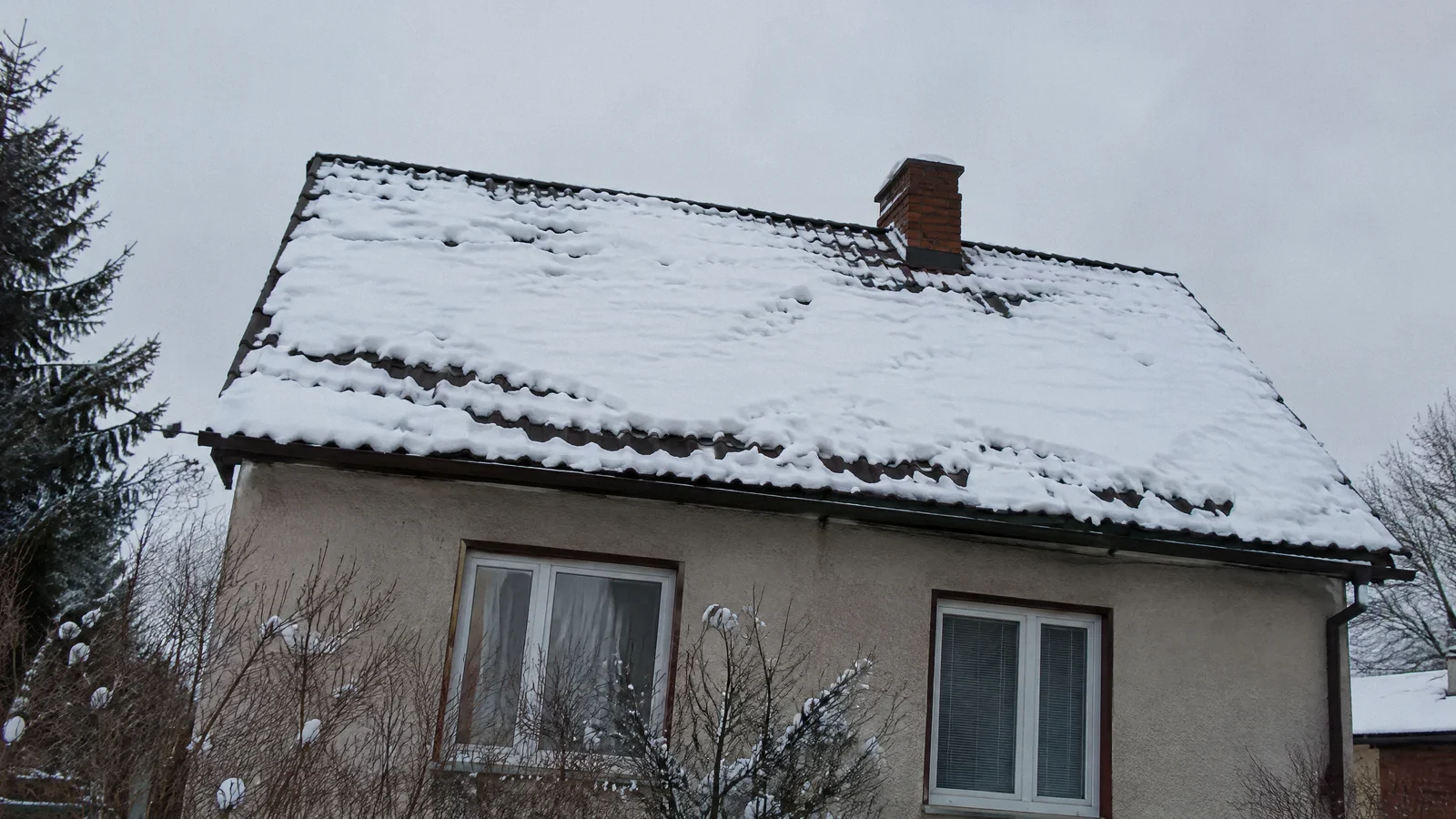
A roof leak can wet insulation and finishes long before a winter storm reveals the full extent of damage. Arrange inspection and repair of known leaks and damaged flashing. From a safe location, look for obvious damage and note where water enters; the visible stain may not be directly beneath the opening. A qualified roofer can assess the roof and recommend repairs.
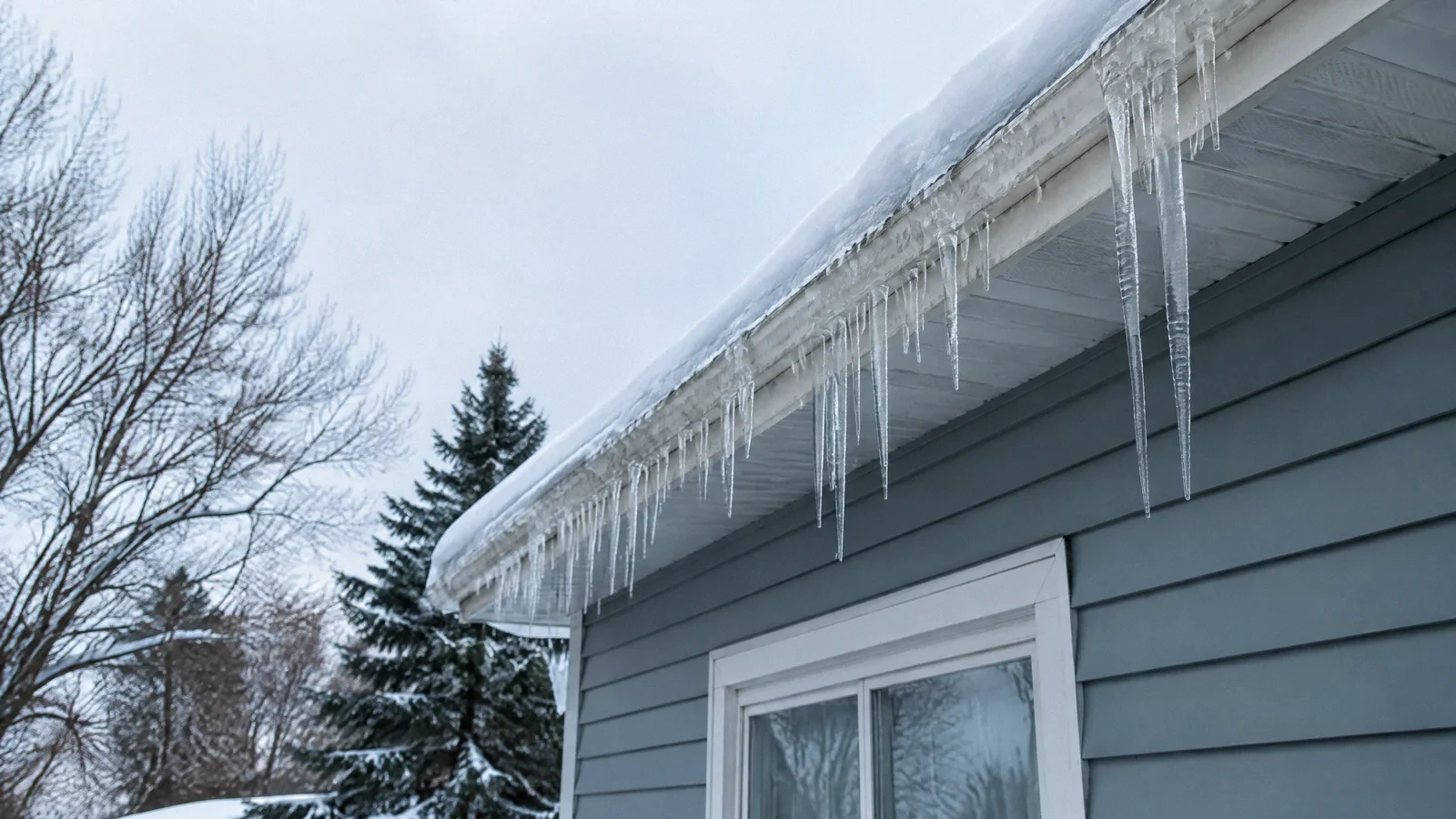
Gutters, downspouts and other drainage should direct water away from the building. Have inaccessible or hazardous blockages addressed safely, and consider qualified tree work for branches that could fall on the house. Avoid ladder and roof work in wet, icy or windy conditions. If heavy snow causes structural warning signs such as new sagging or cracking noises, leave and seek immediate professional assessment.
Seal drafts without blocking ventilation
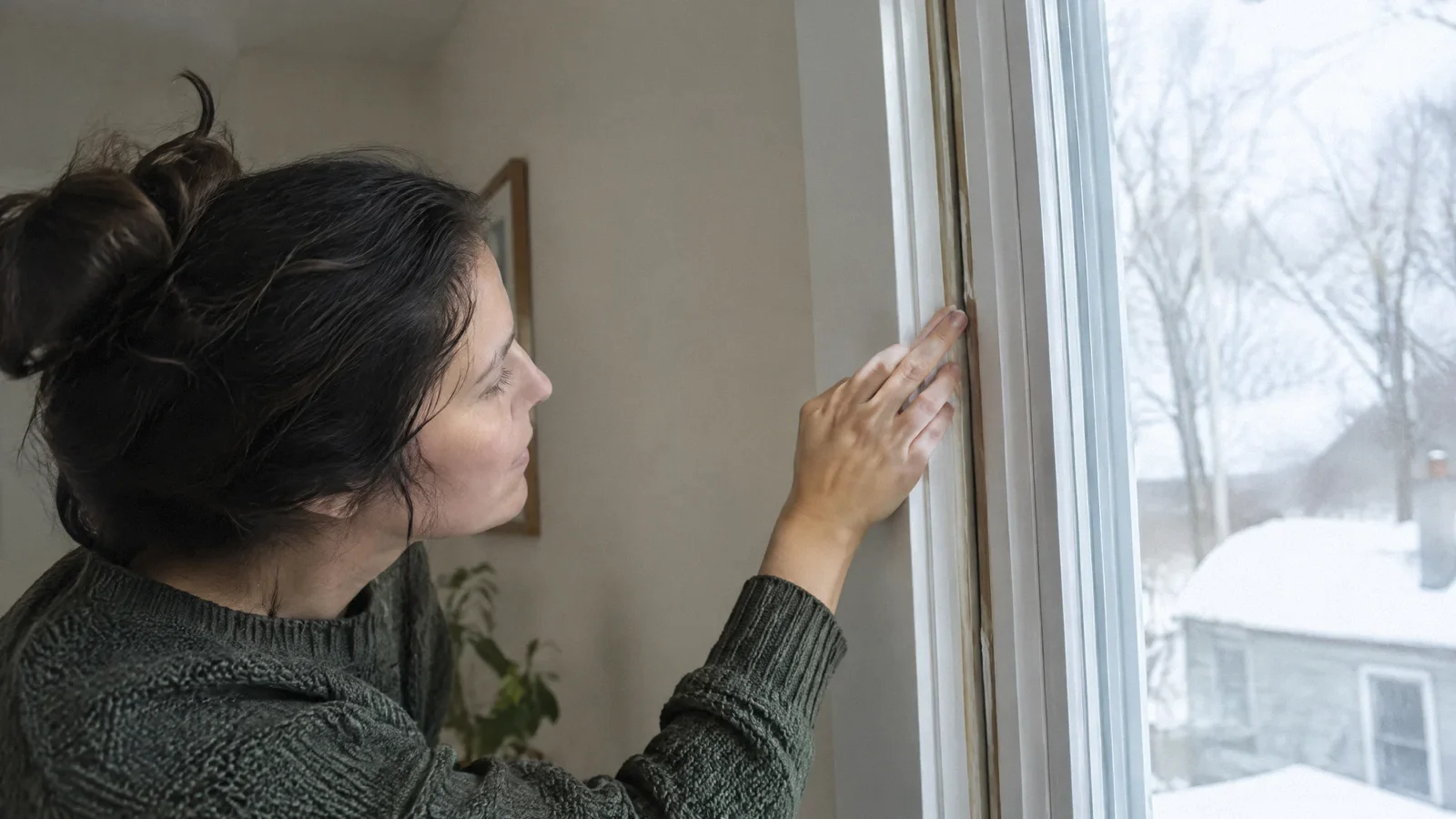
Caulk and weatherstrip appropriate gaps around doors and windows to reduce uncontrolled drafts. The Department of Energy explains that air sealing and ventilation must be considered together: a home still needs adequate fresh air and safe operation of combustion appliances. Do not seal appliance vents, combustion-air openings or required ventilation pathways.
A home-performance professional can evaluate larger air leaks, insulation and ventilation together, especially where moisture or combustion safety is a concern. Window condensation, musty odors or persistent dampness deserve investigation rather than simply sealing every opening. Follow product instructions and use appropriate materials for each surface.
Insulation and attic moisture
Insulation slows heat transfer, but it does not make a building immune to cold or create heat during an outage. Check accessible areas for obvious gaps, damp material or signs of roof leakage. A professional can assess whether the attic or wall assembly needs improvement and whether moisture must be addressed before insulation is added.
Air leakage from the living space can carry warm, moist air into a cold attic. Depending on the roof design, air sealing, insulation and appropriate ventilation can help reduce moisture problems and uneven roof warming. Do not block existing attic ventilation with insulation without a design assessment. Ice-dam prevention has its own guide because roof configuration and climate affect the solution.
Heating and carbon monoxide safety
Have the heating system serviced by a qualified technician and arrange an annual chimney or flue inspection if you use a fireplace or wood stove. Check smoke and carbon monoxide alarms according to the manufacturer’s instructions and applicable local requirements. Replace devices when their service life ends. Keep fuel-burning appliances properly vented.
Plan safe alternatives before an outage. Never use a gas oven or range to heat the home. Generators belong outdoors, away from doors, windows and vents, following current safety and manufacturer guidance. Carbon monoxide has no smell; if an alarm sounds or poisoning is suspected, leave for fresh air and call emergency services.
Protect plumbing before freezing
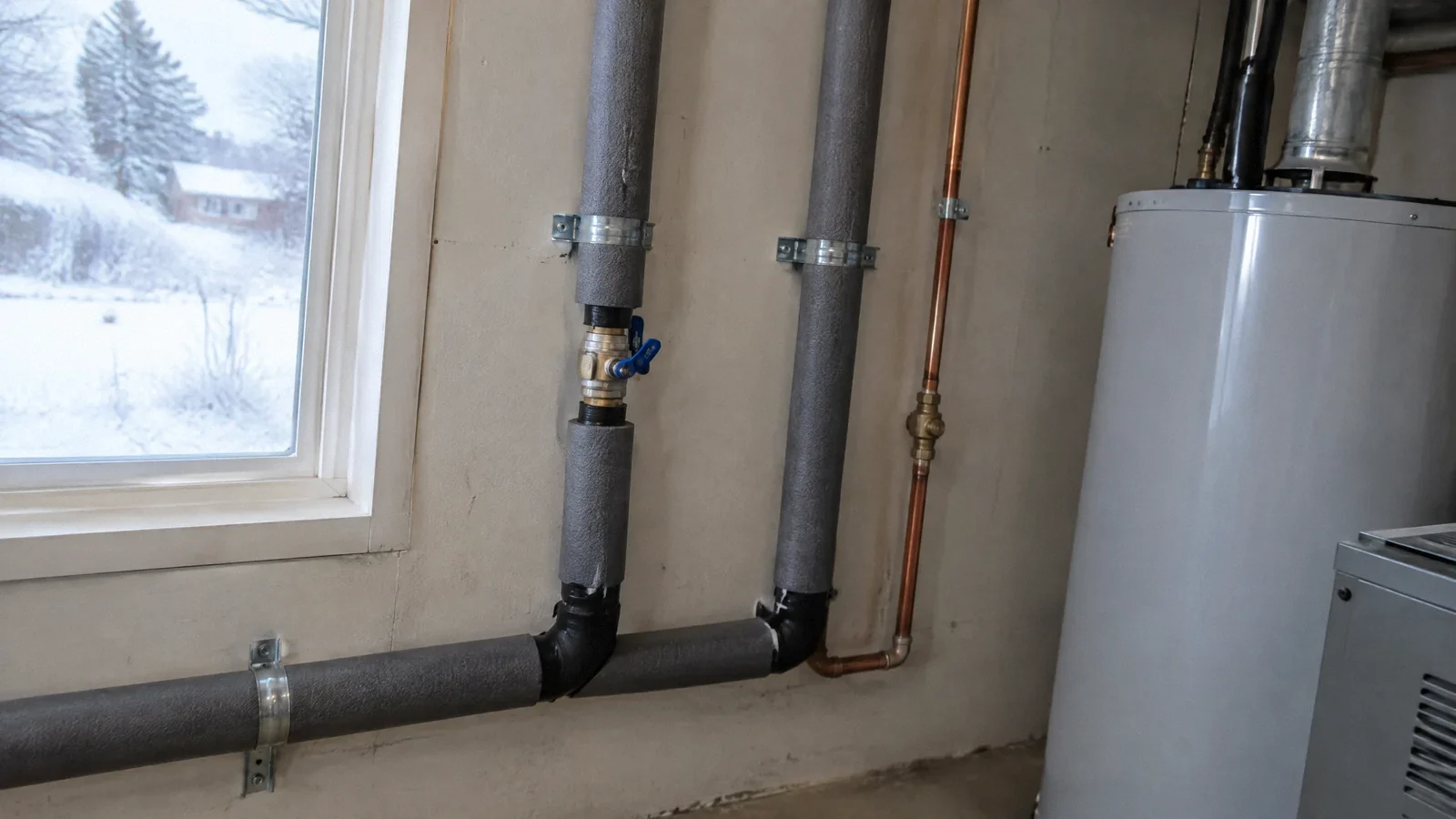
Identify vulnerable water lines in unheated spaces and exterior walls, and know where the main shutoff is located. Disconnect outdoor hoses and follow the system manufacturer’s instructions for outdoor faucets and irrigation. Insulation can slow heat loss but cannot prevent freezing indefinitely without heat. Ask a plumber about inaccessible or particularly exposed lines.
During severe cold, follow local utility and public-health guidance for your system. If a pipe freezes, never use an open flame to thaw it; if it breaks, close the appropriate valve when safe and call a plumber. The separate winter plumbing guide covers pipes, shutoffs and response in more detail.
Prepare for a power outage
Winter storms can interrupt electricity, heat and communications. Keep flashlights, batteries, charged devices, water, food that does not require cooking and needed medication available. Plan for household members who rely on electrically powered medical equipment, and know how to contact the utility and local emergency management.
Choose a warm place to go if the home becomes unsafe during an extended outage. Check on neighbors who may need assistance when it is safe. Keep clear of downed power lines and report them to the utility or emergency services. Follow generator and carbon monoxide precautions even when power loss is brief.
Make a seasonal schedule
Before winter, schedule professional roof, heating or tree work and address known leaks. Before a forecast storm, review alerts, charge devices and move needed supplies where they can be reached without entering hazardous areas. Avoid leaving essential tasks until snow or ice makes travel and outdoor work unsafe.
After the storm, inspect accessible indoor areas for leaks and monitor local guidance. Do not climb onto a snowy roof or approach damaged lines. Document damage from a safe location and arrange appropriate assessment. Revisit your checklist each year because household needs, equipment and the condition of the building change.
Your next-step checklist
- Repair known roof leaks and assess drainage.
- Weatherstrip drafts while preserving required ventilation.
- Service heating equipment and test alarms.
- Protect vulnerable pipes and locate the shutoff.
- Prepare supplies and a safe outage plan.
Related questions
When should I winterproof my home?
Begin before cold weather so there is time to inspect the home and schedule needed repairs or professional service.
Is insulating pipes enough to prevent freezing?
Insulation slows heat loss but does not create heat. Vulnerable pipes can still freeze during prolonged cold or a power outage.
Should I close every vent to keep heat in?
No. Required ventilation and combustion-air openings must remain functional. Consider air sealing and ventilation together with qualified help.
What should I do if snow makes my roof sag?
Leave the building promptly and contact the local building authority or a qualified structural professional. Do not climb onto the roof.
Sources & context
Public guidance supports the principles in this article. The practical questions and examples are editorial interpretation, not a site assessment or a coverage decision. State-specific rules apply only where identified.
- CDC: Preparing for a Winter Stormfederal public health guidance
- Department of Energy: Consumer Guide to Air Sealingfederal building guidance
- CDC: Winter Storm Safetyfederal public health guidance