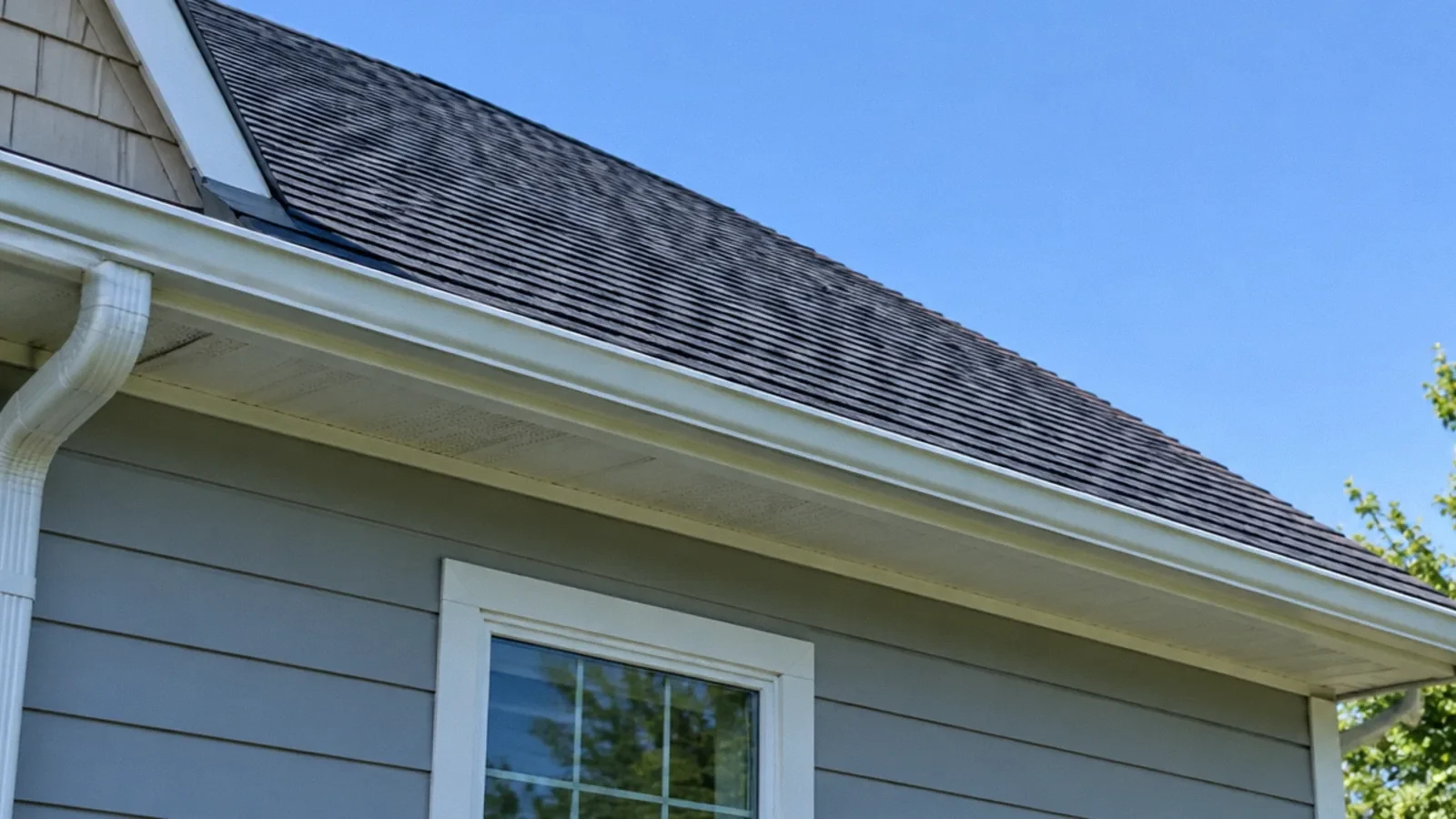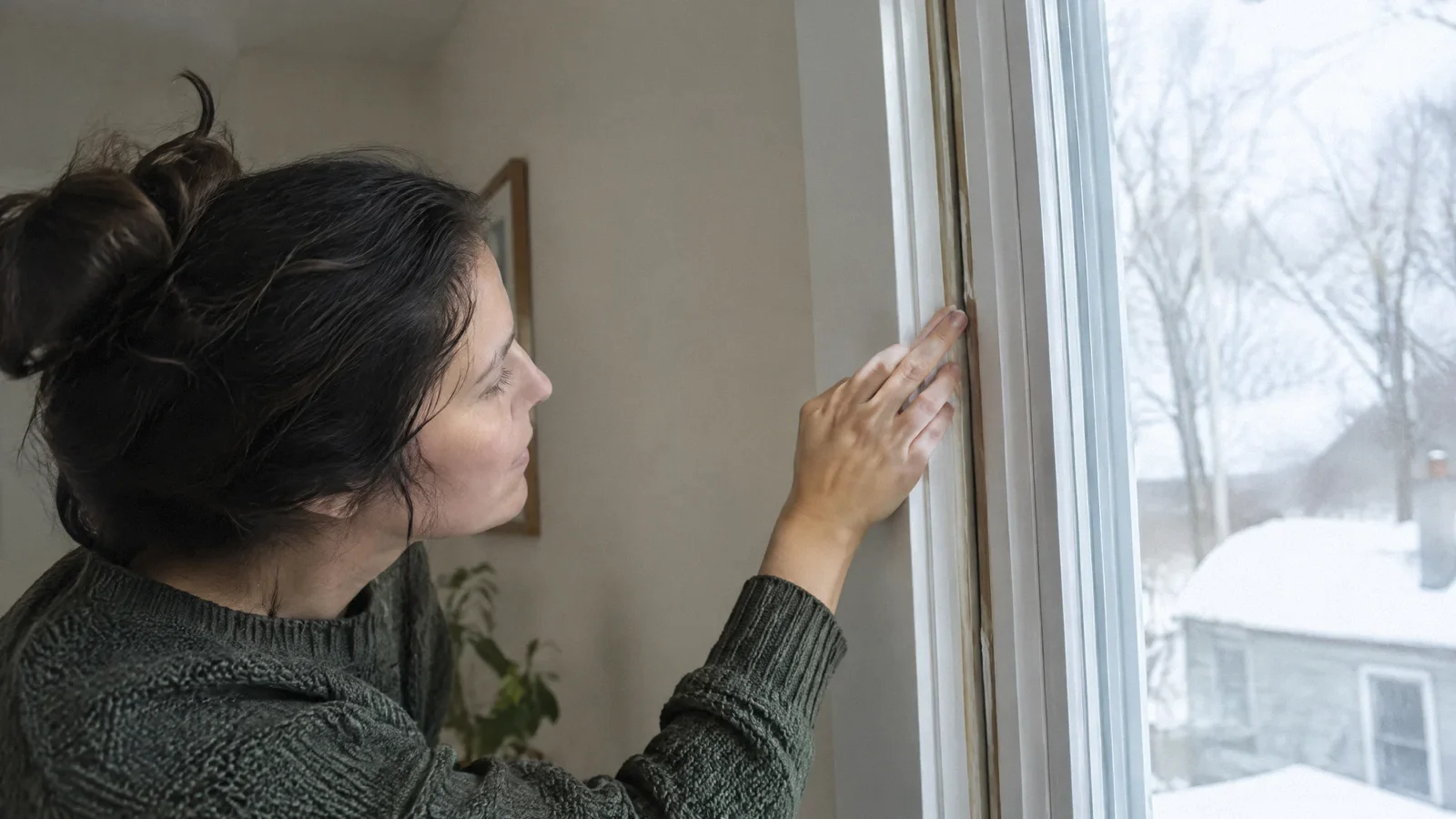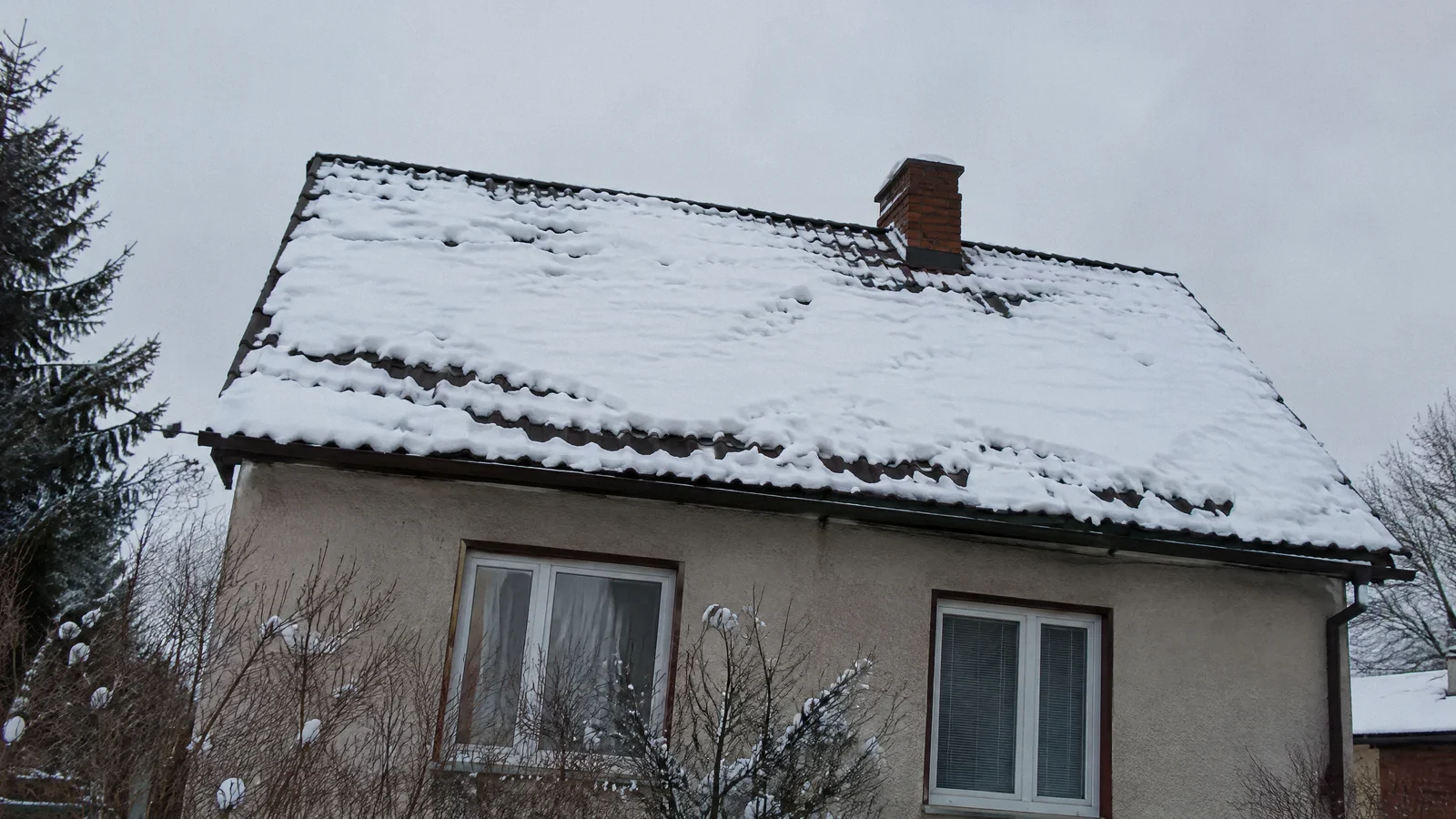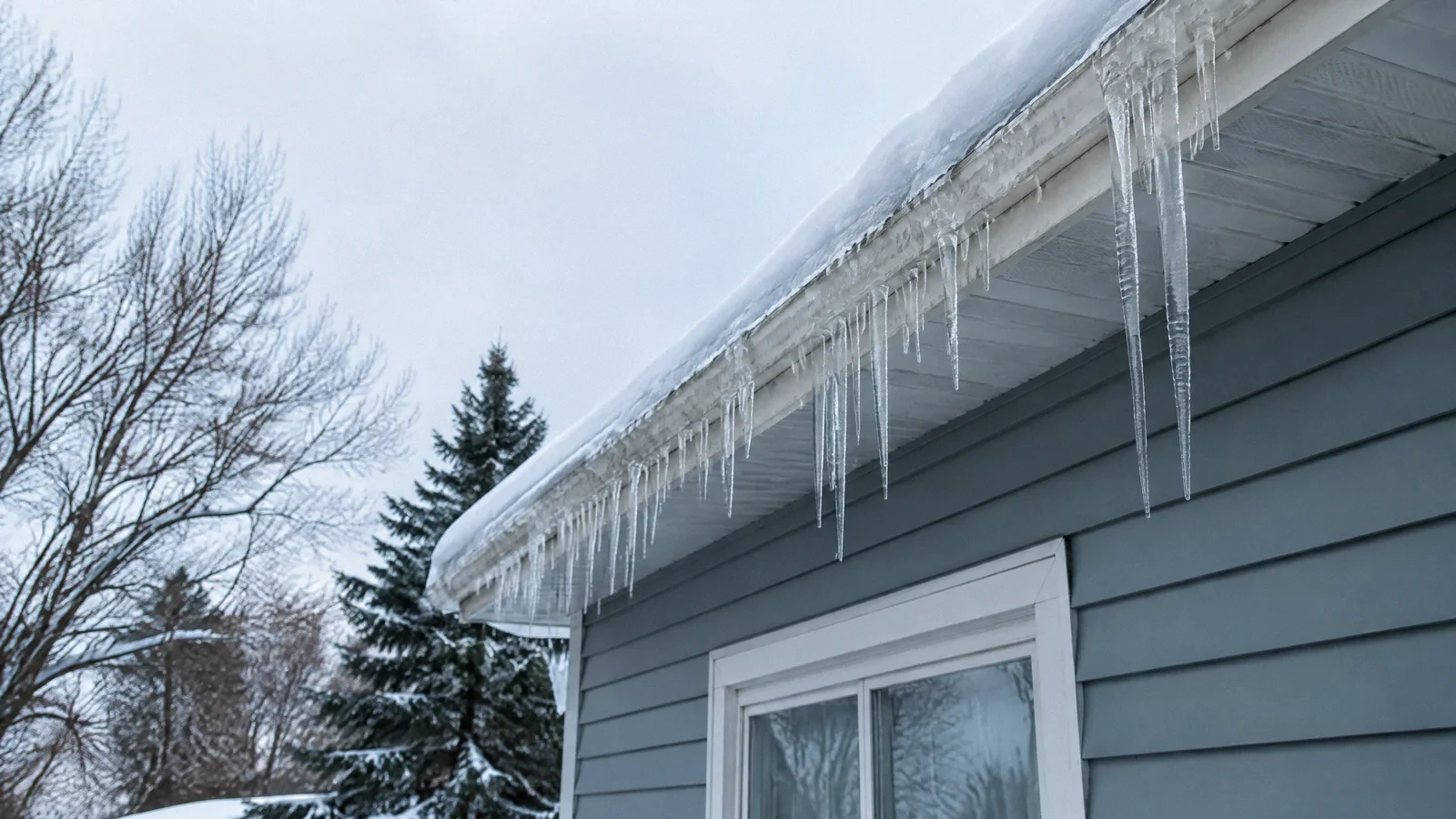
Ice dams form when snow melts on a warmer roof and refreezes near a colder edge. Air sealing, appropriate insulation and ventilation can reduce uneven warming; a roof membrane can limit leakage but does not prevent the dam itself.
How an ice dam forms
An ice dam is a ridge of ice that forms near a roof edge when meltwater refreezes. The National Weather Service explains that snow can melt over a warmer portion of the roof, flow toward the colder eave and freeze. Repeated melting and freezing can build the ridge and hold water behind it. Wind, sunlight, roof shape and changing weather also influence the pattern.
Water backed up behind ice can move under roof coverings and enter the roof assembly or living space. Icicles are a visible clue that melting and refreezing have occurred, but their presence alone does not establish an active leak or reveal the condition of hidden materials. An inspection should consider the entire roof and interior.
Reduce heat reaching the roof
A common prevention goal is to limit unintended heat transfer from occupied rooms into the roof assembly. Air leaks around attic openings, penetrations and other discontinuities can carry warm air upward. The Department of Energy describes air sealing and adequate insulation as part of reducing heat transfer and snowmelt that contributes to ice dams.
The correct approach depends on whether the attic or roof assembly is vented or unvented and how the building was constructed. A qualified home-performance or roofing professional can identify air leaks, insulation gaps and moisture problems together. Do not block required appliance vents or combustion air in an attempt to make the house airtight.
Ventilation and insulation work as a system
For an appropriately designed vented attic, ventilation can help maintain suitable conditions when combined with air sealing and insulation. It is not a substitute for correcting major heat leaks. Adding vents without considering the roof design, existing moisture and airflow may fail to address the source of warm air reaching the roof.
Wet insulation or a roof leak should be investigated before adding more insulation. Avoid entering an unsafe attic or disturbing suspect materials. A professional can assess whether the assembly is working as intended and recommend a solution suited to the climate, structure and applicable local requirements.
A membrane helps manage leakage, not formation
A self-adhered ice-and-water protection membrane is an underlayment installed beneath the roof covering in specified areas. Its purpose is to provide an additional barrier against water intrusion when water backs up; it does not stop snow from melting or prevent an ice ridge from forming. Its effectiveness depends on the complete assembly, detailing and installation.
Requirements for ice-barrier placement depend on the adopted local building code, roof design and manufacturer instructions. Ask a qualified roofer which requirements apply and how eaves, valleys, penetrations and transitions will be handled. A membrane is usually considered during reroofing or a targeted repair; it is not a substitute for diagnosing heat loss or drainage problems.
Roof geometry and other heat sources
Complex roofs can collect snow in valleys or at transitions. Heat from a poorly insulated duct, recessed fixture, attic access or other penetration can warm a localized roof area. A professional should investigate the actual assembly rather than assuming every ice dam has the same cause. Sun exposure and outside temperature can also create meltwater even when indoor heat loss has been reduced.
Gutters filled with ice do not by themselves explain the whole problem. Keep drainage maintained when conditions allow safe access, but do not expect a clean gutter alone to prevent an ice dam. Avoid breaking ice from gutters or roof edges, which can damage the assembly and expose people below to falling material.
Safe response to an active ice dam
Stay clear of falling snow and ice, and keep others away from the area below the roof edge. Do not climb onto an icy roof or use a ladder beside an ice-laden eave. Contact a qualified roofer or ice-removal professional who can assess safe access and the condition of the roof. Avoid chipping at ice or applying a chemical without knowing its effect on the roof and surrounding materials.
If water is entering, keep away from wet electrical fixtures and sagging ceilings. Move belongings or place a container under an accessible drip only when safe. Record the location and weather conditions from inside or the ground, and notify the building manager or insurer as applicable. The goal is to limit immediate harm while arranging an assessment.
Assess damage and plan a permanent repair
Water may travel along framing or roofing layers before it appears as a stain, so a ceiling mark does not establish the exact entry point. Ask the roofer to inspect flashing, roof coverings, underlayment and relevant transitions as well as the ice-dam conditions. The related roof-leak guide explains how to document the water path safely.
Interior materials may remain wet after the visible leak stops. Ask whether insulation, ceiling material and concealed spaces need inspection or drying before finishes are restored. Keep photographs and repair records and distinguish temporary measures from the longer-term work proposed to address the cause.
Prepare before the next cold season
Before winter, arrange repairs for known leaks and review insulation, air leakage and ventilation with qualified help. Identify areas where previous dams or leaks appeared, and share the history with the roofer. If reroofing is planned, discuss the applicable ice-barrier requirements and how the roof will shed water at edges and penetrations.
Watch weather forecasts and make an outage and emergency plan. Prevention reduces risk but cannot promise that ice will never form: unusual snow, wind and temperature conditions still matter. Follow up after winter to evaluate whether the repairs addressed the observed problem.
Your next-step checklist
- Record recurring ice and leak locations from a safe place.
- Assess air leakage, insulation and ventilation as a system.
- Discuss applicable ice-barrier requirements with a roofer.
- Stay away from falling ice and do not climb onto an icy roof.
- Inspect and dry affected interior materials before refinishing.
Related questions
What causes an ice dam?
Snow melts on a warmer part of the roof and the water refreezes at a colder edge, forming a ridge that can hold water behind it.
Does ice-and-water membrane prevent ice dams?
No. It is a secondary barrier against water intrusion; it does not prevent the melt-and-refreeze process that forms a dam.
Will cleaning gutters prevent every ice dam?
No. Drainage maintenance helps, but roof temperature, snow, weather and roof geometry also matter.
Should I chip ice off the roof?
Do not climb onto an icy roof or stand beneath falling ice. Contact a qualified professional for a site-specific safety assessment.
Sources & context
Public guidance supports the principles in this article. The practical questions and examples are editorial interpretation, not a site assessment or a coverage decision. State-specific rules apply only where identified.
- National Weather Service: Preventing Roof Ice Damsfederal weather guidance
- Department of Energy: Eaves Sealed in Cold Climatesfederal building guidance
- FEMA: Snow Load Safety Guidancefederal building safety guidance