Common kitchen hazards include unattended cooking, hot liquids, sharp tools, wet floors, contaminated food and improperly stored cleaners. Reduce risk with clear work areas, careful supervision and a practiced response for a fire or injury.
Start with a quick kitchen check
A busy kitchen combines heat, water, electricity, sharp tools, food and household chemicals in a small space. Look for clutter near burners, spills on the floor, damaged appliance cords and cleaners within children’s reach. Fix the issue rather than treating a checklist as a substitute for supervision.
Consider who uses the room, including children, older adults, pets and visitors. Move frequently used items within easy reach, keep exits clear and choose practical changes that fit the household and kitchen layout.
Prevent cooking fires
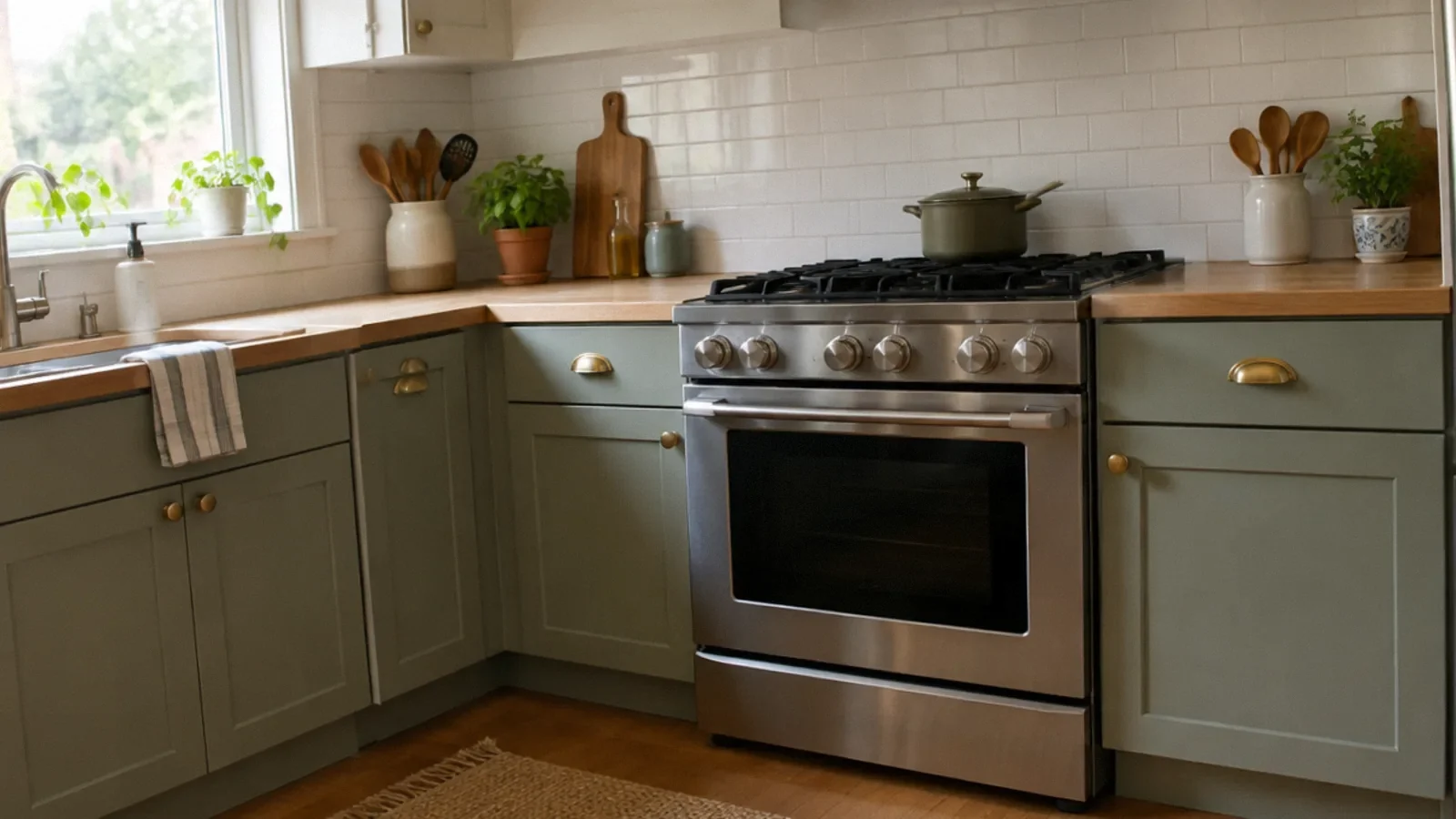
The U.S. Fire Administration advises staying by the pan and turning the burner off if you leave the kitchen. Keep towels, packaging and other combustible materials away from the stovetop. Watch the heat and use appliance instructions for safe operation.
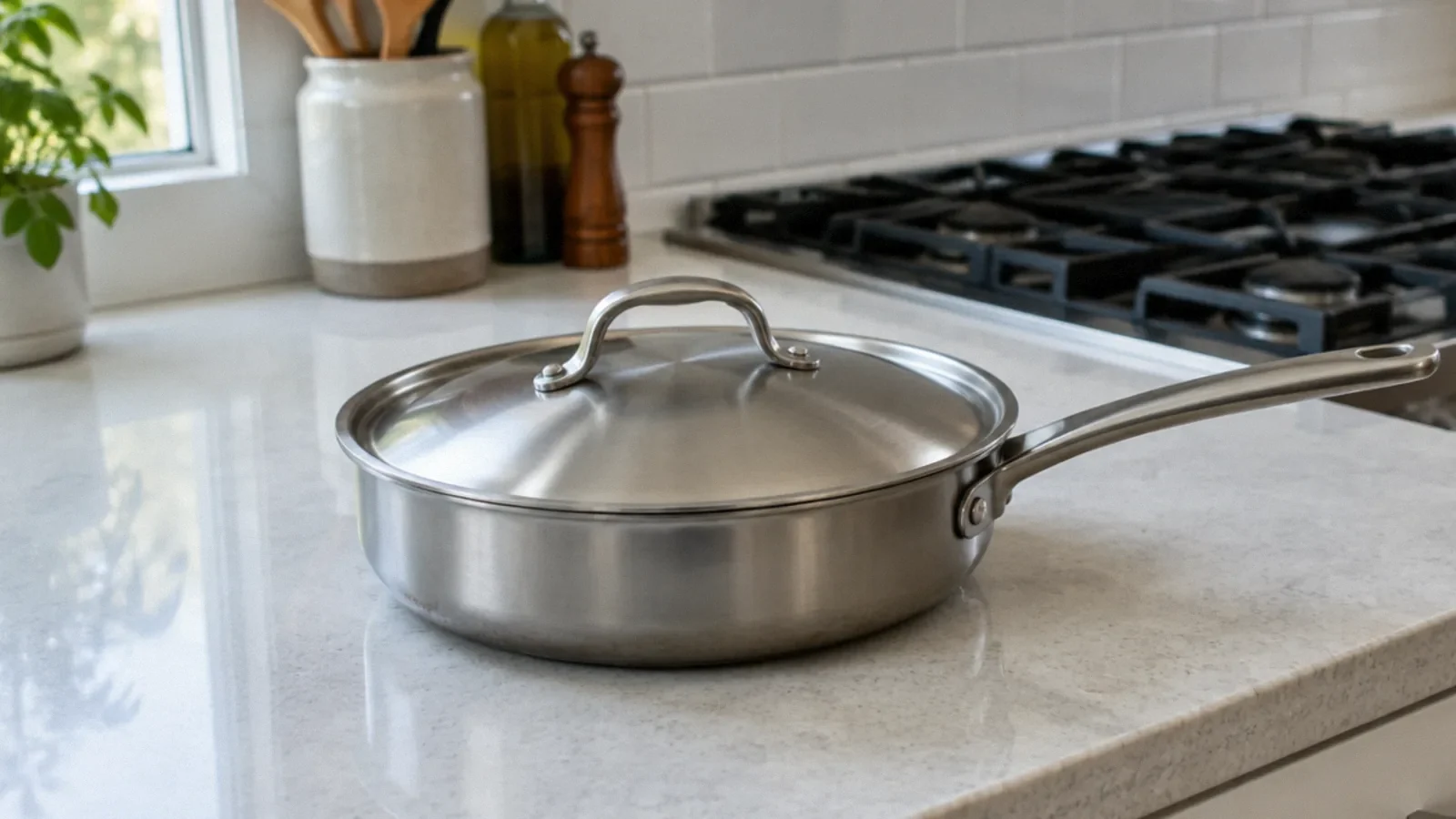
Keep a matching lid or baking sheet nearby. For a small pan fire, cover it only if you can do so safely, turn off the heat if possible and leave the lid in place. Never pour water on a grease fire. If the fire is growing or you are unsure, leave, close the door behind you and call 911 from outside.
Reduce burns and scalds
Turn pot handles away from the edge so they cannot easily be bumped or pulled down. Use dry oven mitts, open hot lids away from your face and place hot dishes on a stable heat-resistant surface. Do not carry a hot drink while holding a child.
Create a child-free area around the stove and supervise children appropriately. If a burn occurs, follow first-aid guidance from the U.S. Fire Administration and seek urgent help for serious burns or trouble breathing. Do not apply ice or home remedies to a serious burn.
Handle knives and broken glass
Use a stable cutting board and a suitable knife, and cut away from your fingers. Store sharp tools securely rather than leaving them in a sink full of water where another person cannot see them. Do not try to catch a falling knife.
If glass breaks, keep people and pets away. Pick up larger pieces with appropriate protection and collect small fragments using a suitable tool; do not press bare hands into broken glass. Discard contaminated food and follow local rules for safely packaging sharp waste.
Prevent slips, trips and falls
Wipe spills promptly and let the surface dry before normal use. Keep walkways clear of cords, bags and loose objects. Choose floor coverings suitable for the room and ensure they do not shift or curl at the edges.
Use a stable step stool rather than climbing on a chair or countertop. Place commonly used heavy items at a height you can reach without overextending. Repair a recurring leak rather than repeatedly wiping up the same water.
Keep food safe
CDC recommends four basic food-safety steps: clean, separate, cook and chill. Wash hands and food-contact surfaces, keep raw meat and seafood separate from ready-to-eat foods, and use a food thermometer where appropriate. Follow current guidance for safe temperatures.
Refrigerate perishable food promptly and follow recall instructions. Cleaning a countertop and disinfecting it are different tasks; use products only as labeled for the surface and follow any required rinse instructions for food-contact areas.
Use appliances and chemicals safely
Follow appliance instructions, keep electrical devices away from water and discontinue use of damaged cords or equipment. If an outlet or appliance sparks, overheats or smells like burning, stop using it and arrange appropriate qualified help. Do not operate a damaged device to test whether it still works.
Store cleaners in original labeled containers away from food and where children cannot reach them. Never mix cleaning products: bleach with ammonia or an acid can release dangerous gases. For an exposure contact Poison Control at 1-800-222-1222; call 911 for severe symptoms.
Prepare the household
Maintain smoke alarms as directed, keep an escape route clear and practice where to meet outside. A fire extinguisher is useful only when it is appropriate, accessible and the user knows how to operate it without blocking an exit. Leaving is the right choice when conditions are uncertain.
Keep emergency numbers available and teach children not to handle hot appliances or chemicals. Review the layout after renovations or when someone’s mobility changes. Small regular adjustments help prevent injuries without requiring an elaborate kitchen remodel.
Your next-step checklist
- Stay with active cooking and keep combustibles away.
- Turn pan handles inward and supervise children.
- Clean spills and keep walkways clear.
- Separate raw foods and store chemicals securely.
Related questions
What is a common cause of kitchen fires?
Unattended cooking is a major contributor. Stay by the pan and turn off the burner if you leave.
Should I pour water on a grease fire?
No. Water can spread burning grease. Cover a small pan fire only if safe; otherwise leave and call 911.
How can I prevent kitchen slips?
Clean spills promptly, repair recurring leaks and keep walkways and floor coverings secure.
Can I mix bleach with another cleaner?
Do not mix cleaning products. Bleach combined with ammonia or an acid can release dangerous gases.
Sources & context
Public guidance supports the principles in this article. The practical questions and examples are editorial interpretation, not a site assessment or a coverage decision. State-specific rules apply only where identified.
- U.S. Fire Administration: Cooking fire safetyfederal fire safety guidance
- CDC: Preventing food poisoningfederal public health guidance
- Poison Control: Safe cleaning practicespoison center guidance
- U.S. Fire Administration: Burn prevention and first aidfederal fire safety guidance