Map domestic main and zone valves, train authorized responders and document affected tenants and equipment. During a leak isolate a known valve only when safe; fire protection controls require separate authorized handling.
Identify the correct system before an emergency
A commercial building can have a domestic water main, floor or tenant isolation valves, equipment branches and separate fire protection piping. A valve near a leak is not necessarily the correct one. Building management should maintain current plans showing what each authorized valve controls and who may operate it.
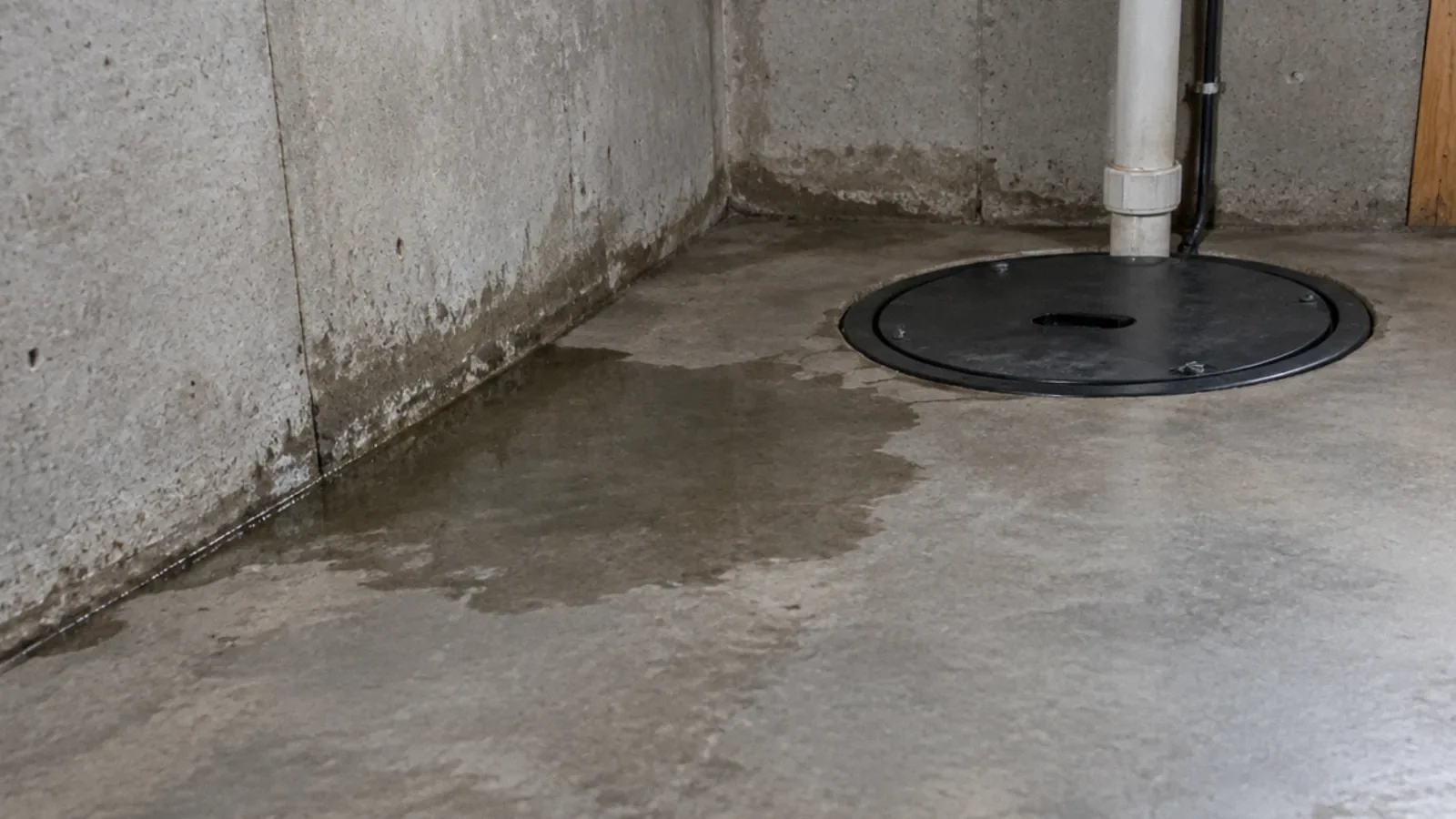
The objective is to stop a confirmed domestic supply leak as close to its source as safely possible while limiting disruption. A sewage backup, roof leak or groundwater entry will not necessarily stop when the domestic supply is closed. The building’s actual plumbing configuration determines the response.
Map valves and responsibilities
Keep a current diagram and written list of main and zone isolation points, access routes, labels, affected tenants and any special tools. CDC’s emergency water planning guide for healthcare facilities calls for facility drawings and valve location information, including special tools in the context of backup water supplies. Other buildings can adapt that planning concept to their own systems.
Assign trained primary and backup responders, including after-hours contacts. Confirm which valves belong to the utility, the property owner or a tenant and who has authority to operate them. A tenant should promptly notify management rather than manipulate an unfamiliar locked or utility-owned valve.
During a leak, protect people first
Water near electrical equipment, outlets, elevators or energized wiring can create an electrical hazard. Keep people away and ask an electrician or utility to isolate power when needed. Do not enter standing water to reach a switch or valve. If a ceiling is sagging or water is spreading rapidly, restrict access and contact emergency responders as appropriate.
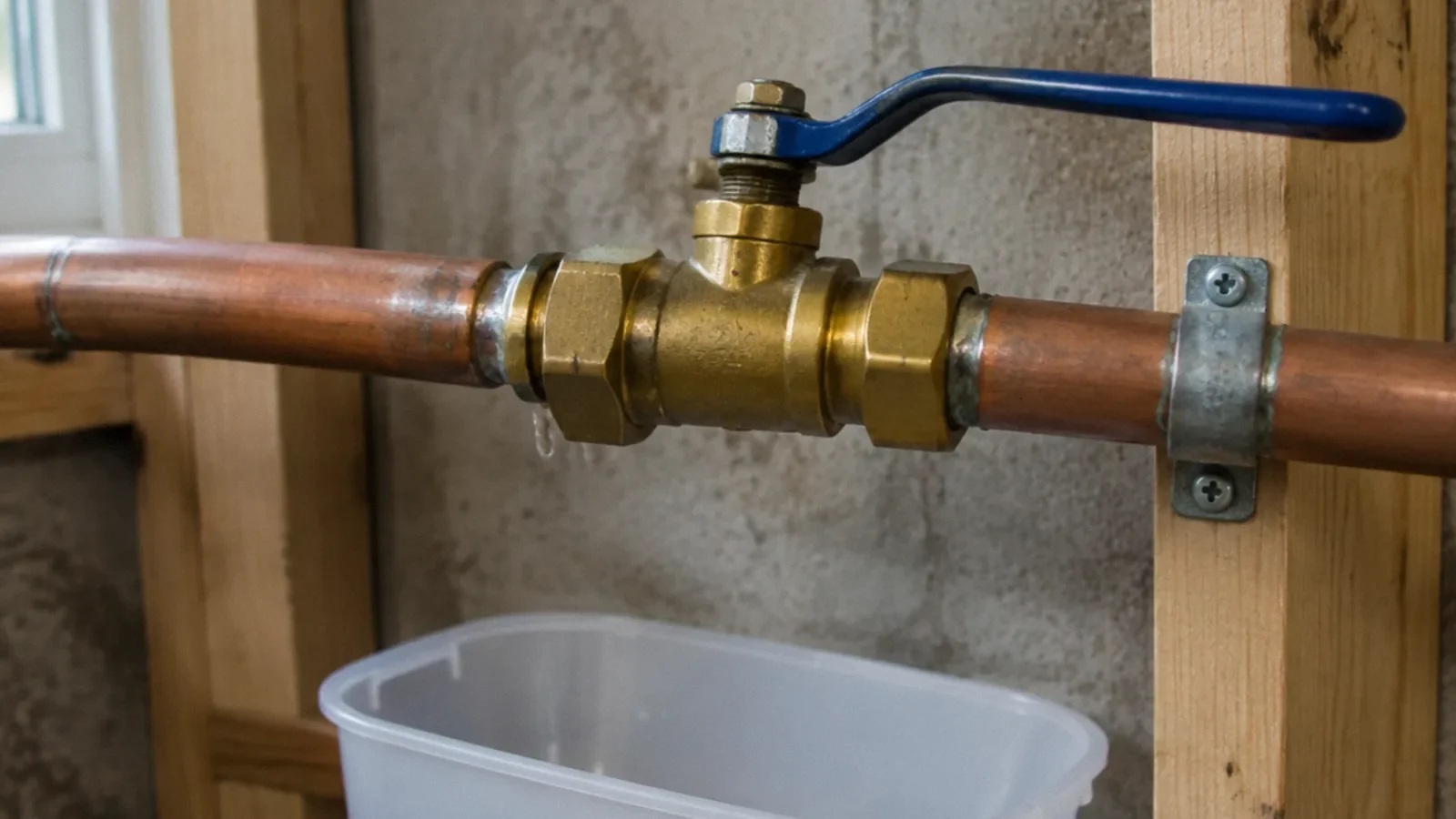
Report the location, source if known, rate of flow and affected equipment from a safe position. An authorized person may close a known accessible domestic isolation valve if the route and action are safe. Do not force a stuck valve or repeatedly operate an unfamiliar control.
Zone shutoff or building main?
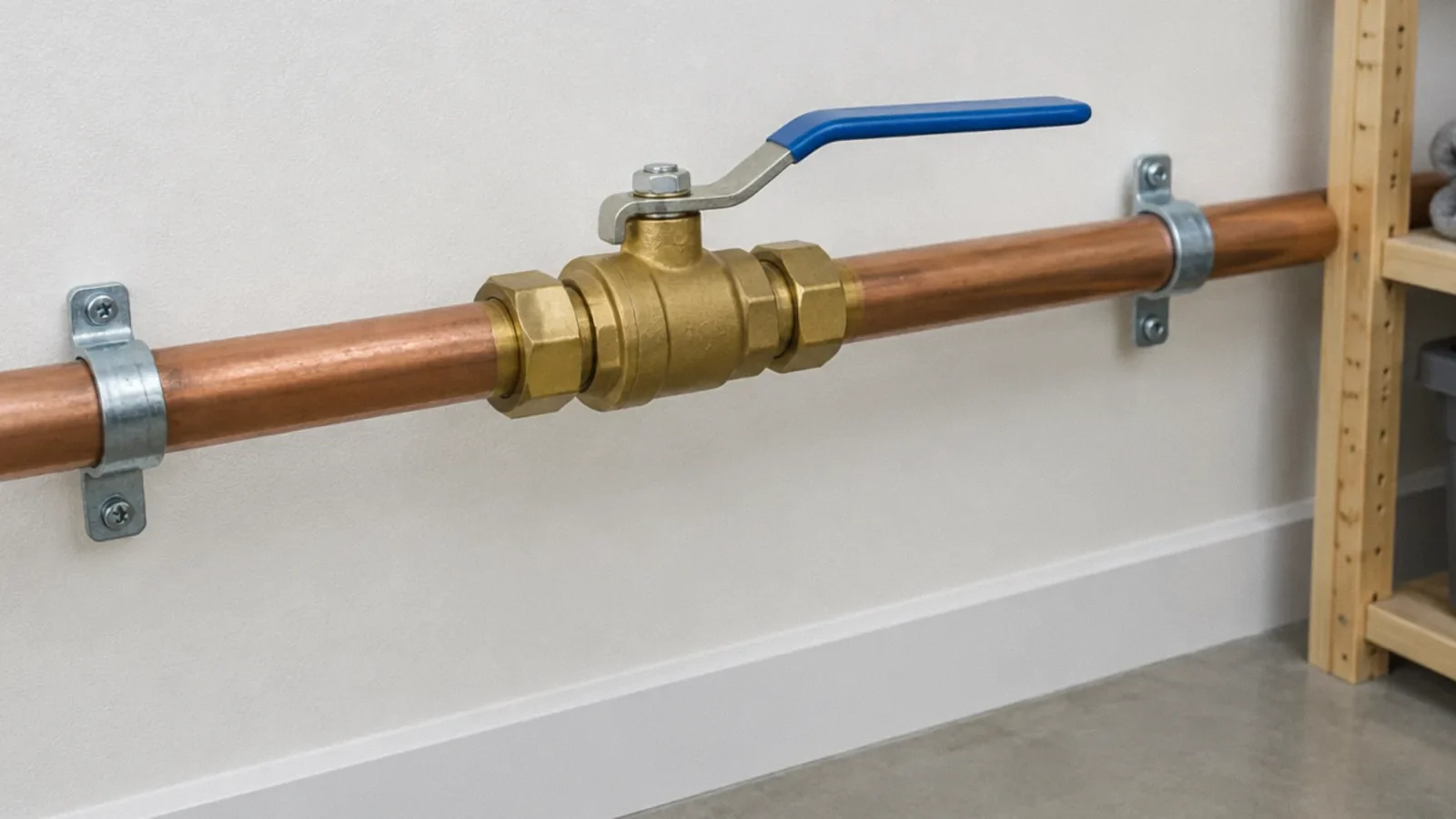
A fixture, tenant or floor valve may limit the interruption if it isolates the leaking branch. The main may be necessary when a smaller isolation point is unavailable, unsafe or does not stop the leak. The correct choice depends on accurate labeling and knowledge of which other spaces and equipment the valve serves.
An isolation plan should identify critical dependencies such as restrooms, food service, cooling equipment, laboratories or other water-using systems. A valve that stops one leak may interrupt several tenants. Do not assume that a label is accurate if recent renovations changed the piping; verify the configuration as part of maintenance.
Fire protection requires separate handling
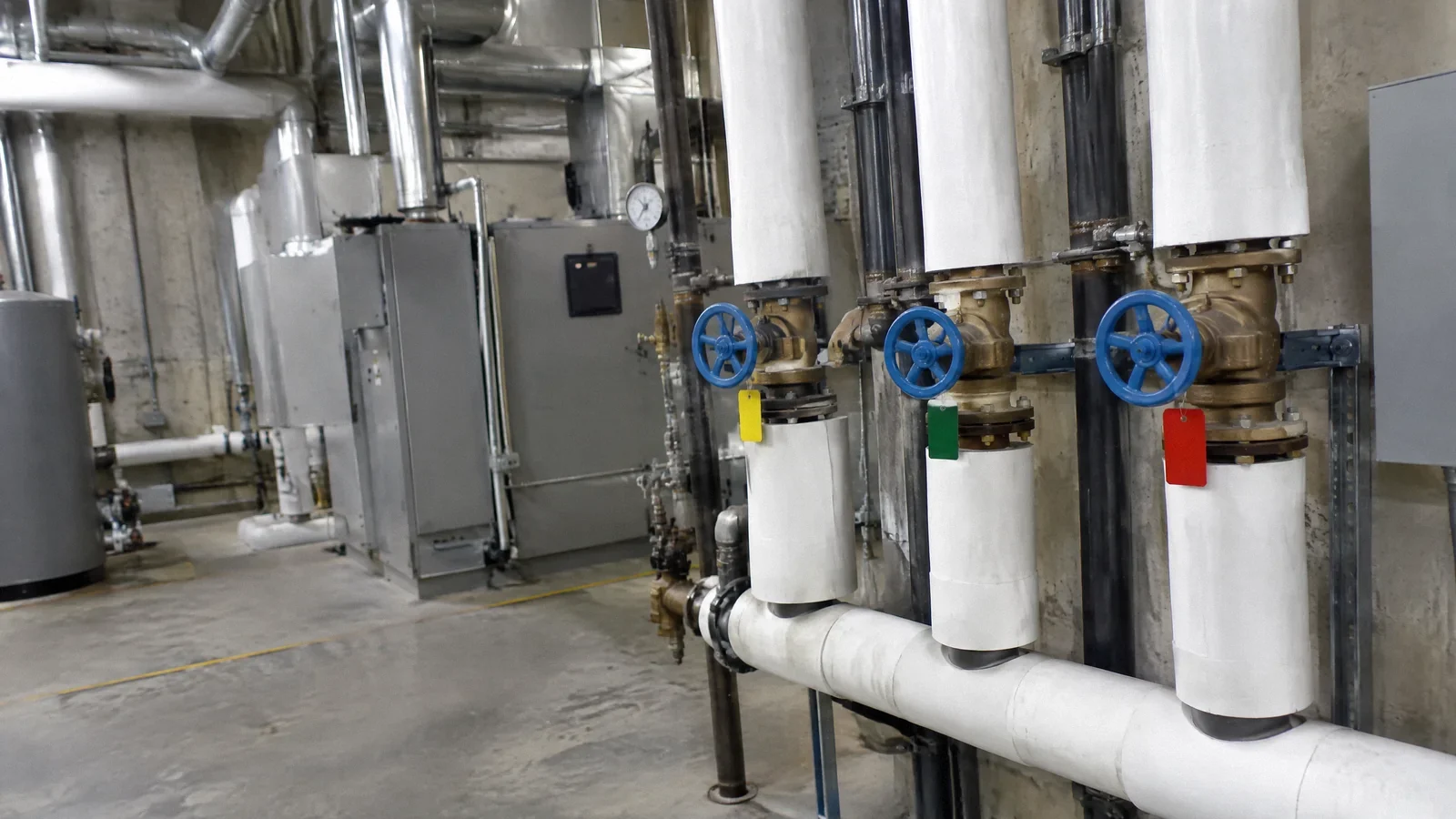
Never assume that a fire sprinkler, standpipe or fire pump valve is a domestic shutoff. Closing it can impair fire protection. OSHA’s fire service guidance describes main and zone control valves and emphasizes labeling and pre-incident planning. Fire-protection controls must be handled by authorized personnel under the building’s impairment procedures and local authority requirements.
If a sprinkler is discharging because of a fire, evacuate and call the fire department. Do not delay the emergency response to save property. If fire protection is impaired by damage or necessary work, notify the responsible fire authority and follow its directions for protection and restoration. Requirements vary by jurisdiction and building.
Notify occupants and essential operations
Tell affected tenants what is known: the area affected, whether water is unavailable, the immediate restrictions, the contact for updates and when the next update is expected. Do not promise a restoration time before the repair team has assessed the failure. Consider accessible communications and building occupants who depend on water for essential operations.
Coordinate with building management on toilets, drinking water, food preparation, cooling, cleaning and other affected functions. A healthcare facility has additional water-management obligations and should use its own emergency plan. A generic checklist cannot replace a site-specific continuity decision.
Restore service deliberately
A qualified responder should repair the leak, verify the affected section and coordinate reopening. Check downstream areas for leaks and monitor pressure and equipment during restoration. Follow the water supplier’s notices and the building’s water management procedures, especially after extended interruption or contamination concerns.
CDC guidance for healthcare facilities addresses flushing and recovery after disrupted service, but its detailed steps are specific to those facilities and circumstances. Do not apply a blanket disinfection recipe to every commercial building. Follow current utility advice, equipment instructions and any applicable public health orders.
Document and practice
Record who closed and reopened each valve, the times, affected areas, tenant notifications, repairs and any unresolved limitations. Update plans after renovations or a real event. Test access and labels through a coordinated maintenance program rather than unexpectedly interrupting occupied spaces.
Review the event with the responsible teams: was the isolation point reachable, did it control the intended branch, and were critical systems and fire protection accounted for? Correct gaps in the written plan and keep an accessible copy for after-hours responders.
Your next-step checklist
- Maintain current valve maps and authorized contacts.
- Distinguish domestic water from fire protection piping.
- Keep occupants away from electrical and structural hazards.
- Notify affected tenants and coordinate critical operations.
- Document repairs, restoration and any impairment.
Related questions
Should a tenant close any nearby valve?
No. Notify management and use only a known valve that the person is authorized and able to operate safely.
Will shutting the domestic main stop a roof leak?
Not necessarily. Roof water, groundwater and sewer backups have different sources.
Can the sprinkler valve be closed to stop any water leak?
Do not operate fire protection controls without authorization. Follow impairment procedures and local fire authority directions.
How should water service be restored?
Coordinate repair and reopening with qualified personnel, follow utility notices and use the building’s water management plan.
Sources & context
Public guidance supports the principles in this article. The practical questions and examples are editorial interpretation, not a site assessment or a coverage decision. State-specific rules apply only where identified.
- OSHA: Fire service features of buildingsfederal fire protection guidance
- CDC: Healthcare water system repair and recoveryfederal healthcare guidance
- CDC: Emergency water supply planning guidefederal healthcare planning guidance