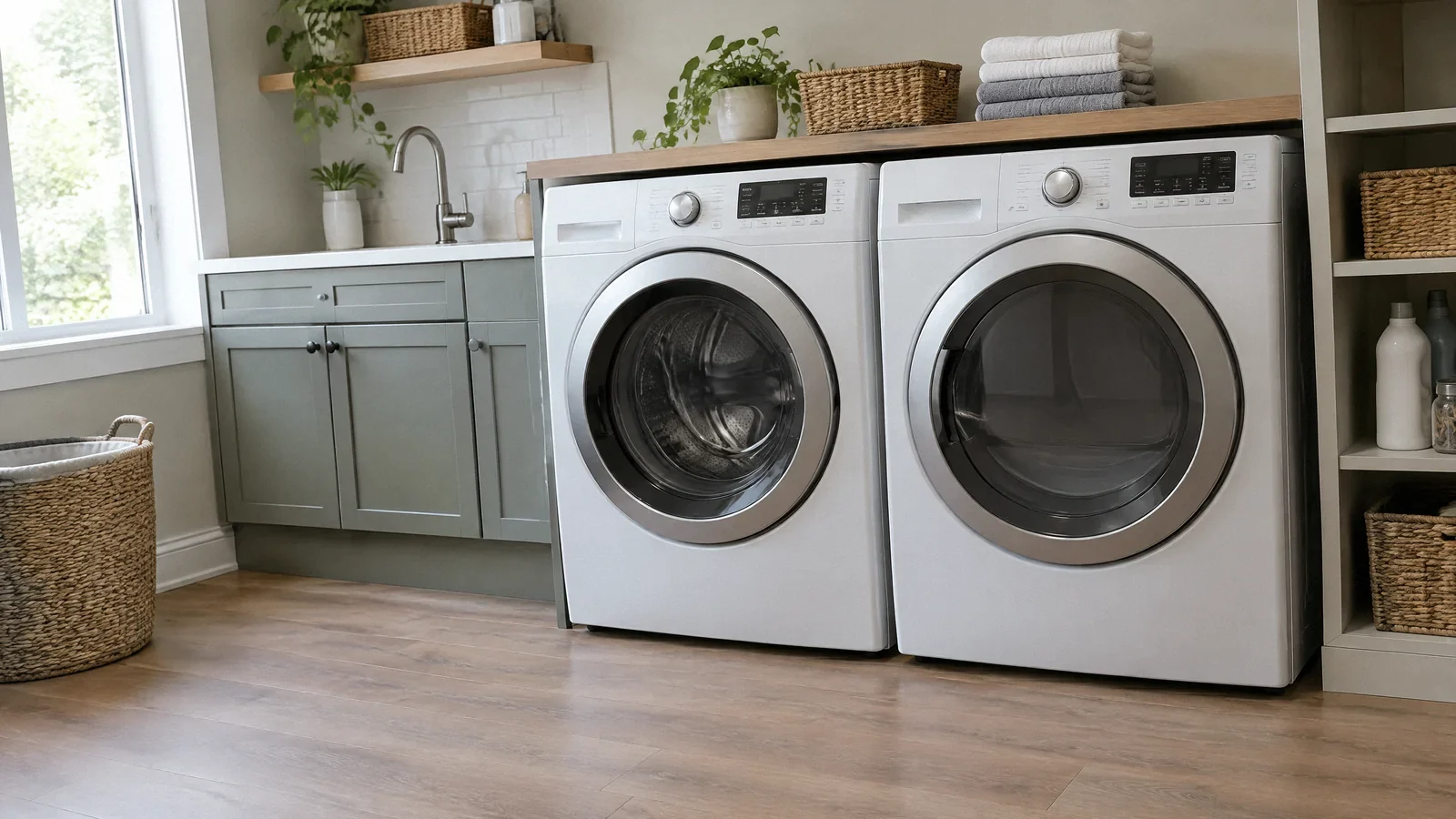
Dryer fires can involve lint, restricted exhaust, overheated components or electrical faults. Clean the lint filter before each load, maintain the exhaust and have a qualified technician investigate unusual heat, odors or repeated shutdowns.
How a dryer fire can start
A clothes dryer combines heat, moving air and combustible lint. If lint accumulates in or around the appliance or exhaust system, it can provide fuel. Restricted airflow can make the dryer operate poorly and contribute to overheating. Electrical components, improper installation and mechanical faults can also play a role; a clean lint screen does not rule out every possible cause.
USFA identifies failure to clean as a leading factor in reported residential dryer fires. Its statistics describe reported incidents for a specified period, not the probability that an individual dryer will catch fire. A practical prevention plan covers the filter, exhaust, appliance condition and safe operation.
Clean the lint screen for every load
Remove the lint screen and clear accumulated lint before each load, following the appliance instructions. Put the screen back properly before operating the dryer. A missing or damaged screen should be replaced with the correct part. Keep the area around the machine free of lint, paper, clothing and other combustible clutter.
A screen catches lint but cannot capture all of it. Lint can collect elsewhere in the appliance and exhaust route, so routine filter cleaning does not replace professional inspection and vent maintenance. Follow the manufacturer’s guidance on cleaning frequency and methods; household use and vent length affect how quickly deposits accumulate.
Check the exhaust path
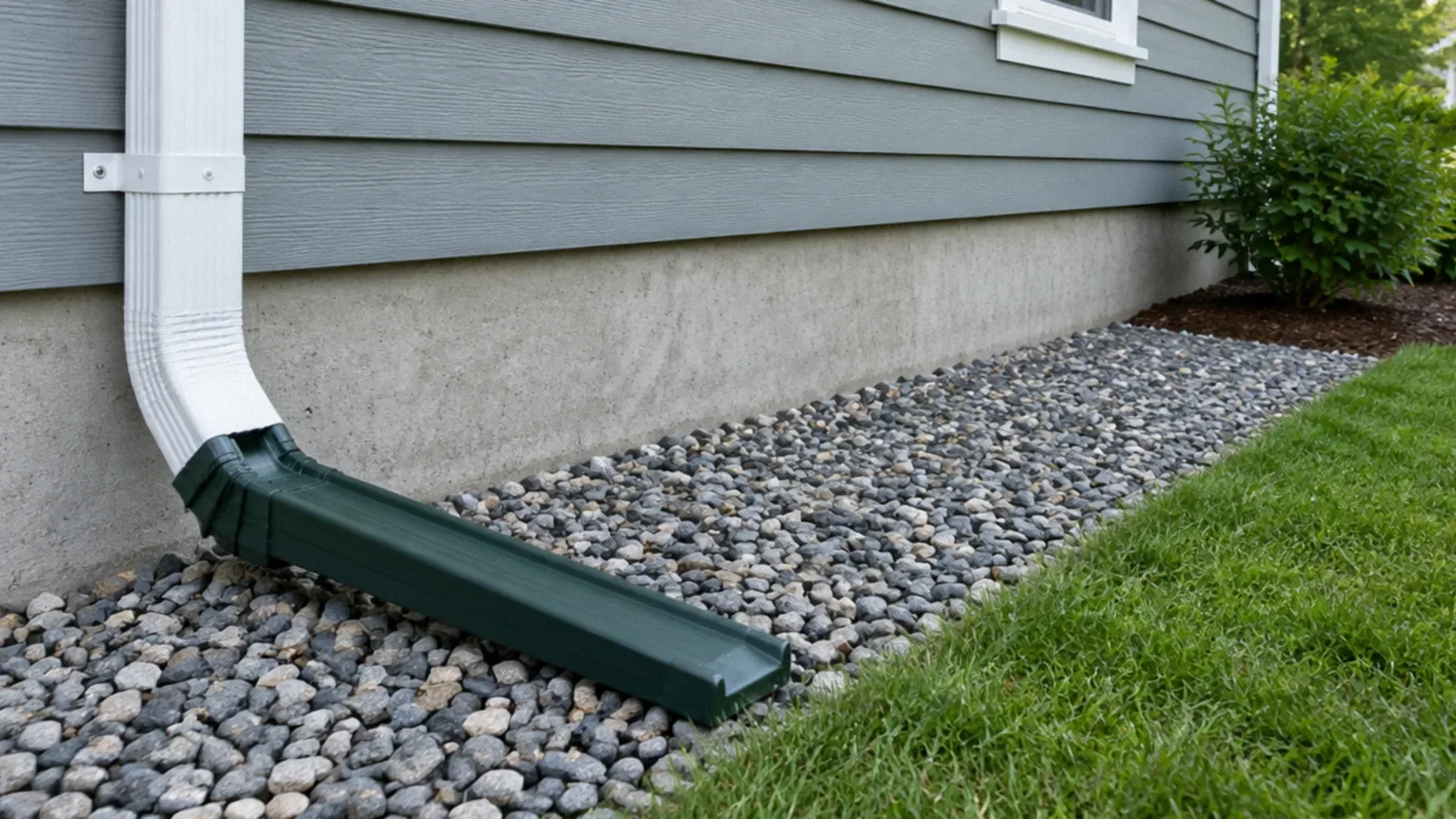
A crushed, disconnected or obstructed exhaust can restrict airflow or release lint and moisture into the home. Look at accessible portions without moving the appliance or disconnecting gas or electrical connections. At the exterior termination, a damper should be able to open and close and should not be obstructed by lint or debris. Do not add a screen that traps lint unless the manufacturer and applicable requirements specifically permit it.
Arrange qualified cleaning and inspection of the full exhaust route, especially if it is long, concealed or difficult to access. A professional can check that the duct material, routing, support and termination are appropriate. Flexible connectors and transitions have product-specific requirements; a generic online diagram is not an installation plan.
Warning signs that need attention
Clothes taking longer to dry, an unusually hot laundry room, a burning smell, repeated automatic shutdowns or little airflow at the exterior vent can signal a problem. A wet load or a single long cycle is not proof of a fire hazard, but a change from normal performance deserves investigation. Stop using the dryer if there is a burning smell, smoke or a suspected fault, and arrange service.
Do not bypass a safety device, repeatedly restart a machine that shuts down, or open electrical or gas components yourself. A qualified technician can distinguish an exhaust restriction from a heater, motor, sensor or electrical problem. Keep a note of the symptom and when it began.
Operate and install the dryer safely
Have the appliance installed according to its manufacturer’s instructions and local requirements. USFA advises plugging major appliances directly into an appropriate wall outlet rather than using an extension cord. A qualified professional should address damaged cords, outlets, connections or gas piping. Avoid pinching the exhaust duct when the appliance is moved back into place.
Follow fabric-care labels and appliance instructions. Do not dry items contaminated with flammable substances unless the manufacturer’s instructions specifically address safe handling. Do not leave a dryer running when you leave home or go to bed. Keep a working smoke alarm and a practiced escape plan.
If smoke or fire occurs
If there is smoke or fire, leave the building immediately and call emergency services from outside. Do not delay escape to move the appliance or search for a shutoff. Do not reenter until responders say it is safe. If you smell gas, leave and contact the gas utility or emergency services from a safe location; do not operate switches or appliances.
After an incident, have the appliance, connections and exhaust assessed before reuse. Smoke, heat and water can damage components that look intact. Keep photographs and service records for the insurer and repair professionals, without entering an unsafe area to collect them.
A maintenance schedule that fits the home
Clean the screen each load and periodically inspect the accessible exterior termination. Schedule vent and appliance service according to the manufacturer, professional advice and actual lint accumulation; no fixed interval fits every household. Homes with frequent loads, pets or long exhaust runs may need closer attention.
Record cleaning dates and any repairs. If drying times lengthen again soon after service, ask whether the entire route was examined and whether the machine itself needs diagnosis. The goal is to resolve the cause, not merely reset the timer or add longer drying cycles.
Your next-step checklist
- Identify the situation and document relevant conditions.
- Address the underlying cause before repairing or replacing affected materials.
- Use qualified help when hazards or the scope exceed your abilities.
- Keep inspection, repair and follow-up records.
Related questions
Can a dryer catch fire with a clean lint screen?
Yes. Lint can accumulate elsewhere, and electrical or mechanical faults are also possible.
Is it safe to run a dryer overnight?
USFA advises against operating it when you are asleep or away from home.
Sources & context
Public guidance supports the principles in this article. The practical questions and examples are editorial interpretation, not a site assessment or a coverage decision. State-specific rules apply only where identified.