Frost heave is upward movement of the ground caused by freezing conditions and ice formation in susceptible soil. The Federal Highway Administration identifies three contributing conditions: freezing soil, a supply of water and frost-susceptible soil. Drainage, soil and foundation design can reduce risk, but the appropriate solution depends on the site.
How frost heave develops
When a freezing front moves into soil, water can collect and form layers of ice called ice lenses. As these layers grow, they can lift the soil and material above it. The Federal Highway Administration explains that freezing temperature, available water and susceptible soil are all needed for significant frost heave.
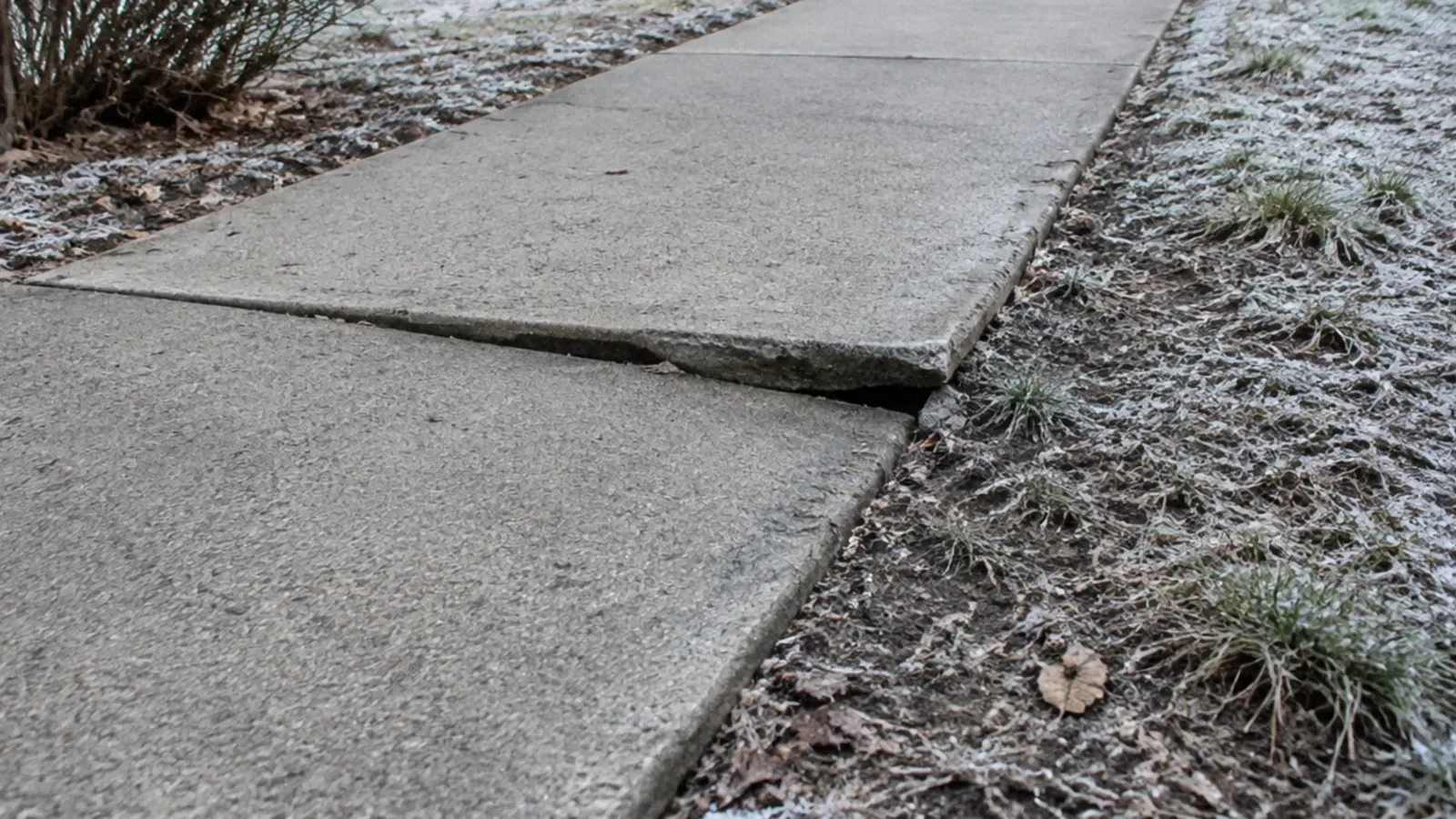
Movement can be uneven because moisture, soil and freezing conditions vary across a site. A sidewalk, shallow slab or other light structure may lift in one area more than another. Thawing can leave wet soil weaker and allow additional settlement, so a seasonal change in height should be documented rather than assumed harmless.
Signs around a property
Possible signs include a raised sidewalk joint, uneven paving, a shifted step or a door that binds seasonally. Cracks, however, can have many causes, including settlement, tree roots, expansive soil or structural movement. Appearance alone does not establish that frost heave is responsible.
Record when the change occurs and whether it changes after thawing. Keep people away from a serious trip hazard and contact the property owner or responsible agency for a public sidewalk. A qualified contractor or engineer can assess significant movement or a foundation concern.
The role of soil and water
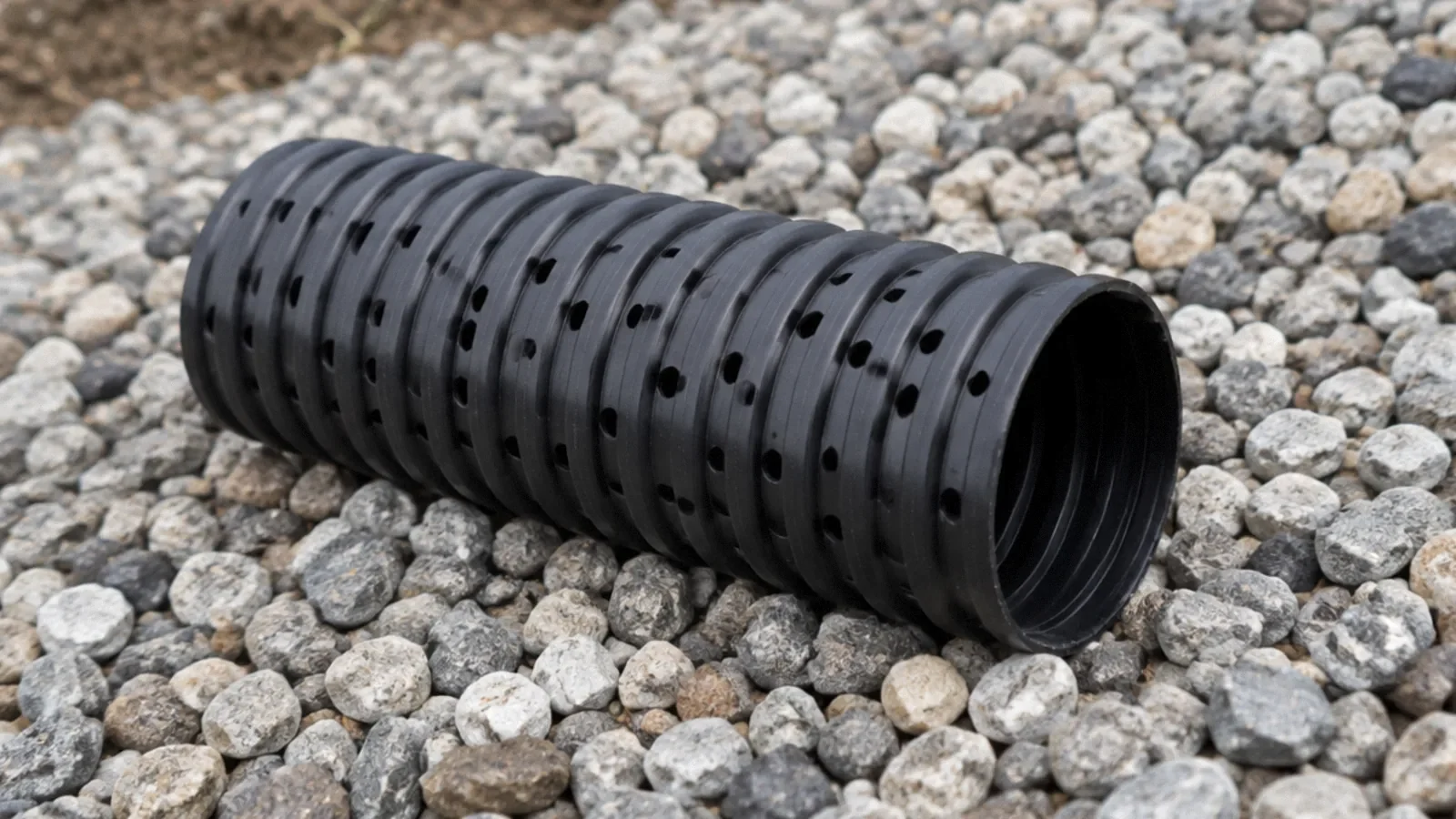
Fine-grained soils with connected pore spaces can draw water toward the freezing zone, allowing ice lenses to grow. Coarse, well-draining material may behave differently, but its suitability depends on the full design, grading and surrounding soil. Do not assume any gravel layer will fix a frost problem.
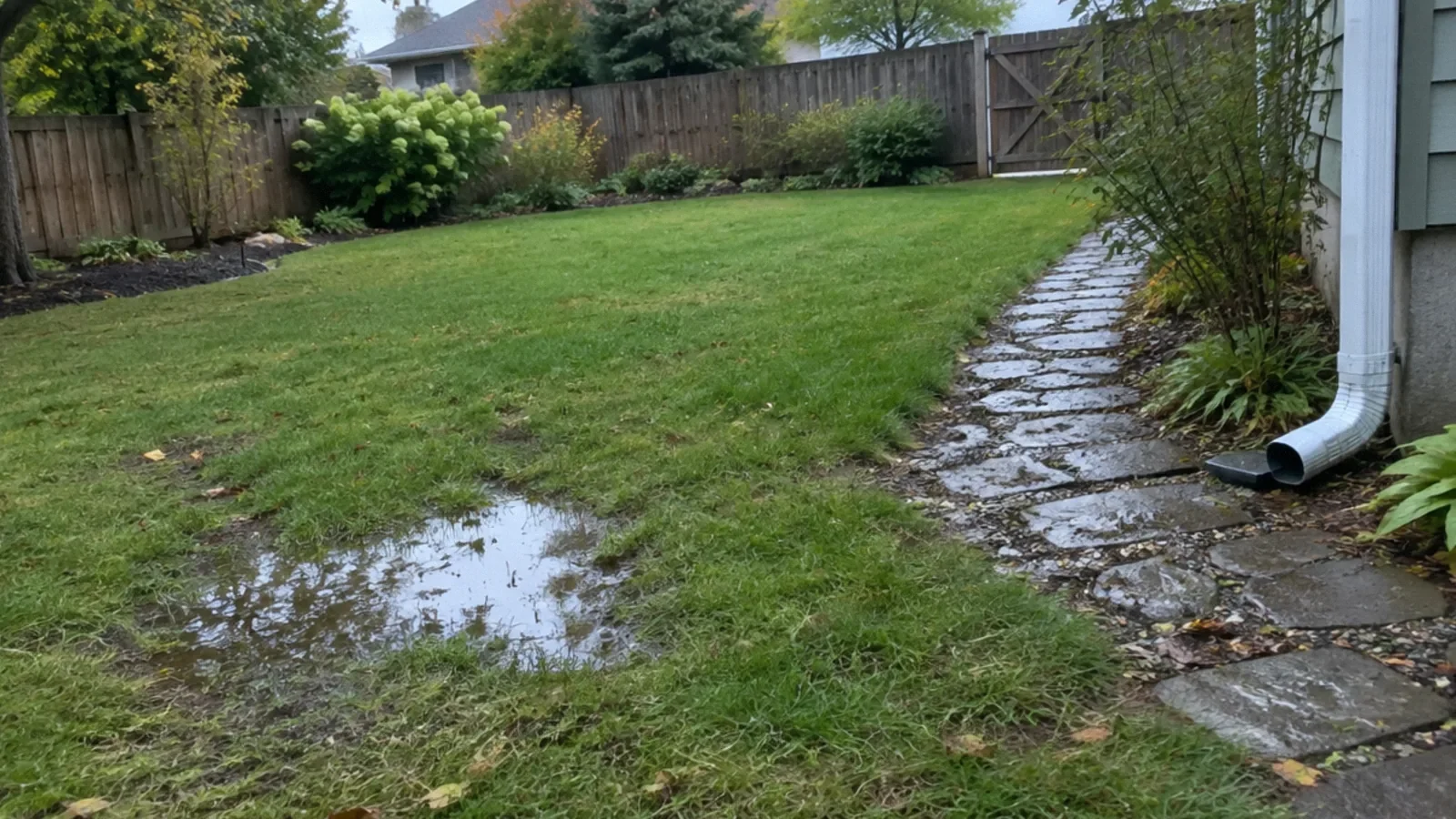
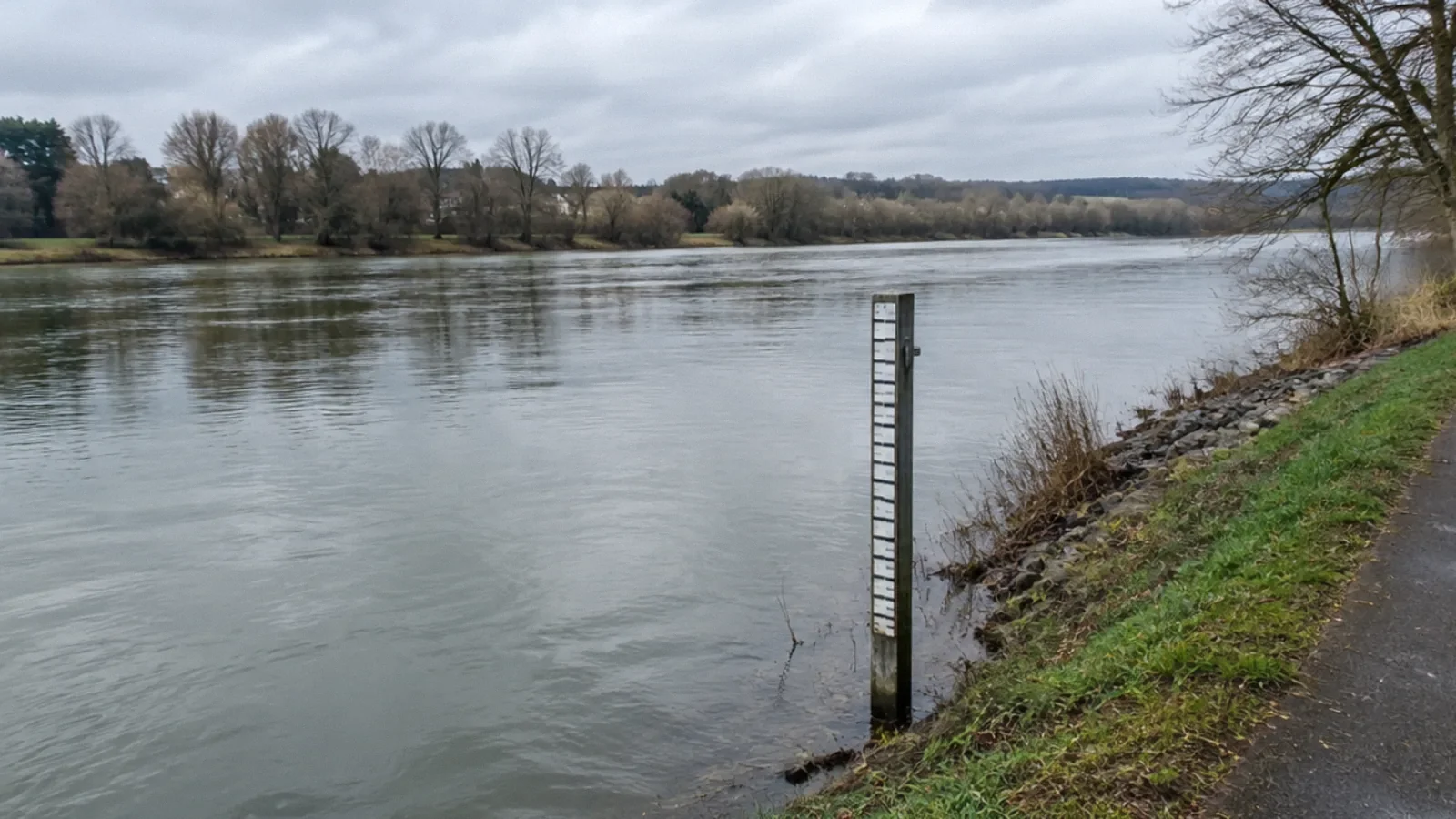
A high water table, poor drainage, surface runoff or a leaking line can contribute available moisture. The actual source needs to be identified. Redirecting water without considering neighboring property, utilities and lawful discharge can create a different problem.
Freezing depth and climate
The depth of seasonal freezing varies with climate, exposure, soil, moisture and duration of cold weather. A site in the Bay Area can have different conditions from a high-elevation or colder region. An isolated cold night does not establish a universal foundation depth or frost-heave risk.
Local building requirements and site conditions govern foundation design. Ask the building department and a qualified professional about the applicable project. Do not copy a footing depth or insulation detail from an unrelated location.
Drainage and site planning
Managing surface water and subsurface moisture can reduce one of the conditions that contribute to heave. A plan may include maintaining roof drainage, correcting an identified leak or designing drainage suited to the site. The Federal Highway Administration discusses drainage and limiting moisture movement as engineering measures.
Not every low spot needs a French drain, and poorly designed drainage can move water toward a foundation or overload another area. Have the source and discharge route evaluated before excavation. Call 811 before digging and follow local utility and permit requirements.
Foundation and slab design
Depending on the site and applicable code, a professional may consider suitable foundation depth, frost-resistant materials, drainage or insulation. These measures interact with the structure and ground; no single internet detail is appropriate for every building.
If a slab or foundation has moved, ask whether the movement is active, seasonal or related to another cause. A structural or geotechnical professional can recommend investigation and repair. Do not fill a crack or grind a slab and assume the underlying movement has been corrected.
What to do with an existing heave
Protect people from uneven surfaces and document the condition without entering an unsafe area. If the movement affects a building, utilities, retaining wall or access route, arrange professional assessment. A temporary trip-hazard response is separate from a permanent engineering repair.
Ask whether the plan addresses moisture, susceptible soil and freezing exposure where applicable, and how the repair will be monitored through another season. A contractor should explain what evidence supports the proposed cause and what uncertainty remains.
Frost heave versus ordinary water damage
Frost heave describes movement of ground and supported surfaces during freezing. A wet floor or water stain can result from many other sources and does not prove soil heave. A leak may contribute water, but diagnosing the soil and structure requires more than finding moisture.
Keep photographs, measurements and repair records. If a water line is damaged, a plumber and a qualified ground or structural professional may need to coordinate. Insurance coverage depends on the cause, policy wording and facts; obtain a written coverage explanation.
Your next-step checklist
- Document seasonal movement and protect against trips.
- Do not diagnose a foundation from a crack alone.
- Investigate the water source and soil conditions.
- Check local requirements before foundation work.
- Call 811 before excavation.
Related questions
What is frost heave?
It is upward ground movement associated with ice formation in susceptible soil when freezing temperatures and a water source are present.
What three conditions contribute to frost heave?
Frost-susceptible soil, freezing temperatures in the soil and available water.
Can frost heave damage a sidewalk or foundation?
Uneven heaving can displace or crack supported surfaces. The cause and repair need site-specific assessment.
Will gravel always prevent frost heave?
No. Material, drainage, soil and foundation details must work together; a qualified design is site-specific.
Sources & context
Public guidance supports the principles in this article. The practical questions and examples are editorial interpretation, not a site assessment or a coverage decision. State-specific rules apply only where identified.
- Federal Highway Administration: Frost action and soilsfederal engineering guidance
- Federal Highway Administration: Soils and foundationsfederal engineering guidance
- Federal Highway Administration: Shallow foundations and frost depthfederal engineering guidance