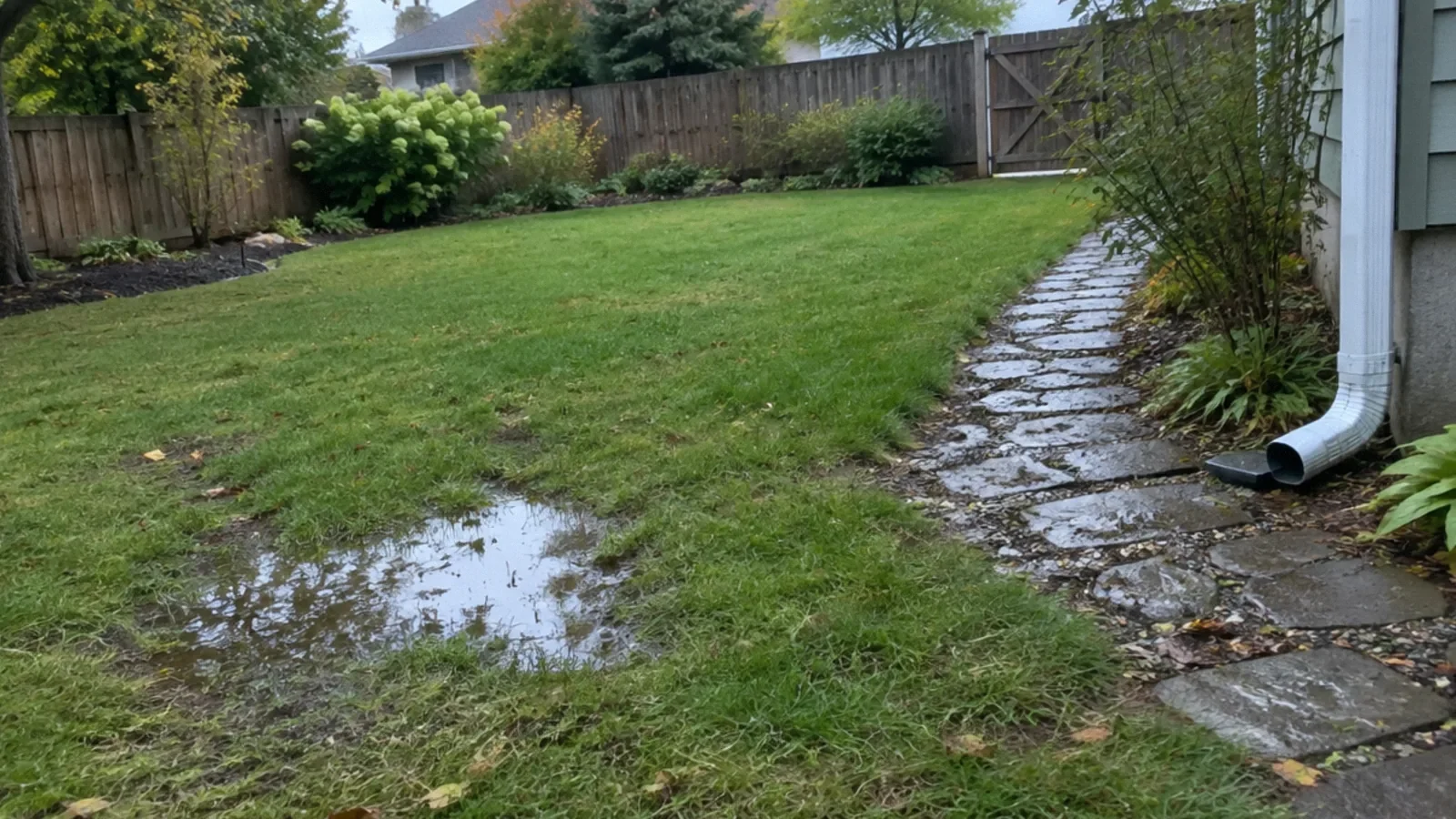
Repeated backyard flooding can result from runoff, blocked drainage, compacted soil, groundwater or a combination. Observe the pattern safely, maintain accessible drainage components and have a qualified professional assess persistent flooding before changing grading or installing a drain.
Stay safe around floodwater
Keep people and pets out of standing water when its source is unknown. Floodwater can contain sewage, chemicals or sharp objects, and water near electrical equipment can create a shock hazard. Do not enter a flooded area to reach an energized device.
During a major storm, follow local alerts and evacuation instructions. A shallow yard puddle and water entering a building have different urgency. If water threatens a home or utilities, seek appropriate emergency and professional assistance.
Observe where water comes from
When it is safe, note where the water first appears, how long it remains after rain and whether it enters from a roof, hard surface, slope or neighboring drainage area. Photograph the location and timing without walking into hazardous water. A recurring pattern is a clue, not proof of the cause.
Also consider a leaking irrigation or supply line if water appears during dry weather. Turn off a known irrigation zone only if you can do so safely. A drainage professional can distinguish surface runoff from groundwater and plumbing problems.
Check gutters and downspouts
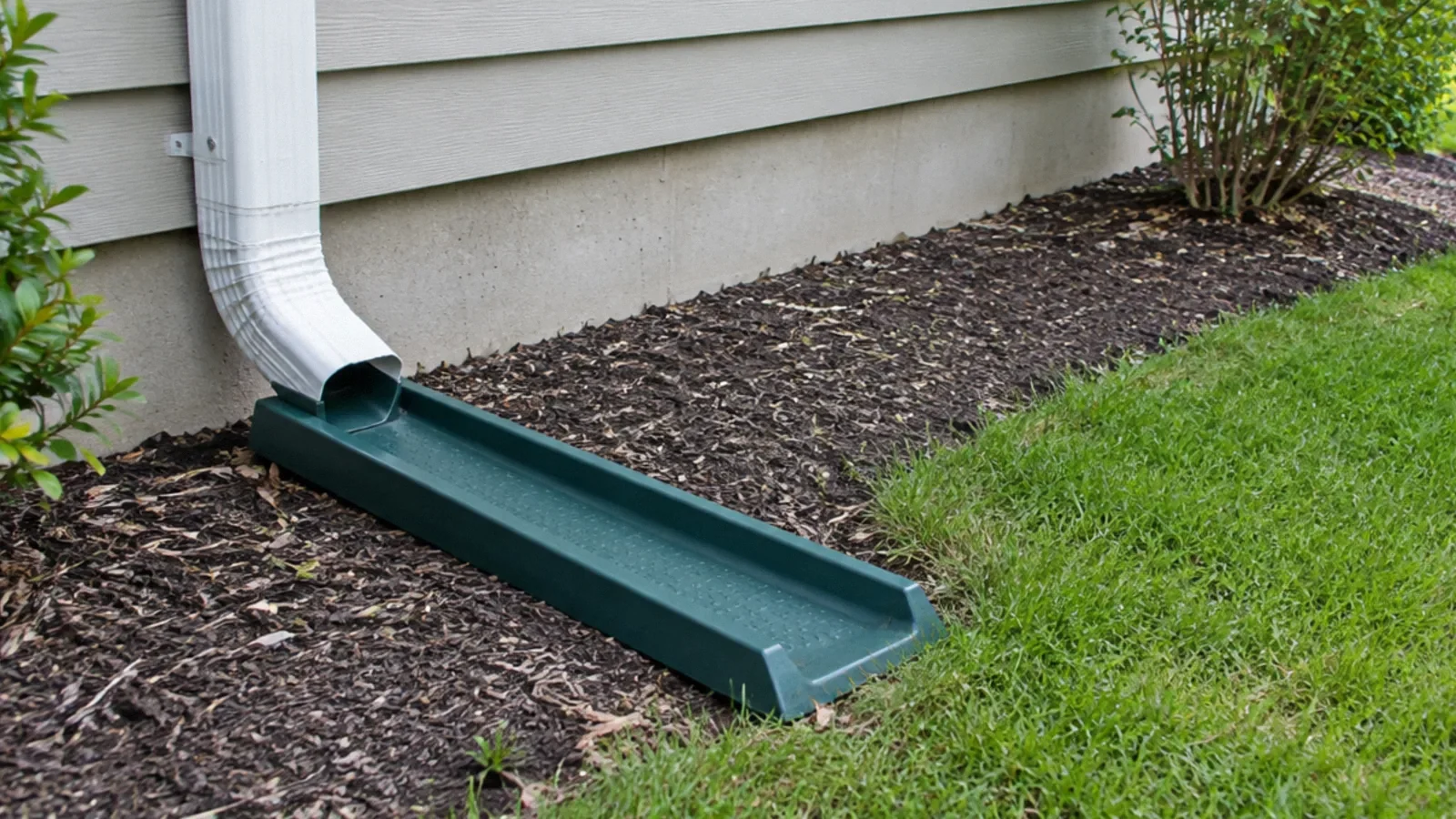
Blocked gutters, disconnected downspouts or discharge concentrated beside a foundation can add water to a low area. Inspect accessible components from the ground and have elevated or damaged gutters serviced safely. EPA and FEMA describe maintaining and appropriately directing runoff as part of managing water around homes.
Any extension or outlet needs a suitable destination. Do not direct water onto a neighbor’s property, a walkway or an area where it causes erosion. Local rules, site slope, utilities and the foundation influence what is appropriate; consult the local authority and a qualified contractor.
Look at grading and low spots
A low spot can collect rain even when no pipe is blocked. Altering the slope may help on some properties, but moving soil without understanding drainage can send water toward the building, a neighboring parcel or an unstable slope. Existing drainage easements must also be respected.
Ask a qualified drainage or landscape professional to assess elevations, soil, retaining walls and outlets before grading. Large projects may require local permits or an engineered plan. Do not cover vents, damage waterproofing or pile soil against siding while trying to raise the yard.
Consider a drain only after diagnosis
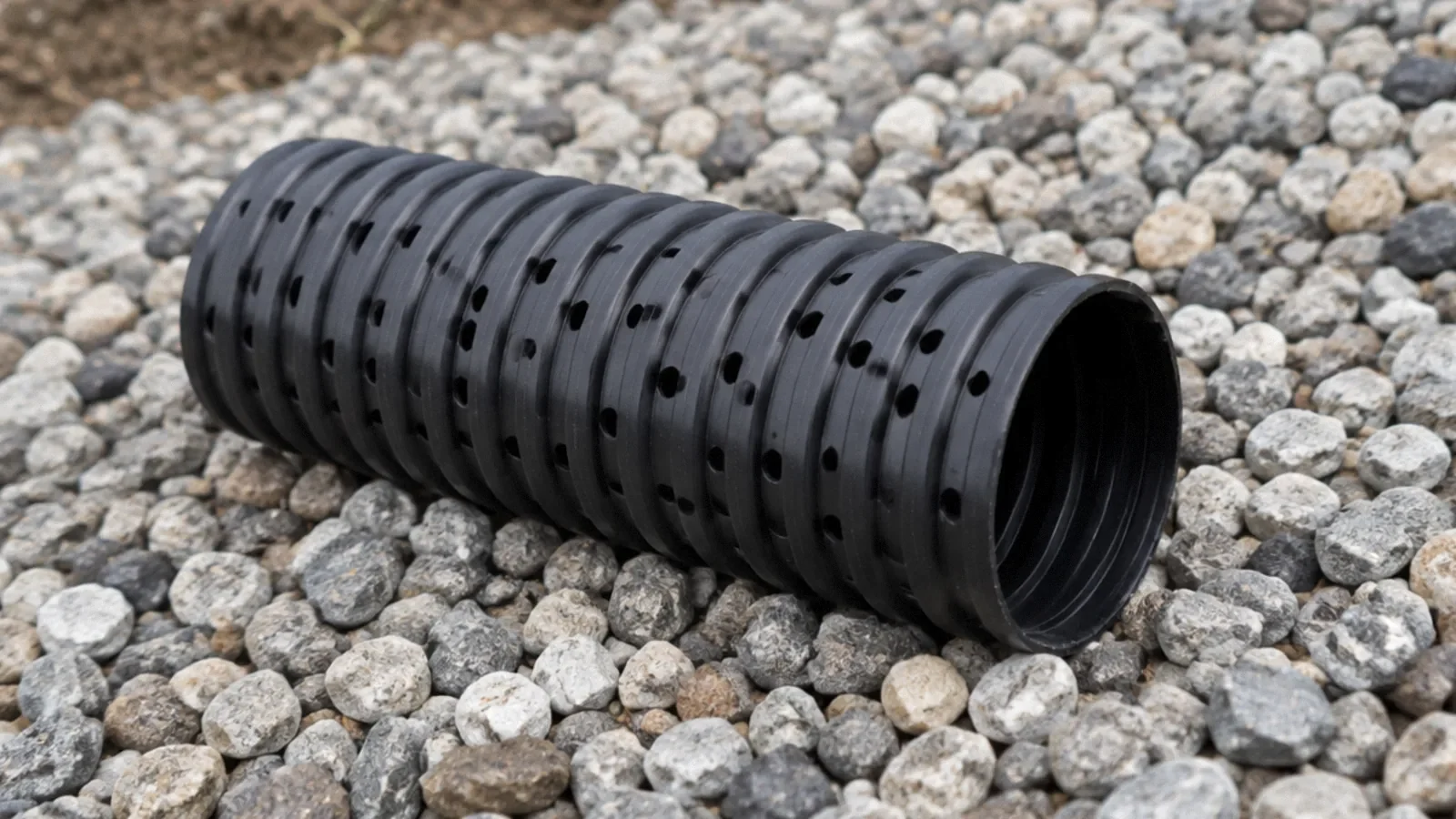
A surface inlet, swale or French drain may be useful in a suitable location, but each needs an appropriate design and a lawful discharge or infiltration area. A drain cannot dispose of water if the outlet is blocked or the receiving system is already overwhelmed.
Before excavation, contact the appropriate utility-locating service and check local requirements. A contractor should explain the source being intercepted, pipe route, access for maintenance, outlet and limits of the proposed system. Avoid a generic drain design for every site.
Rain gardens and permeable areas
EPA describes rain gardens, permeable surfaces and other green infrastructure as ways to slow or absorb some runoff where conditions allow. Suitability depends on soil infiltration, slope, groundwater, contamination, building setbacks and available space. They are not a guarantee against major flooding.
Never create an infiltration area against a foundation or over a septic component without a qualified assessment. Ask about maintenance, overflow during heavy rain and what happens if the ground is saturated. Confirm local rules before changing stormwater flow.
Protect the home and document damage
If water approaches a door or enters a basement, protect occupants and address electrical and contamination hazards first. Keep records of recurring events and repairs. A short video from a safe dry location can help a contractor understand the water pathway.
Drying an affected room does not by itself fix the outside source. If flooring, walls or insulation became wet, assess the materials and hidden layers. Contact a property manager or insurer as appropriate and keep written estimates and receipts.
Maintain the solution
Keep accessible drains and gutters free of ordinary leaves and debris when it is safe to do so. Follow the installer’s maintenance instructions and check the outlet after storms from a safe location. Do not open a sewage cleanout or enter a confined drain structure.
Reassess if water appears in a new place or persists after the original work. Soil settlement, construction and changing drainage conditions can affect performance. A maintenance record helps distinguish a blocked component from a design or upstream problem.
Who to call about a flooded yard
For recurring surface runoff, a drainage or landscape professional can evaluate grading, downspouts and an outlet without redirecting water onto neighboring property. If water appears during dry weather or a supply leak is suspected, contact a plumber or the water utility as appropriate. If flooding presents an immediate danger, move to safety and contact emergency services. Keep away from electrical hazards and unstable ground.
Your next-step checklist
- Stay out of unknown or electrically hazardous water.
- Record where and when water collects.
- Check accessible gutters and drainage outlets safely.
- Assess grading, discharge and local rules before construction.
Related questions
Why does my backyard flood when it rains?
Possible causes include concentrated roof runoff, low grading, blocked drainage, saturated soil or water from a larger area. A site assessment can identify the pathway.
Will a French drain always stop yard flooding?
No. It needs a suitable design, route and outlet, and it may not address every source of surface water or groundwater.
Can I direct downspout water toward the street or neighbor?
The proper destination depends on site conditions and local rules. Avoid causing erosion or directing water onto another property.
Should I dig a trench myself?
Do not excavate until utilities and site constraints are identified. A qualified professional can assess design and permit needs.
Sources & context
Public guidance supports the principles in this article. The practical questions and examples are editorial interpretation, not a site assessment or a coverage decision. State-specific rules apply only where identified.
- EPA: What you can do to soak up the rainfederal stormwater guidance
- FEMA: Protect your home from floodingfederal flood guidance
- EPA: Mitigate floodingfederal stormwater guidance
- EPA: Stormwater sources and solutionsfederal environmental guidance
- EPA: Moisture control guidancefederal building guidance