There is no universal replacement interval for every toilet. The condition of the bowl, tank, internal parts, floor and connections matters more than age alone. A running toilet may need a part, while a cracked fixture or recurring leak may justify replacement after a plumber’s assessment.
Age is only one consideration
A toilet has a ceramic bowl and tank as well as seals, valves and other replaceable components. These parts do not necessarily wear at the same rate. The fixture’s age alone cannot establish that the whole unit is unsafe or must be replaced.
Consider its condition, repair history, availability of compatible parts, water use and the cost of a repair compared with replacement. A plumber can inspect the installation and explain options without assuming a fixed lifespan for every model.
Running water or a weak flush
A constantly running toilet can waste water and may be caused by an internal component such as a worn flapper or fill mechanism. EPA WaterSense recommends investigating a running toilet and contacting a plumber when needed. The symptom does not automatically mean the ceramic fixture needs replacement.
A weak flush or recurring clog can involve the toilet, an obstruction or another drain issue. If water is rising, stop flushing to avoid an overflow. Do not add chemical drain cleaners or continue using a fixture that is backing up.
Cracks and visible damage
A crack in the bowl or tank can allow water to escape or worsen. Stop using an actively leaking or unstable fixture and contact a qualified plumber. Avoid leaning on it or trying to seal a structural crack with an unapproved product.
A professional can determine whether a visible line is a surface mark or a structural problem and whether the fixture should be replaced. Water near an outlet or on a floor below raises additional safety concerns; avoid wet electrical equipment.
Leaks at the base
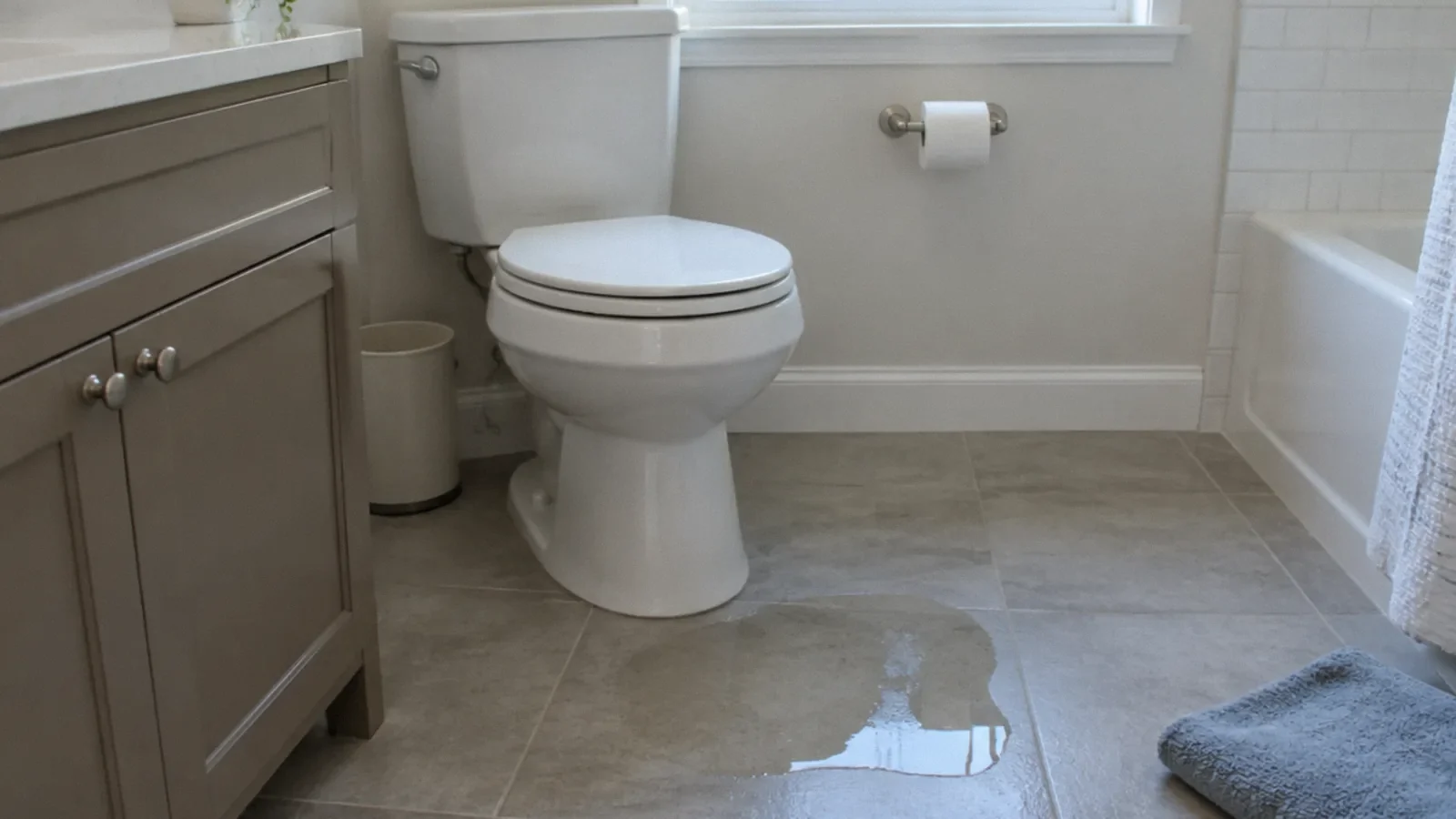
Water at the base can come from a seal, supply connection, condensation or another source. The location of a puddle does not identify the failed part. A loose or rocking toilet can also affect the seal and the floor around it.
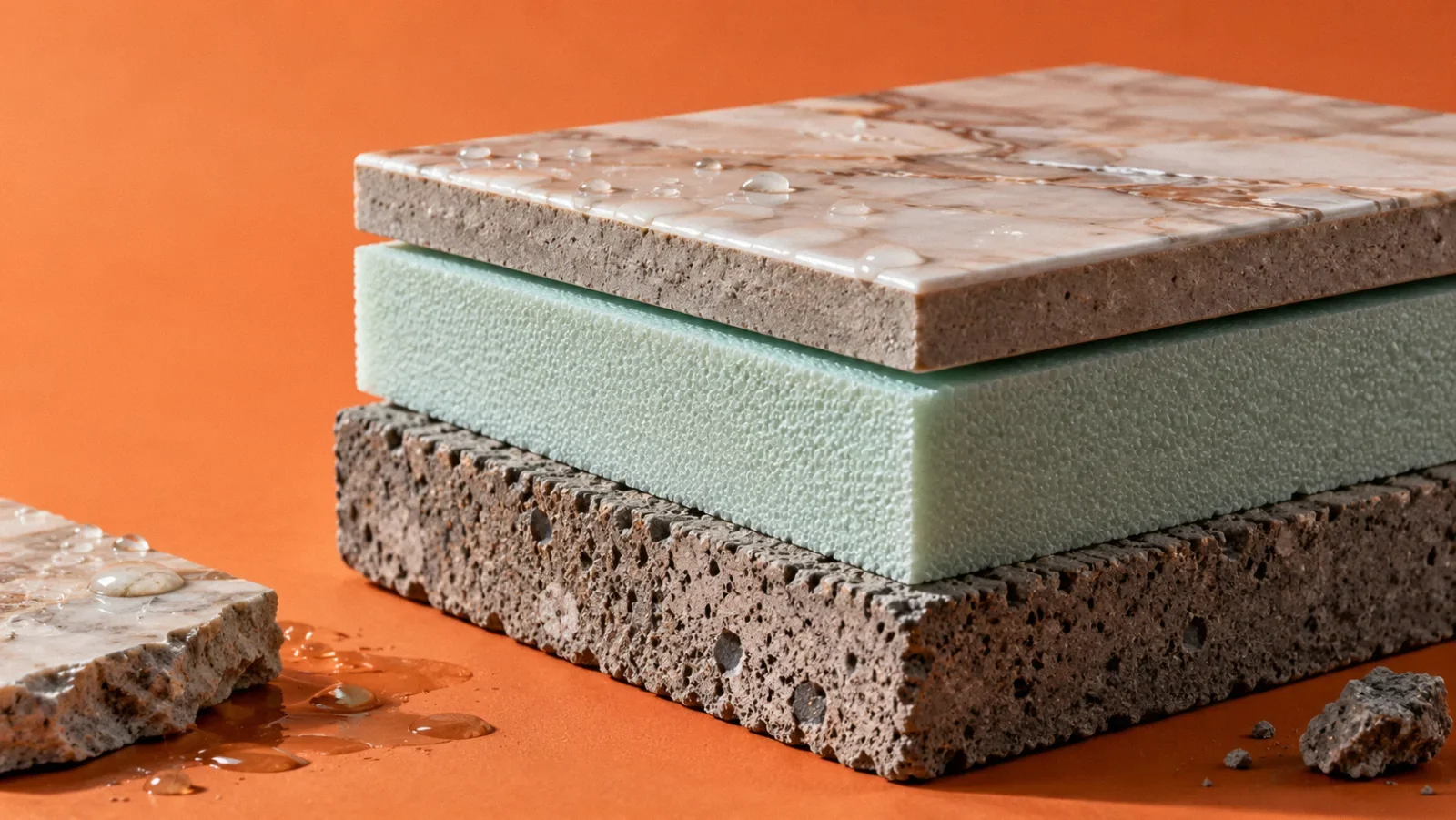
Do not simply caulk over a leak. Have the source identified and the floor assessed for trapped moisture or deterioration. A plumber may recommend replacing a seal, repairing the floor, resetting the fixture or replacing the toilet depending on the findings.
Repair versus replace
A compatible fill valve, flapper, supply line or seal may be repairable without changing the whole fixture. Compare the written cost and expected scope, including access and any floor repair. An inexpensive part is not useful if a damaged floor or connection remains unaddressed.
Replacement may be reasonable when the bowl or tank is damaged, compatible parts are unavailable, problems recur or a different water-use or accessibility feature is desired. Ask what the new fixture includes and whether existing plumbing and clearances are compatible.
Water use and choosing a replacement
Older fixtures may use more water per flush than newer models. EPA WaterSense provides information on labeled toilets that meet its efficiency and performance criteria. Actual savings depend on the existing fixture, household use and the replacement model.
Measure the available space and confirm rough-in, bowl height and shape, supply connection and installation requirements. Check applicable local rules and any current utility program rather than assuming a rebate or permit applies. Choose a fixture suitable for the people using the room.
How long does replacement take?
The time depends on access, the existing shutoff, floor condition and whether the replacement fits. A straightforward change and a project involving a damaged flange or subfloor have different scopes. Ask the installer for a time estimate after the condition is assessed.
A toilet is heavy and connected to plumbing that can leak. If shutoffs do not work, the floor is soft or you are unfamiliar with the work, use a qualified plumber. Protect the floor and keep children and pets away from the work area.
Verify the completed work
After installation or repair, the plumber should restore water and check accessible supply and base connections. Observe the fixture during normal use and report any movement, persistent running water or new moisture. Do not ignore a slow leak because the toilet appears to flush.
Keep the model information, instructions, invoice and warranty. If surrounding materials were wet, make sure they are assessed and dried before they are concealed. A new toilet does not itself repair damage already present beneath the floor.
Your next-step checklist
- Check for cracks, movement and recurring leaks.
- Compare repair of individual parts with replacement.
- Confirm fit and installation requirements for a new fixture.
- Verify the repair and assess any wet flooring.
Related questions
How often should a toilet be replaced?
There is no single interval. Replace or repair based on the fixture’s condition, recurring problems, available parts and the surrounding floor.
Does a running toilet need to be replaced?
Not necessarily. An internal component may need repair; have the cause identified.
How long does it take to replace a toilet?
Time varies with access, shutoffs, fit and hidden floor or flange damage. Ask the installer after an assessment.
Is water at the base always a bad seal?
No. A supply leak, condensation or another source can also be involved. Have the source identified.
Sources & context
Public guidance supports the principles in this article. The practical questions and examples are editorial interpretation, not a site assessment or a coverage decision. State-specific rules apply only where identified.
- EPA WaterSense: Home maintenancefederal water efficiency guidance
- EPA WaterSense: Toiletsfederal water efficiency guidance
- EPA: Mold and moisturefederal guidance