Follow the exact manufacturer’s maintenance instructions for the model. Mineral scale can restrict flow and affect performance, but the service interval depends on the appliance, water quality and use. A qualified technician can assess the unit and perform any flushing, filter service and safety checks required by its instructions.
Why a tankless heater needs maintenance
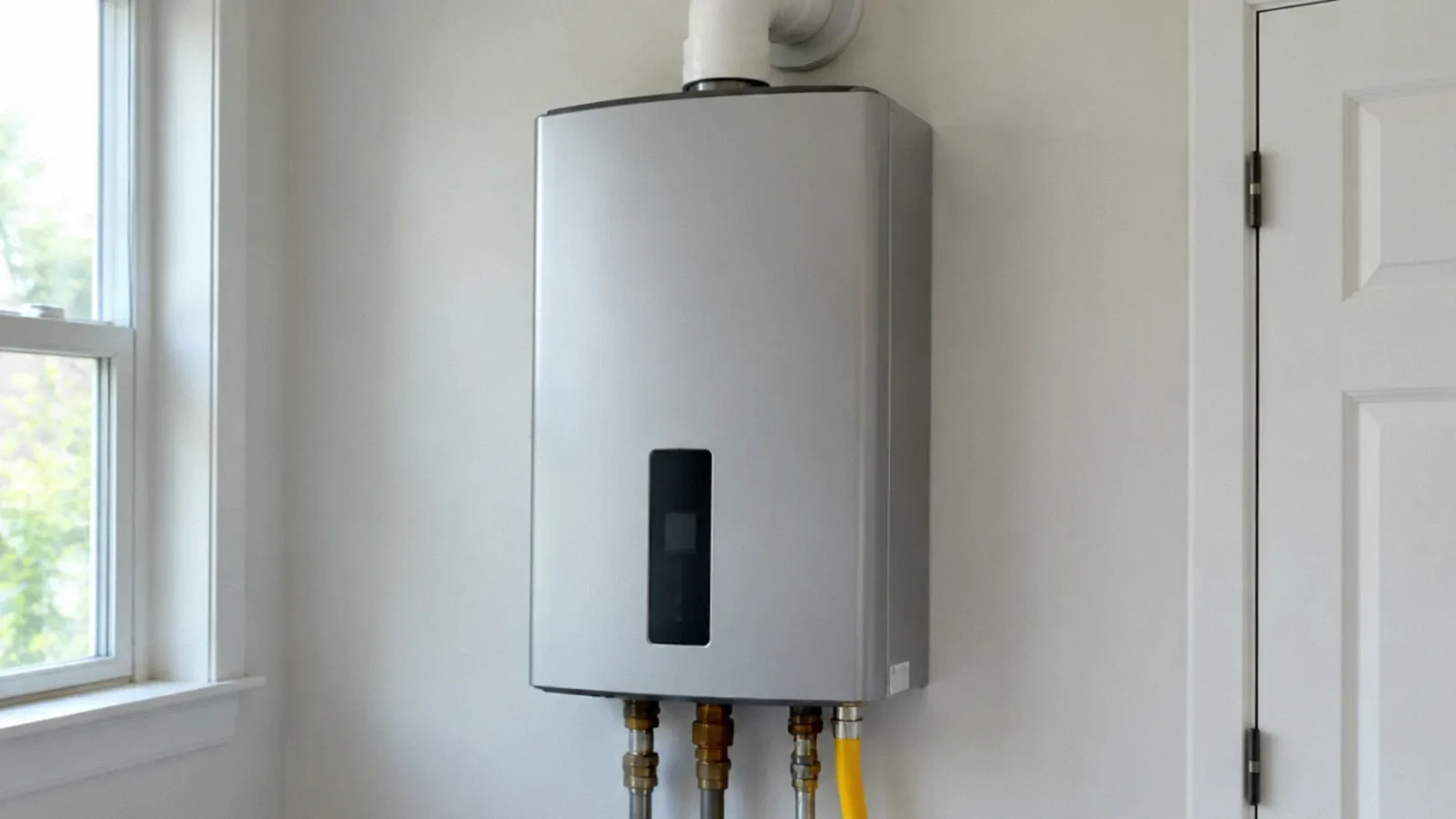
A tankless water heater heats water as it flows through the unit. Minerals in the water can build up inside a heat exchanger and restrict flow or reduce performance. The U.S. Department of Energy advises flushing according to the manufacturer’s instructions to manage scale.
A loss of hot water or an error message does not automatically mean the unit needs descaling. Other plumbing, gas, electrical or control problems can produce similar symptoms. Record the issue from a safe location and have the model diagnosed before authorizing work.
How often should it be cleaned?
There is no universal interval for every tankless heater. The manufacturer’s schedule, water hardness, use and operating conditions all matter. A Department of Energy guide describes a range of manufacturer recommendations and emphasizes checking the particular equipment.
Ask the service provider how the proposed interval relates to the model and local water quality. Keep a maintenance record and review warranty conditions. Do not assume a generic annual schedule is required or that service can safely be postponed for a fixed number of years.
What descaling involves
Depending on the equipment, a technician may isolate the unit, connect service equipment, circulate an approved descaling solution and rinse according to the manufacturer’s procedure. Service valves, filters and the order of operations vary. The aim is to remove deposits without damaging equipment or contaminating the water system.
Rinnai’s published instructions for its equipment describe a specific vinegar-based procedure, while its maintenance FAQ recommends professional service. That example is not an instruction for every brand or model. Use only the solution and method approved for the actual heater, and do not improvise a mixture.
Gas, electricity and hot water safety
A tankless unit can involve gas, electricity, hot water and pressurized plumbing. If you smell gas or suspect an emergency, leave immediately without operating switches or devices nearby and call 911 and the gas utility from a safe location. Do not open the unit or handle wet electrical equipment.
Hot water can cause burns. Do not disconnect unknown pipes, operate a relief valve or remove a cover without the appropriate knowledge and manufacturer’s instructions. A qualified technician can safely isolate and restore the specific equipment.
Filters and other service items
Some models have an inlet screen or other components that require periodic inspection. The manufacturer’s schedule and access instructions determine what service is appropriate. A filter that looks accessible may still be connected to hot or pressurized water.
Ask whether the service includes checking the screen, inspecting visible connections and verifying operation after flushing. Gas combustion, venting and electrical components may need separate qualified service. A descaling visit should not be assumed to include every inspection unless the written scope says so.
What to ask a technician
Provide the make, model, installation date if known, water quality information and any observed error. Ask what symptoms support descaling and whether the manufacturer’s procedure will be followed. Request a written price that identifies the work, approved solution and any additional diagnostic charge.
Ask who will isolate and restore the equipment, how the unit will be rinsed and checked, and what happens if a leak or damaged component is found. If the water heater has not been maintained, a technician may recommend a more detailed assessment rather than a routine flush alone.
Water treatment and warranties
Hard water can increase scale formation, but the need for a softener or other treatment depends on the manufacturer, water chemistry and household conditions. Do not add equipment solely on the basis of a generic online hardness number. Review the model’s instructions and obtain a water test or qualified advice when appropriate.
Keep the manual, service invoices and records of any water treatment. Warranty conditions vary, and routine maintenance does not guarantee that every future failure will be covered. Ask the manufacturer or warranty provider about the specific terms.
After maintenance
Confirm that the technician has restored the unit and checked for leaks and normal operation according to the manufacturer’s process. Record the date and the next recommended service based on the model and conditions. A persistent error or new leak needs further diagnosis.
If gas odor, smoke, steam or another immediate hazard appears after service, leave and contact emergency services and the utility from a safe location. Do not repeatedly reset a fault or block a relief discharge.
Your next-step checklist
- Check the exact model’s maintenance instructions.
- Do not use an unapproved descaling solution.
- Avoid gas, electrical and hot-water hazards.
- Ask for a written professional service scope.
- Keep maintenance records.
Related questions
How often should a tankless water heater be flushed?
The interval varies with the manufacturer, water quality and use. Follow the model’s instructions and obtain professional advice.
Can I use vinegar in every tankless heater?
No. Some manufacturer procedures specify vinegar for particular models, but use only the solution approved for your appliance.
Does low hot-water flow always mean scale?
No. A filter, plumbing issue, control fault or another cause may be involved. Diagnose the actual equipment.
Who can clean a tankless water heater?
A qualified water-heater technician or plumber familiar with the model can perform service according to its instructions.
Sources & context
Public guidance supports the principles in this article. The practical questions and examples are editorial interpretation, not a site assessment or a coverage decision. State-specific rules apply only where identified.
- U.S. Department of Energy: Transitioning to a tankless water heaterfederal technical guidance
- Rinnai: Tankless heater maintenance FAQmanufacturer guidance
- Rinnai: Flushing a tankless heatermanufacturer-specific procedure
- PG&E: Gas leak safetyutility safety guidance