A blocked or improperly installed plumbing vent can contribute to drainage or sewer-gas problems, but gurgling and slow drains can also have other causes. Do not climb onto a roof or open a sewer cleanout to diagnose it. If sewage is backing up, stop using affected fixtures and contact a plumber.
What a plumbing vent does
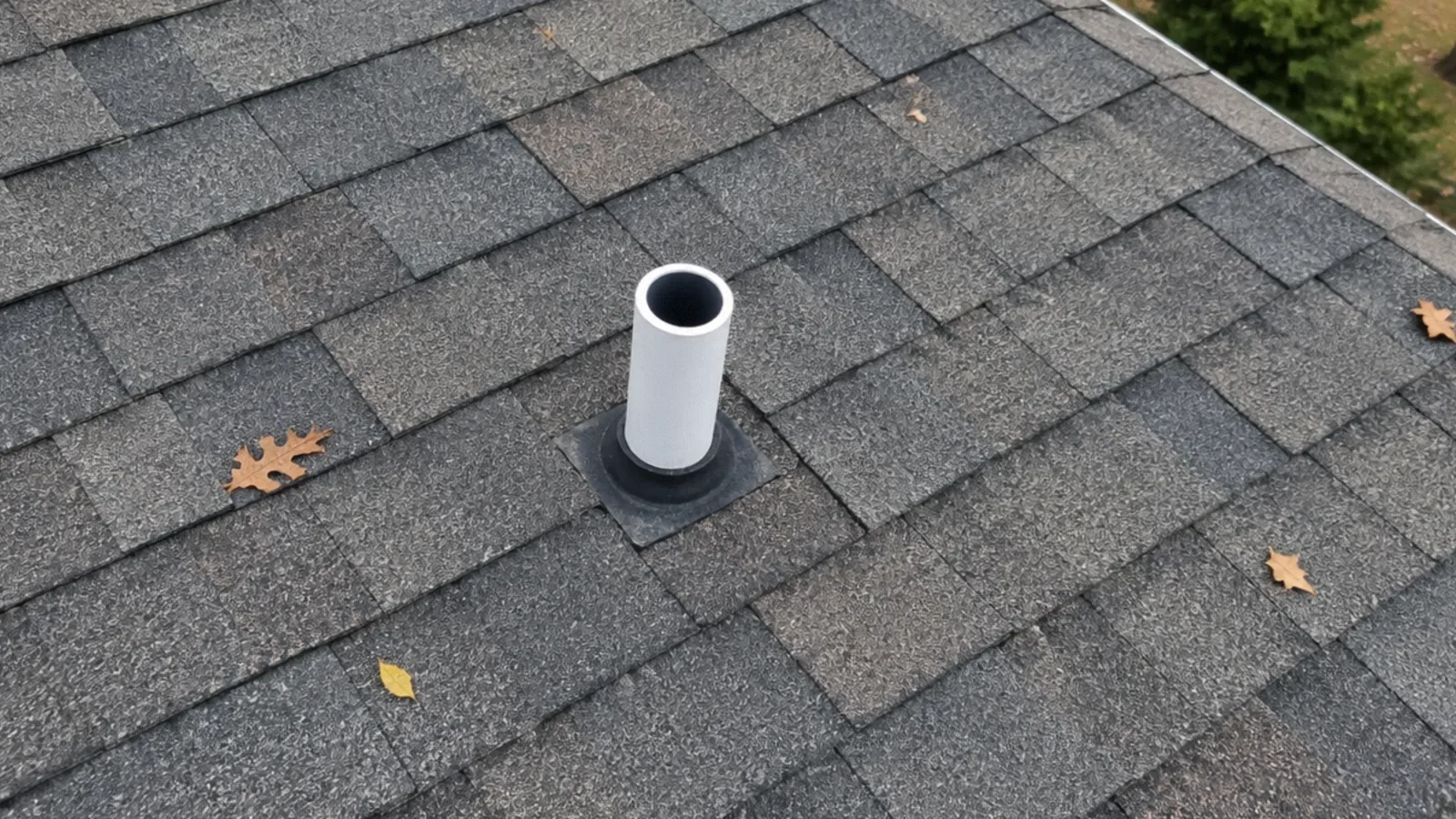
A plumbing vent allows air to move through the drainage system and provides a route for sewer gases to vent outdoors. The City of Minneapolis explains that roof vents help air move in and out of the plumbing and support drainage. A vent is different from the pipe carrying wastewater away.
Fixtures also use water-filled traps to help keep sewer gas out of the building. A dry trap, a damaged pipe, a drain blockage or a vent problem can cause overlapping symptoms. A sound or smell alone cannot identify the exact cause.
How a toilet drain vent works
A toilet connects to a drainage system that needs appropriate venting to move air and protect trap seals. A vent may connect into a larger vent system rather than having its own separate roof pipe. The exact arrangement depends on the building and approved design.
Gurgling or slow flushing can have several causes, including a drain blockage. Do not assume a clogged roof vent from sound alone or alter a vent connection based on a generic diagram. Ask a plumber to inspect the actual installation and applicable local requirements.
Gurgling and slow drainage
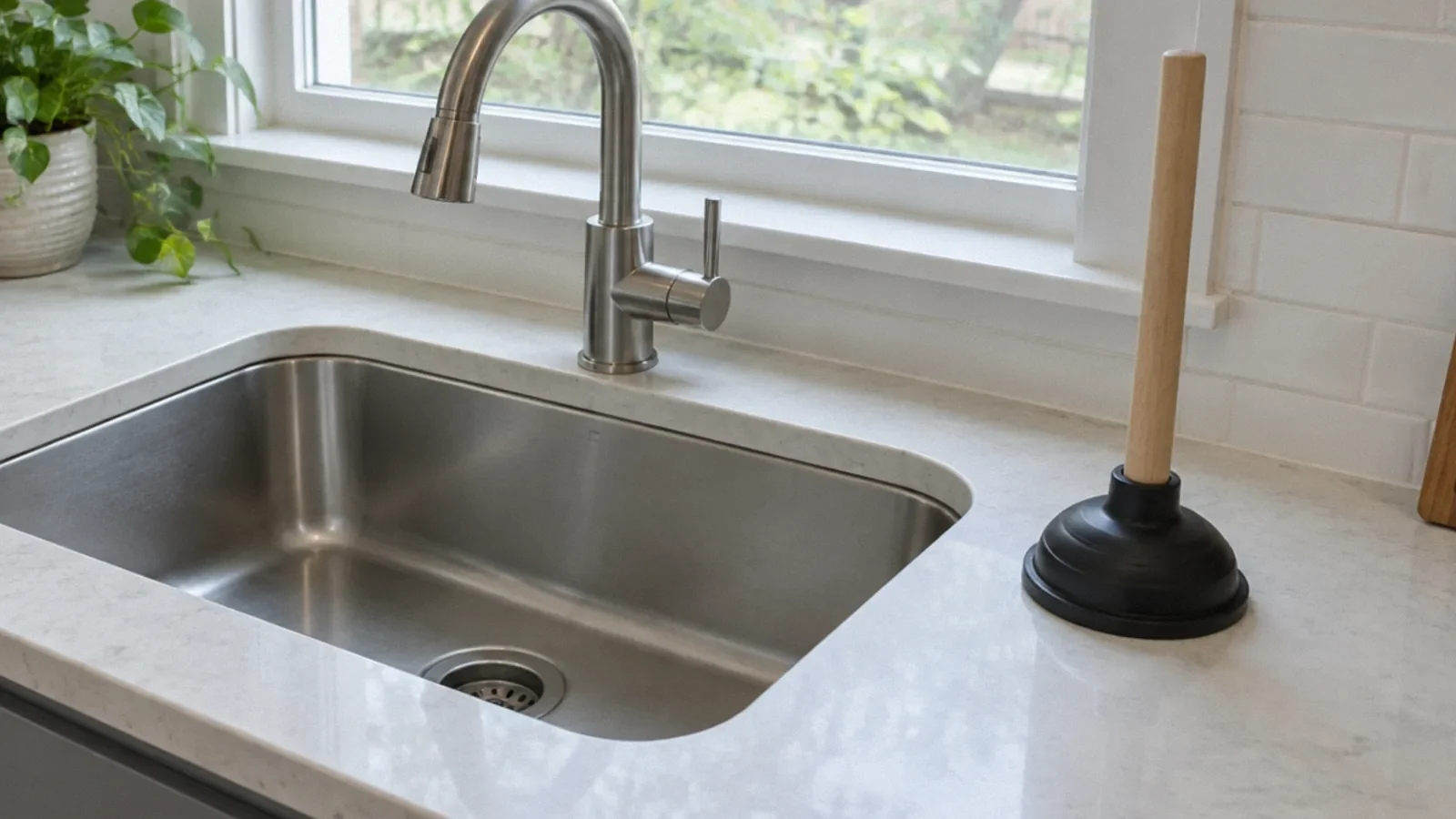
A drain or toilet may gurgle, bubble or drain slowly when airflow or wastewater movement is disrupted. Missouri health guidance lists a blocked or improperly installed sewer vent among several possible causes, along with a blocked drain, a sewer problem or a septic-system issue.
Note which fixtures are affected and whether symptoms occur when another fixture drains. One slow sink can have a local blockage, while several affected fixtures may point to a broader problem. Neither pattern proves a vent obstruction; provide the observations to a plumber.
Odors and dry traps
A sewer-like odor may come from a dry trap, a damaged connection or a venting issue. EPA notes that sewer gases can have health effects at sufficient concentrations. Do not enter a confined space or open an unknown pipe to search for the source.
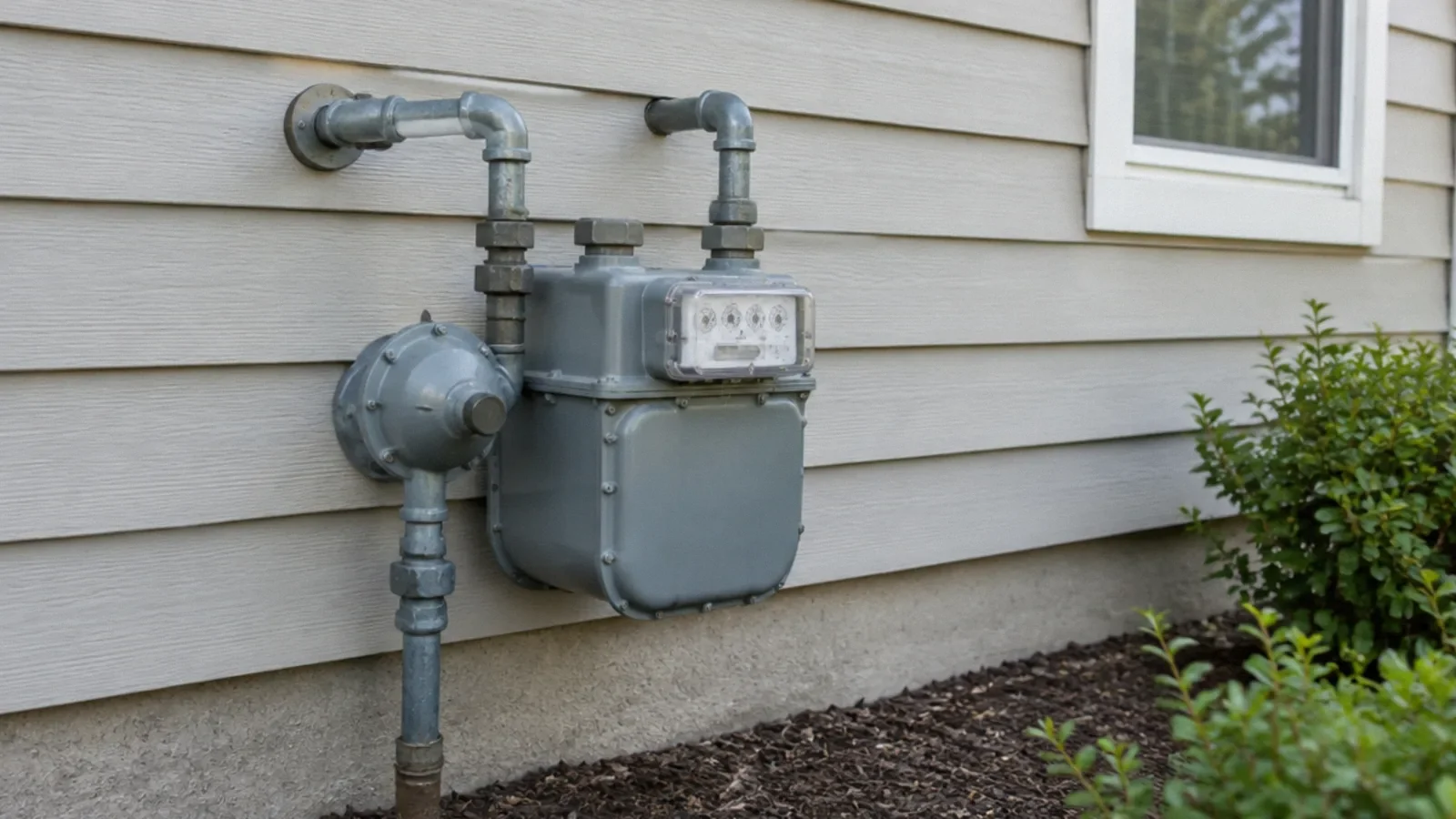
Natural gas and sewer odors can be confused. If a natural gas leak is possible, leave without operating switches or devices nearby and call 911 and the gas utility from a safe location. Once an immediate gas hazard is ruled out, a plumber can investigate the drainage system.
Roof vent obstructions
Leaves, snow, ice or other debris can obstruct a roof vent in some conditions. A vent can also be damaged or improperly configured. The right inspection method depends on the building and weather. Do not climb a wet or steep roof, reach into a vent or use a ladder unsafely.
A qualified plumber can inspect accessible components and determine whether the vent, drain or another part of the system is responsible. Ask what evidence supports the diagnosis and whether any work requires roof access, a camera or further testing.
Vent problem or main sewer blockage?
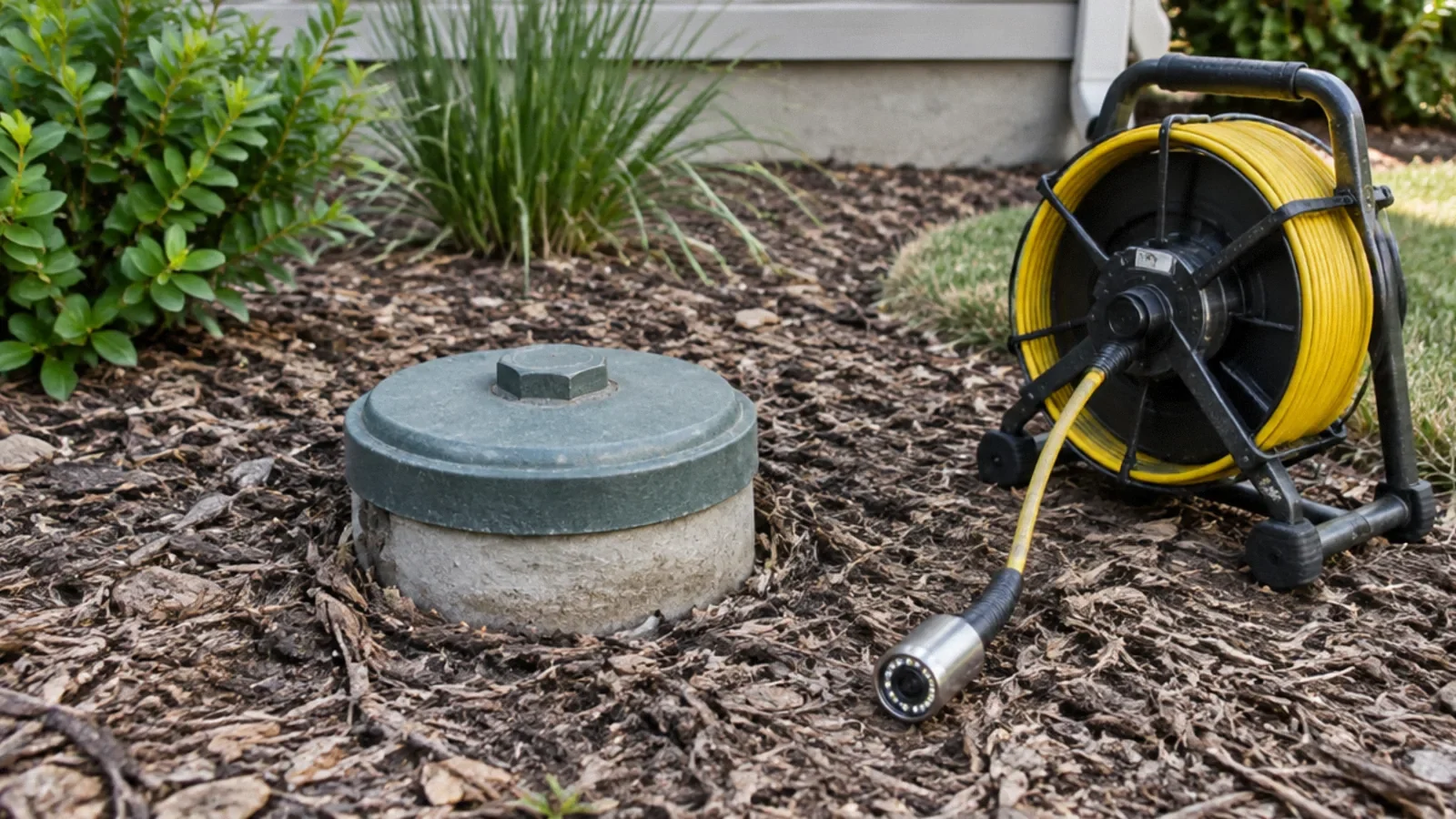
A main-line clog can also cause slow drains, gurgling and backups. If sewage is entering a fixture or floor drain, stop adding wastewater, keep people away and contact a plumber or the responsible utility. Do not open a cleanout cap while wastewater may be behind it.
A vent inspection does not replace a sewer-line assessment when several fixtures back up. The plumber may need to examine the line, cleanout, traps and vent as a system. Request the findings in writing before authorizing a major repair.
Avoid chemical and tool hazards
Do not pour corrosive cleaner into a suspected vent or mix drain chemicals. If a cleaner has already been used, tell the plumber before any tool or water is introduced; splashing can cause injury. Do not force a snake into an unknown opening or use a powered sewer machine without training.
A chemical treatment cannot repair a broken vent or identify a collapsed sewer. The goal is to find the restriction or defect and correct it using a method appropriate for that component. A persistent odor or repeat backup warrants further investigation.
What to ask the plumber
Describe when the problem began, which fixtures are affected, any sewage backup and whether the building uses a public sewer or septic system. Mention recent roof work, severe weather or previous repairs if relevant. Do not climb up to collect information.
Ask for a written scope, estimated cost, access method and explanation of what will happen if the problem is not in the vent. If camera inspection is recommended, ask for a copy of the findings and location of any defect. Keep the property manager or utility informed where responsibilities are shared.
After the repair
Ask how the contractor checked drainage and venting after the work, and monitor for recurring gurgling, slow flow or odors. A repair should address the cause, not just temporarily suppress the symptom. If contaminated water reached flooring or walls, arrange a separate cleanup and drying assessment.
Keep records of the work and follow maintenance advice appropriate to the system. Avoid putting grease, wipes and other materials that can obstruct drains into the plumbing. Never treat a recurring sewage odor as merely a cosmetic problem.
How a professional clears a vent
A plumber first considers the symptoms alongside possible drain, trap and sewer problems, then chooses an inspection route suited to the installation. Safe access, weather, roof condition and the suspected obstruction determine whether roof access or another method is appropriate.
If an obstruction is confirmed, the professional selects suitable equipment and checks that the system functions afterward. The method is not universal: forcing debris or water into an unknown pipe can worsen a backup. Ask what was found and how the result was verified.
Your next-step checklist
- Avoid roof access and unknown pipe openings.
- Note which fixtures gurgle or drain slowly.
- Leave and call for help if natural gas is suspected.
- Stop using fixtures if sewage backs up.
- Ask a plumber to inspect the vent, drains and traps.
Related questions
What are symptoms of a clogged plumbing vent?
Gurgling, slow drainage or sewer odor can occur, but these also have other possible causes. A plumber can diagnose the system.
Can a blocked vent cause slow drains?
It can contribute to drainage problems, but a local clog, main sewer blockage or septic issue may cause similar symptoms.
Should I climb on the roof to clear the vent?
Avoid unsafe roof access. A qualified professional can choose a safe inspection and clearing method.
Does a sewer smell always mean a blocked vent?
No. A dry trap, damaged connection or other problem can also cause odor. Treat a possible natural gas leak as an emergency.
Can I clean a plumbing vent on the roof myself?
Roof access and work around openings can be dangerous, and the vent may not be the cause of a drainage symptom. Avoid climbing or pushing debris into the pipe; ask a qualified plumber to diagnose the system and use safe access.
Sources & context
Public guidance supports the principles in this article. The practical questions and examples are editorial interpretation, not a site assessment or a coverage decision. State-specific rules apply only where identified.
- City of Minneapolis: Sewer safety and roof ventsmunicipal utility guidance
- Missouri Department of Health: System troubleshootingstate public health guidance
- EPA: Sewer gas and indoor air qualityfederal guidance
- City of Snoqualmie: Sewer system cleaning and plumbing ventsmunicipal utility guidance