Blot fresh ink with a clean white absorbent cloth without rubbing, and check the carpet manufacturer’s instructions before applying any product. Test a compatible treatment in a hidden area and use only the amount permitted. Permanent inks and some dyes may not come out completely; a specialist can assess delicate carpet or a large spill.
Identify the ink and carpet
Ballpoint pen ink, permanent marker, washable marker and printer ink can have different formulations. Note the product, color, age of the stain and whether liquid reached the backing. A method that works for one ink or carpet fiber may spread a different stain or damage another material.
Check the flooring manufacturer’s care guide and warranty. If the carpet is wool, silk, a valuable rug or an unknown fiber, consult the maker or a qualified cleaner before using chemicals. Keep children and pets away from the spill and any products as directed.
Blot fresh ink carefully
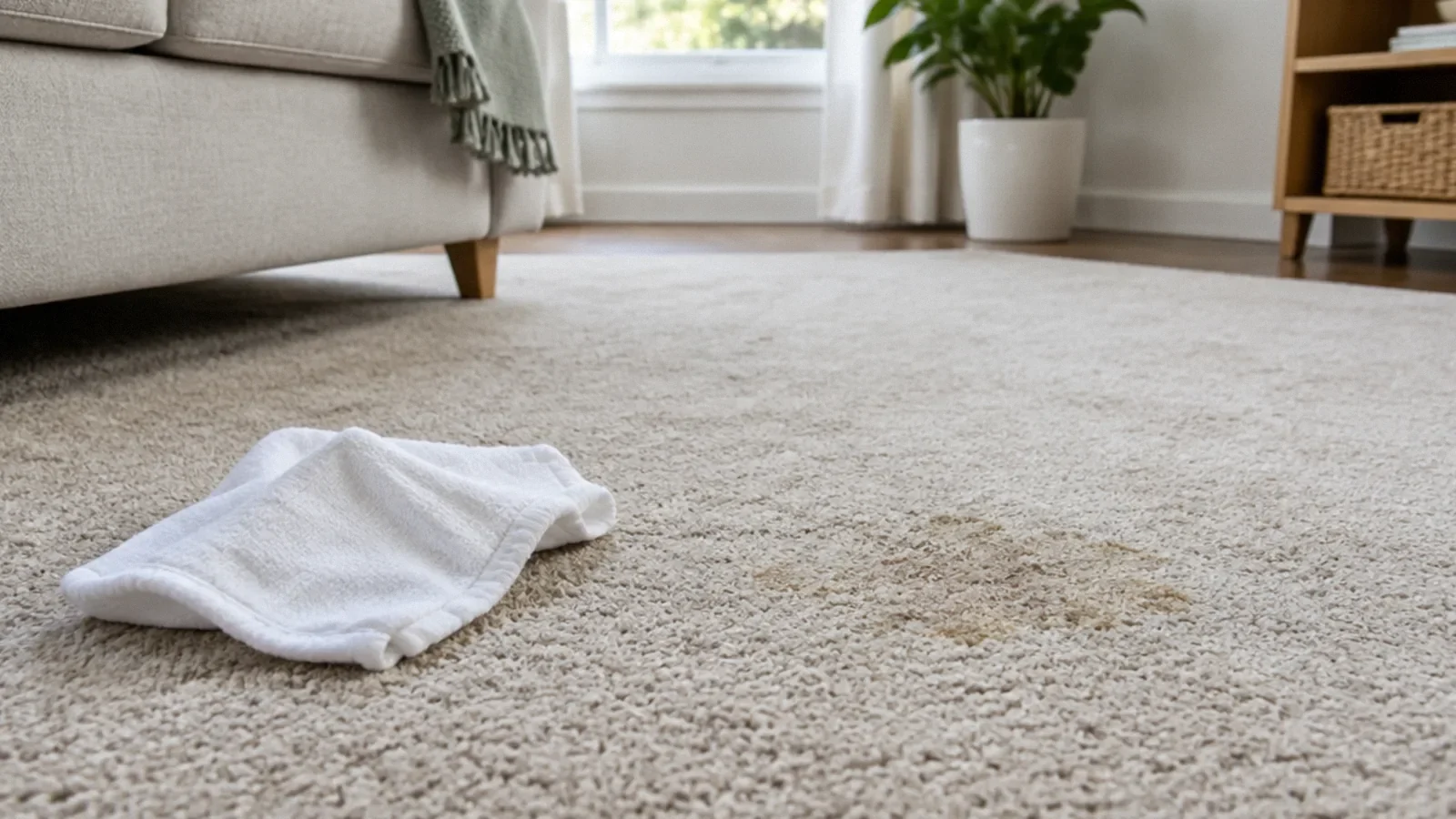
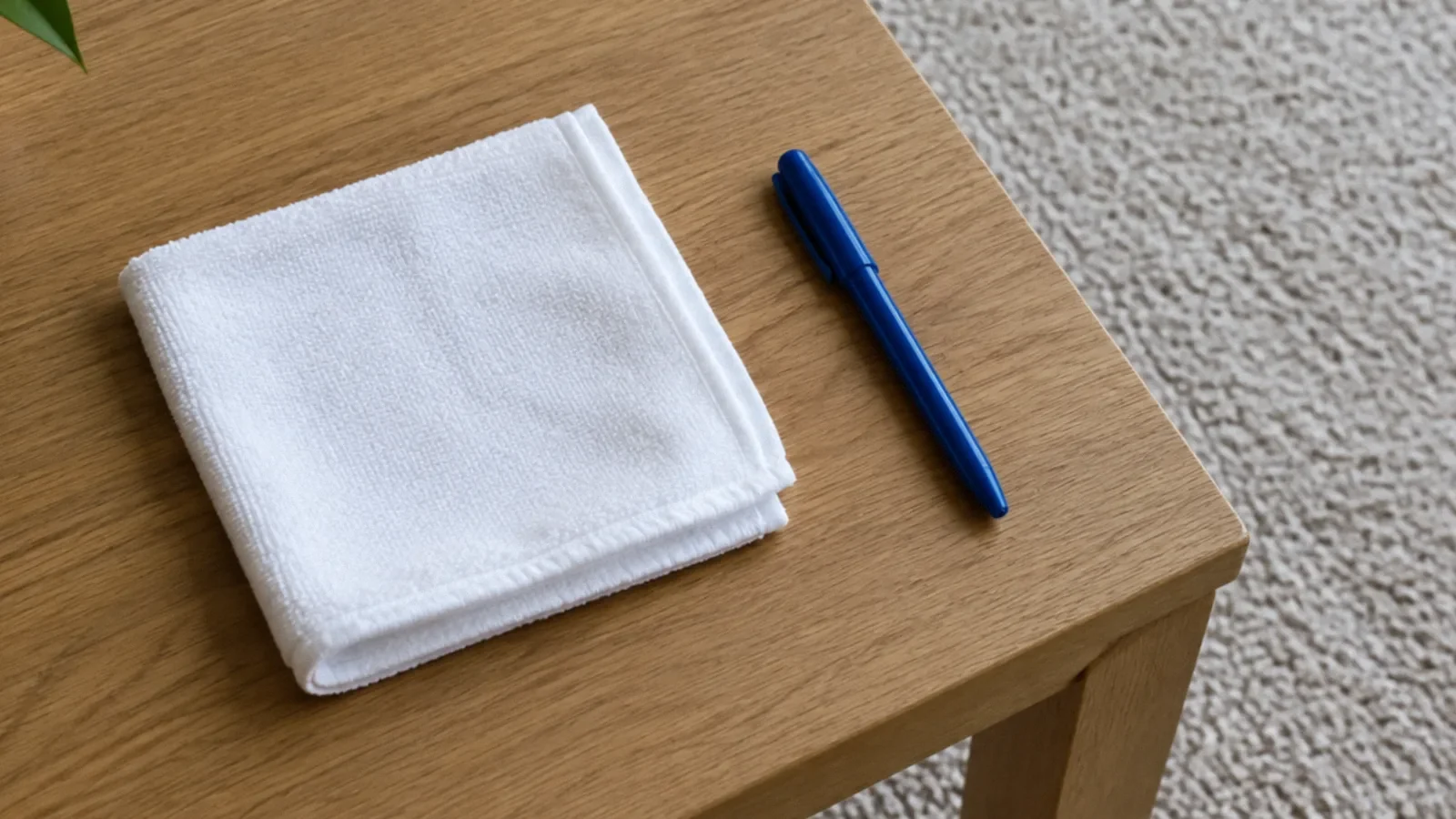
Use a clean white absorbent cloth or plain white paper towel to blot excess liquid. Work gently from the outside toward the center and move to a clean area of the cloth as ink transfers. Do not scrub or brush; University of Georgia Extension warns against rubbing ink stains in carpet.
Avoid pressing so hard that ink spreads through the backing or pad. Do not pour water or solvent directly on the spot. If a pen or cartridge has broken, handle sharp pieces carefully and follow the product’s cleanup instructions.
Choose and test a treatment
Select a spot remover that the carpet and product makers permit for the specific ink and fiber. Test it in an inconspicuous area and allow the test to dry before treating the visible mark. The Carpet and Rug Institute recommends pretesting to check for color transfer or damage.
Apply only as the label directs, typically to a clean cloth rather than by flooding the carpet. Follow any instructions for removing residue without overwetting. If the carpet dye transfers, the pile changes or the stain spreads, stop and contact a specialist.
Rubbing alcohol and other solvents
Some ink-removal instructions mention alcohol or a solvent, but these products can be flammable and may damage certain fibers, dyes, adhesives or backing. Do not assume rubbing alcohol is safe for your carpet. Use it only if both the carpet maker and product instructions support the method.
Keep flammable products away from flames, sparks and heat, provide ventilation as directed, and never mix them with other cleaners. Do not pour solvent into the carpet or allow it to soak the backing. A professional is better equipped to assess an unknown material or large spill.
Permanent and dry-erase marker
A marker described as washable or dry-erase is not necessarily removable from every carpet. Permanent marker may be particularly difficult to remove. Blot fresh ink and follow product-specific guidance rather than assuming a standard household recipe will work.
If a mark is old or has dried, avoid vigorous scraping and repeated applications of different chemicals. A cleaner can test a small area and explain whether the stain is removable or the dye has permanently changed. Do not promise complete removal from white or light carpet.
Printer and tattoo ink
Printer ink can spread when rubbed and may reach the backing. Identify whether the spill is liquid ink or dry toner and follow the manufacturer’s cleanup guidance. Do not add water or use an ordinary vacuum on an unknown toner spill without checking the equipment instructions.
Tattoo and art inks may contain pigments that behave differently from a ballpoint stain. Keep the original product information for the cleaner and avoid mixing solvents. For a large spill, a valuable rug or unknown chemicals, seek professional help rather than improvising.
Dried ink and recurring marks
A dried ink stain may require specialist treatment and may remain visible. Repeated wetting can leave cleaner residue, damage the carpet or move color into the backing. Track what you have already tried so a professional can avoid incompatible products.
If discoloration returns after cleaning, residue or material deeper in the pile may be involved, but the cause needs assessment. Check for remaining dampness and avoid replacing furniture on the area until it is fully dry. A carpet stain is not automatically evidence of mold or a leak.
When to call a carpet professional
Consider a professional for permanent ink, a large or old spill, uncertain fibers, visible color transfer or ink that reached padding. Ask for a written scope, spot test, expected drying conditions and total price. Disclose any alcohol, peroxide or other products already used.
A reputable cleaner should explain the limits of stain removal and the risk of dye damage. If a carpet or rug has sentimental or monetary value, seek a specialist familiar with its construction. Prevent recurrence by keeping pens and ink cartridges away from carpeted work areas.
Treating marker on an ordinary rug
A Sharpie is a permanent marker. For a small fresh spot on a colorfast synthetic rug, blot with a white cloth; select a carpet spot remover whose label permits both the fiber and ink, test in a hidden area and let the test dry. Apply and remove it according to its label, working inward and using a clean part of the cloth. Avoid soaking the backing.
Washable marker, ballpoint and permanent ink differ, so use the carpet and treatment manufacturers’ instructions for the specific ink. Stop if the fiber is unknown, dye transfers or the spot spreads; wool, silk, valuable rugs and stains reaching the backing need specialist advice. No method guarantees permanent ink removal.
Match the ink to a permitted treatment
For ballpoint, gel, fountain or India ink, formulations vary; first identify the rug fiber and ask its maker which labeled spot remover is compatible. For permanent marker, CRI offers a specific permanent-ink spot guide; use a labeled carpet spotter only when its instructions and the carpet maker permit it. Do not transfer laundry-only instructions to installed carpet.
For liquid tattoo or printer ink, gently blot a small fresh spill without rubbing, then consult the ink and carpet makers. Dried printer ink or extensive saturation may need a professional, while dry toner calls for the printer maker’s instructions rather than adding liquid. Red and black dyes can transfer differently; pretest and stop if carpet color moves.
Your next-step checklist
- Blot fresh ink without rubbing.
- Identify the ink and check carpet care instructions.
- Test a compatible product in a hidden area.
- Keep solvents away from flames and avoid soaking backing.
- Seek specialist help for permanent ink or a valuable rug.
Related questions
Can rubbing alcohol remove ink from carpet?
Some guides mention alcohol for particular inks, but it can damage certain fibers or backing and is flammable. Use only if the carpet maker and product instructions permit it.
Can permanent marker be removed completely?
Not always. The ink and fiber determine the result, and some dye changes are permanent.
Should I scrub a marker stain?
No. Blot gently; rubbing can spread ink and damage the pile.
How do I clean printer ink from carpet?
Blot liquid ink carefully, identify the product and follow compatible carpet care instructions. Seek help for a large spill or unknown toner.
Sources & context
Public guidance supports the principles in this article. The practical questions and examples are editorial interpretation, not a site assessment or a coverage decision. State-specific rules apply only where identified.
- Carpet and Rug Institute: Permanent ink removalindustry guidance
- University of Georgia Extension: Ink stain removaluniversity guidance
- Carpet and Rug Institute: Carpet careindustry guidance