Post-construction cleaning removes remaining ordinary construction dust, debris and residue after work. Before cleaning, identify possible lead, asbestos, silica or other hazardous materials and follow the project’s safety plan. A routine house-cleaning visit is not a substitute for specialized hazardous-material work.
What final cleaning includes
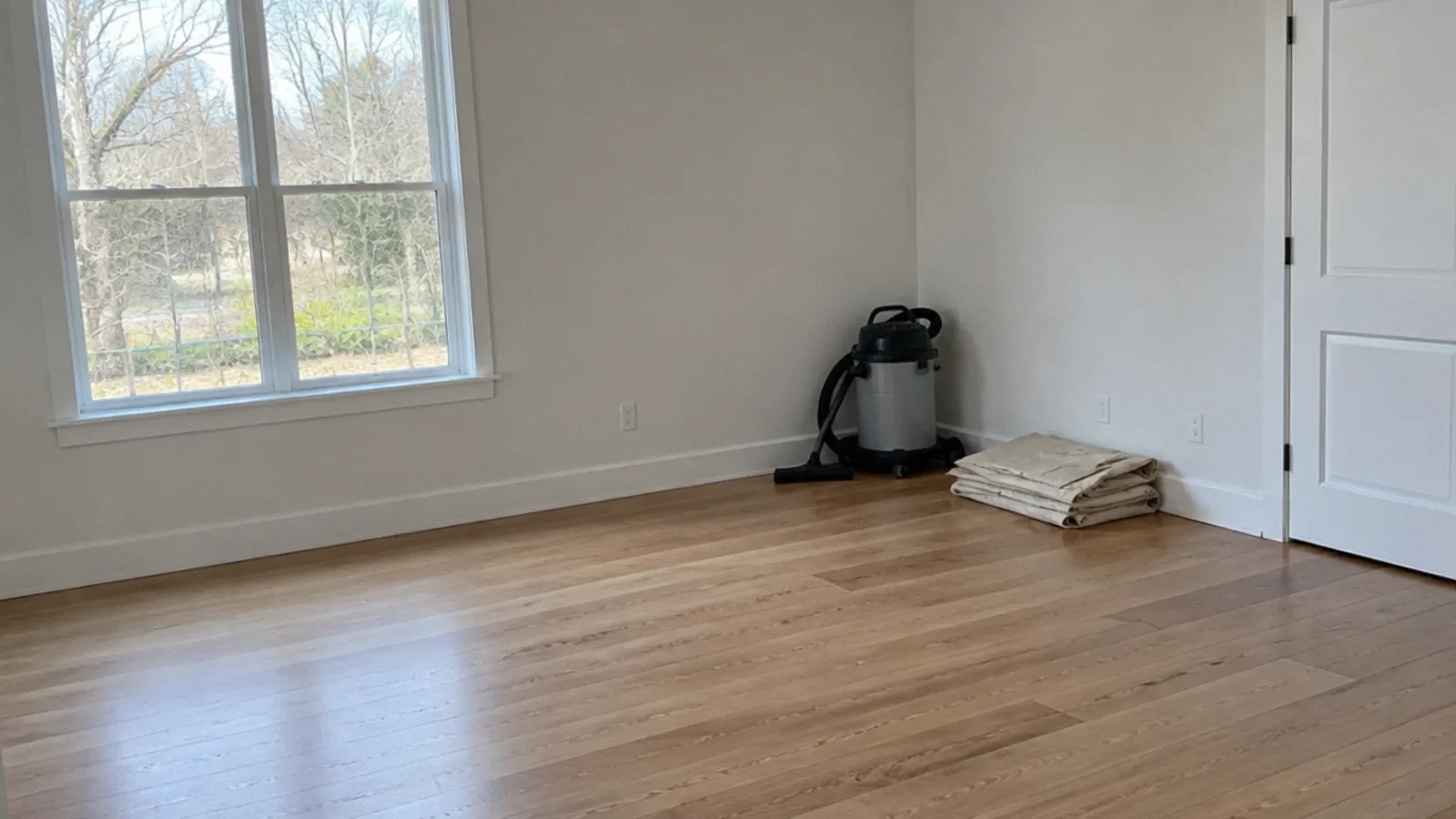
A final clean may include collecting ordinary debris, vacuuming suitable surfaces, wiping fixtures, cleaning windows and preparing finished rooms for normal use. Scope varies: a builder’s rough cleanup and a detailed post-construction clean are not necessarily the same service.
Ask the contractor to list the rooms, surfaces and exclusions in writing. Paint overspray, adhesive, window tracks, cabinets and exterior areas may require separate methods or pricing. Finished materials also have manufacturer-specific care instructions.
Identify hazardous materials before disturbing dust
Renovation dust can contain lead from old paint, silica from certain materials or asbestos from some building products. The age and work performed matter, but appearance alone does not establish whether a material is safe. If the material is suspect or the project’s hazard controls are unclear, stop disturbing it and seek qualified advice.
EPA recommends lead-safe practices for work in pre-1978 homes and advises using appropriately certified contractors where applicable. Asbestos assessment and removal require their own procedures and qualified personnel. Do not treat a general cleaning checklist as permission to sweep unknown debris.
Keep the work area controlled
Before reentry, confirm that construction work and any required hazard-specific cleaning have ended. Keep children, pets and other nonworkers out of a controlled area until the responsible professional says access is appropriate. Do not remove barriers merely because surfaces look clean.
For lead-safe renovation, EPA describes containing the work area and using HEPA vacuuming and wet cleaning before removing protective barriers. The right procedure depends on the hazard and project; visual cleanliness does not by itself prove that hazardous dust has been controlled.
Use appropriate dust-control methods
Dry sweeping or compressed air can put fine dust back into the air. EPA describes HEPA vacuuming and wet wiping for lead-safe renovation cleanup; OSHA restricts dry sweeping and compressed air for certain silica-containing dust in covered workplaces. Use equipment designed for the task and follow the project safety plan.
A standard household vacuum with a bag labeled HEPA is not automatically suitable for hazardous construction dust. Ask the responsible contractor which equipment and filters will be used, how collected waste will be handled and whether a specialist must perform the work.
Protect new finishes
Confirm that paint, grout, sealants and flooring have cured sufficiently before cleaning, and follow each manufacturer’s instructions. Excess water, abrasive pads or a strong solvent can damage new wood, stone, grout or coated surfaces. Test a permitted product in an inconspicuous area.
Cleaners should not remove protective coatings or operate unfinished equipment without authorization. Identify punch-list defects before and after cleaning so a scratch, incomplete installation or residue can be discussed with the builder. Photograph findings without disturbing suspect materials.
Plan waste and access
Agree who removes ordinary debris, packaging, protective coverings and any remaining materials. Hazardous waste or suspect asbestos-containing debris needs a separate plan and applicable disposal procedures. Do not mix an unknown material into normal household trash without guidance.
Make safe access part of the scope. Ladders, overhead fixtures, sharp fragments and wet or energized equipment create risks beyond dust. Leave electrical, structural and mechanical repairs to qualified trades instead of asking a cleaner to improvise.
Compare professional quotes
Ask whether the price covers rough and final cleaning, cabinet interiors, windows, appliances, floor protection and a return visit. Confirm what dust or residue is excluded and who is responsible for a hazard assessment. A low quote for general cleaning may not include hazardous-material controls or verification.
Request the company’s insurance information and experience with similar work. For lead-regulated projects, confirm the relevant certification and responsibilities with the renovation firm and applicable agency. Get written approval before extra work changes the scope or cost.
Reoccupy and maintain records
The responsible contractor should explain when barriers can be removed and the area can be used. Some projects call for a documented cleaning verification or independent testing; what applies depends on the work and local requirements. A clean appearance alone is not proof of lead or asbestos clearance.
Keep the scope, product instructions, photographs and any inspection or clearance records with the property documents. Replace HVAC filters only as the equipment maker or contractor directs; do not disturb an affected system until the appropriate professional has assessed it.
Your next-step checklist
- Identify the work performed and any possible hazardous materials.
- Keep the work area controlled until the responsible professional approves access.
- Agree on cleanup scope, waste handling and verification in writing.
- Follow the care instructions for new finishes.
Related questions
What is post-construction cleaning?
It is a cleanup of construction debris, dust and residue after work. The detailed scope and any hazard-specific work must be agreed separately.
Can I dry sweep renovation dust?
Avoid creating airborne dust. If lead, silica, asbestos or another hazard may be present, stop and follow the appropriate professional safety plan.
Does a clean-looking room prove lead dust is gone?
No. Visual appearance alone does not establish clearance; required verification depends on the project and applicable rules.
Who pays for final cleanup?
That depends on the contract. Review the builder’s and cleaner’s written scopes before work begins.
Sources & context
Public guidance supports the principles in this article. The practical questions and examples are editorial interpretation, not a site assessment or a coverage decision. State-specific rules apply only where identified.
- EPA: Lead-safe renovations for DIYersfederal safety guidance
- EPA: Indoor air quality when remodelingfederal guidance
- OSHA: Silica construction standardfederal workplace safety guidance