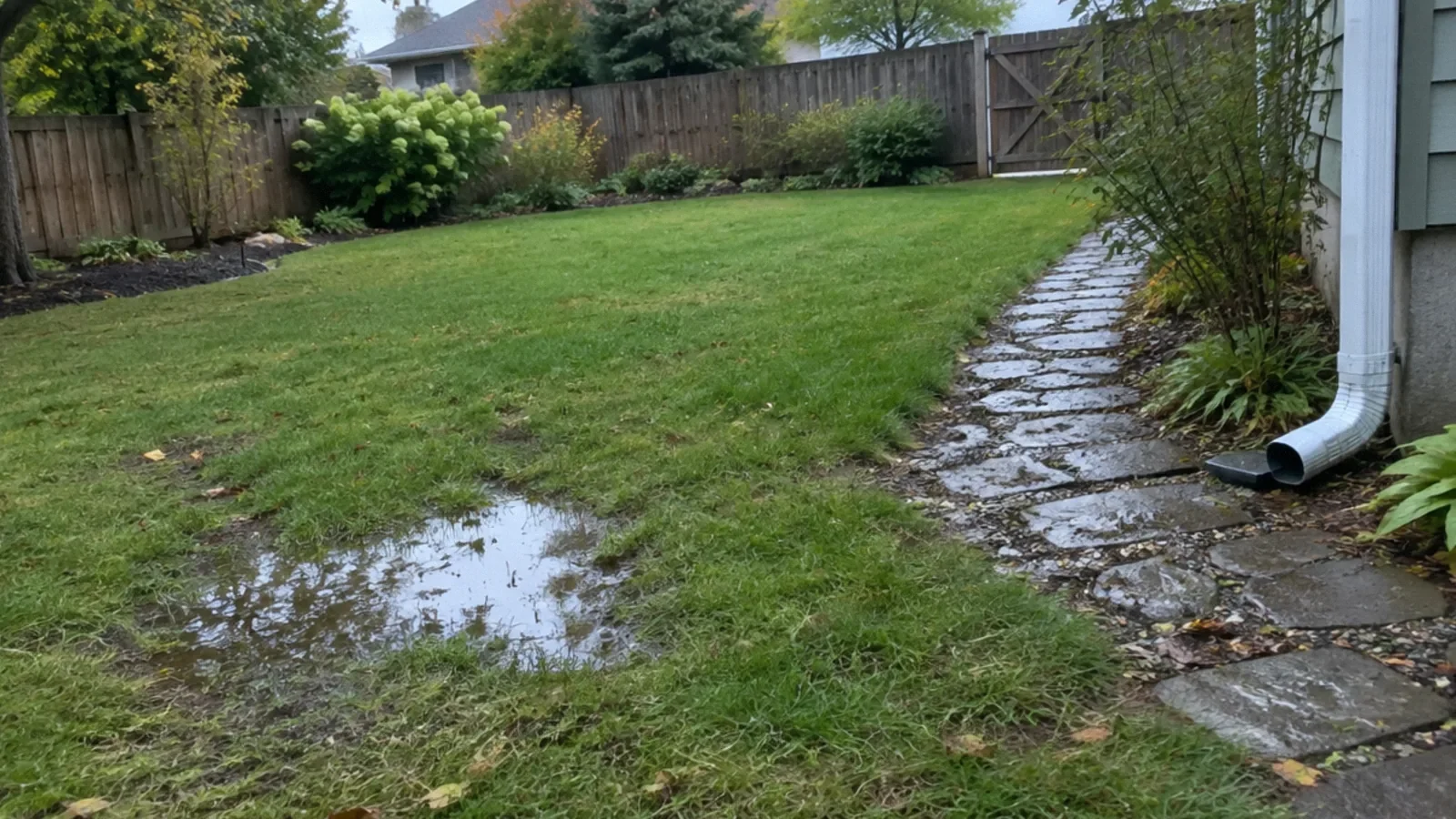
Standing water is water that remains pooled rather than draining away. Stagnant water is water with little or no movement or turnover. The terms overlap, but neither describes the water’s contamination by itself. Avoid floodwater, sewage and water near electrical equipment; identify the source before cleanup.
Standing versus stagnant water
Standing water can collect in a yard, container, basement or other low area. Stagnant describes water that is not circulating or being refreshed. A short-lived rain puddle and a long-neglected container do not necessarily have the same conditions or risks.
Color and odor alone cannot show whether water is safe. Floodwater can contain sewage, chemicals, sharp debris or electrical hazards. Do not walk or drive through floodwater or allow children and pets to play in it.
Why water remains in place
Rain can collect in low spots, blocked gutters, containers or drainage systems. Water indoors may come from a plumbing leak, appliance, sewer backup or exterior entry. Observe the situation from a safe location and identify whether water is still entering.
A puddle that disappears quickly may need a different response from repeated water near a foundation or sewage surfacing in a yard. Do not assume a drain installation will solve every problem without understanding the source and where water can be discharged.
Mosquitoes and small containers
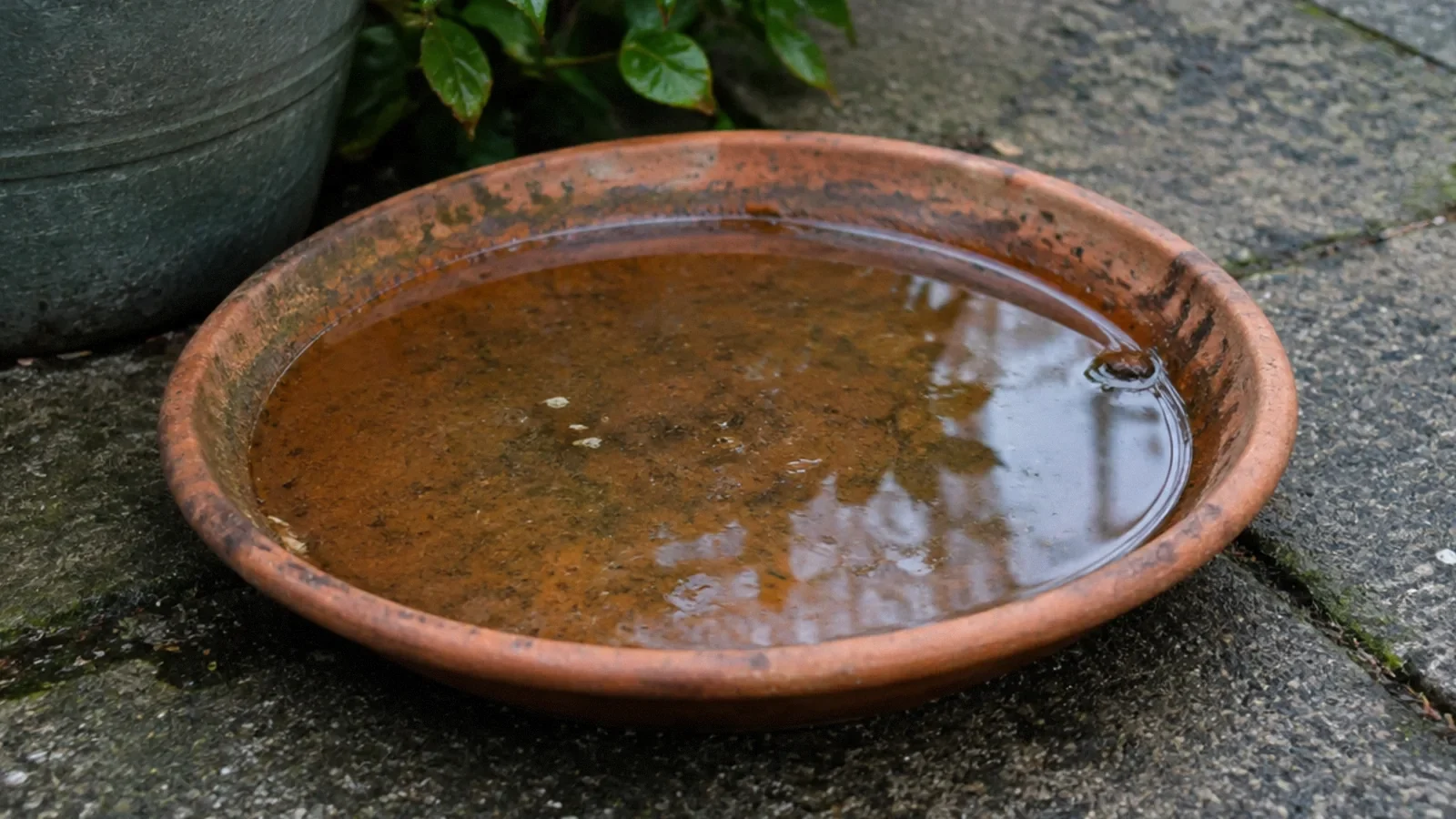
CDC advises emptying and scrubbing, turning over, covering or discarding items that hold water at least weekly, including flowerpot saucers, buckets, tires and toys. Some mosquitoes use small collections of standing water to lay eggs.
For water that cannot be safely emptied, such as a neglected pool or drainage ditch, contact the local mosquito control program or health department. Do not add chemicals or pesticides without following the product label and local guidance.
Floodwater and sewage
CDC warns that floodwater and standing water can contain physical, chemical and biological hazards. Keep away from water of unknown depth, visible debris and downed power lines. Even shallow water can be dangerous to children.
If sewage is suspected, limit access, reduce use of connected fixtures and contact the sewer utility or a qualified professional. Avoid contact and do not use an ordinary household vacuum to remove contaminated water.
Water in a building
Keep away from wet outlets, switches and electrical equipment. A wet carpet, wall or floor can retain moisture after visible water is gone. If a safe, clearly identified shutoff can stop a plumbing leak, use it; otherwise request qualified assistance.
The cleanup plan depends on water source, contamination, materials and affected area. A qualified restorer can document moisture and explain whether materials should be cleaned, dried or removed. Drying is not a substitute for repairing the source.
Drinking-water systems and stored water
Water that sits in a plumbing system or device can develop different water-quality conditions from an outdoor puddle. Follow the utility’s and device manufacturer’s guidance for flushing and maintenance. Do not assume that water from a flood or an unknown container is safe to drink.
After an emergency, follow local drinking-water advisories. If you have health concerns or a private well may have been contaminated, contact the appropriate health agency for instructions and testing.
Prevent water from returning
Remove safe, unnecessary containers that collect rain and maintain gutters and drainage paths as appropriate. For persistent yard or foundation water, have the site assessed before changing grading or adding a drain. Consider local rules and effects on neighboring properties.
After a leak, document repairs and monitor the area for renewed moisture. Ask a professional how the source was corrected and what maintenance is needed. Prevention focuses on the actual pathway, not simply covering a recurring wet spot.
If standing water is on public property or a neighboring parcel, report it to the responsible local agency rather than entering or altering the area yourself. A mosquito control district can explain what assistance is available and whether additional action is appropriate.
Your next-step checklist
- Keep away from floodwater, sewage and downed wires.
- Identify the source before attempting cleanup.
- Empty and scrub safe water-holding containers weekly.
- Contact local mosquito control for areas that cannot be drained safely.
- Repair leaks and verify affected materials are dry.
Related questions
What is standing water?
It is water that remains pooled instead of draining away.
Is stagnant water always contaminated?
No single appearance establishes contamination. Stagnant water can pose different risks depending on its source and surroundings.
Can mosquitoes use a small puddle?
Some mosquitoes lay eggs in small water-holding containers. CDC recommends checking and emptying suitable containers weekly.
Should I enter a flooded basement?
Do not enter water near electrical equipment or suspected sewage. Obtain qualified help and follow emergency guidance.
Why does standing water smell?
Organic material, sewage or other contaminants can cause odors, but smell does not identify the contents or establish safety. Avoid unknown water and ask the appropriate utility or local health agency about suspected contamination.
Sources & context
Public guidance supports the principles in this article. The practical questions and examples are editorial interpretation, not a site assessment or a coverage decision. State-specific rules apply only where identified.
- CDC: Mosquitoes after floodingfederal health guidance
- CDC: Floodwater safetyfederal safety guidance
- CDC: Community mosquito controlfederal health guidance