Exterior foundation sealing can be part of a water-management system, but the right repair depends on the water source, foundation condition, drainage and site. Investigate roof runoff and grading first, and obtain a site-specific professional assessment before excavation.
Start with the water pathway
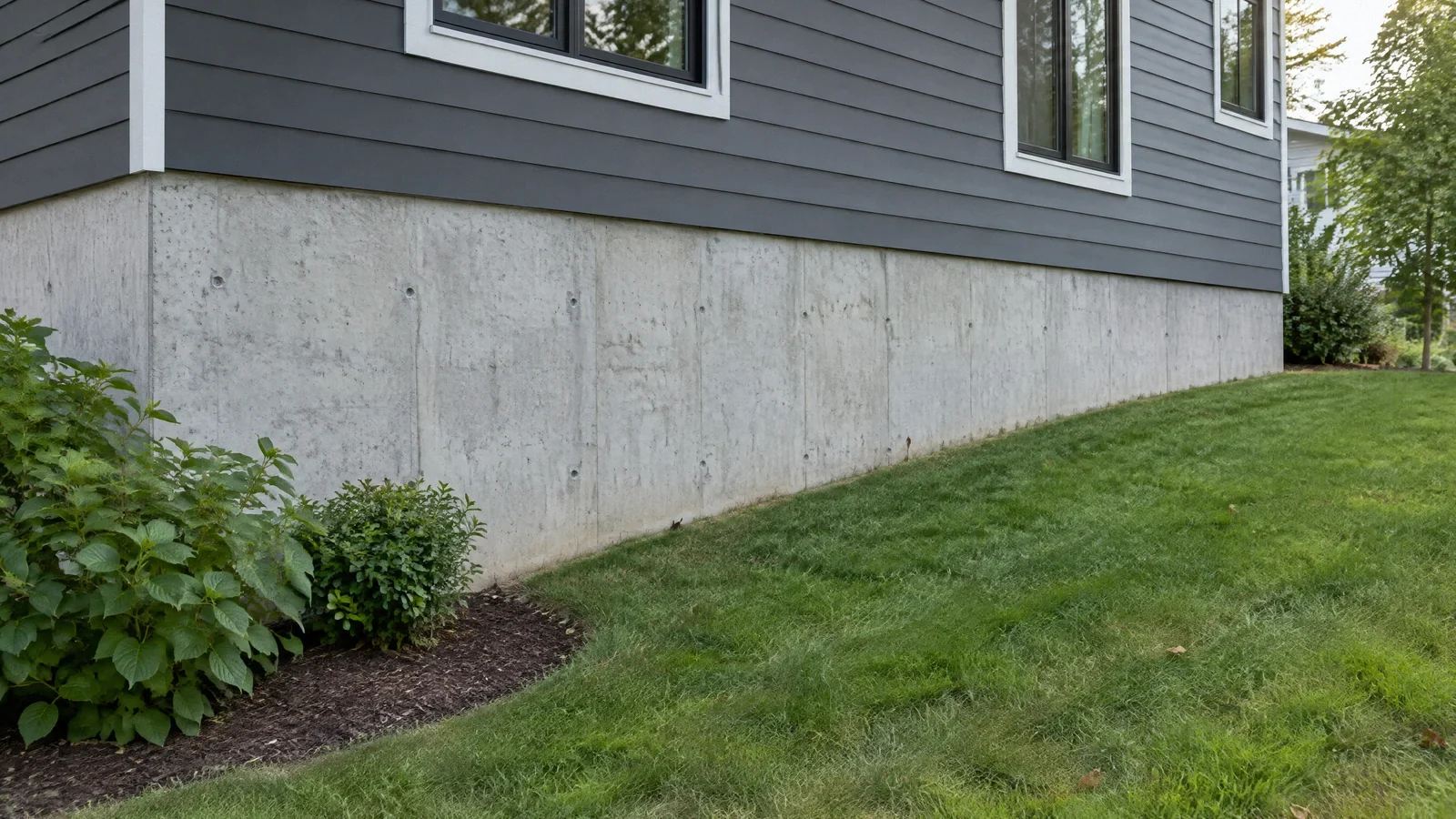
Exterior sealing addresses water at the outside face of a foundation, but not every wet basement needs the same treatment. Rainwater overflowing gutters, downspouts discharging beside a wall, inward-sloping ground, a plumbing leak and groundwater pressure are different problems. A coating cannot repair a leaking pipe or reliably compensate for unmanaged surface runoff.
Record when and where moisture appears. A leak only during heavy rain, staining around a pipe penetration and persistent seepage at a wall-floor joint are useful clues, not diagnoses. Photographs before and during changing conditions can help the inspector plan further investigation. Avoid entering standing water or touching wet electrical equipment.
Manage roof and surface water
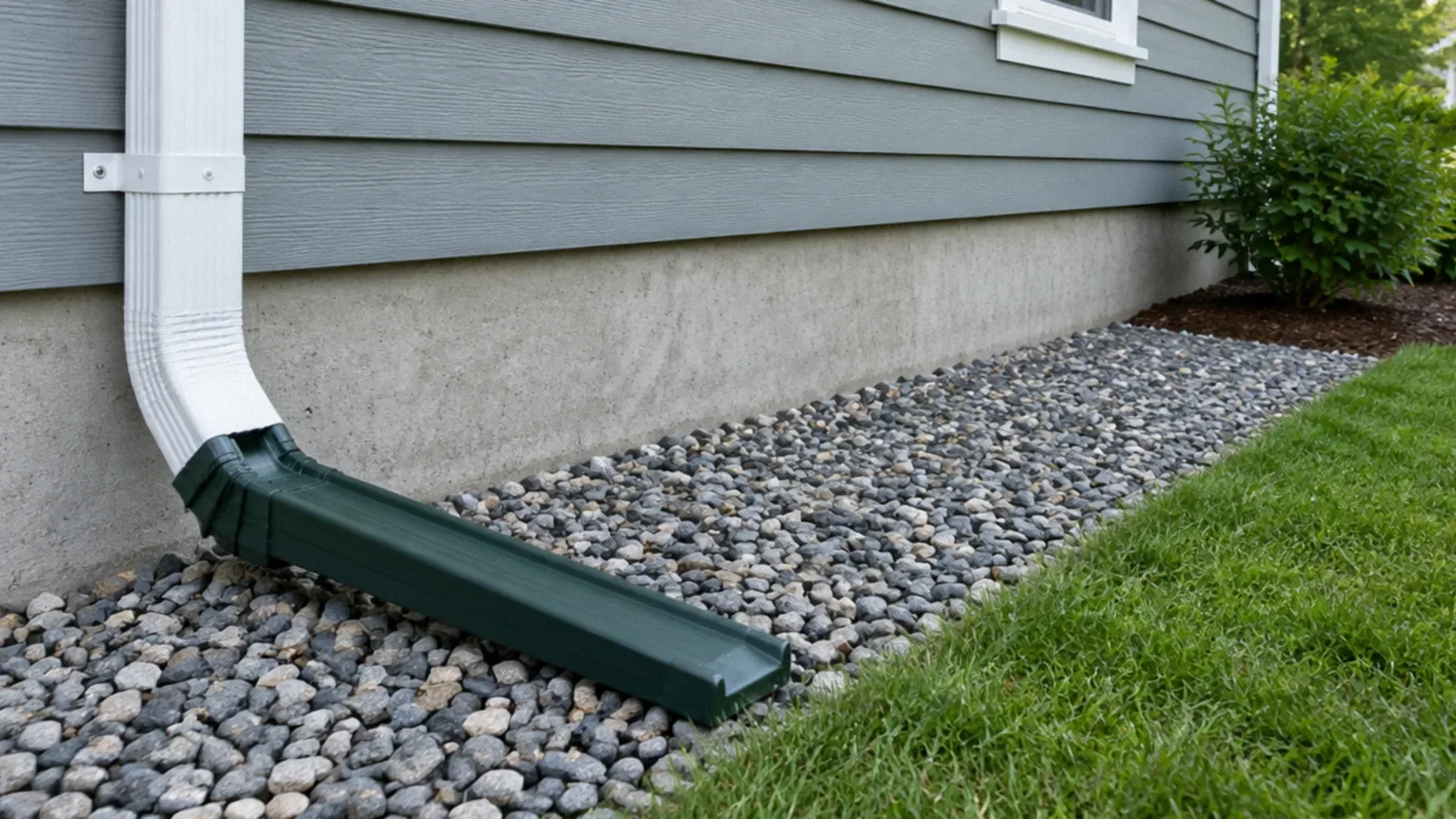
The Department of Energy explains that water from a roof can saturate soil next to a foundation if it is not carried away. Gutters, maintained downspouts, grading and a suitable discharge location are part of the overall water-management plan. Ask a contractor to assess whether the site can shed water away from the building without directing it toward a neighboring property.
A downspout extension or regrading may help in an appropriate situation, but neither is a universal remedy for groundwater, a damaged foundation or a failed footing drain. Local rules, property boundaries and site conditions matter. Follow the water through the whole route, including where it ends, rather than focusing on a single component.
Understand coating and drainage roles
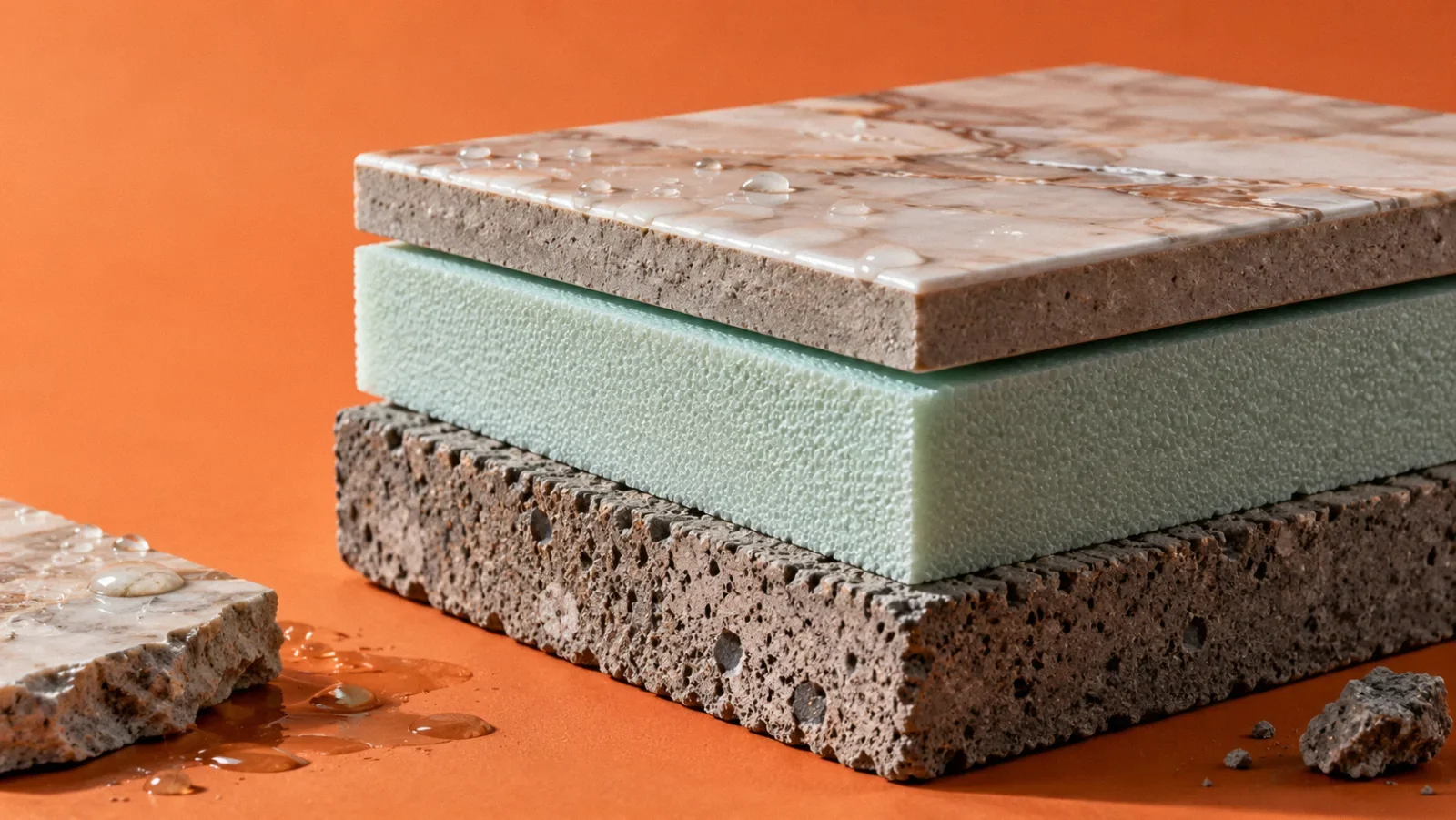
Exterior systems may include a coating or membrane applied to a prepared foundation wall, protection or a drainage layer, and a footing drain leading to an approved outlet or sump. Materials and details vary by foundation type, exposure and manufacturer. Ask whether the proposed product is intended for damp-proofing or waterproofing, and what conditions it is designed to handle.
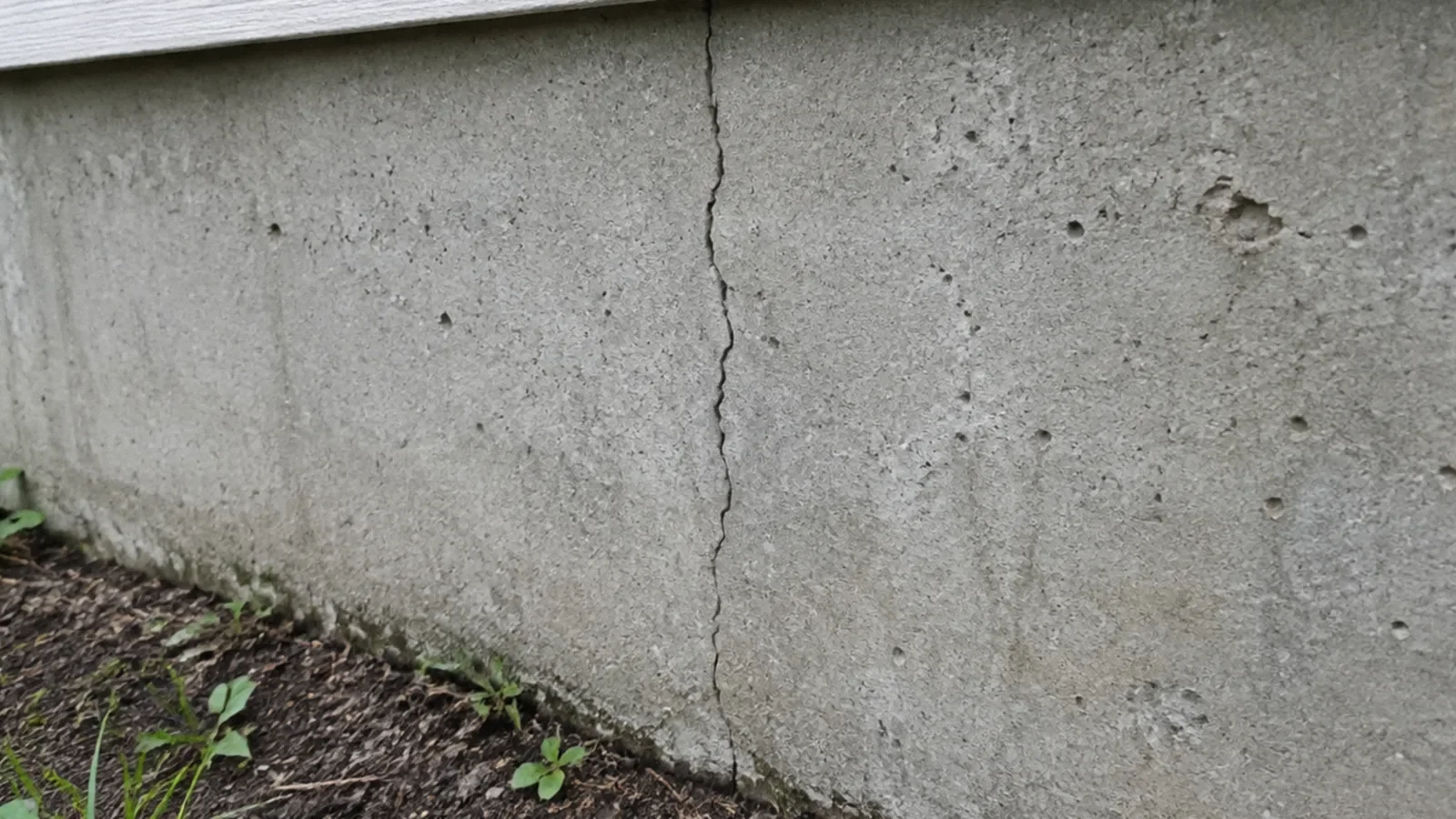
A membrane limits water entry across the treated surface; drainage manages water that accumulates beside the wall. Neither term guarantees a dry basement under every condition. The contractor should explain how the system treats joints, penetrations, cracks and transitions, and whether the existing footing drain is functional and accessible.
Excavation changes the scope
Installing a full-depth exterior system on an existing building generally requires excavation along the affected wall. Utilities, nearby structures, landscaping, access and soil conditions affect feasibility. Excavation beside a foundation can be hazardous and can affect support; it is work for a qualified contractor using an appropriate plan, not a homeowner trenching project.
Before work begins, ask about utility location, permits, protection of adjacent structures, soil handling and restoration of paving or landscaping. If the wall shows bowing, displacement or significant cracking, obtain an appropriate structural assessment before assuming sealing alone is sufficient. A waterproofing proposal should not substitute for that evaluation.
Compare proposals on the same scope
A useful written proposal identifies the area and depth to be excavated, substrate preparation, repairs to cracks or defects, the membrane or coating, drainage and discharge, backfill and surface restoration. Ask which conditions are assumptions and how discoveries during excavation will change the price or timeline. Request product documentation and the contractor’s maintenance instructions.
Compare warranties carefully: who provides them, what work and areas are covered, what exclusions apply, and what maintenance is required? A warranty is not evidence that the cause has been correctly diagnosed. Obtain clarity on permits and responsibility for restoring utilities, irrigation and finishes.
Consider alternatives and limits
Where surface runoff is the main problem, correcting gutters, downspouts and grade may be the first useful step. In other situations an interior drainage system, sump pump, targeted repair or exterior waterproofing system may be appropriate. These measures manage water at different points and may be combined; selection depends on the building and site.
A contractor should explain why a proposed system fits the observed conditions and what it will not address. For example, an interior drain can collect water that reaches its path but does not itself seal the outside wall. No system eliminates the need to maintain roof drainage and inspect for new leaks.
Verify and maintain
Document conditions before work, keep the final scope and photographs, and ask for a walkthrough before excavated work is covered. Confirm where collected water goes and what access is available for future maintenance. If a sump pump is included, request its testing and backup-power instructions.
After repair, monitor the previously affected areas through relevant rainfall and seasonal conditions. A clean wall on a dry day does not prove the system’s performance in heavy rain. Record recurring dampness and contact the contractor promptly, while continuing routine gutter and drainage maintenance.
Ask how water at the wall top and any penetrations will be managed, and whether landscaping will preserve the intended grade after backfilling. These details affect the whole system, including portions outside the treated wall.
Your next-step checklist
- Document the location and timing of moisture.
- Assess gutters, downspouts and grading.
- Seek structural advice when the wall is displaced or deteriorating.
- Compare complete written scopes, drainage outlets and exclusions.
- Monitor the area after work through wet weather.
Related questions
Will exterior sealer stop every basement leak?
No. Its effectiveness depends on the water pathway, application and drainage system. Plumbing leaks and unmanaged runoff require their own solutions.
Does a coating replace a foundation drain?
They perform different functions. The appropriate combination depends on the site and design.
Should I excavate the wall myself?
Excavation near a foundation and utilities presents serious hazards. Use a qualified contractor with an appropriate plan.
Sources & context
Public guidance supports the principles in this article. The practical questions and examples are editorial interpretation, not a site assessment or a coverage decision. State-specific rules apply only where identified.
- DOE: Foundation Drain, Gutters and Downspoutsfederal guidance
- Department of Energy: Stormwater, Gutters and Downspoutsfederal guidance