Residential sprinklers respond to heat at individual heads and can control a fire while occupants escape. They complement smoke alarms and an escape plan; design, installation and maintenance require qualified professionals.
How a residential system responds
A home fire sprinkler system has a water supply, piping and individual sprinkler heads placed according to a specific design. A heat-sensitive element at a head releases water when the temperature at that head reaches its activation threshold. The heads operate individually: a smoke alarm or burnt toast does not normally cause every sprinkler in the house to spray. A severe fire can activate additional heads if heat reaches them.
The purpose is to control or suppress fire early, giving occupants time to escape and firefighters a safer situation. It is not a reason to stay inside and investigate a fire. Leave immediately according to your escape plan and call emergency services from a safe place.
Sprinklers and smoke alarms have different jobs
Smoke alarms alert occupants; sprinklers react to heat and apply water. Keep working smoke alarms and carbon monoxide alarms as required, practice an escape plan and identify two ways out where possible. A sprinkler is not a substitute for a warning device, and a smoke alarm cannot put out a fire.
Ask your fire department or installer how the system and alarms in your home interact. Do not assume that water flowing from a sprinkler automatically calls the fire department. If there is a fire, get outside and call emergency services even if a sprinkler appears to have controlled it.
Water supply and system layout
A residential system may share a home’s water supply or use an arrangement designed for the property. Water pressure, flow, pipe routing, freezing risk, room layout and local requirements affect the design. A contractor needs to evaluate the actual supply and applicable code. A drawing or generic online estimate cannot establish whether an existing service is adequate.
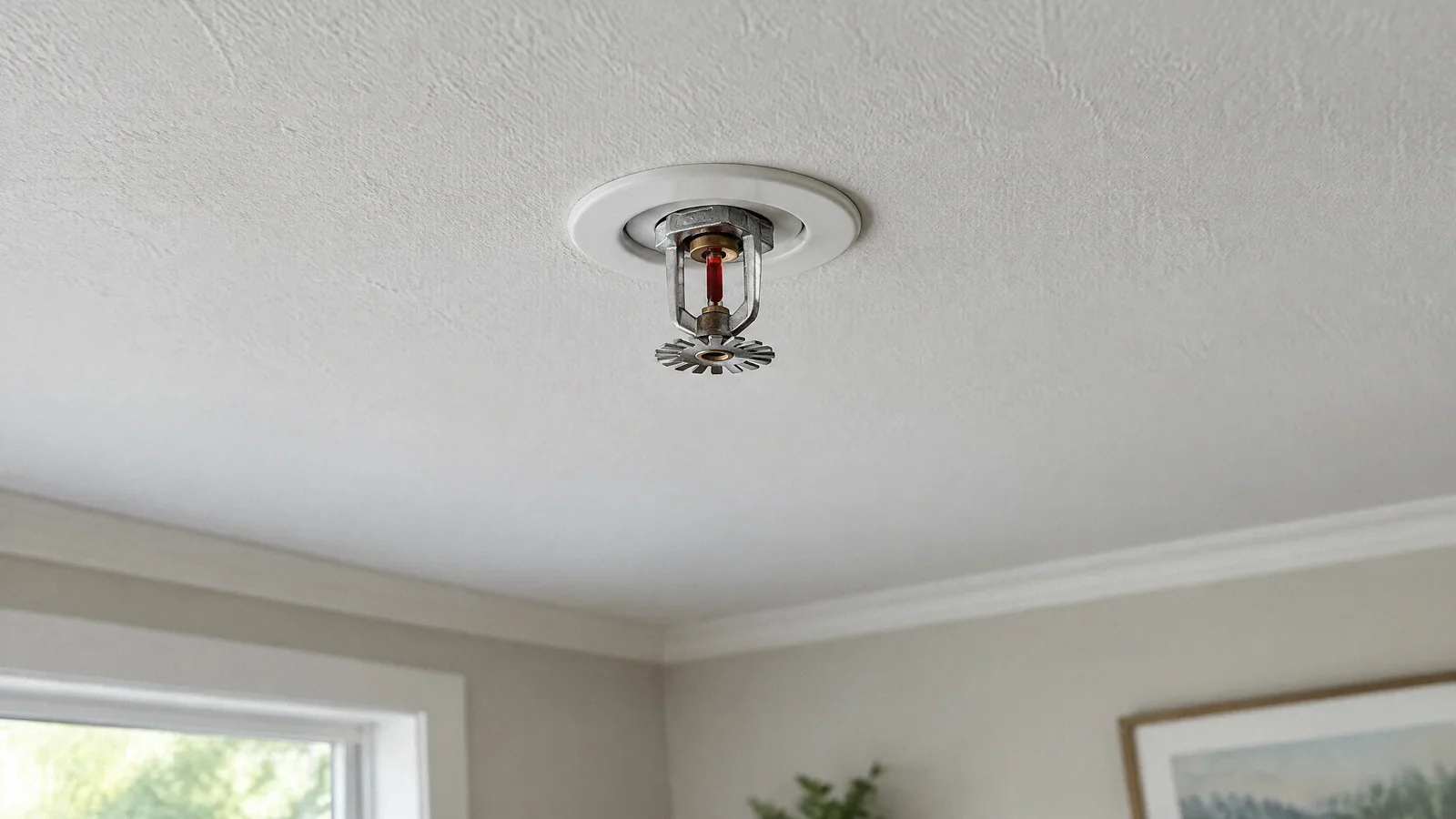
Heads can be recessed, concealed or pendant-style. Their placement and listed components are part of the approved design. Do not hang items from a head, block it with storage or cover it with paint. If the room layout changes, consult the installer about clearances and whether the design still fits.
New construction and existing homes
Installing during construction or a major remodel can make piping access easier, but existing homes can also be evaluated for a retrofit. Ask a qualified residential fire sprinkler contractor to survey the home, water supply and concealed spaces. Local permits, inspections and standards vary by jurisdiction; confirm requirements with the authority having jurisdiction rather than assuming a national rule applies unchanged.
Request a written scope identifying the spaces protected, water-supply changes, wall and ceiling repairs, permits, inspection and documentation. Ask how the installer will protect piping from freezing. If only part of a home is included, understand the limitation and whether additional work is needed.
Water damage and accidental discharge
A sprinkler that operates releases water, so belongings and finishes can be damaged. USFA notes that residential sprinklers generally use less water than firefighting hose lines and can limit fire and smoke damage by acting early. The actual outcome depends on the fire, system and response; no installation guarantees a particular amount of loss.
If a head is damaged or leaks without a fire, move people away from the affected area, contact the responsible system professional and follow the system-specific emergency instructions. Avoid wet electrical equipment. Do not remove or replace a head yourself or turn off a valve unless an authorized professional or emergency responder directs you.
Maintenance and changes to the home
Keep the system’s documentation, installer contact and inspection history accessible. Follow the installer, manufacturer and local authority on inspection and maintenance. Know where the control valve is and ensure it remains in its required operating position; an isolated supply can prevent a system from working. A qualified professional should investigate damaged, painted, obstructed or leaking components.
Before painting, remodeling, changing ceilings or adding tall storage, ask how to protect the system and whether the work affects coverage. Never paint a sprinkler head or conceal its cover with a decorative finish. Do not test a head with heat or attempt to reset one after it operates.
Questions for a contractor
Ask whether the proposal uses equipment listed for residential use and which standard and local requirements govern the design. Ask for the proposed water supply, protected spaces, permit process, inspection, maintenance instructions and any ongoing service obligations. An insurer may offer a discount, but confirm eligibility and terms with your own carrier rather than treating savings as guaranteed.
Keep the final plans, acceptance records and emergency instructions with other home records. Review the escape plan with everyone in the household. The most useful system is one that is properly designed, maintained, unobstructed and understood before an emergency occurs.
Your next-step checklist
- Identify the situation and document relevant conditions.
- Address the underlying cause before repairing or replacing affected materials.
- Use qualified help when hazards or the scope exceed your abilities.
- Keep inspection, repair and follow-up records.
Related questions
Do all sprinkler heads operate at once?
Residential heads respond individually to heat; additional heads can activate if a fire spreads.
Do sprinklers replace smoke alarms?
No. Maintain smoke alarms and an escape plan alongside the sprinkler system.
Sources & context
Public guidance supports the principles in this article. The practical questions and examples are editorial interpretation, not a site assessment or a coverage decision. State-specific rules apply only where identified.
- Home Fire Sprinklersprimary
- Home Fire Sprinklers Save Livesprimary