There is no single replacement age for every plumbing system. Material, water chemistry, installation and condition matter. Repeated leaks, corrosion, low flow or a known lead service line justify investigation; a qualified plumber can help determine whether a local repair or broader replacement is appropriate.
Start with the type of pipe
Supply pipes carry drinking water under pressure, while drain and sewer pipes carry wastewater away. Their materials, failure patterns and repair options differ. An old house can contain several materials and sections installed at different times, so construction year alone does not identify every pipe.
A plumber can inspect accessible areas and review prior records. Hidden pipes, wall cavities and underground lines may need additional investigation. Ask the professional to distinguish what was observed from what remains unknown rather than assuming an entire system has the same condition.
How long can pipes last?
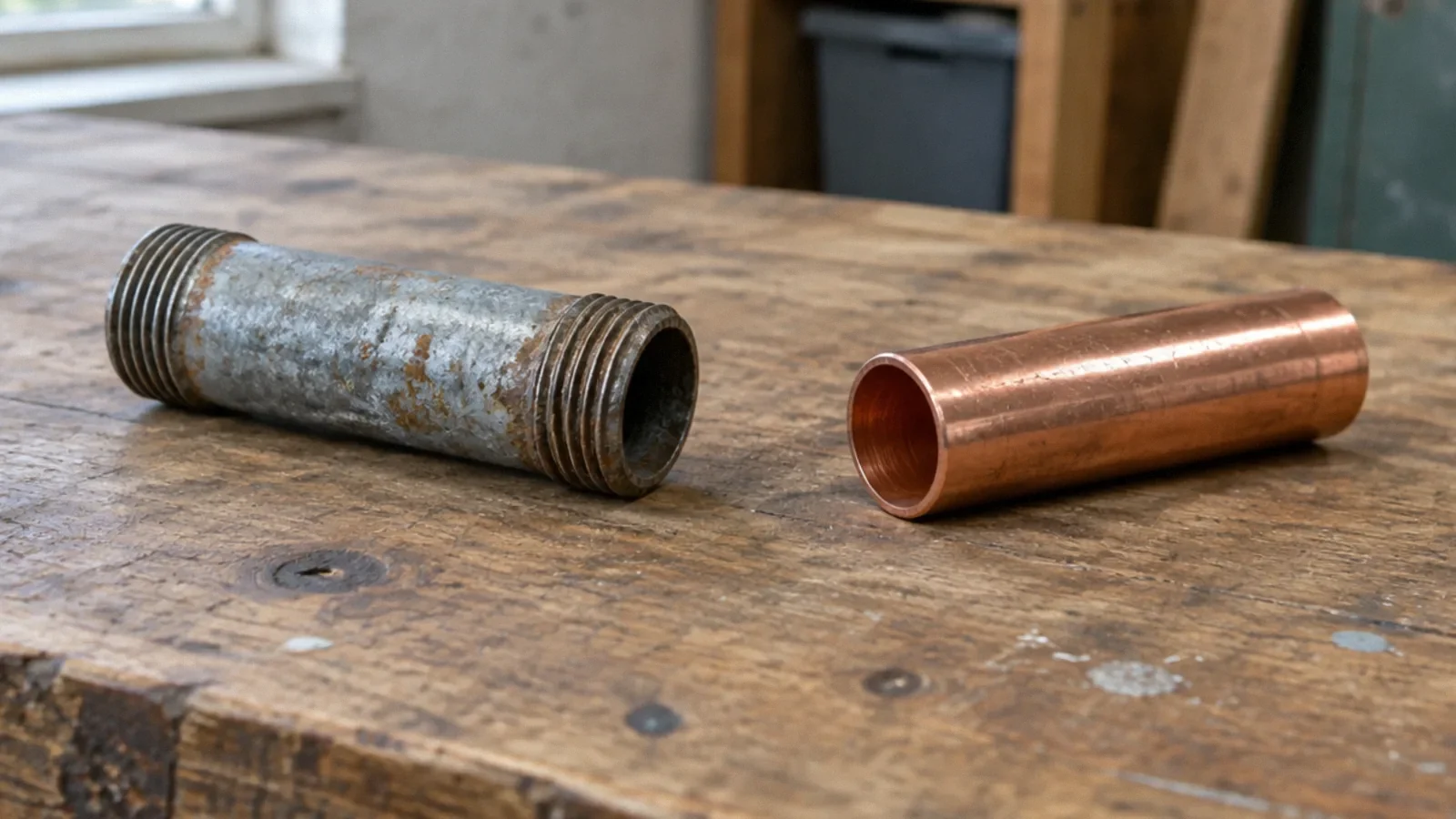
A HUD residential inspection guide describes a historical service-life range of 20–50 years for galvanized steel, depending on pipe and joint quality and water mineral content; it describes copper as commonly lasting 50 years or more. These are general planning estimates from the guide, not guarantees or deadlines for an individual house.
A pipe can fail earlier or remain serviceable longer. Water chemistry, corrosion, previous repairs, pressure, installation and mechanical damage influence condition. Plastic products and sewer lines have their own specifications and histories; ask for information about the actual material rather than applying a copper or steel estimate to everything.
Signs of deterioration
Repeated pinhole leaks, visible corrosion at fittings, recurring wet spots, reduced flow or discolored water can justify assessment. HUD notes that rust and mineral deposits can reduce flow in galvanized steel. These symptoms have other possible causes, including a fixture or utility issue, and do not by themselves prove every pipe needs replacement.
If water is near electrical equipment, stay clear. Stop an active supply leak only using a known shutoff that can be reached and operated safely. Photograph accessible damage when safe, note when it occurs and contact a plumber. Do not open walls or disturb suspect materials without an appropriate plan.
Lead and drinking-water concerns
Lead can enter drinking water from a service line, solder, fixtures or other plumbing components. EPA says testing drinking water is the only way to confirm whether lead is present in that sample and recommends using a certified laboratory. A pipe’s age or color alone cannot establish the lead level at the tap.
Contact the water utility about the service-line material and available records or testing. If concerned, follow current EPA and utility advice, including using cold water for drinking and cooking and a filter certified for lead reduction when appropriate. Boiling water does not remove lead. Discuss individual health concerns with a clinician.
Repair a section or repipe?
A localized leak in an otherwise suitable system may be repairable. Repeated failures, extensive corrosion, unavailable compatible parts or a planned renovation can justify considering a broader replacement. Compare the condition and accessibility of the remaining sections with the cost and disruption of each option.
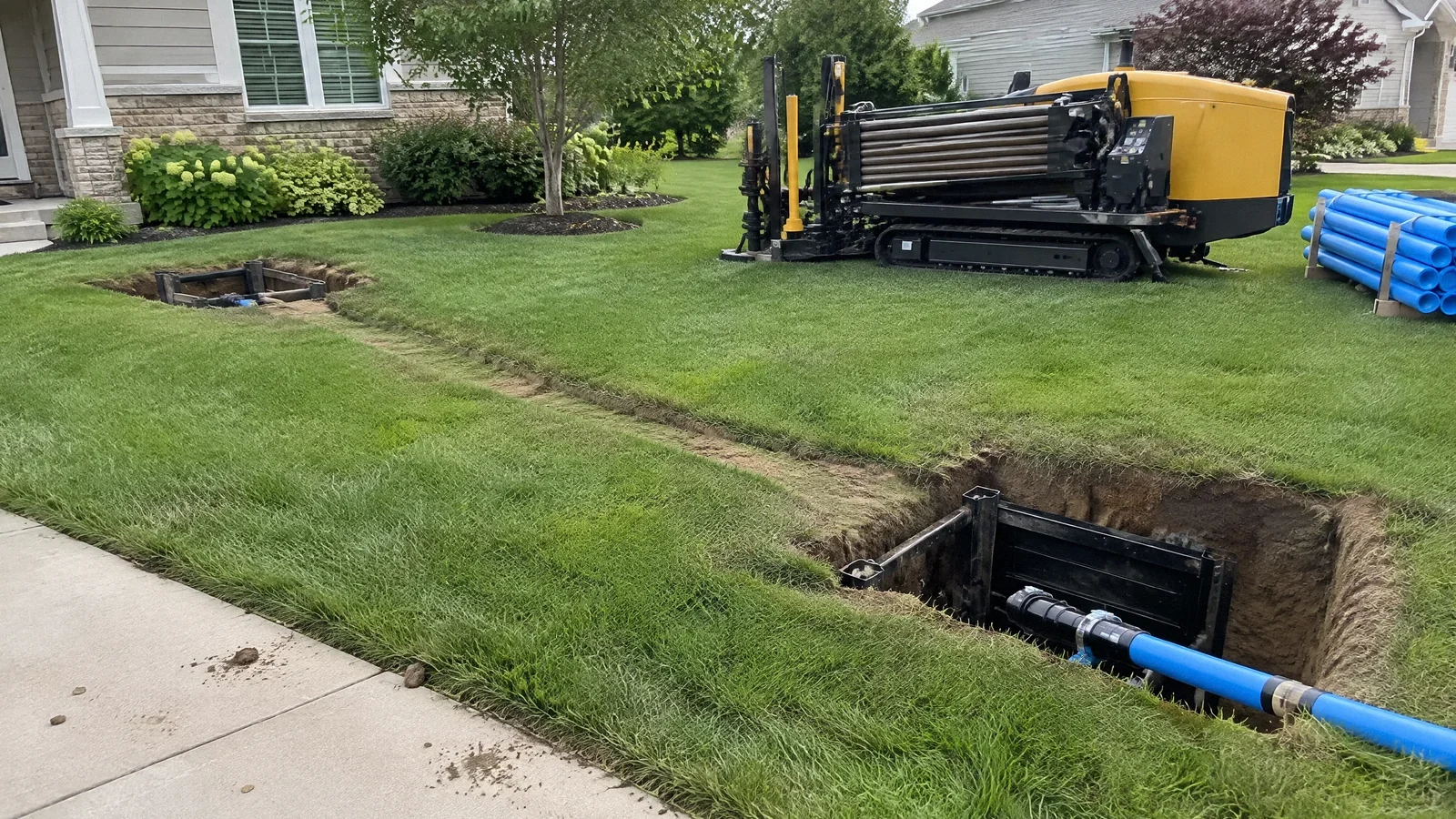
A repipe may involve opening walls or ceilings, temporary water interruption, testing and finish repairs. Ask which fixtures and sections are included, whether the service line is separate, how the work area will be protected and who restores damaged finishes. Obtain a written scope and avoid assuming a new interior pipe replaces an older underground line.
Choosing replacement materials
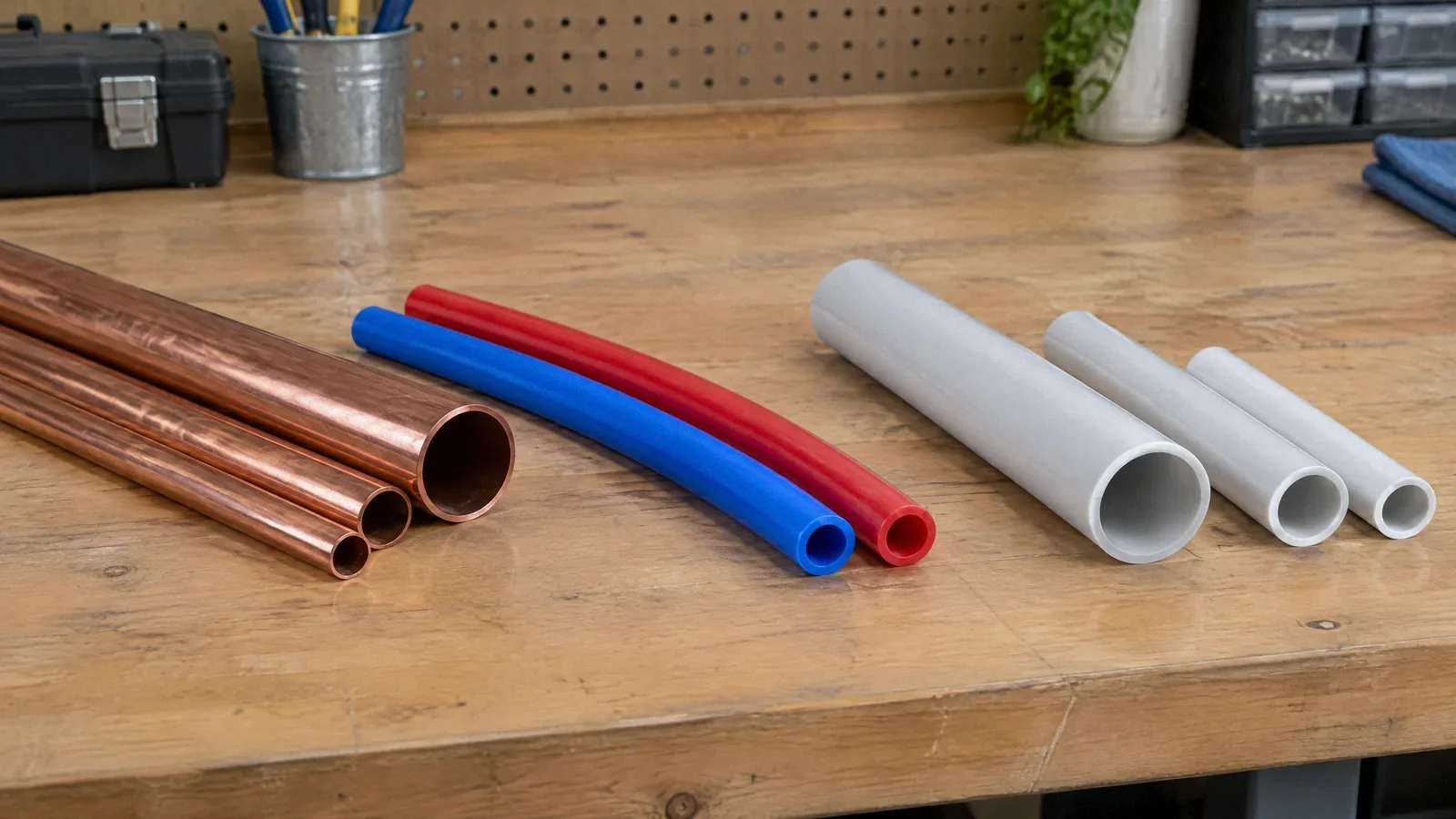
Copper, PEX and other materials have different approved applications, installation requirements and product specifications. Selection depends on local code, water conditions, exposure, access and the particular system. There is no material that is automatically best for every home.
Ask about fittings, support, insulation, compatibility with existing plumbing, product documentation and the installer’s warranty. The California Contractors State License Board advises checking permit requirements with the local building department. Confirm the inspection process before work begins.
Distinguish supply, sewer and service line work
A water service line from the main to the building is a separate system from indoor branch piping, and a sewer lateral is a separate wastewater line. Ownership and repair responsibilities depend on the utility and local rules. A whole-house supply repipe may not include either the service line or the sewer.
Ask the contractor and utility to identify boundaries in writing, including any meter, curb or public connection. If a sewer is backing up, stop using affected fixtures and keep people away. Do not open a full cleanout or enter an unsupported excavation.
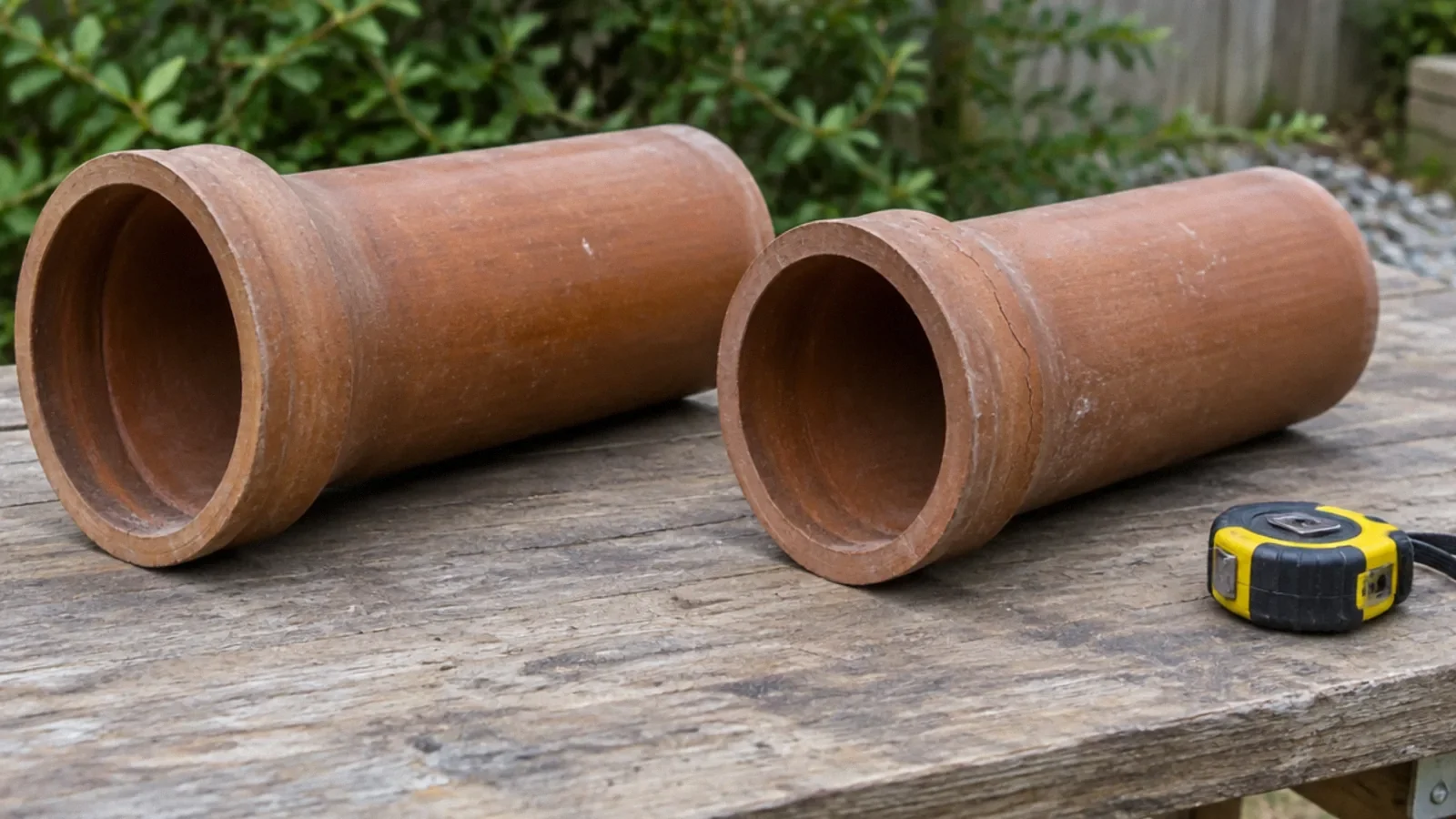
For a drain or sewer complaint, ask whether a camera inspection is appropriate and request the recording, observed defects and any portions that could not be inspected. An EBMUD inspection specification calls for CCTV inspection and a log of surveyed length and lateral condition. A recording documents accessible conditions at the inspection; it is not a prediction of remaining service life.
Verify the completed work
Ask what pressure or leak checks and required inspections were performed, which materials were installed and where shutoffs are located. Keep the permit, product information, photographs of concealed work and final invoice. Confirm how the contractor will address an unresolved leak or finish issue.
If a leak wetted flooring or walls before replacement, those materials may need separate drying and assessment. A new pipe does not automatically dry a cavity or correct damaged insulation. Monitor accessible connections after service and report recurring moisture promptly.
Pipe materials in an older house and replacement choices
A 1970s home may contain copper or galvanized steel supply lines and cast iron, ABS or PVC drain lines, depending on local practice and later renovations. This is a possibility, not identification: inspect accessible markings, records and permit history with a plumber. Never cut, scrape or disturb a suspected lead line to identify it.
Copper is rigid and requires compatible joints and attention to water chemistry. PEX is flexible supply tubing but requires approved fittings, support and protection from unsuitable exposure; CPVC is another supply material where approved. ABS and PVC drain pipe serve different applications from pressure supply. Confirm local code, manufacturer instructions and compatibility before selecting a product.
The Plastics Pipe Institute describes a minimum 50-year extrapolated chlorine-resistance test for potable PEX under specified conditions. This is a laboratory design criterion, not a promise of 50 years in a particular home; fittings, installation and conditions also matter. Do not apply this criterion to a sewer or to an unidentified plastic pipe.
Your next-step checklist
- Identify supply, drain and service-line materials separately.
- Investigate repeated leaks or low flow without assuming a cause.
- Ask the utility and a certified lab about lead concerns.
- Compare local repair and whole-system replacement scopes.
- Confirm permits, testing and finish restoration in writing.
Related questions
How long do house plumbing pipes last?
There is no single lifespan. HUD’s inspection guide gives broad historical estimates of 20–50 years for galvanized steel and 50 years or more for copper, with condition and water chemistry affecting actual life.
Should all old plumbing be replaced?
Not automatically. A plumber can assess material, condition, leaks and access and compare a targeted repair with broader replacement.
Can I tell whether drinking water contains lead by looking at the pipe?
No. EPA recommends having drinking water tested by a certified laboratory; lead may also come from fixtures or solder.
Does a whole-house repipe include the sewer and water service line?
Not necessarily. Ask for the exact included sections and responsibility boundaries in the written proposal.
What types of pipes run through a house?
A house can have pressurized supply pipes as well as drain, waste and vent pipes; gas or other systems may also be present. Materials and layouts vary by building and age, so a qualified inspection is needed to identify a particular pipe.
What plumbing was used in houses built in the 1970s?
Materials varied by location, builder, system and later repairs. An older home may contain different supply and drain materials; a qualified inspector should identify accessible pipes and explain what remains concealed rather than relying on the construction year alone.
What materials are used for household water supply lines?
Copper, PEX and other approved materials may be used depending on the system, age and local requirements. A qualified plumber should identify the material and approved connections for a particular property rather than assuming every pipe is the same.
Sources & context
Public guidance supports the principles in this article. The practical questions and examples are editorial interpretation, not a site assessment or a coverage decision. State-specific rules apply only where identified.
- HUD Residential Rehabilitation Inspection Guide: plumbing, pages 71–73federal building guidance
- U.S. EPA: Protect your tap from leadfederal drinking-water guidance
- California CSLB: Building permit requirementsstate consumer guidance
- PEX design guideprimary guidance
- HUD rehabilitation guide: plumbing materialsfederal guidance
- EBMUD: Inflow investigative services lateral inspection specificationsutility inspection specification