A trenchless method can replace some underground water lines without opening a continuous trench across the entire route, but access pits and other excavation are usually still needed. Suitability depends on the pipe, route, nearby utilities and local requirements. Confirm responsibility with the water supplier and obtain a site-specific professional assessment.
Water service is not a sewer lateral
A drinking-water service line carries pressurized water toward the property; a sewer lateral carries wastewater away. Their materials, sanitary requirements and repair methods are not interchangeable. Describe the affected line clearly when requesting an estimate.
In San Jose Water’s service area, the utility describes its responsibility as extending to the meter outlet coupling, with the customer responsible for the service line from that point to the house. Other utilities can have different boundaries. Ask your supplier before assuming who owns or repairs a particular section.
What trenchless replacement means
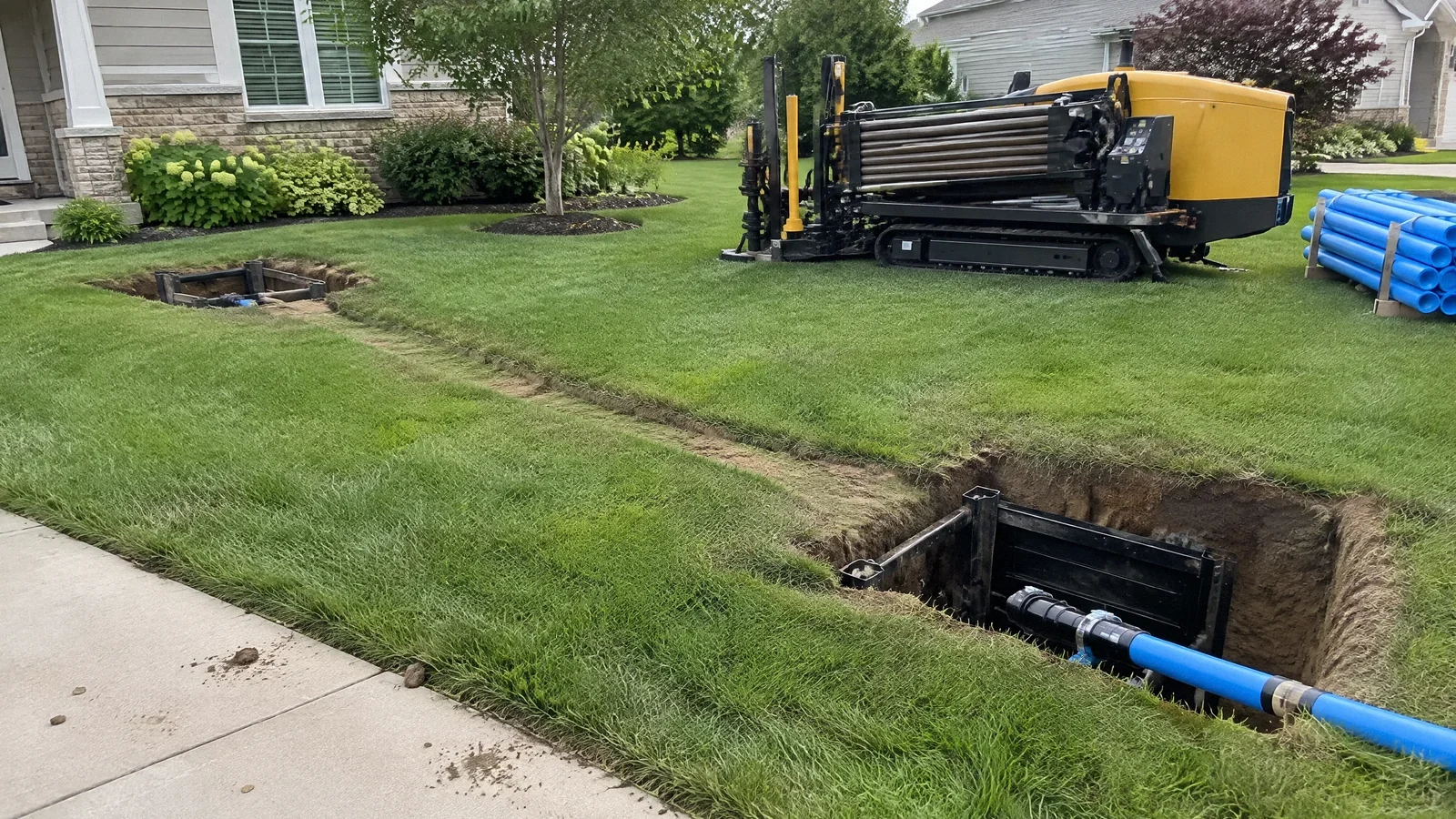
Trenchless generally means that the contractor installs or replaces a pipe without excavating a continuous open trench along the entire route. Depending on the method, small work pits, equipment access and openings at connections can still be necessary. Landscaping, pavement or an interior floor may still need restoration.
The U.S. Forest Service and EPA describe trenchless techniques for pipe replacement in different utility contexts. The exact method for a private drinking-water service depends on the existing pipe, depth, soil, route and required new material. Ask for the proposed method and its limitations in writing.
Methods and suitability
Depending on site conditions, a contractor may propose a method that follows an existing route or installs a new pipe along a suitable path. Pipe bursting or splitting, directional boring and other methods have different equipment and limitations. Not every existing pipe, bend or connection can be treated the same way.
A contractor should identify the pipe material and route, nearby utilities, connection points, available access and whether the old line can be abandoned or used in the method proposed. A camera inspection is common for many sewer lines, but a pressurized water service requires its own diagnostic approach.
Confirm the leak and ownership
A wet yard, unexplained water use or reduced pressure may suggest a service-line problem, but each has other possible causes. A qualified leak-detection professional can help locate the source without assuming the entire line needs replacement. Keep away from electrical hazards or unstable ground.
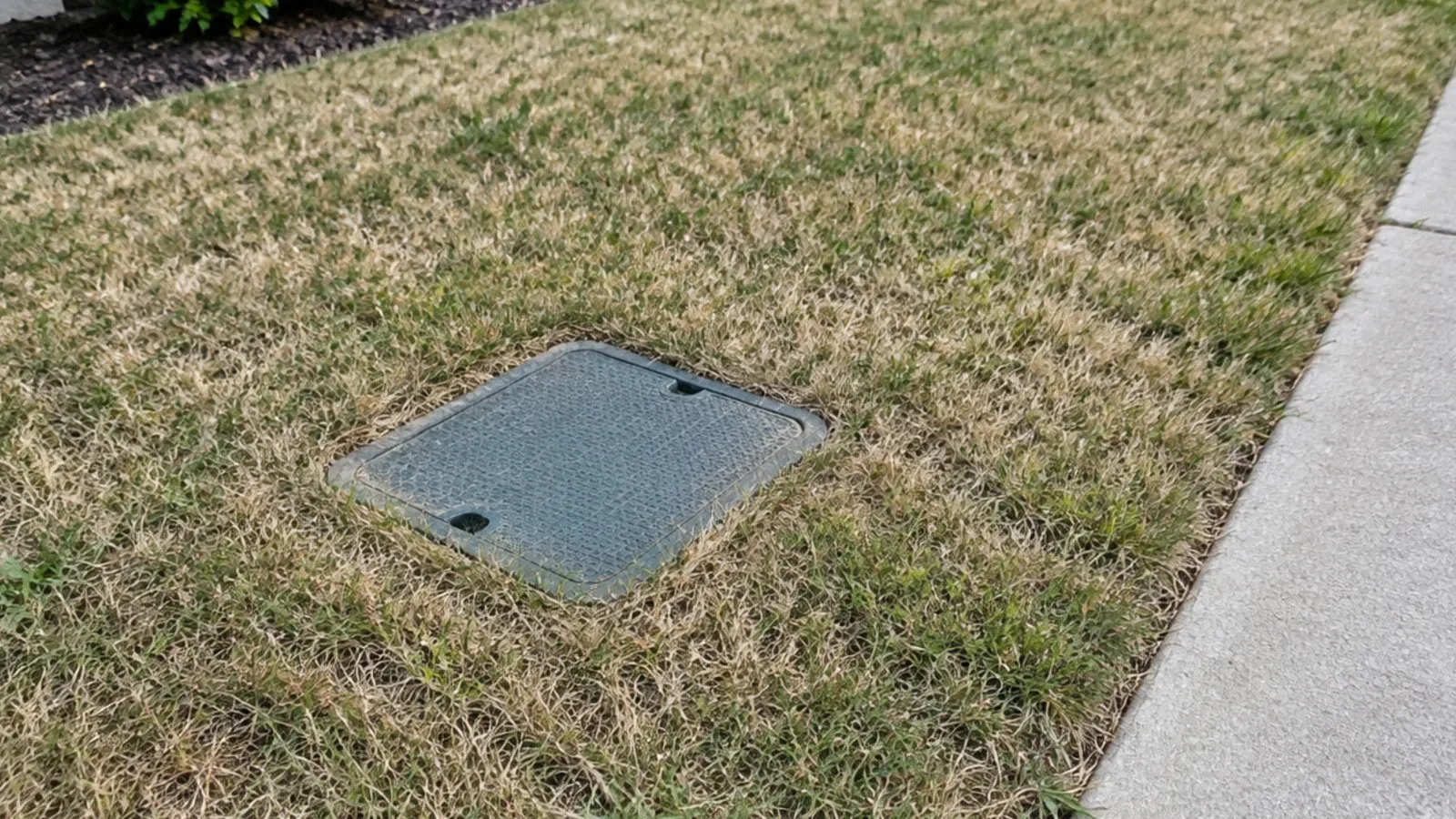
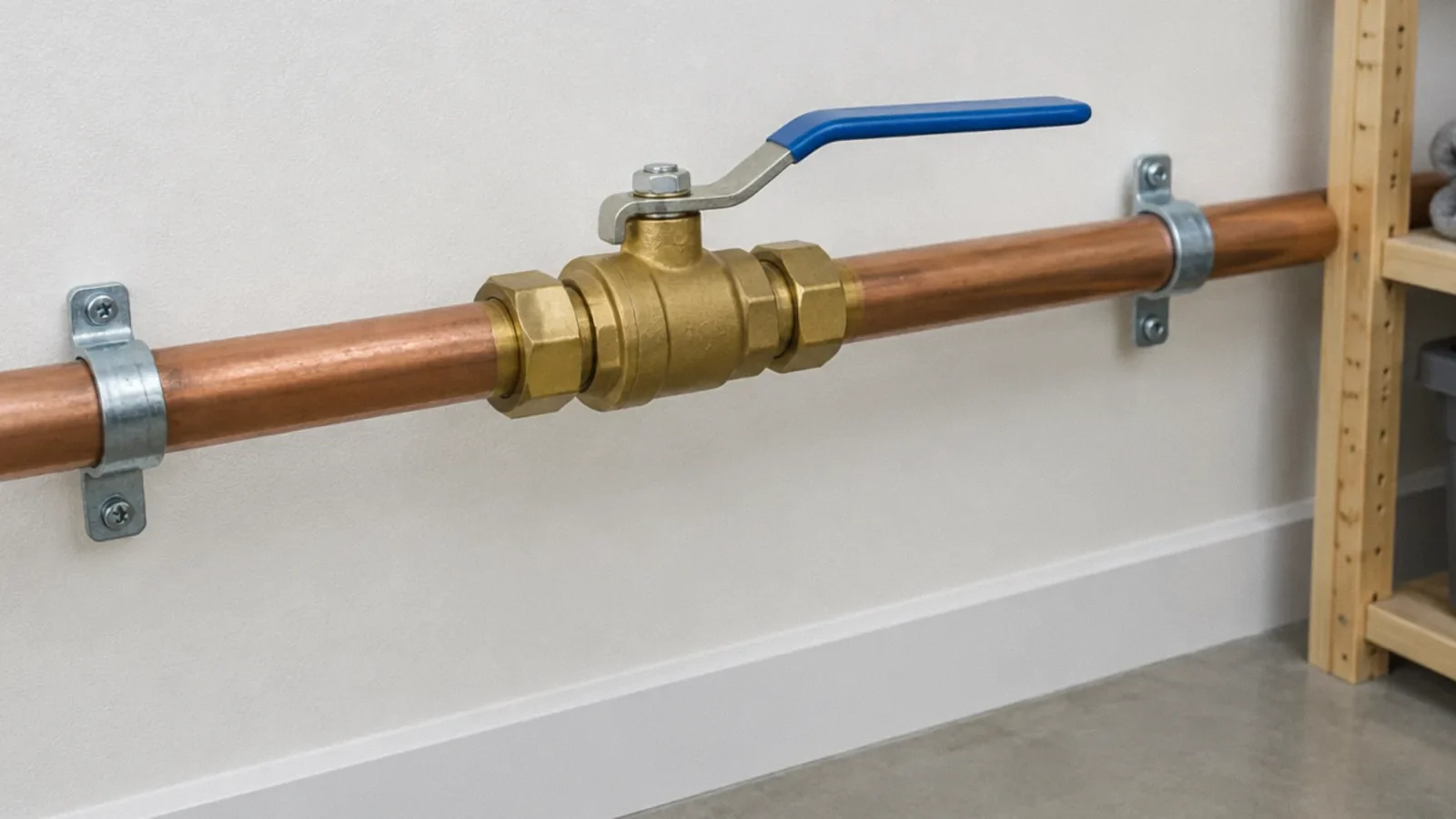
Contact the water supplier if the leak may involve its meter, service connection or main. San Jose Water asks customers to call if water must be turned off at its meter and not to tamper with the meter box. Use only a known customer shutoff when it is safely accessible; follow your own utility’s instructions.
Excavation, utilities and permits
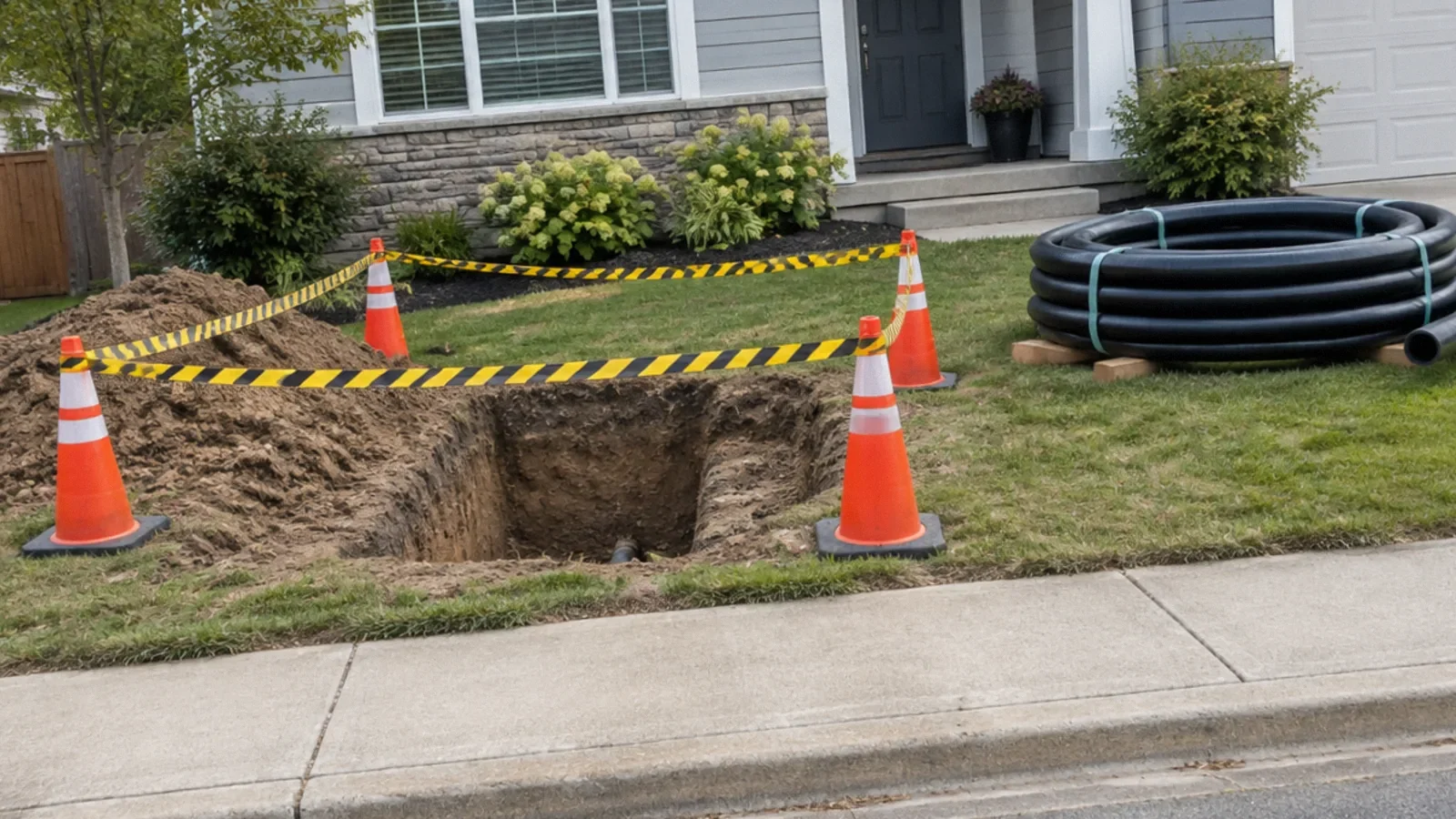
Before digging, the contractor should arrange utility location, necessary permits and any required coordination with the supplier or local authority. Call 811 before excavation. Existing gas, electrical, sewer and communication lines can constrain the route and the work method.
Ask how many pits are expected, where equipment will operate, what landscape or pavement will be disturbed and who will restore each area. A trenchless proposal that omits access pits, connections or restoration may not be comparable to an open-trench estimate.
Drinking-water material and testing
The replacement pipe and fittings must be suitable for potable water and the applicable installation requirements. Ask the contractor and water supplier how the line will be kept clean, tested, flushed and placed back into service. Requirements depend on the system and authority.
EPA guidance for public water mains discusses sanitary handling, pressure testing, flushing and disinfection; it should not be treated as a fixed test recipe for every private service line. Follow the instructions of the responsible utility and local authority. Do not drink water subject to a utility advisory until the advisory is lifted.
Compare quotes and restoration
Request an itemized scope covering diagnosis, pipe material and size, method, access pits, connections, permits, testing, backfill and restoration. Ask how the contractor will handle an unknown obstruction, a change in route or damage to existing landscaping.
Compare trenchless and open-trench options on the same length and scope, not just a headline price. Ask about service interruption, warranty, schedule and responsibility for an unexpected utility conflict. A low per-foot number may exclude excavation or surface repair.
After the work
Ask who will inspect the work, how the line and connections were tested, and whether any water-use instructions apply. Retain permits, as-built information, warranties and photographs of the route and access points. Do not operate utility-owned equipment without authorization.
Monitor for renewed wet ground, unexplained water use or pressure changes and report concerns to the contractor or supplier. If water entered a building, the pipe repair and the cleanup or drying of affected materials are separate tasks.
How pipe bursting replaces a water service
After confirming the route, permits, utility locations and access, a qualified contractor excavates the required entry and receiving pits and disconnects the service. A bursting or splitting head travels through the old line, displacing the existing pipe while pulling a replacement behind it. Connections are then completed and the line is handled, tested and returned to service under the utility and local authority’s requirements. Existing material, bends, nearby utilities, ground conditions and access can rule out the technique. Sewer examples illustrate the mechanical principle but do not establish potable-water material, sanitation or testing requirements for a private service.
Your next-step checklist
- Confirm whether the affected line carries drinking water or wastewater.
- Ask the water supplier where its responsibility ends.
- Locate utilities and obtain required permits before digging.
- Compare access pits, testing and restoration in written bids.
- Follow utility instructions before using the repaired line.
Related questions
Can a water line be replaced without a full trench?
Some lines can be replaced using trenchless methods, but pits and connection work are commonly still required. Suitability depends on the site and authority.
Is trenchless water line replacement the same as sewer lining?
No. Drinking-water and sewer lines serve different functions and have different materials and sanitary requirements.
Who owns the water service line?
The boundary varies by utility. San Jose Water describes its boundary at the meter outlet coupling; confirm the rule with your own supplier.
Does trenchless work avoid all digging?
No. Access pits, utility crossings and connections may still require excavation.
Sources & context
Public guidance supports the principles in this article. The practical questions and examples are editorial interpretation, not a site assessment or a coverage decision. State-specific rules apply only where identified.
- San Jose Water: Responsibility for service pipeslocal utility guidance
- EPA: Water loss and trenchless replacementfederal water-system guidance
- U.S. Forest Service: Trenchless technologiesfederal technical guidance
- EPA: Drinking-water distribution systemsfederal drinking-water guidance
- EPA: Rehabilitation of wastewater and water distribution systemsfederal technical guidance