A cup plunger can help with some simple sink clogs when it forms a seal over the drain. Do not plunge a drain that contains chemical cleaner because it may splash. Stop adding water if the sink is close to overflowing, and call a plumber for recurring blockages, multiple affected fixtures or an unknown object.
Choose the right plunger
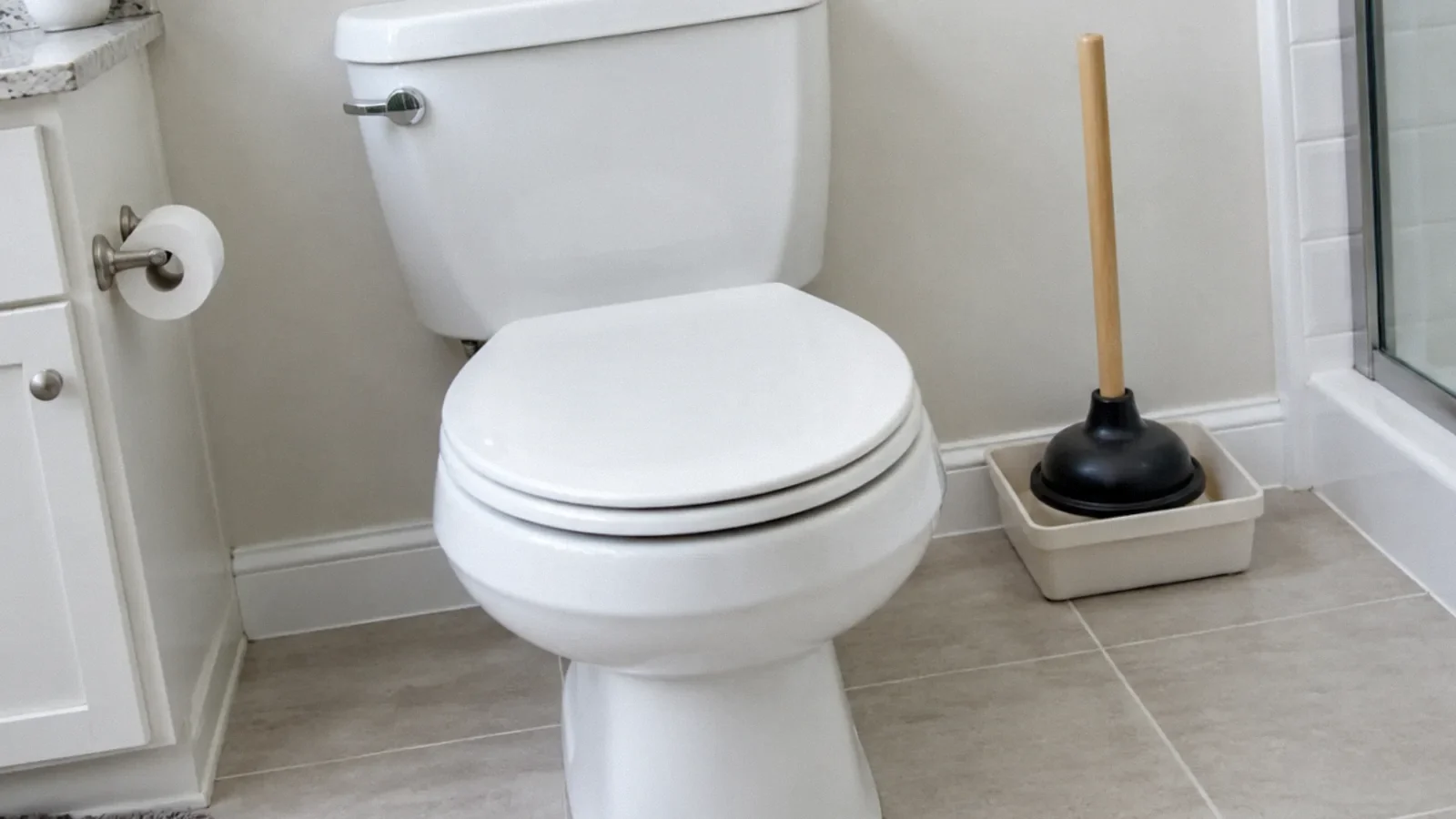
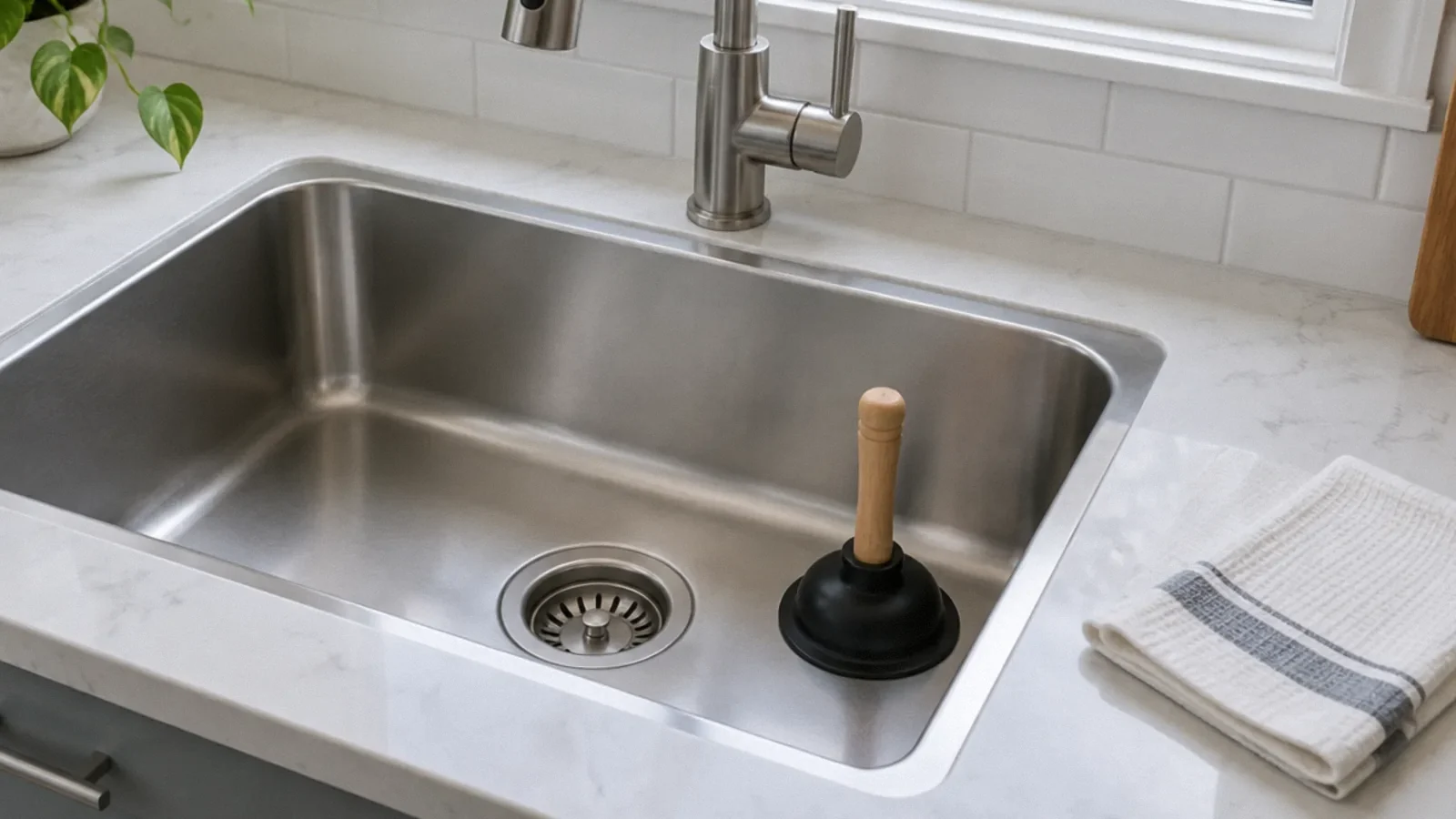
A cup plunger has a flat rubber cup that can seal against many sink or tub surfaces. A flange plunger has an extended section intended to fit a toilet outlet. Shapes and names vary by manufacturer; the important feature is a good seal without damaging the fixture. Keep tools used for toilets separate from those used for sinks.
A plunger moves water and air to help dislodge some obstructions. It cannot repair a broken pipe or reliably remove every solid object. If a valuable item fell into the drain, stop using the sink and seek help rather than pushing the object farther along.
Check for chemicals before you start
Do not plunge a sink after adding a chemical drain cleaner: pressure can splash the product onto skin or into eyes. Never mix drain products or add another cleaner to a standing mixture. Follow the product label and tell a plumber exactly what was used and when.
If a chemical exposure or fumes cause symptoms, leave the area and contact poison control or emergency services as appropriate. EPA lists a plunger or plumber’s snake as alternatives to some drain cleaners. A tool is not a reason to ignore a product already present in the drain.
Prevent an overflow
Stop running the faucet if water is approaching the rim. Protect nearby items and clear a safe working area. Water from a bathroom or kitchen drain may be contaminated; use suitable gloves and avoid splashing. Do not lean over a full sink while applying force.
If water is leaking into the cabinet or near electrical equipment, stop using the sink and keep clear of electrical hazards. A plunger will not repair a loose trap, cracked pipe or supply leak. Arrange a qualified repair when water escapes outside the intended drain.
Create a seal and use controlled pressure
Place the clean cup over the drain opening. A small amount of water may help cover the cup’s rim, but do not add water if the sink is close to overflowing. Use controlled up-and-down strokes while keeping the cup sealed, then stop and observe whether the water level changes.
Some sinks have an overflow opening or another basin that can reduce the seal; follow fixture and tool instructions for the particular layout. Do not force a fragile strainer or removable fitting. If the cup will not seal, the water rises or an object is suspected, stop and seek assistance.
Check the result cautiously
If the water drains, remove and clean the plunger. Run a small amount of water only when safe and watch for a recurrence or a leak beneath the sink. Do not immediately fill the basin or leave the faucet unattended after a blockage appears to clear.
A drain that clears briefly and then backs up may have a larger or deeper obstruction. Record which fixtures are affected and when the problem returns. A plumber can use this information to decide whether the issue is local to the sink, in a branch or farther along the line.
Sink, tub and toilet are different fixtures
A cup plunger may fit some sinks and tubs; a toilet plunger usually uses a flange to seal the bowl outlet. Confirm compatibility and keep tools sanitary between uses. Avoid using a tool that can scratch a delicate surface or dislodge a fitting.
A toilet that is close to overflowing should not be flushed repeatedly. The separate toilet guide covers the supply shutoff, contaminated water and toilet-specific steps. The same safety rule applies to every fixture: never plunge into a chemical cleaner.
When to call a plumber
Seek help for repeated clogs, multiple fixtures backing up, sewage in another location, a suspected solid object or water escaping from the plumbing. If chemicals have been used, disclose them before the technician begins. A main sewer problem requires a different response from a local sink obstruction.
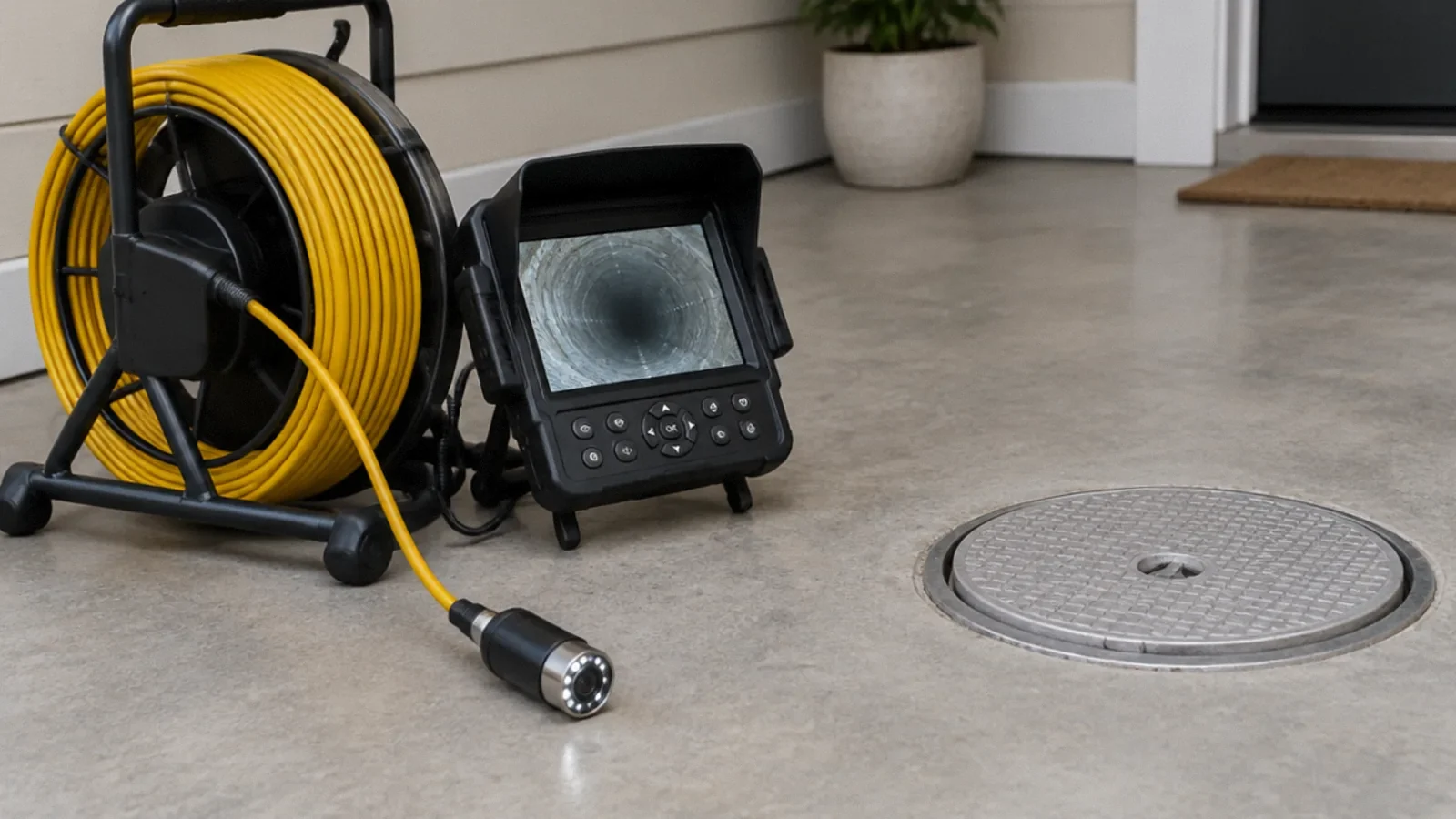
Ask what access, diagnosis, cleaning and cleanup are included in the estimate. Do not open an exterior sewer cleanout during an active backup. A camera inspection may be useful after the line is accessible, but a blocked or submerged section can limit visibility.
After cleanup and prevention
Wash the tool and surrounding suitable surfaces according to product and fixture instructions, then wash your hands. Dry the cabinet if water spilled and investigate any persistent leak. Porous materials contacted by sewage or contaminated water may require specialist assessment.
Use drain strainers where suitable and follow local guidance about grease, food scraps and other materials that should not enter the plumbing. A recurring clog deserves diagnosis rather than a repeated cycle of chemicals and plunging. Keep a record of prior service if the issue returns.
Your next-step checklist
- Do not plunge a drain containing chemical cleaner.
- Stop adding water when the sink is close to overflowing.
- Use a clean cup that seals without damaging the fixture.
- Check for leaks after the drain clears.
- Call a plumber for recurring clogs, sewage or multiple affected fixtures.
Related questions
Can I use a toilet plunger on a sink?
A cup plunger is usually better suited to a flat sink drain. Keep toilet and sink tools separate for hygiene and use a shape that seals the fixture.
Is it safe to plunge after using drain cleaner?
No. The chemical can splash. Follow the label and tell the plumber what was used.
Can a plunger fix every clog?
No. A solid object, deeper obstruction or damaged pipe may need a different approach.
What if several drains back up?
Stop using affected fixtures and contact a plumber; a branch or main-line issue may be involved.
Sources & context
Public guidance supports the principles in this article. The practical questions and examples are editorial interpretation, not a site assessment or a coverage decision. State-specific rules apply only where identified.
- US EPA: Household hazardous waste and drain cleaner alternativesofficial guidance
- Seattle Public Utilities: Sewer repair methodsmunicipal guidance
- US EPA: Flood cleanupofficial guidance