Remove residue promptly with gloves, clean using a product suitable for the material, and dry fully. If illness may be involved, disinfect appropriate hard surfaces using a product effective against the suspected organism. Persistent odor may mean contamination reached padding.
Start with removal and infection control
The smell will usually persist if residue remains in the material or underneath it. Remove the source first, clean the affected surface according to its care instructions and allow it to dry completely. A fragrance can cover the odor temporarily but does not remove the material causing it.
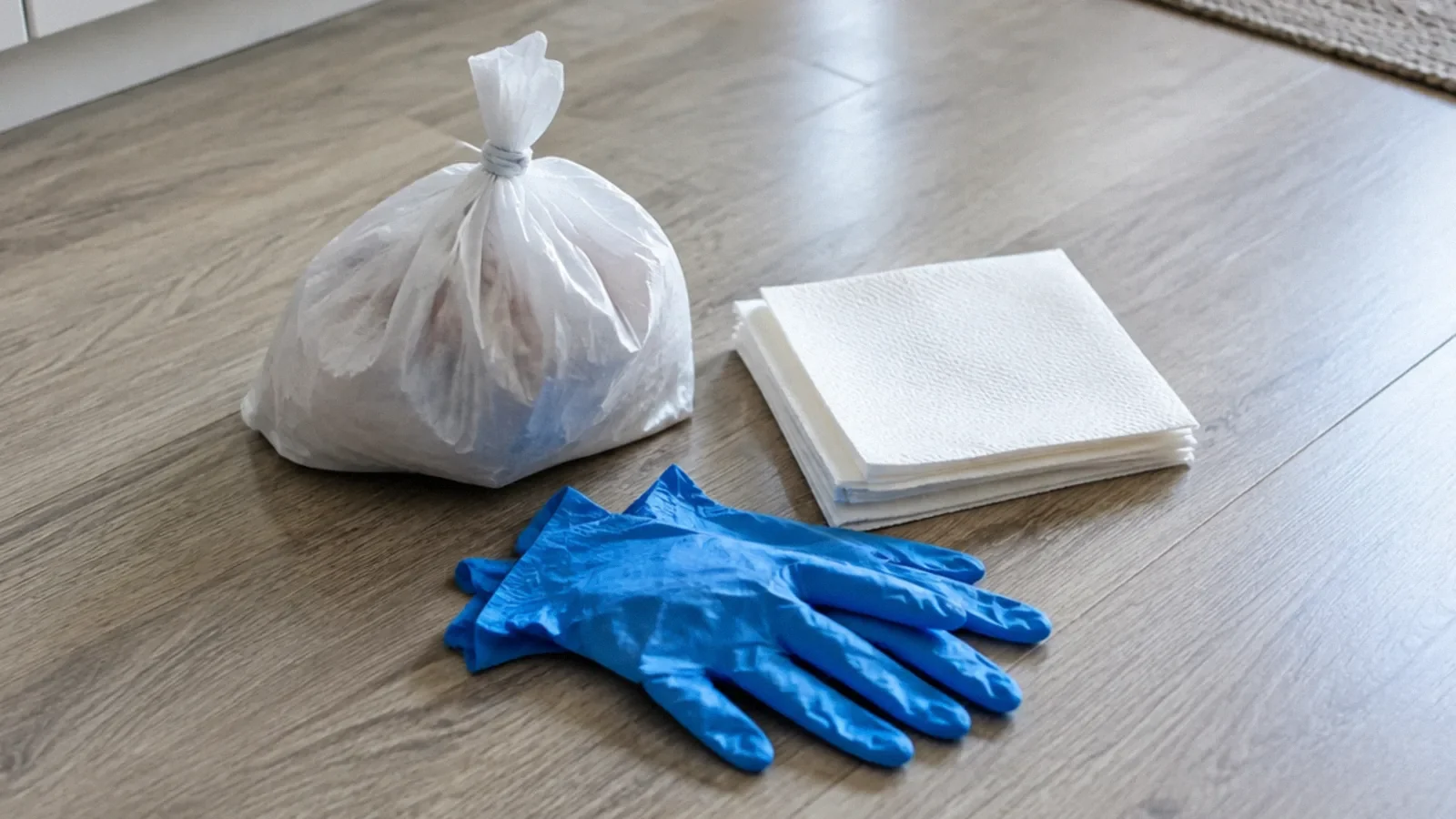
Vomit can contain infectious organisms. Keep children and pets away, put on disposable or rubber gloves and remove visible material carefully with disposable towels. Place the towels in a plastic bag, close it and discard it. Avoid vigorous brushing or shaking that can spread particles. Wash hands with soap and water afterward.
If a person may have norovirus, CDC recommends prompt cleaning and disinfection of the entire affected area, including nearby hard surfaces. Tiny droplets may land beyond the visible spot. Use a disinfectant registered for norovirus and appropriate for the surface, following its label for dilution and contact time. Never mix bleach with other cleaners.
Hard surfaces: clean, then disinfect when appropriate
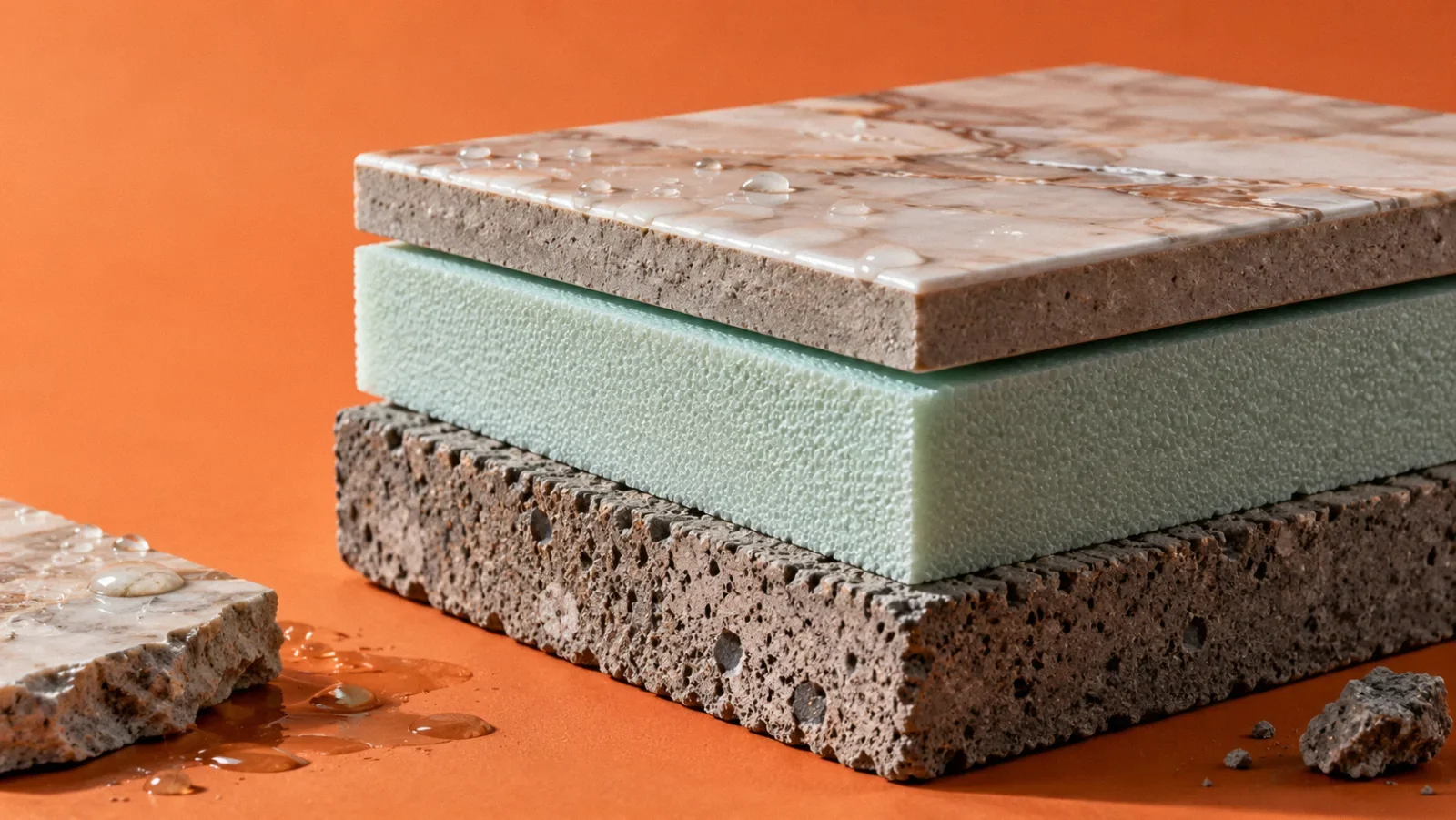
For a sealed, nonporous surface such as a suitable tile or countertop, remove solids first and wash the area with detergent and water. Rinse if the cleaning product requires it. If an infectious cause is possible, disinfect after cleaning with a product labeled for the surface and organism, observing its required wet contact time.
Bleach may discolor finishes and damage some materials. CDC provides a bleach option for norovirus, but a product label and the material manufacturer determine whether it can be used on the item. Keep the room ventilated and keep people away until treatment is complete. Do not use bleach together with vinegar, ammonia or another cleaning chemical.
Clean surrounding touch points and any objects reached by the splash. A clean smell is not proof of disinfection, and the absence of a smell does not confirm that the source is gone.
Clothing and washable bedding
Handle soiled fabric gently without shaking it. Remove solids with disposable towels, then wash the items promptly with detergent using the warmest water and cycle permitted by the care label. CDC recommends hot water, the maximum available cycle length and high-heat machine drying for norovirus-contaminated laundry; when the fabric label prohibits that treatment, follow the label and consider whether professional cleaning or replacement is appropriate.
Do not pack wet items into a hamper or leave them in the washer overnight. Check for remaining odor after washing and before storing. Repeat a suitable wash if residue remains. If the item is dry-clean-only, tell the cleaner what contaminated it so the business can decide whether and how to accept it.
Keep contaminated laundry separate from clean laundry and clean the hamper or container according to its material. Remove gloves and wash hands after handling. A detergent or enzyme product can help with organic residue when its label permits the fabric, but it is not necessarily a disinfectant.
Carpet and upholstery
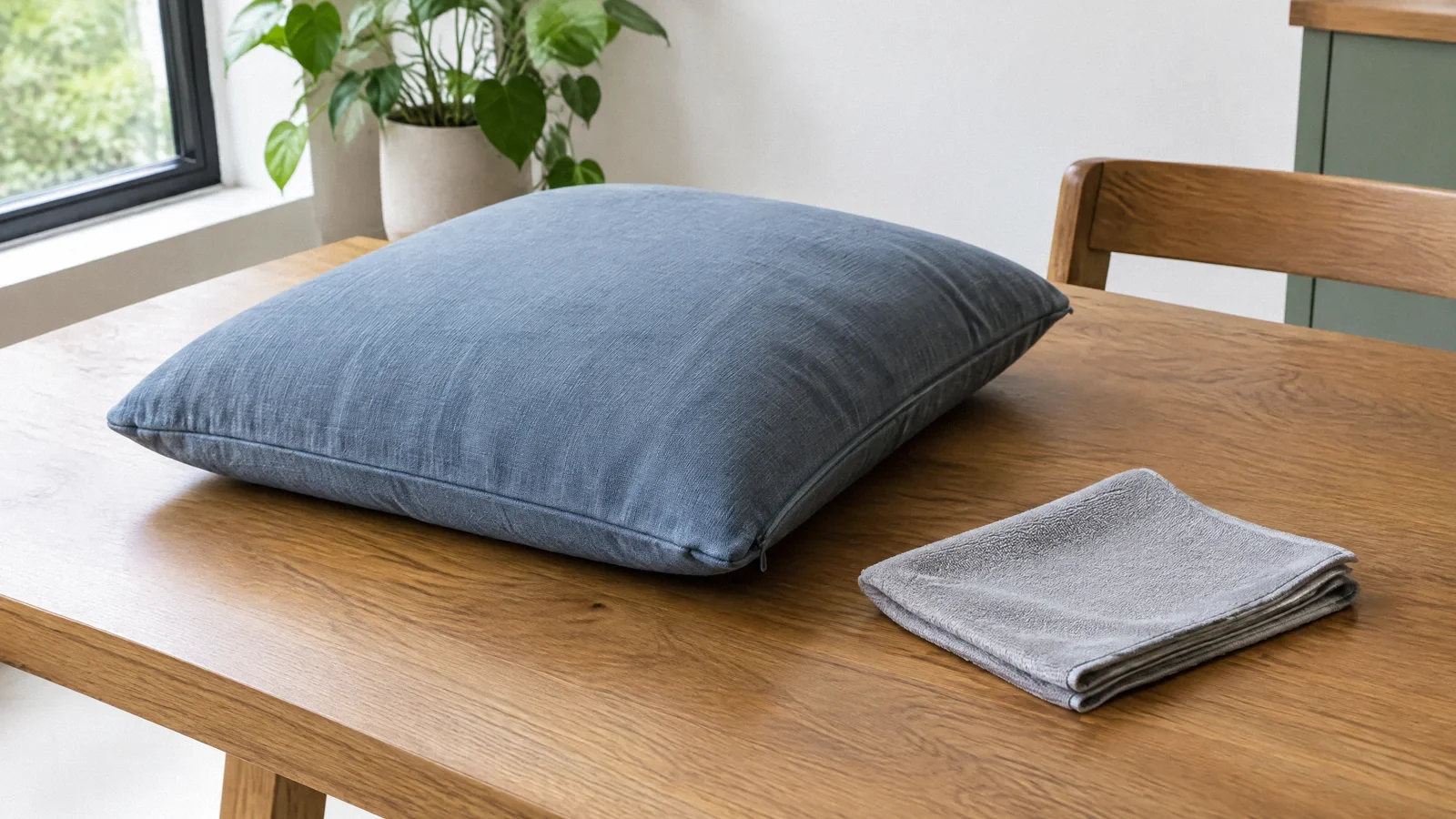
Blot rather than rub, working from the edge toward the center so the spot does not spread. Lift residue with a disposable towel. Check the carpet or upholstery manufacturer’s care instructions and test a suitable cleaner in an inconspicuous area. Apply a small amount as directed, blot with clean towels and avoid saturating the fibers.
A carpet pad or upholstered cushion can absorb liquid below the surface. If the smell comes back after the surface is dry, the contamination may have reached the backing, pad, cushion or floor. A professional cleaner can assess whether the layers can be treated and dried; heavily contaminated porous material may require replacement. Surface disinfection is not a reliable promise that a soaked pad is sanitary.
Dry the cleaned area promptly. Increase ventilation when outdoor conditions allow, but avoid using electrical equipment on a wet floor. If the area remains damp or develops a musty smell, investigate moisture and possible damage rather than adding more liquid cleaner.
Mattress and vehicle interiors
A mattress cannot normally be immersed and rinsed like a sheet. Remove washable bedding, blot the mattress surface and follow the manufacturer’s cleaning instructions. Use as little moisture as the instructions allow and let it dry fully before replacing bedding. If liquid has penetrated deeply or odor persists, ask an upholstery or mattress cleaning professional whether it can be treated; replacement may be the more dependable option.
In a car, remove washable mats and clean them separately according to their labels. Inspect seat seams, the area between cushions and the carpet under mats for residue. Ventilate the vehicle while cleaning and drying when it is safe to do so. Do not soak seat foam or interior electronics. If contamination entered padding or remains inaccessible, have a vehicle interior specialist assess it.
If the odor returns
Once the surface is completely dry, check the area again. A recurring smell can mean residue remained in a seam, backing, cushion or nearby object, or that the material stayed damp. Identify the remaining source rather than repeating fragrance or adding cleaner indefinitely.
For a large incident, uncertain contamination, sensitive occupants or valuable materials, ask a professional about their cleaning method and drying plan. Tell them whether illness was involved and which products have already been applied. Avoid mixing products during a repeat attempt.
Your next-step checklist
- Wear gloves and remove visible material without spreading it.
- Clean surrounding hard surfaces and disinfect when illness may be involved.
- Follow care labels for laundry and upholstered materials.
- Avoid soaking carpet backing, cushions and mattresses.
- Investigate a returning smell or dampness.
Related questions
Does deodorizer sanitize the area?
No. Fragrance does not remove contamination or establish that a surface has been disinfected.
Why does the smell return after cleaning?
Residue may remain in seams, padding or a nearby surface, or the material may not have dried fully. Inspect the layers and seek professional help when needed.
Sources & context
Public guidance supports the principles in this article. The practical questions and examples are editorial interpretation, not a site assessment or a coverage decision. State-specific rules apply only where identified.
- How to Prevent Norovirusprimary
- How Norovirus Spreadsprimary
- Mold, Moisture and Your Homeprimary