Intact asbestos-containing material that will not be disturbed is generally best left alone, according to EPA. Damaged material or planned renovation needs professional assessment. Do not scrape, sample, sand or vacuum suspected asbestos yourself; seek individual medical advice for exposure concerns.
Does asbestos mean a home is unsafe?
Asbestos can be present in some older building materials. EPA says material in good condition that will not be disturbed is generally best left alone and is unlikely to release fibers. The presence of asbestos does not by itself establish the exposure level or determine whether a particular occupant must leave.
Condition, location and planned work matter. If a material is damaged, deteriorating or may be disturbed, limit access and seek a trained and accredited asbestos professional. Ask the property owner or manager for available records and a site-specific plan.
Where asbestos may be found
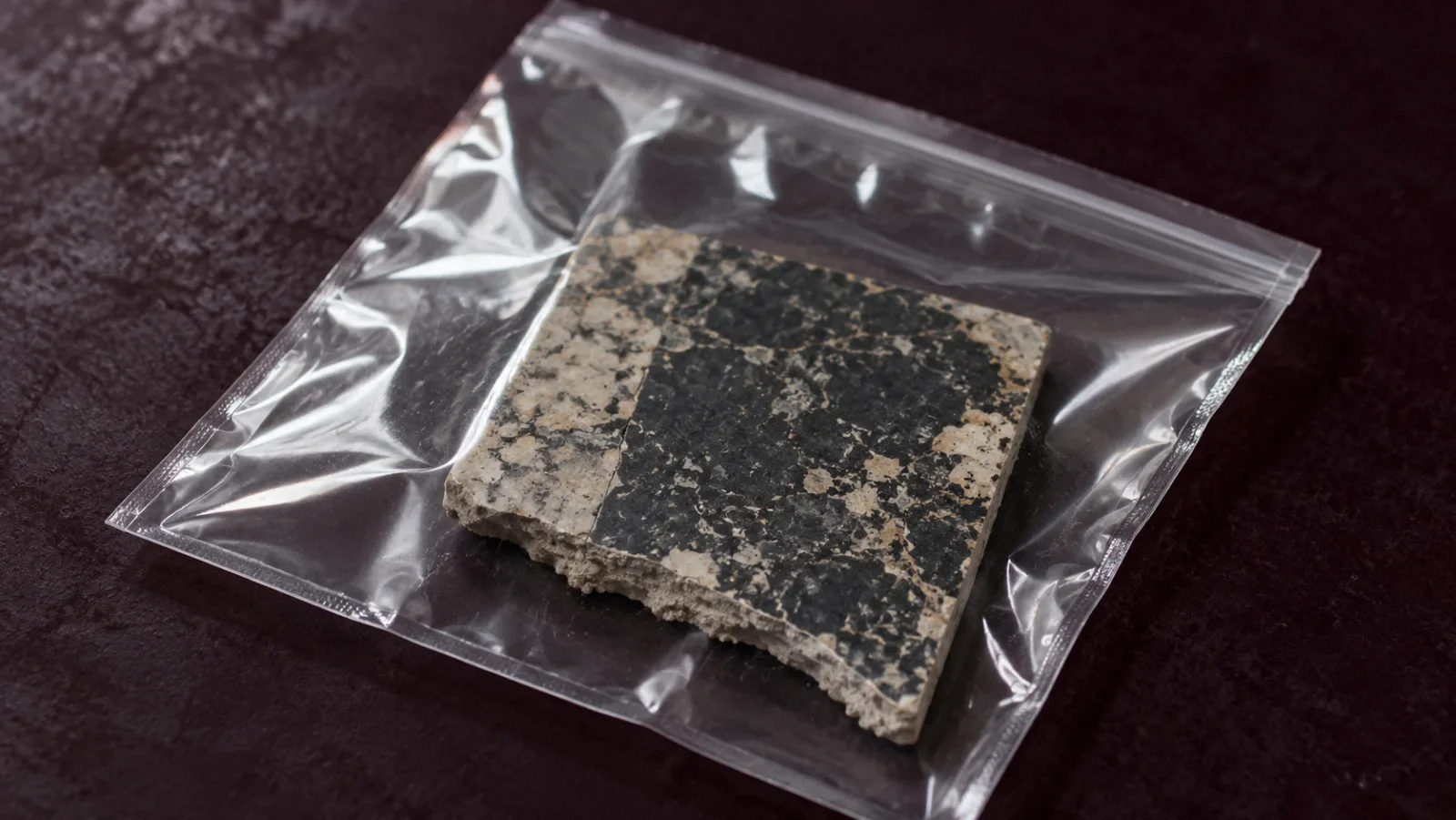
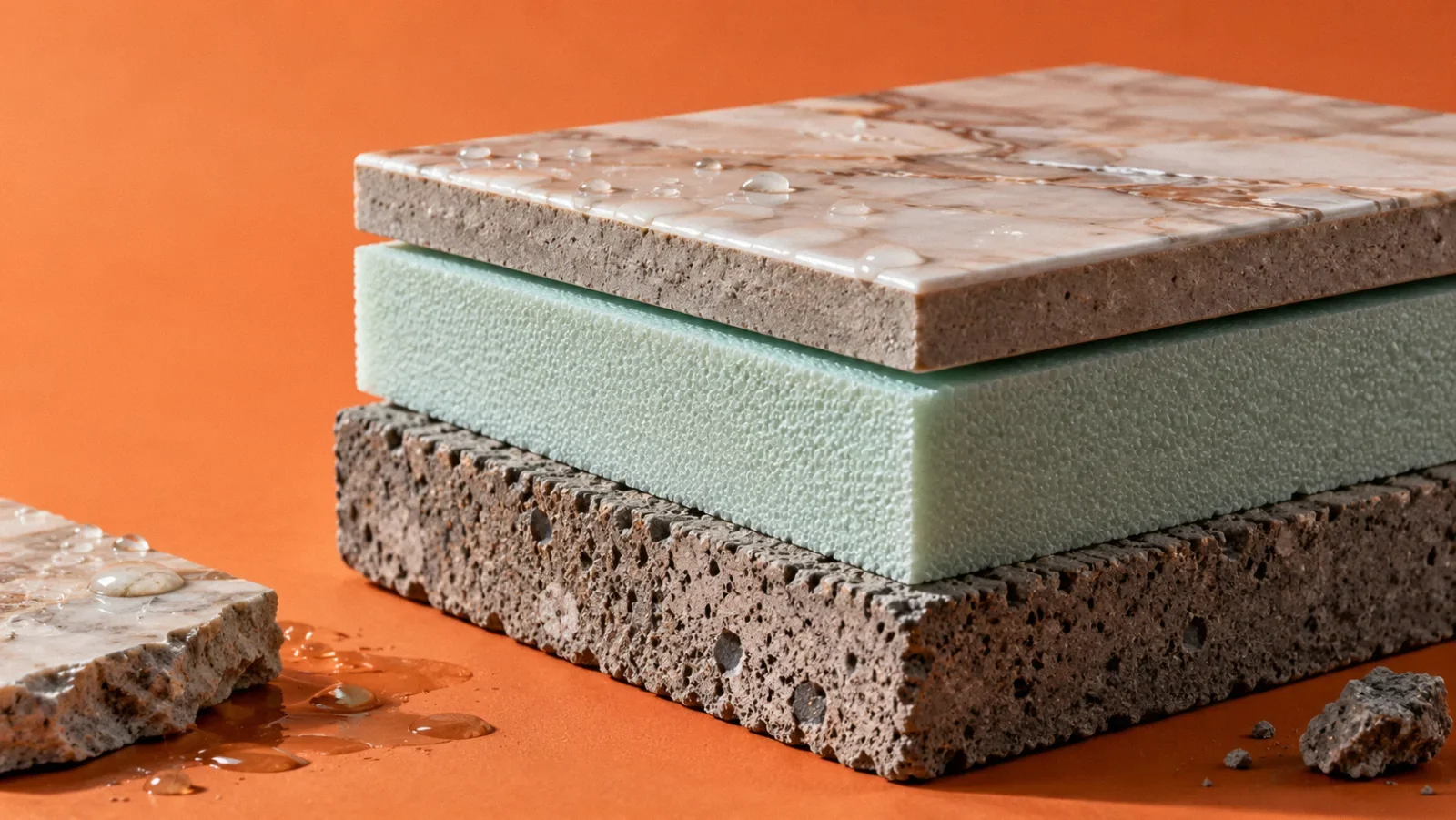
Some insulation, ceiling and floor materials, coatings and other building products may contain asbestos. Appearance, color or a building’s age cannot reliably identify it. EPA advises treating a suspect material as asbestos-containing and leaving it alone when in doubt.
A professional can review the materials and work path, decide whether sampling is warranted and arrange appropriate analysis. Records from a previous survey may help, but they may not cover every layer or planned opening. Do not scrape off a sample yourself.
What if a material is intact?
If the material is in good condition and will not be disturbed, EPA says testing is not necessarily needed and leaving it alone is usually best. Avoid drilling, sanding, cutting, scraping or otherwise damaging it. Visually monitor its condition without touching it.
If you plan to remodel, repair water damage or remove flooring, the work may disturb material that was previously stable. Tell the contractor about known or suspected asbestos before work begins. A professional assessment can define what is affected and what controls are appropriate.
What if material is damaged or wet?
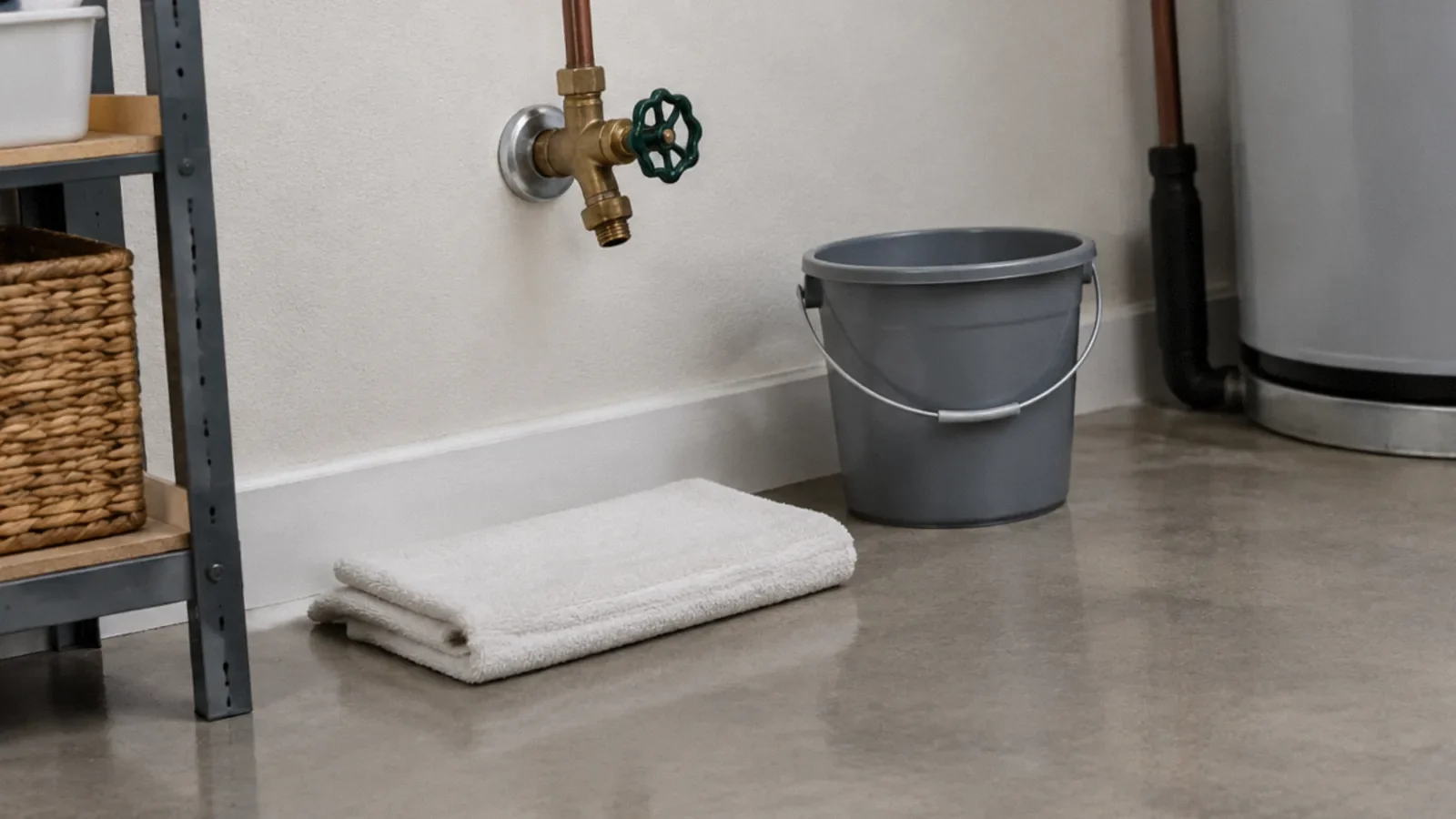
Damage, deterioration or water exposure may make asbestos-containing material more likely to release fibers if disturbed. Keep children, pets and other occupants away and avoid spreading debris. Do not sweep, dust, use an ordinary vacuum or attempt to remove the material yourself.
Contact a trained and accredited asbestos professional and explain what happened. In a rental or shared building, notify the owner or manager promptly. If there is also an immediate electrical, structural or fire hazard, move to safety and contact the appropriate emergency service.
What is asbestos abatement?
Abatement refers to work intended to address an asbestos hazard. Depending on the material and circumstances, a professional may recommend repair by sealing or enclosing it, or removal. With sealing or enclosure, asbestos remains in place; removal takes the material out under controlled conditions.
The appropriate method depends on condition, future disturbance, exposure potential and applicable requirements. EPA advises that removal and major repair be performed by trained and accredited professionals. Improper removal can increase exposure. Ask how the work area, waste, inspection and completion will be handled.
Can a test tell whether I was exposed?
A material sample and a medical evaluation answer different questions. A laboratory result about a building material does not establish how much a person inhaled. Likewise, a chest X-ray does not show asbestos fibers or reliably establish a brief exposure.
ATSDR notes that imaging can show certain asbestos-related changes after substantial exposure, while routine tests cannot determine effects from commonly encountered environmental exposures. If you are concerned, discuss what happened, when and for how long with a clinician; they can decide whether any evaluation is appropriate.
Questions for a professional
Ask about training and accreditation, which materials will be assessed, how samples and results will be documented, and whether the assessment is independent of the proposed removal. Request a written scope describing containment, worker protection, disposal and any applicable notifications.
Rules vary with location, building and scope. In California, consult the relevant state and local agencies and use qualified professionals for the work. Do not assume that a contractor’s general assurance or a photograph proves a material is asbestos-free.
After repair or removal
Ask for the completed scope, results of any required inspection or testing, disposal records where applicable and any remaining restrictions. Return to the area only when the responsible professional or authority says it is appropriate. Keep records with the property information.
If water damage was also involved, the moisture source and affected materials still need assessment. An asbestos work record does not by itself prove the building is dry. Coordinate asbestos, structural drying and reconstruction so that later work does not disturb material left in place.
What an air or material result can and cannot establish
A material sample can identify asbestos in the sample, while an air sample describes conditions at the place and time sampled. Neither automatically measures the dose inhaled by a particular person over an earlier event. A result may inform a professional investigation, but does not by itself diagnose disease or settle a personal exposure question. Tell a clinician the possible source, timing and duration and ask whether any evaluation is appropriate.
Your next-step checklist
- Leave intact suspected material undisturbed.
- Keep people away from damaged material.
- Do not collect samples, sweep or vacuum debris yourself.
- Use trained and accredited asbestos professionals.
- Discuss exposure and medical concerns with a clinician.
Related questions
Can you live in a house with asbestos?
Intact material that will not be disturbed is generally best left alone, EPA says. A damaged or potentially disturbed material requires professional assessment of the particular situation.
Can I tell whether a material contains asbestos by looking at it?
Usually not. Treat suspect material as potentially asbestos-containing and consult a trained professional.
What is asbestos abatement?
It is work to address an asbestos hazard, which may involve professional sealing, enclosure or removal depending on the conditions.
Can a blood test confirm brief asbestos exposure?
Discuss the exposure with a clinician. No routine test can reliably establish the effects of a brief environmental exposure; a material test is not a personal exposure measurement.
Sources & context
Public guidance supports the principles in this article. The practical questions and examples are editorial interpretation, not a site assessment or a coverage decision. State-specific rules apply only where identified.
- U.S. EPA: Protect your family from asbestosfederal health guidance
- ATSDR: Public health statement on asbestosfederal health guidance
- U.S. EPA: Asbestos in damaged buildingsfederal disaster guidance