Start with a safe walk-through, separate trash from plant debris and clear accessible paths and drainage points. Use the disposal service appropriate to each material. A routine yard cleanup is different from cleanup after a flood, chemical spill or downed power line, which may require qualified help.
Survey the yard before starting
Walk the area in daylight and note loose debris, broken glass, unstable branches, standing water and other hazards. Keep children and pets away from the work area. Wear sturdy shoes and work gloves; add eye protection for tasks that create flying debris.
Do not touch a downed power line or an object contacting one. Leave the area and notify the utility or emergency services as appropriate. After a storm or flood, hidden holes, contaminated water and unstable trees can make routine cleanup unsafe.
Make a simple cleanup plan
Work from accessible routes toward the rest of the yard rather than carrying debris across an area you have already cleared. Decide where bags, tools and reusable items will go, and break a large job into manageable sections. A clear route makes moving materials easier and reduces trips.
Separate ordinary litter, recyclable containers, clean plant material and items that need special disposal. Do not fill bags beyond a weight you can lift safely. Use help or suitable equipment for bulky objects rather than dragging a heavy load across the yard.
Collect trash and sort hazardous items
Pick up small litter with gloves or a litter tool and place it in the appropriate container. Broken glass and sharp metal need careful handling and secure disposal according to local rules. Do not reach blindly into piles where sharp objects or animals may be hidden.
Paint, pesticides, fuel, batteries and unknown containers should not be mixed into ordinary yard waste. Check the local household hazardous-waste program for handling and collection instructions. Do not pour chemicals or dirty wash water into a storm drain.
Gather leaves and plant debris
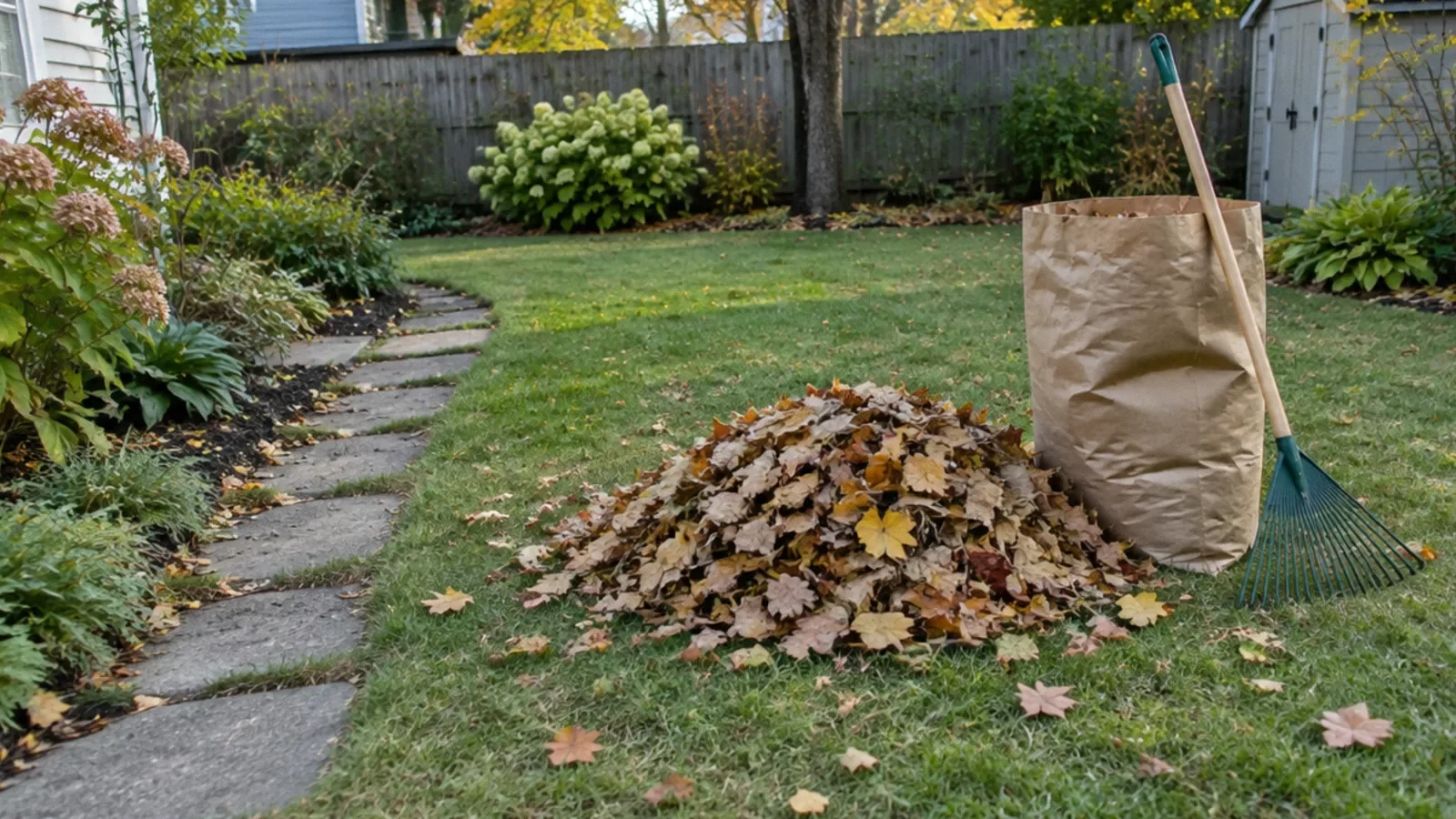
Rake leaves, small twigs and loose clippings into a yard-waste container, paper bag or compost system accepted by the local service. Check the collection program’s rules for branch size, bags and pickup schedules. Compost only material suitable for the system being used.
EPA advises keeping leaves and clippings out of streets and gutters because they can clog catch basins and affect waterways. Do not blow debris toward a drain or onto a neighbor’s property. Leave large or unstable tree work to a qualified tree professional.
Clear accessible drainage routes
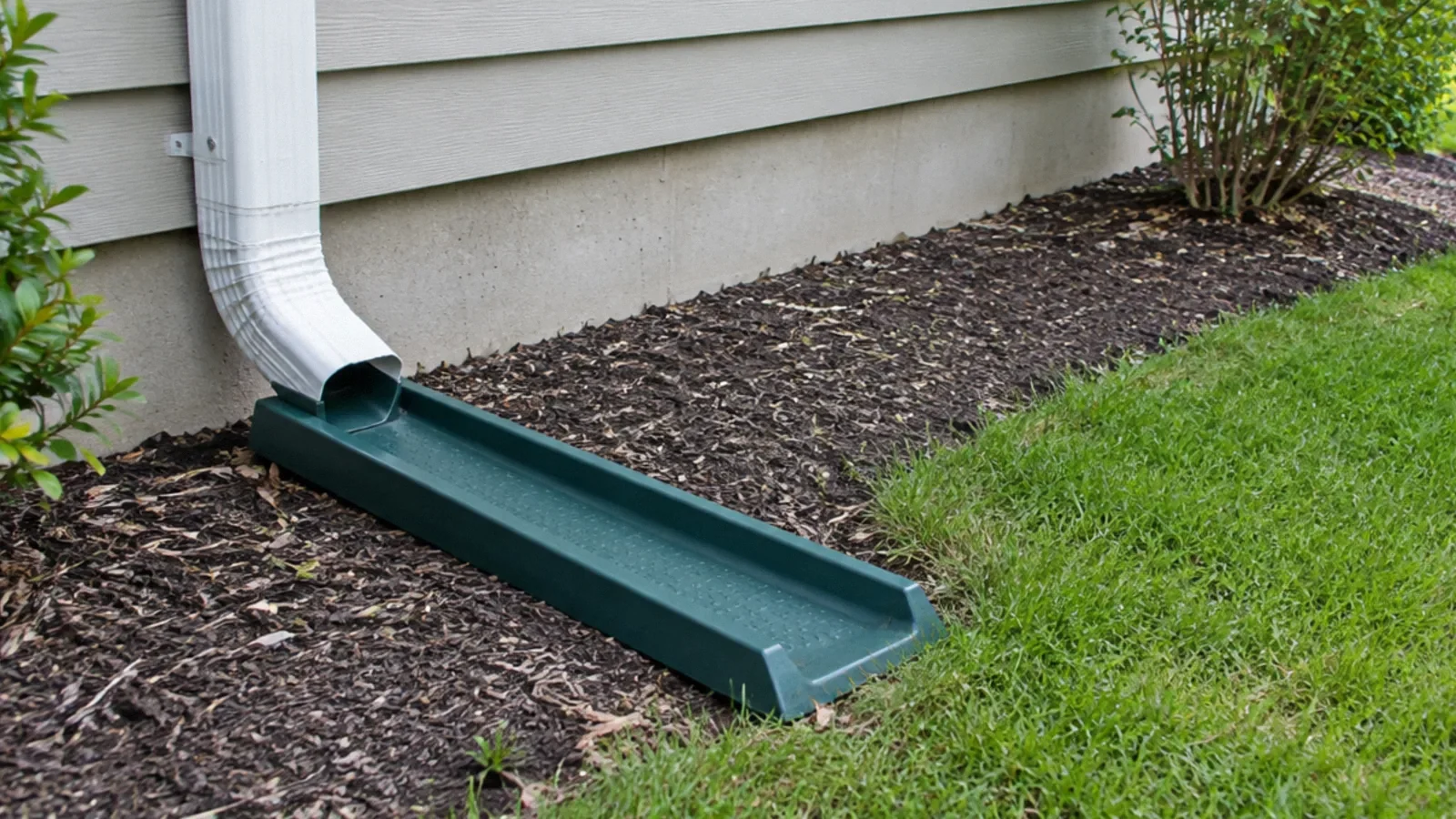
Remove loose leaves and litter from an accessible surface around yard drains and downspout outlets when it is safe to do so. Do not enter a drain, lift a heavy public grate or reach into an opening. Report a blocked public storm drain to the responsible local agency.
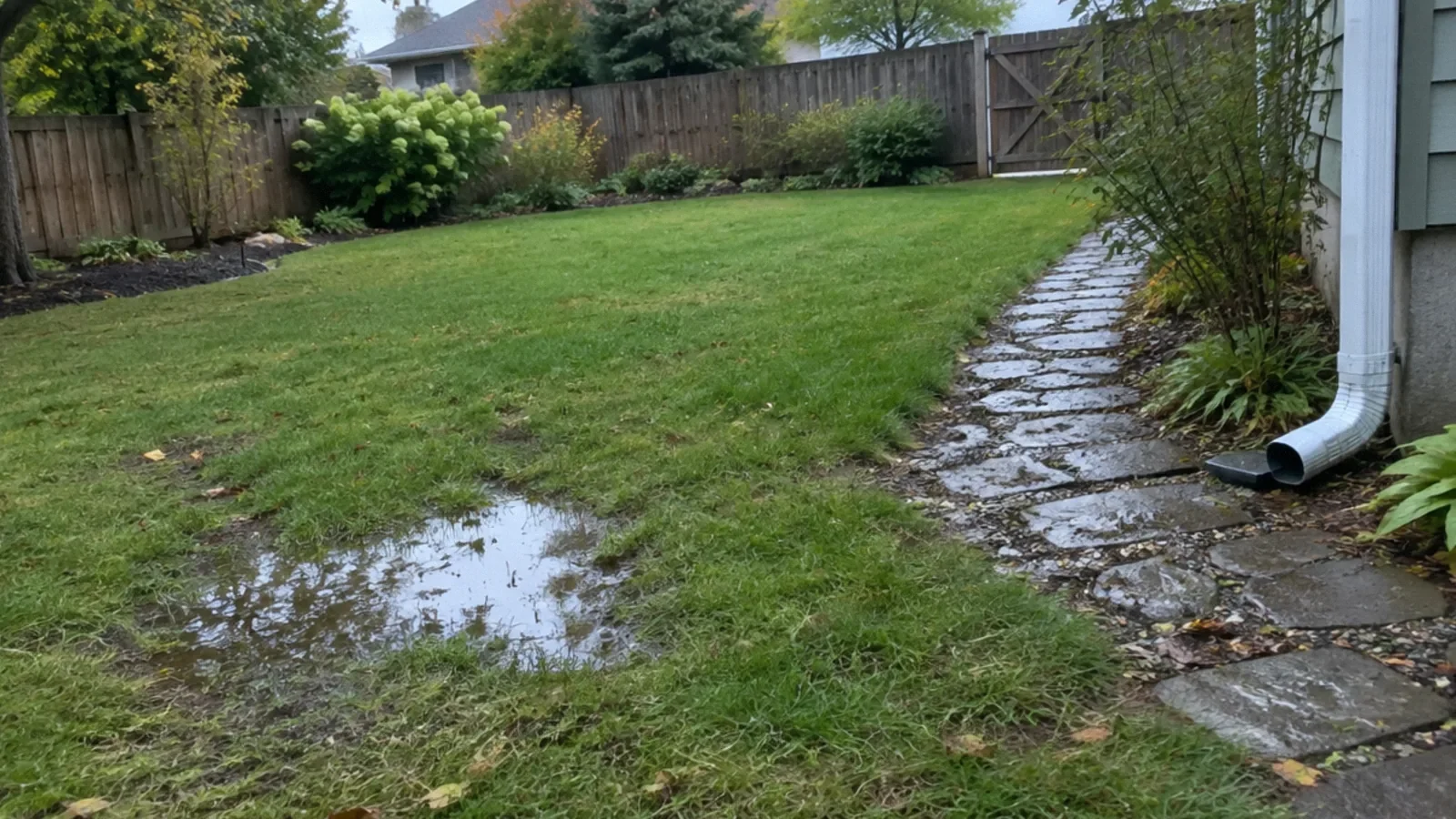
Note places where water repeatedly pools or flows toward the foundation. Cleaning a grate may help an obstructed outlet but cannot correct every grading, buried-pipe or drainage problem. A separate drainage assessment may be needed before changing the landscape.
Clean patios and outdoor surfaces
Sweep hard surfaces before choosing a cleaning method. Follow the surface manufacturer’s directions for a deck, pavers, furniture or painted finish, and test any cleaner in a discreet place. Avoid aggressive pressure or chemicals that can damage wood, mortar, coatings or nearby plants.
Keep wash water and chemicals out of storm drains and waterways. Use as little water as practical and follow local disposal rules. A professional can assess slippery growth or a large surface if the correct method is uncertain.
After a storm or flood
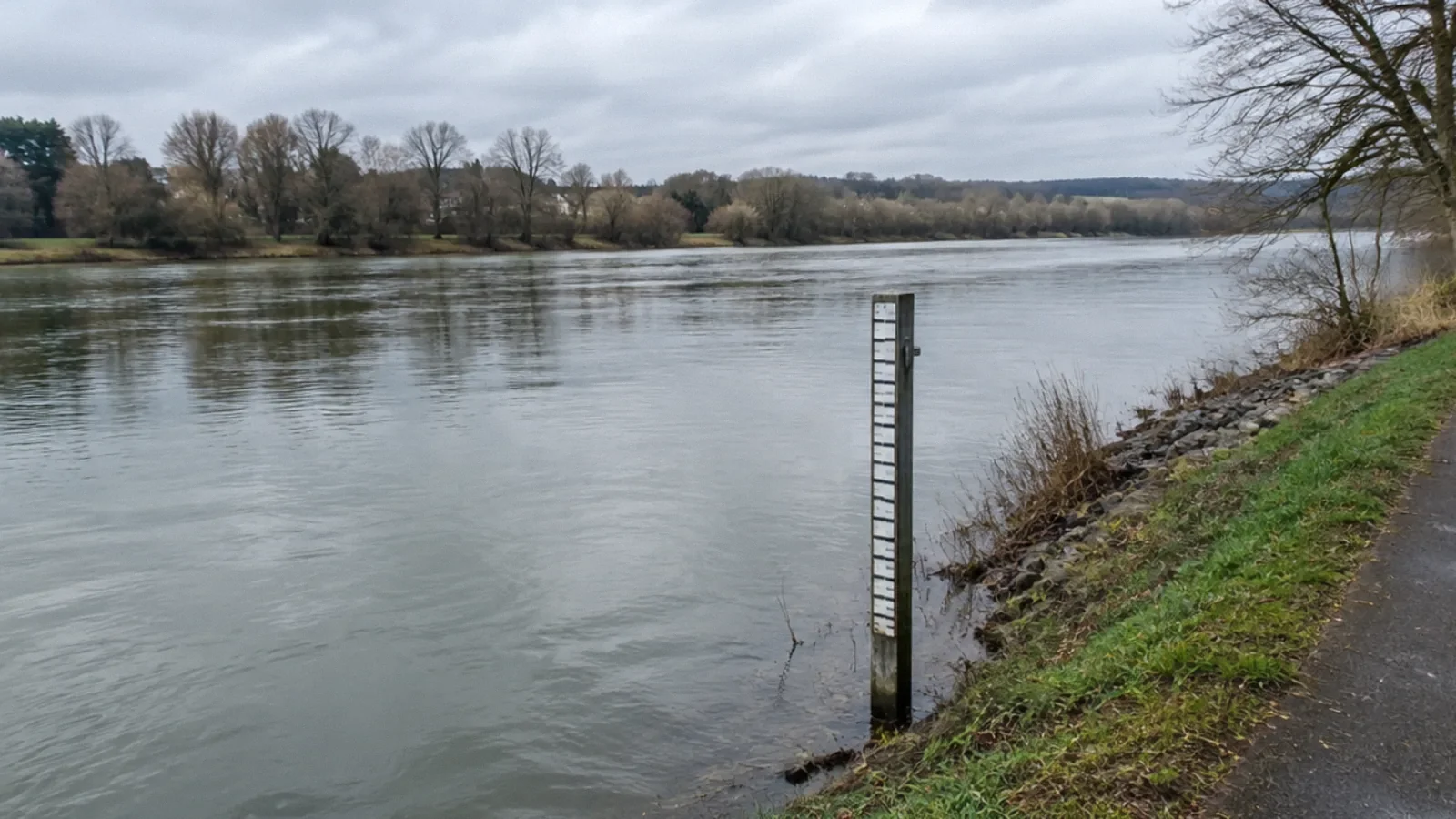
A flood can leave sewage, chemicals, sharp debris and unstable materials in a yard. Wait for authorities to say the area is safe, avoid standing water and use protection suited to the actual hazards. CDC recommends protective clothing and precautions for disaster cleanup.
Do not treat unknown flood residue as ordinary garden dirt or handle hazardous debris without guidance. Contact local authorities or a qualified cleanup professional for disposal, downed trees, suspected contamination or extensive damage. Document the area when safe for insurance or property records.
Keep the yard manageable
A short recurring routine can prevent a large buildup: collect litter, remove leaves from accessible paths and check drainage after significant weather. Keep tools stored safely and record any recurring wet spots or damaged surfaces.
Choose a schedule suited to the season, trees and local collection service. Cleaning is not a substitute for repairing a leak or changing a drainage system. If water repeatedly reaches a building or causes erosion, investigate the source and request a qualified assessment.
Collect leaves and litter without damaging turf
Walk the lawn first and pick up litter by hand or with a grabber, wearing gloves; separate sharp objects and hazardous containers for local disposal. Gently rake leaves with a flexible rake when the ground is firm enough to avoid tearing or compacting the turf. Work in small sections and avoid gouging the grass with a metal tool. Bag or compost suitable clean leaves, or use a local yard-waste collection program. Keep suspected sewage-contaminated debris separate and consult local authorities about handling it.
Your next-step checklist
- Check for electrical, sharp and unstable hazards.
- Separate litter, plant waste and hazardous materials.
- Keep leaves and wash water out of storm drains.
- Clear accessible paths and drainage points.
- Use qualified help for flood contamination or dangerous tree work.
Related questions
Where should I start cleaning a messy backyard?
Survey hazards, clear an accessible route and separate litter from plant debris. Work in manageable sections and use local disposal guidance.
Can I sweep leaves into the street?
No. EPA recommends keeping leaves and clippings out of gutters and drains because they can clog catch basins and affect waterways.
Can I wash yard chemicals down a storm drain?
No. Keep chemicals and dirty wash water out of drains and use the local hazardous-waste program.
Is backyard cleanup after a flood the same as routine yard work?
No. Floodwater and debris may be contaminated or hide hazards. Follow official safety guidance and seek qualified help when needed.
Sources & context
Public guidance supports the principles in this article. The practical questions and examples are editorial interpretation, not a site assessment or a coverage decision. State-specific rules apply only where identified.
- EPA: Yard work and stormwaterfederal environmental guidance
- EPA: Protect waterways at homefederal environmental guidance
- CDC: Cleaning safely after a disasterfederal safety guidance
- Official guidanceofficial
- Official guidanceofficial