Rats can use sewer systems, but a rodent near a drain does not prove it came through the sewer. Have pest and plumbing professionals inspect likely routes, and follow CDC precautions when cleaning rodent waste.
Can rodents come from a sewer?
Rats can live or travel in sewer systems, and a damaged lateral line, an open connection or another defect can offer a route toward a building. CDC describes rats entering sewers through broken lines and poorly covered drains; it also documents that rats have sometimes reached toilet bowls through sewer or vent pipes. That possibility is not proof of the route in a particular home. A rodent seen near a drain may instead have entered through a gap around a pipe, a door, a wall opening or another path. Finding the actual entry point matters more than guessing from the location of a sighting.
Mice and rats are different animals
The phrase sewer mouse is not a reliable identification. House mice and rats differ in size, behavior and the openings they can use. CDC notes that a mouse can pass through an opening about a quarter inch wide. A small dropping or a glimpse in poor light is not enough to establish a species or the route taken. Photograph evidence from a safe distance and ask a pest professional to identify it where practical. Do not handle a live or dead animal with bare hands, and do not try to capture one in a confined plumbing space.
Look for evidence without disturbing it
Possible signs include droppings, gnawed packaging, nesting material and openings around utility lines. EPA lists these among signs of a rodent infestation. Record the location and date, and look for a pattern: is evidence concentrated under a sink, near a foundation penetration or at several areas? A mark alone does not show whether rodents are currently active or prove a sewer connection. Avoid sweeping or vacuuming droppings or nesting material because that can put contaminated particles into the air. Limit access to the area while arranging safe cleanup and inspection.
Inspect the building and plumbing separately
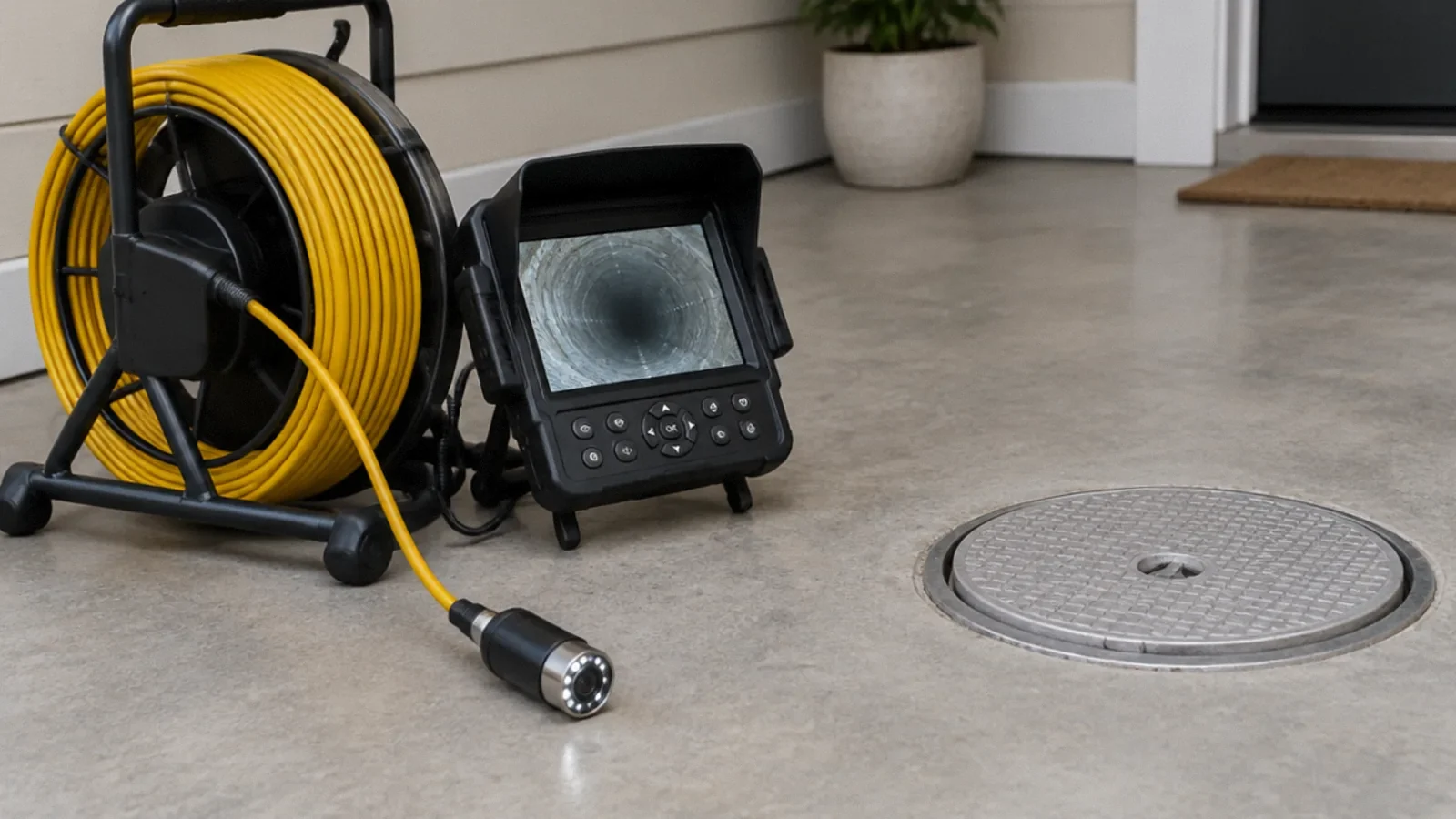
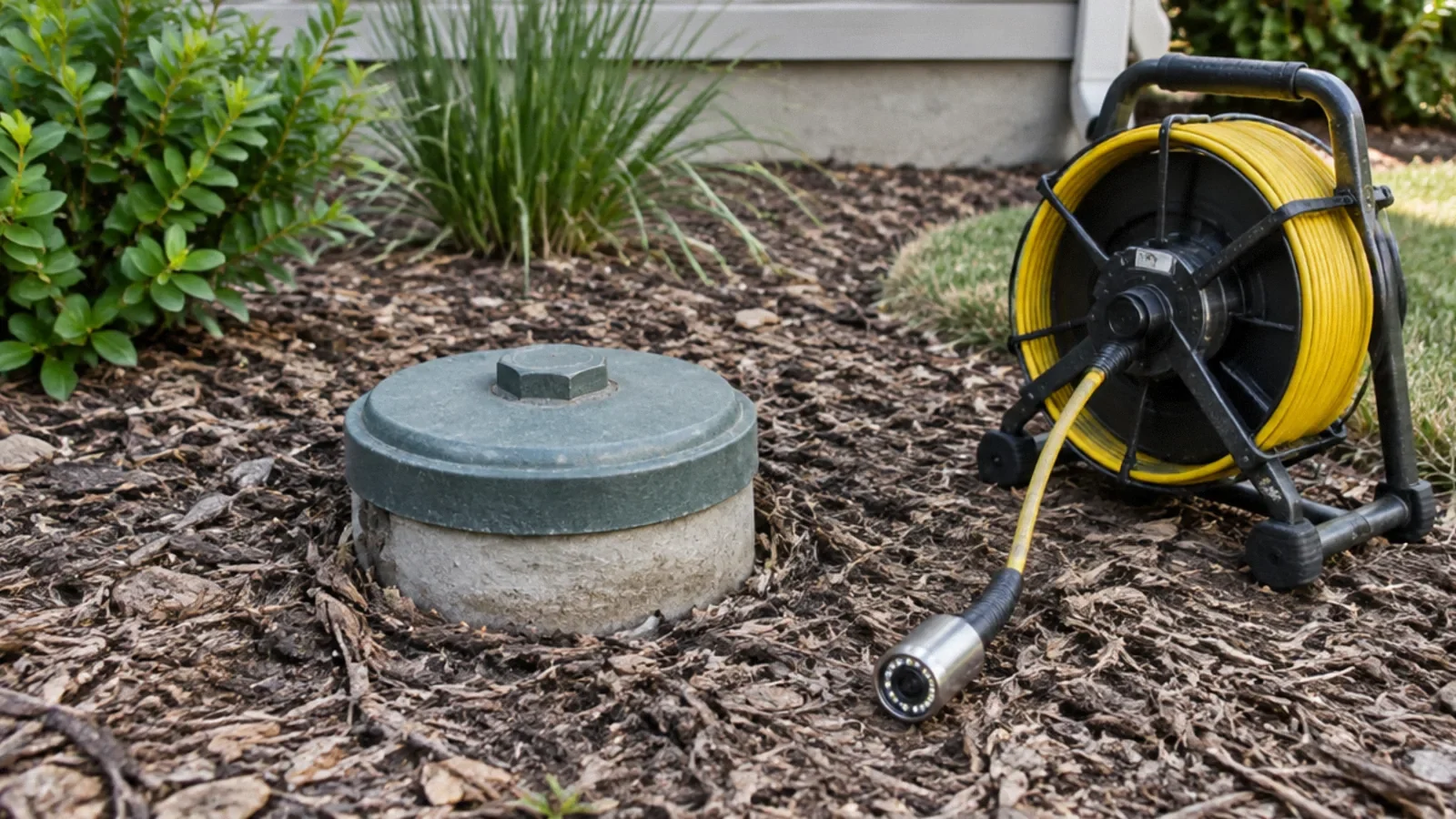
A pest professional can inspect accessible openings, food sources and signs of activity. A licensed plumber or other appropriately qualified specialist can investigate suspected defects in the drain line, fittings or sewer lateral using suitable equipment. A camera inspection may help locate a break, but a finding must be interpreted in the context of the plumbing layout and access. Discuss whether the suspected section is private or maintained by the utility; responsibility depends on the property and local rules. Do not remove drain covers, block plumbing vents or enter a sewer to search for rodents.
What to do if a rodent appears at a toilet
Keep people and pets away, close the bathroom door and contact building management or a pest professional. Do not reach toward the animal, attempt to corner it or pour chemicals into the bowl. A professional can assess the immediate situation and coordinate with a plumber if a drain route is suspected. If sewage is backing up, stop using affected fixtures and contact the responsible plumbing or sewer service. Keep clear of contaminated water and electrical hazards. A toilet sighting is a reason for investigation, not proof that the public sewer is the source.
Reduce access, food and shelter
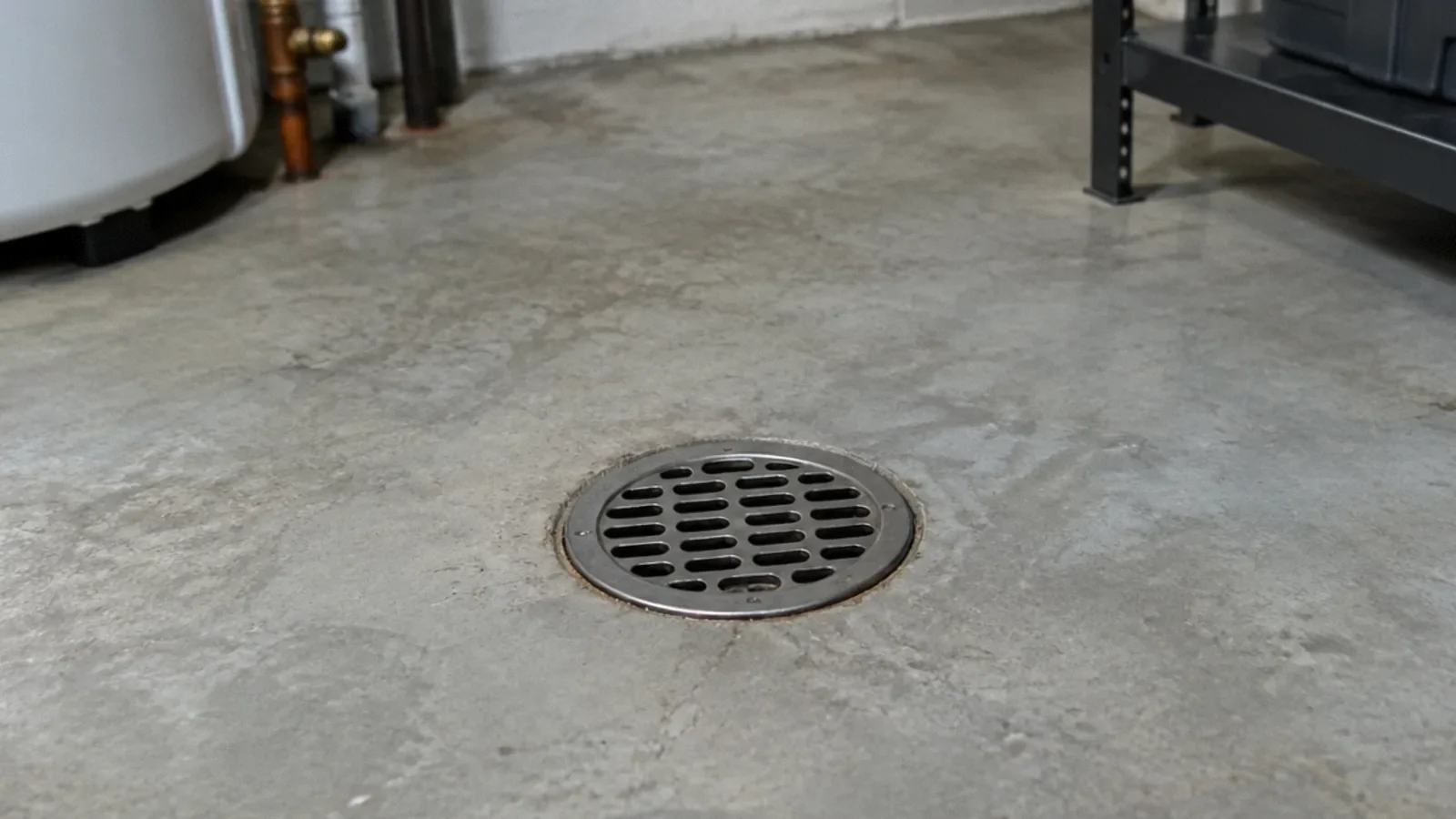
Seal accessible gaps around pipes and other building openings using materials appropriate for the surface and local requirements. CDC describes checking around water, gas and sewer lines, floor drains and foundations. A qualified professional should handle openings involving gas, electrical equipment or plumbing where sealing could interfere with ventilation, movement or required access. Store food and pet food securely, keep garbage in covered containers and remove accessible nesting materials once safe cleanup is arranged. These measures reduce opportunities for rodents even when the exact entry route has not yet been found.
Clean droppings safely
CDC advises not sweeping or vacuuming rodent urine, droppings or nests. For a small affected area, follow CDC’s current instructions: ventilate the space as directed, wear rubber or plastic gloves, thoroughly wet the waste with an appropriate disinfectant and allow the specified contact time before wiping it up with paper towels. Dispose of the waste as directed, disinfect affected hard surfaces and wash hands after removing gloves. Do not mix cleaners or disinfectants. A heavy infestation, contaminated ventilation system or inaccessible area requires additional precautions and professional assistance.
Coordinate repair and follow-up
Removing an animal without closing its access route can leave the underlying problem unresolved. Ask the pest professional and plumber to describe what was observed, where the suspected opening is and which repair is recommended. For a damaged sewer lateral, obtain a scope for the work and ask about required permits, inspection and responsibility for the affected segment. Follow up for new activity after the repair and maintain food and waste controls. A one-time absence of droppings is encouraging but does not establish that every possible route has been eliminated.
When to seek health advice
Rodents and their waste can carry germs, but seeing a rodent or finding droppings does not establish an infection. CDC recommends contacting a healthcare provider if you think a recent illness may be related to rodent exposure and explaining the exposure. For a bite, injury or urgent symptoms, seek prompt medical advice. Save details about where and when exposure occurred, but let a clinician assess its significance. Your local health department may also advise on local rodent concerns and cleanup.
Your next-step checklist
- Keep people and pets away from the affected area.
- Record signs without sweeping or vacuuming waste.
- Arrange pest and plumbing inspections when a sewer defect is suspected.
- Remove food sources and seal suitable building gaps.
- Follow CDC cleanup guidance and seek advice for heavy infestation.
Related questions
Does a mouse near a sink prove the sewer line is broken?
No. The animal may have entered through a gap around a pipe or another building opening. Inspect the evidence and plumbing separately.
Can rats reach a toilet through a sewer?
CDC documents that this has happened, but a toilet sighting does not by itself establish the entry route.
Can I vacuum rodent droppings?
No. CDC advises against sweeping or vacuuming rodent waste because contaminated particles can enter the air.
Who checks a suspected broken sewer line?
Contact a qualified plumber and, where appropriate, the sewer utility or building manager to determine responsibility and inspect the line.
Sources & context
Public guidance supports the principles in this article. The practical questions and examples are editorial interpretation, not a site assessment or a coverage decision. State-specific rules apply only where identified.