Dry spills, remove cleaning residue using the floor maker’s instructions, and use compatible nonslip mats or treatments. Secure or remove loose rugs and address recurring leaks. Avoid adding oil, wax or untested mixtures.
Find out when and where the floor becomes slippery
A floor that is slick only after mopping needs a different response from one made slippery by rain at an entrance or by a worn finish. Keep people away from the area while you identify the cause. Look for water, grease, soap residue, polish buildup, loose rugs and changes between flooring materials. Dry visible spills promptly with a suitable absorbent cloth.
Check the floor’s material and manufacturer care instructions before applying anything. Tile, natural stone, wood, laminate and vinyl have different finishes and tolerances for water and chemicals. An unknown floor may have a coating that is damaged by a homemade mixture. When in doubt, ask the manufacturer or a flooring professional.
Remove moisture and cleaning residue
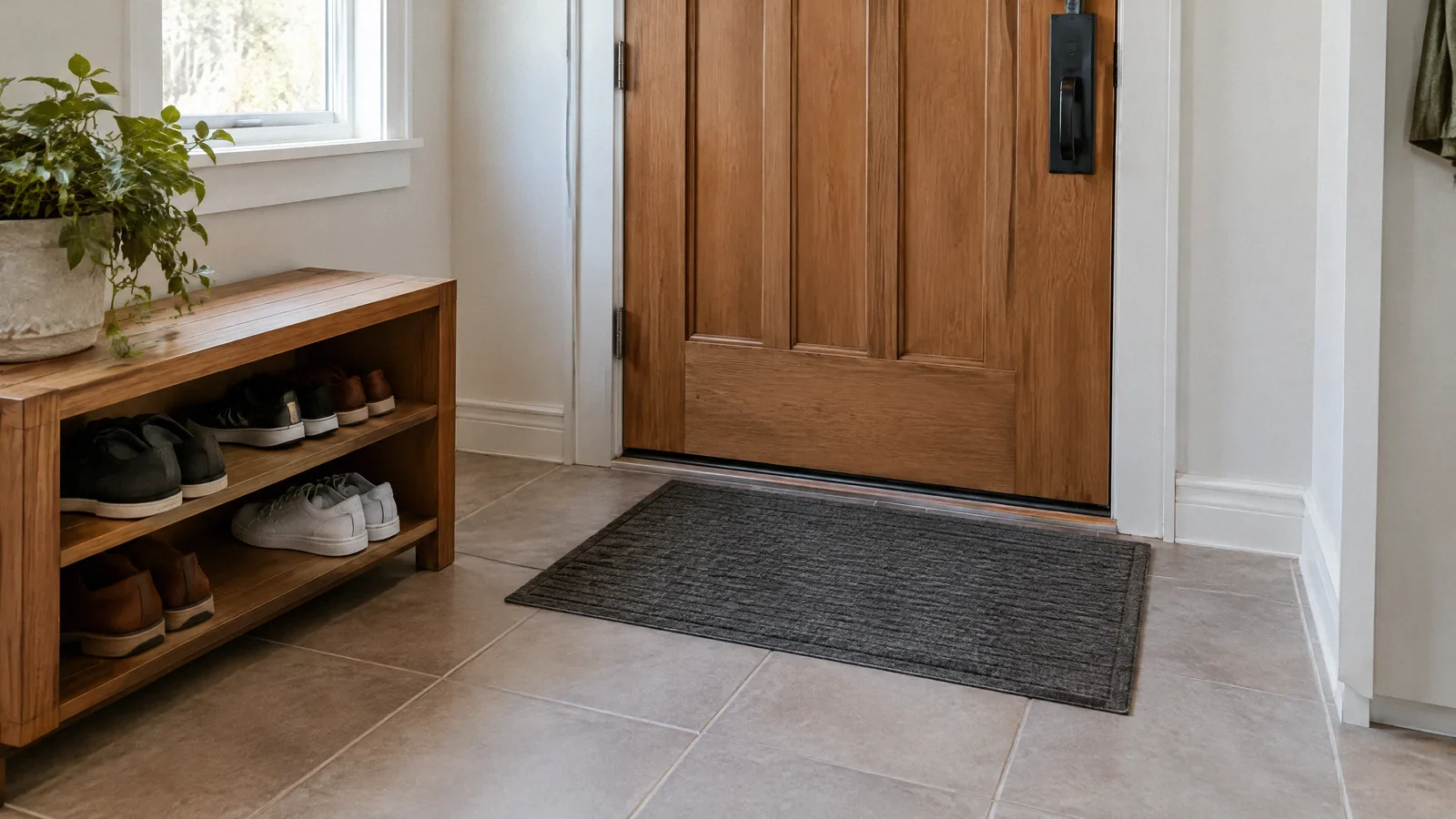
At an entry, use an absorbent mat suitable for the floor and keep it dry and flat. Provide a place for wet shoes and umbrellas. In kitchens and bathrooms, wipe up water or grease promptly and investigate recurring leaks. A mat should not curl, slide or create a tripping edge; remove it or secure it with a backing compatible with the floor.
If the floor becomes slick after cleaning, too much cleaner or an unsuitable polish may have left a film. Follow the floor manufacturer’s directions for removing residue and use the recommended dilution. Use clean mop water and avoid leaving puddles. Do not mix cleaning products. Avoid vinegar, ammonia, abrasives or steam unless the floor maker permits the specific method.
Allow the surface to dry before reopening it to foot traffic. Mark or block a wet area where practical. If residue persists despite following the care guide, ask a flooring specialist to identify the finish and recommend a compatible treatment instead of adding more chemicals.
Improve traction without creating a trip hazard
For a dry walking route, remove loose throw rugs or use a nonslip backing or tape that is compatible with the floor and holds the rug flat. CDC recommends removing rugs or securing them to reduce falls. Check the edges regularly, especially where a walker or wheelchair crosses the transition. Some rubber or adhesive products may discolor or damage a particular finish.
For tubs and showers, CDC suggests a nonslip mat or self-stick strips. Choose a product intended for that surface and follow its cleaning and replacement instructions. A loose or moldy mat can create a different problem. Grab bars installed securely in appropriate locations can provide support but do not make a wet surface nonslip.
For a persistently slippery hard floor, ask the flooring manufacturer about compatible nonslip treatments, mats or replacement surfaces. Some coatings change appearance, cleaning requirements or warranty coverage. Test and installation should follow the product instructions. No treatment guarantees that a floor will never be slippery.
Address specific household conditions
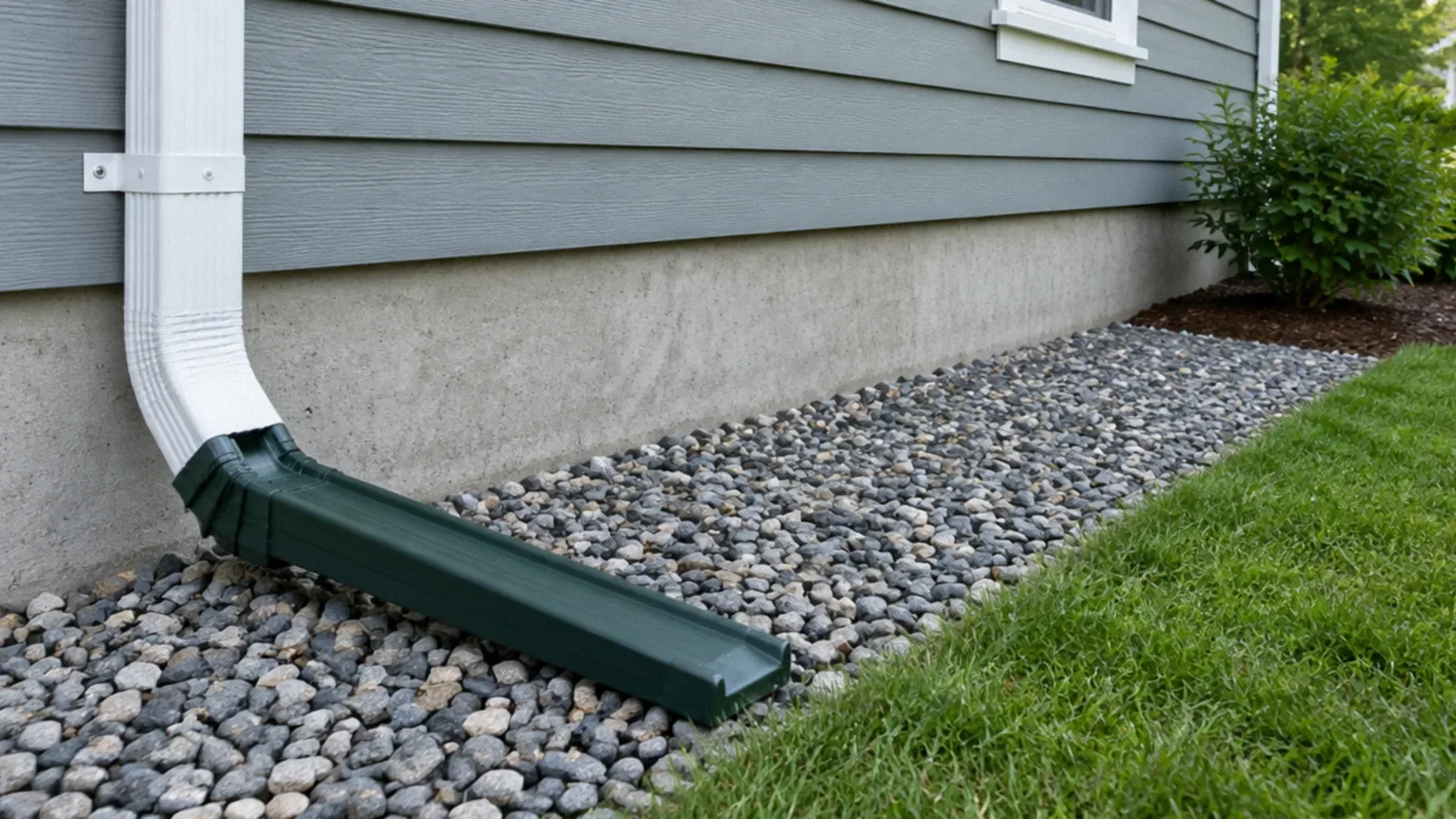
Kitchen grease may need a floor-approved degreasing cleaner, not wax or oil. In a bathroom, soap and water should be removed with a product appropriate for the surface. Near exterior doors, address rainwater at its source and use a suitable mat. On stairs, keep treads secure and dry, maintain handrails and good lighting, and seek professional help for damaged or loose coverings.
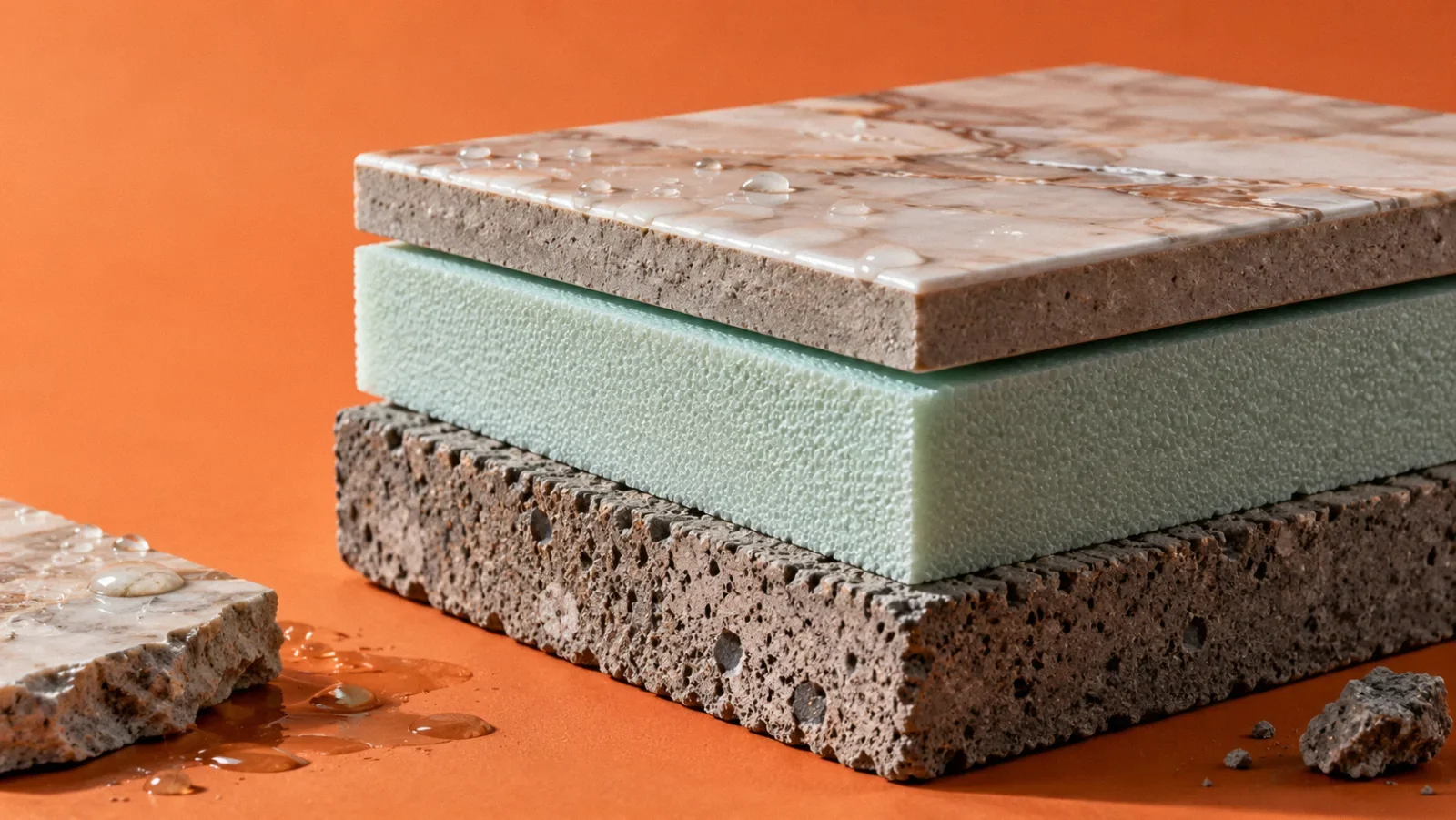
Hardwood and laminate should not be soaked. Vinyl and tile seams can allow moisture to reach material below. A dry surface does not prove that a subfloor is dry after a leak. If there is swelling, softness, recurring dampness or water under flooring, arrange an assessment and fix the source rather than covering it with a mat.
Avoid popular but unreliable home remedies
Adding oil, wax, furniture polish or more soap can leave a slick film. Baking soda, vinegar and abrasive powders are not universal solutions: they can damage some finishes or leave residue. Never combine bleach with ammonia or other cleaners. A manufacturer-approved cleaning method and a suitable traction product are more reliable starting points than an untested mixture.
If a remedy is recommended by the manufacturer, follow its instructions and test in an inconspicuous area when directed. Stop if the surface changes color, becomes rough or remains slippery. Avoid treating a whole floor based on the result of a brief touch test in one dry corner.
Check the whole walking route
After the floor is clean and dry, inspect the route in ordinary lighting and under the conditions that caused the problem. Check transitions, wet shoe paths, loose cords and the edges of mats. Use well-fitting footwear with suitable soles, maintain lighting and keep commonly used routes clear.
If someone has fallen or has difficulty walking safely, speak with a healthcare professional about individual fall risks. A flooring professional can assess a persistent surface problem. Environmental improvements help, but a mat or coating alone cannot eliminate every fall risk.
Your next-step checklist
- Identify water, grease or residue.
- Follow the exact floor’s care instructions.
- Keep mats dry, flat and securely positioned.
- Fix recurring leaks and inspect damaged flooring.
- Keep stairs and walking routes lit and clear.
Related questions
Does vinegar make every floor less slippery?
No. Vinegar can damage some finishes and is not a universal traction treatment. Follow the floor manufacturer’s instructions.
Should I put a rug over a slippery spot?
Only if it is suitable for the surface and stays flat and secure. A loose or curled rug can create a trip hazard.
What if a floor stays wet?
Investigate the source and arrange a repair. Persistent moisture under flooring may require professional assessment.
Sources & context
Public guidance supports the principles in this article. The practical questions and examples are editorial interpretation, not a site assessment or a coverage decision. State-specific rules apply only where identified.