A kitchen sink installation must match the cabinet, countertop, faucet and plumbing. Follow the specific sink and fixture instructions, shut off water safely and check every connection for leaks. Countertop cutting, electrical work, failed shutoffs or unfamiliar plumbing may require qualified help.
Choose a sink that fits
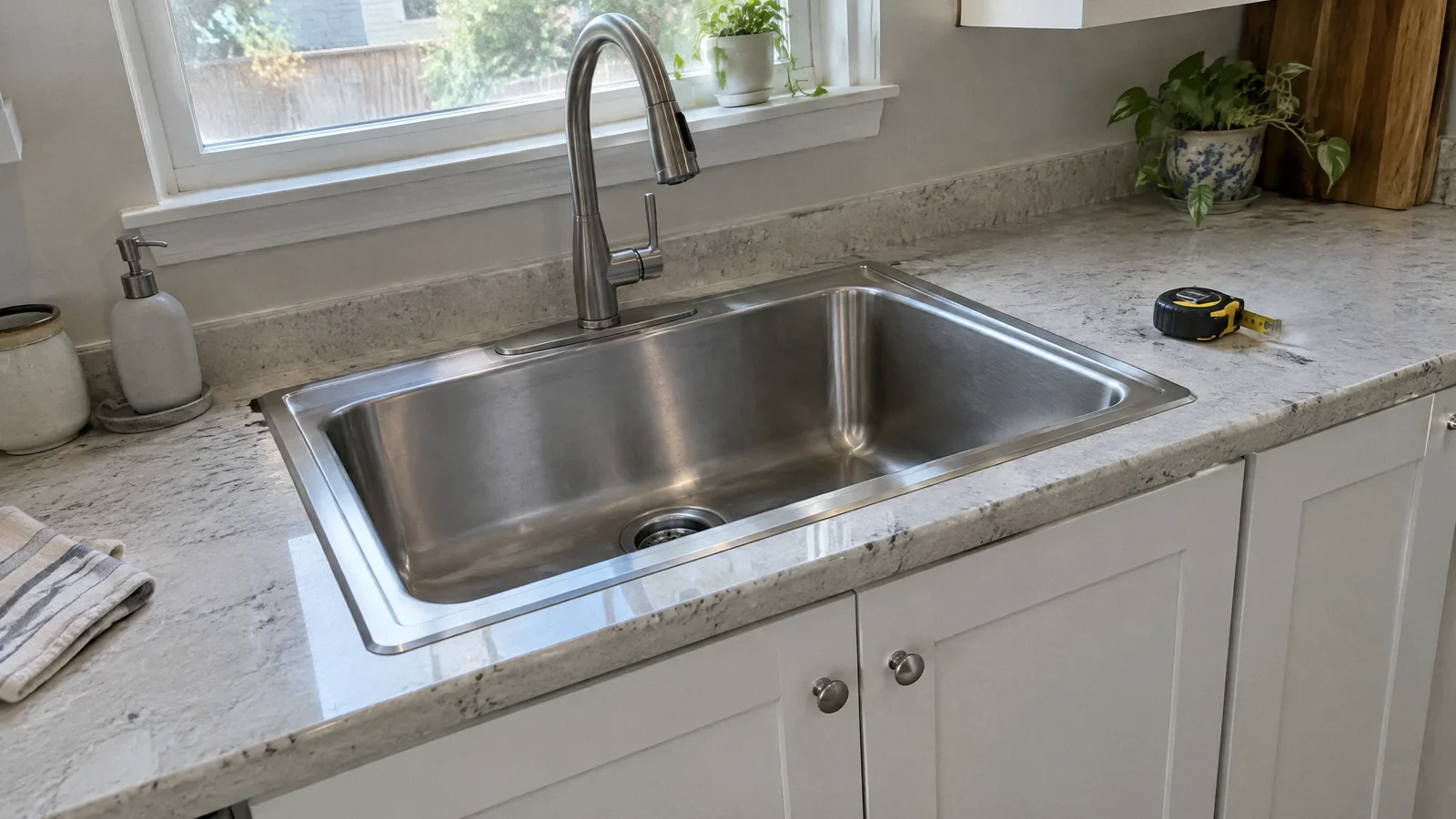
Top-mount, undermount and apron-front sinks connect to the counter and cabinet differently. Measure the cabinet, existing opening and available space, then compare them with the actual sink template and manufacturer’s installation requirements. A similar-looking sink may still require a different cutout or support.
Check bowl depth, faucet holes, accessories and the space beneath the sink. A deeper bowl can change the position of the drain and trap. Do not cut a countertop or cabinet until the full assembly and support requirements have been verified.
Review the existing plumbing
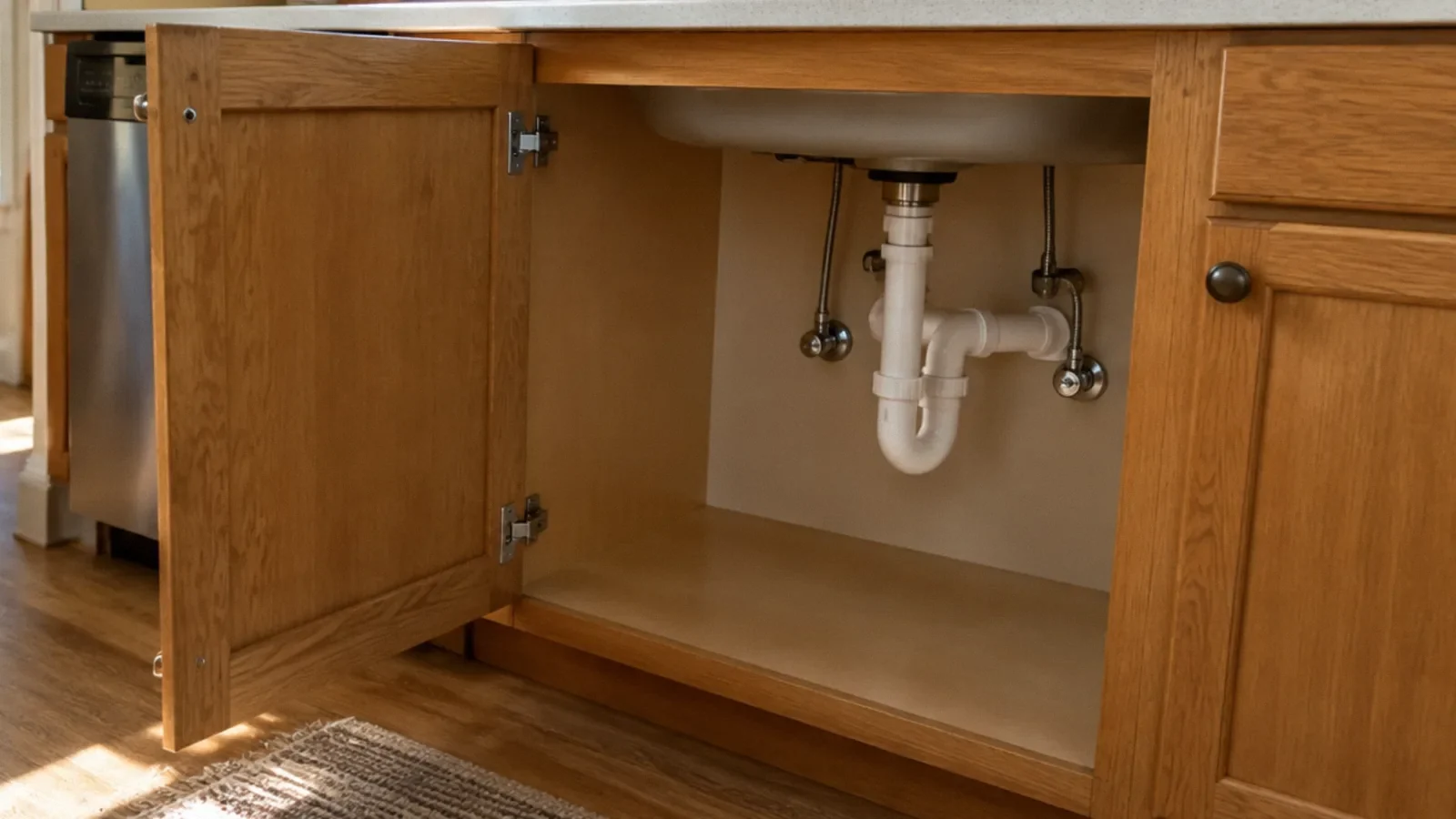
Look at the hot and cold shutoff valves, supply tubes, trap, drain height and any dishwasher or disposal connection. If valves do not fully stop water, pipes are corroded or a connection is inaccessible, a plumber can assess the repair before the sink is removed.
The condition of existing plumbing is not always obvious from the front of the cabinet. Do not force an old valve or fitting. Check local permit and code requirements for the actual scope; replacing a fixture and altering drain or electrical systems may be treated differently.
Define whether the work covers only replacing the sink and faucet or also the strainer, trap, disposal and dishwasher drain connection. A deeper bowl can change the drain alignment; moving supply or drain lines, changing a dishwasher connection or adding electrical work may require a separate scope, permits or qualified trades depending on local rules. Get those details resolved before ordering or removing the old sink.
Protect the work area
Clear the cabinet and protect flooring and countertop edges. Have a bucket and towels available for residual water, but do not treat towels as protection against a pressurized leak. Turn off the known hot and cold supplies and verify that flow has stopped before disconnecting a line.
If the shutoffs do not work, use an appropriate upstream shutoff only if you know how to do so safely, or contact a plumber. Keep water away from outlets and electrical devices. An installed garbage disposal or dishwasher can require separate electrical and plumbing precautions.
Remove the old sink carefully
Follow the fixture instructions for disconnecting accessible supply and drain connections. Support the sink and have help for a heavy or awkward unit. A stone countertop, fragile cabinet or undermount installation can be damaged if the sink is forced out.
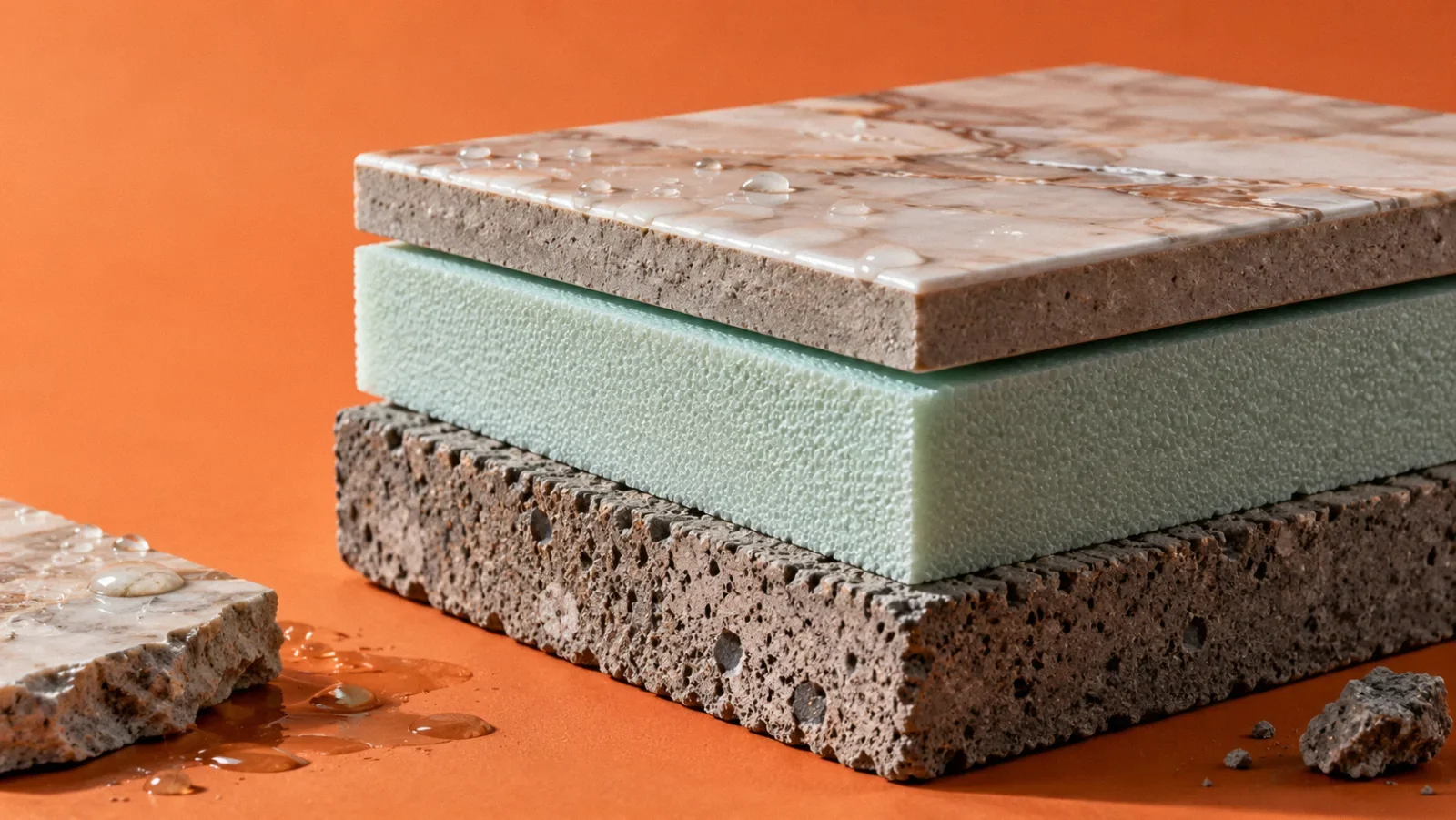
Inspect the cabinet, counter edge and surrounding materials after removal. Swollen particleboard, persistent dampness or suspected mold should be assessed and dried or repaired before concealing the area beneath a new sink. Do not disturb suspect hazardous materials without appropriate advice.
Dry-fit before applying sealant
Check that the new sink sits or mounts as designed, faucet holes align and the bowl and drain clear the cabinet. Confirm support brackets and clips are the parts specified for the sink and countertop. An undermount or apron-front unit may need professional support or countertop work.
Choose sealant and mounting materials specified by the manufacturer for the sink and counter. A generic instruction to use putty or silicone does not override material compatibility. Protect the countertop and allow the required curing time.
Connect the faucet and drain
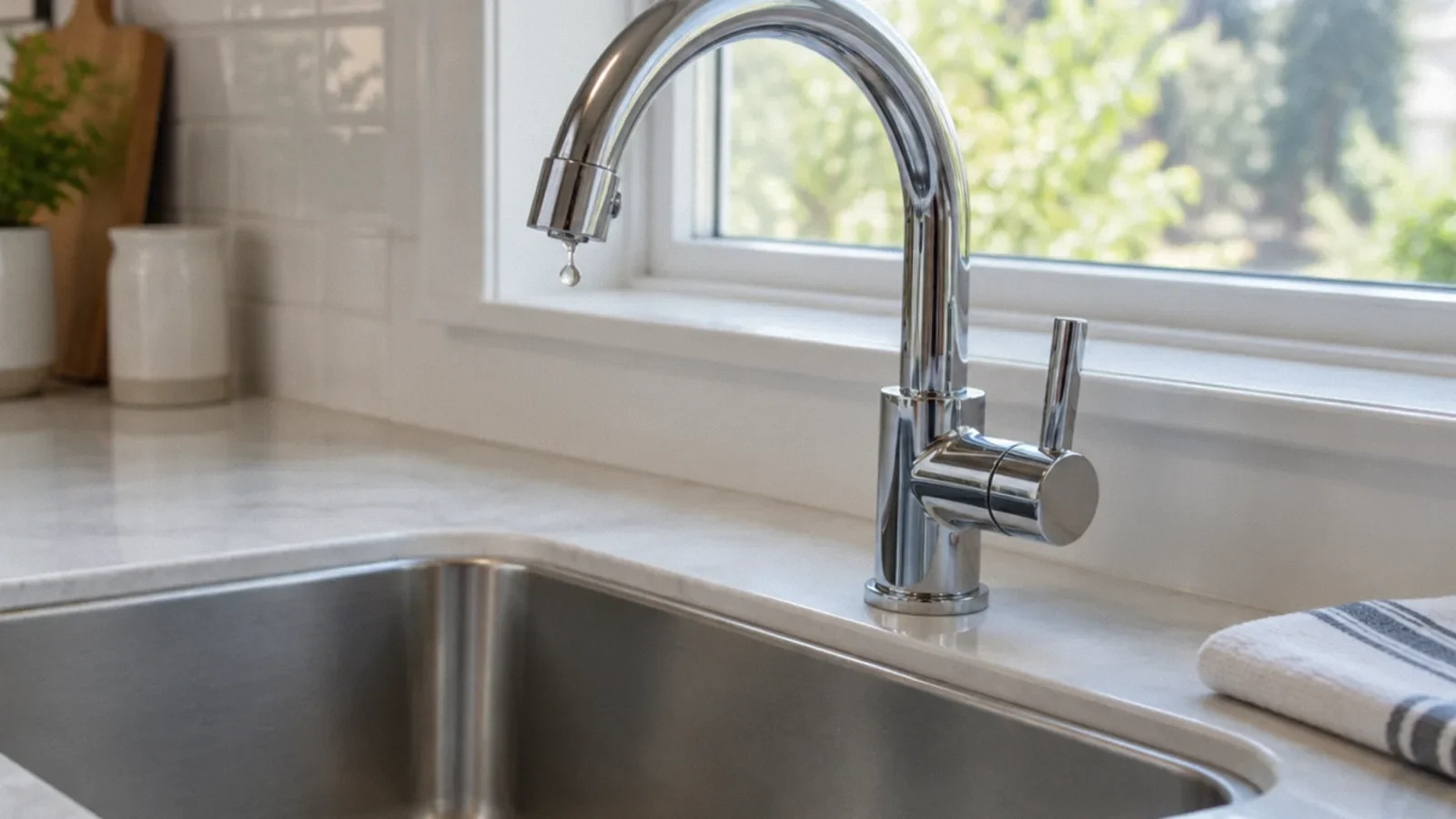
Install the faucet, strainer and accessories in the sequence required by their instructions. Use the correct gaskets and fittings; threaded connections do not all use the same sealing method. Avoid overtightening parts, which can crack a fitting or deform a seal.
Reconnect the drain and any dishwasher or disposal according to the equipment instructions and applicable plumbing requirements. If the trap alignment or drain height is wrong, do not force the assembly into place. A qualified plumber can correct the configuration.
Restore water and check for leaks
Open shutoff valves gradually and inspect the supply connections. Run hot and cold water, fill and drain the sink, and check the strainer, trap and accessible connections for drips. Kohler’s guide recommends checking the connections after water is restored.
Use a dry cloth to help notice moisture and check again after normal use. If a connection leaks, close the relevant supply or stop using the drain and have the cause corrected. Do not conceal a wet cabinet or assume a slow drip will seal itself.
When to hire a professional
Get qualified help for a failed shutoff, damaged pipes, changed drain layout, heavy stone work, electrical connections or an installation beyond your experience. Confirm who supplies the sink, handles disposal of the old fixture and repairs any preexisting water damage.
Ask for a written scope, applicable license and insurance information, and a plan for leak testing. Keep the fixture instructions and receipts. If a later leak appears, stop using the affected fixture and arrange prompt assessment.
Your next-step checklist
- Confirm the sink, cabinet and countertop are compatible.
- Shut off and verify the water supply safely.
- Follow the manufacturer’s mounting and connection instructions.
- Test supply and drain connections for leaks.
Related questions
Can I replace a kitchen sink myself?
A straightforward replacement may be possible for an experienced homeowner, but failed valves, countertop work, electrical connections or changed plumbing may require qualified help.
Do I need a new faucet when replacing a sink?
Not necessarily. Check the faucet’s compatibility, condition and hole requirements.
Why check the cabinet after removing the sink?
A previous leak may have left wet or damaged material that should be assessed before the new fixture conceals it.
How do I test a new sink for leaks?
Restore water gradually, run and drain it, and inspect supply, strainer and trap connections. Recheck after normal use.
What does kitchen plumbing installation include?
A project may involve water supply, shutoffs, a sink drain, dishwasher connections and associated venting, depending on the design. Ask the local building department and qualified contractor about the actual scope, permits and inspections.
Sources & context
Public guidance supports the principles in this article. The practical questions and examples are editorial interpretation, not a site assessment or a coverage decision. State-specific rules apply only where identified.
- Kohler: How to install a kitchen sinkmanufacturer guidance
- Kohler: Sink installation instructionsmanufacturer installation guidance
- EPA: Mold and moisture in the homefederal guidance
- Source guidance: www.epa.govverified guidance