Start with the manufacturer’s care label and vacuum the upholstery if its instructions allow it. Treat a small spot only with a product compatible with the fabric and code, testing an inconspicuous area first. Avoid saturating the fabric or cushion. If the code is missing, the material is delicate or contamination is extensive, ask the manufacturer or a professional cleaner.
Find the care label
A manufacturer’s label may be under a cushion, beneath the frame or in the documentation supplied with the sofa. Look for a cleaning code and any specific instructions. Codes are shorthand; the furniture maker’s directions for that exact material take priority over a generic internet recipe.
If the label is missing or illegible, do not assume the fabric can be washed. Contact the maker with the model information or seek a professional upholstery cleaner. A removable cover is not automatically machine washable, and unapproved laundering can change the fit or appearance.
Understand common cleaning codes
A common industry guide uses W for appropriate water-based upholstery cleaning, S for solvent-based cleaning, SW for either as directed, and X for vacuuming or light brushing only. The label and product instructions still matter: not every water-based cleaner suits every W fabric, and no code authorizes soaking the cushion.
Solvents can be flammable or irritating and may require specialized handling. For S fabric, a professional is often the safer choice. Never substitute gasoline, paint thinner or a household solvent, and do not mix cleaning chemicals. If the code conflicts with the manufacturer’s instructions, ask the manufacturer.
Prepare and vacuum
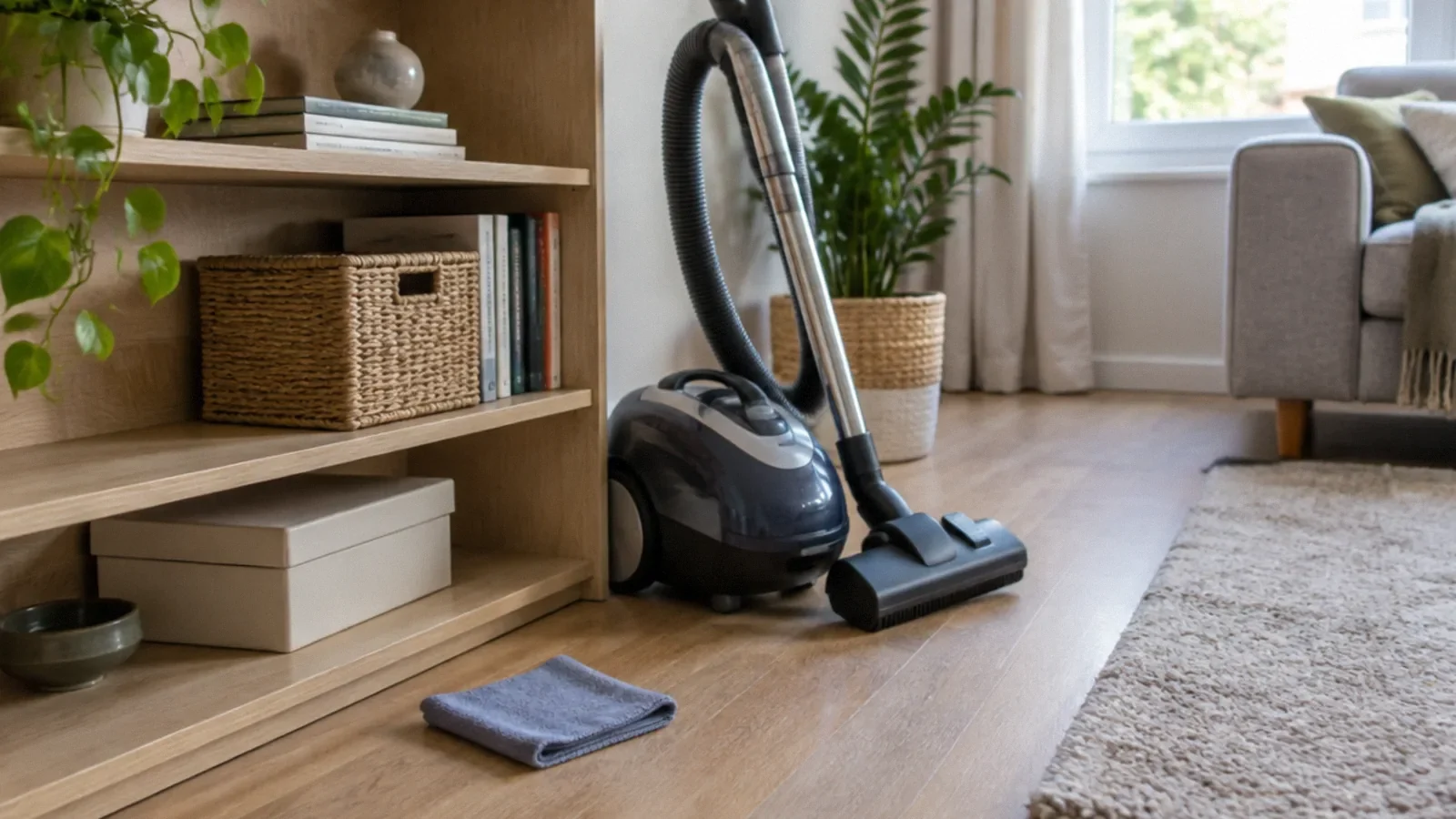
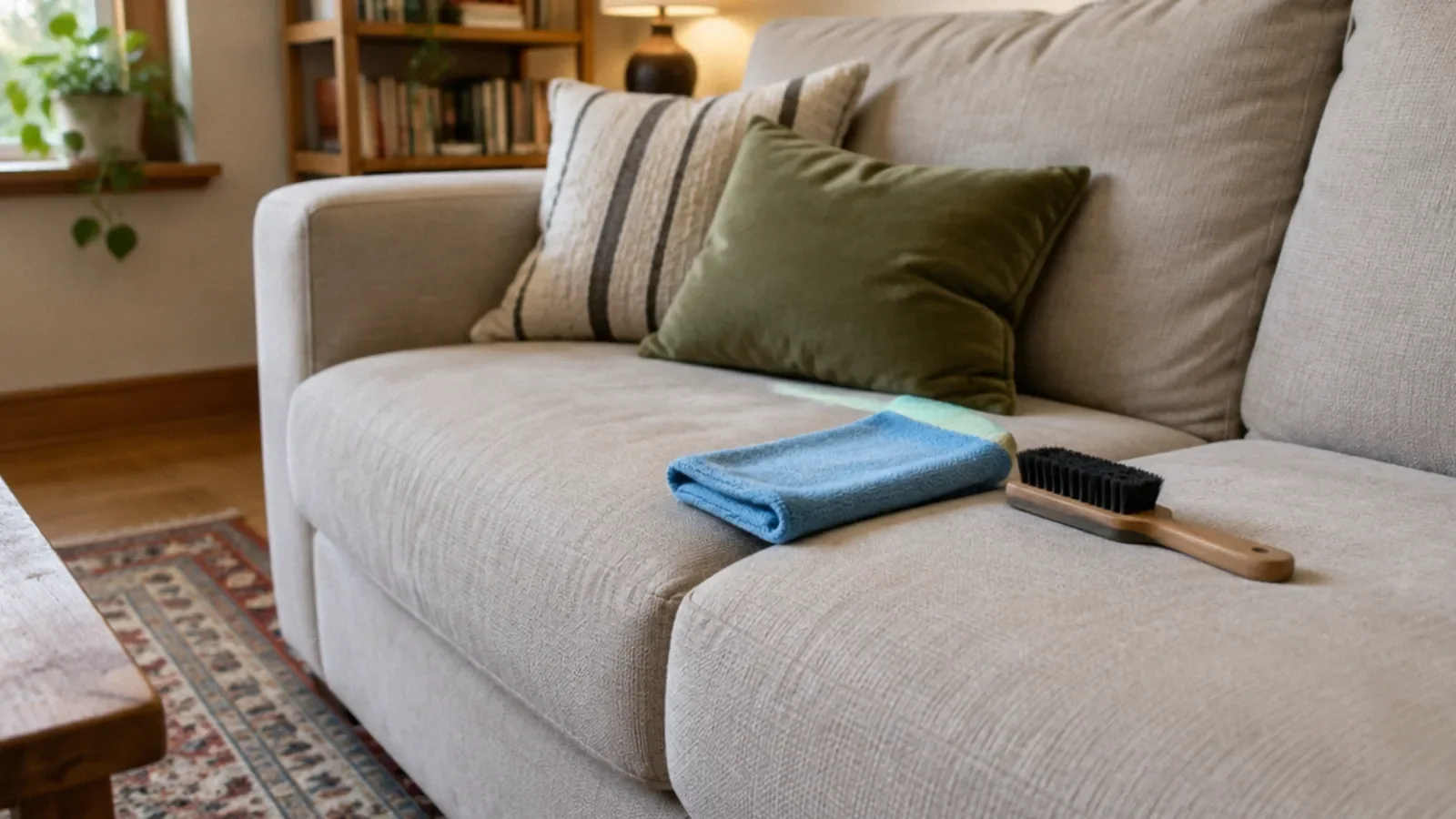
Remove loose cushions only if designed to come off. Use the vacuum’s upholstery attachment with gentle suction and check seams, crevices and beneath cushions for crumbs. A soft brush may help on fabric that permits it. Avoid forcing a nozzle against loose threads, damaged seams or delicate trim.
Vacuuming removes loose material; it does not sanitize a contaminated cushion or remove every stain. Empty and maintain the vacuum according to its directions. If the furniture was affected by sewage, floodwater or extensive mold, seek an experienced restoration assessment rather than routine upholstery cleaning.
Treat an ordinary small spot
Blot a fresh spill with a clean absorbent cloth instead of rubbing. Identify the spill and check both the couch label and cleaner label. Test the selected product on a hidden area and allow it to dry to check for color change or a ring before treating the visible spot.
Apply only the amount and method the product permits. Work gently, avoid spreading the mark and do not pour liquid into padding. Dry thoroughly before replacing cushions or using the sofa. A stain that remains may be better assessed by a professional than treated repeatedly with different chemicals.
Microfiber and polyester are not one cleaning code
Microfiber describes a fine fiber structure; polyester describes a fiber. Neither term alone tells you which solvent, water-based cleaner or machine is safe for a particular sofa. Backing, dye, finish and the maker’s construction all affect the cleaning instructions.
Do not assume a carpet shampooer is suitable for a polyester couch. The machine and solution must be approved for the upholstery and used as directed, and excessive moisture can remain in the cushion. If the label does not support the method, ask a professional rather than experimenting.
Pet accidents and other contamination
Keep pets and children away, use appropriate gloves, remove solid material carefully and blot liquid without grinding it into fabric. Follow applicable hygiene guidance and the sofa’s care instructions. A product that is safe for a hard floor may not be appropriate for upholstery or for use around a pet.
If urine or feces has penetrated padding, or an animal is ill, seek veterinary and professional cleaning advice as appropriate. Wash hands after handling waste. Do not combine disinfectants or apply a product to an animal. Severe contamination may require replacement of affected material.
Urine on a couch or cushion
For a fresh urine spot, keep others away, wear appropriate gloves and blot with a dry absorbent cloth without pushing liquid deeper. Check the upholstery code before using any cleaner; an S-only or unknown fabric should not be treated with water by assumption. Launder a cover only when the maker expressly permits it.
Urine can reach cushion filling, where odor and moisture are harder to remove. Avoid saturating the cushion or masking the odor with fragrance. Ask a qualified upholstery cleaner about the fabric, pet-safe precautions, interior drying and whether a deeply contaminated insert needs replacement.
Drying and prevention
Use only drying methods permitted by the manufacturer. Provide suitable ventilation and give treated areas time to dry fully before reassembling or sitting on them. Do not place a saturated cushion near an electric heater, use excessive heat or assume that a dry surface means the interior is dry.
Regular gentle vacuuming, promptly attending to spills and laundering approved throws can reduce buildup. The right frequency depends on use, pets, allergies and the fabric instructions; there is no single cleaning schedule for every sofa. Protect the furniture from water leaks and direct sources of excessive moisture.
When to call an upholstery cleaner
Consider a professional for an unknown code, valuable or delicate fabric, extensive staining, stubborn odor or liquid that reached the padding. Explain the fabric label, spill and products already used. Ask for a written scope, method, drying expectations and any limits on stain removal.
No cleaner can promise to reverse every dye change, wear pattern or damaged backing. Get a clear price before authorizing work and ask how cushions and surrounding floors will be protected. Compare professional options rather than using an untested household mixture.
Candle wax on fabric upholstery
Let the wax harden first. A little ice sealed in a bag can cool it without soaking the cushion; gently lift loose wax using the edge of a plastic card, taking care not to pull the fabric. Vacuum dry fragments with an appropriate upholstery attachment. Follow the furniture maker’s cleaning code before attempting any residue treatment.
Colored wax may leave dye or an oily mark after the solid material is lifted. Do not use an iron, steam, a solvent or bleach unless the furniture manufacturer specifically permits the method: heat and chemicals can damage fibers, color, backing or foam. A professional upholstery cleaner can assess remaining residue, especially on delicate or unknown fabric.
Chocolate on upholstery
Check the furniture cleaning code first. Lift excess chocolate gently with a spoon or plastic edge, without spreading it; if it is soft, a sealed bag of ice can firm it without soaking the cushion. Blot any residue with a clean white cloth. Chocolate combines oily and colored components, so a single treatment may not remove every trace.
Use only a product and amount allowed by the upholstery maker after a hidden-area test. Do not soak the fabric or cushion, and avoid heat that can spread the material. Contact a professional if the mark remains or the fabric is delicate or unknown.
Human or pet vomit on a couch
Keep people and pets away, wear disposable gloves and lift visible material gently with disposable towels without shaking or using a vacuum. Bag the waste. Consult the upholstery maker’s care code before using an approved cleaner, and avoid saturating the cushion. Wash hands thoroughly with soap and water after removing gloves.
If a person may have an infectious illness such as norovirus, contamination may extend beyond the visible spot. CDC notes that upholstery can be difficult to disinfect completely; follow public-health guidance for nearby surfaces and seek professional advice for a cushion that cannot be adequately cleaned. Do not assume fragrance, steam or an ordinary cleaner disinfects it. For a sick pet, contact a veterinarian about the animal’s condition.
Grease and oily spots on upholstery
Blot fresh grease gently with a clean white cloth rather than rubbing it through the fabric. Check the cleaning code and the furniture maker’s instructions; grease may spread or penetrate cushion material when too much liquid is applied.
Choose only a product approved for the particular upholstery, and test in an inconspicuous area first. Do not mix chemicals or apply heat. A professional cleaner can assess a persistent mark or uncertain fabric; some oils or dyes may leave a permanent change.
Lipstick or makeup on a couch
Lift any solid makeup carefully without smearing it and blot the remaining mark with a clean white cloth. Lipstick can contain both oil and pigment; the appropriate treatment depends on the furniture cleaning code and fabric.
Use only a manufacturer-approved upholstery product after testing it in a hidden area. Do not saturate the cushion, scrub the fabric or mix solvents and detergents. A professional can assess persistent color or a delicate material.
How much does professional couch cleaning cost?
Prices depend on fabric, sofa size, access, cushions, travel and the treatment needed. Request a written quote that identifies spot treatment, odor work, drying and any return visit. A deeply contaminated cushion or delicate fabric may require a specialist or replacement; compare scopes instead of assuming a national estimate applies locally.
Coffee on a couch
Blot a fresh coffee spill with a clean white cloth without rubbing. Coffee with milk, cream or sugar can leave additional residue and odor. Check the upholstery cleaning code and test an approved product in a hidden area before treating the mark.
Avoid saturating the cushion or applying heat. An old stain or liquid that reached the filling may need a professional upholstery assessment. Some dyes can leave a permanent mark even after appropriate cleaning.
Choosing a couch cleaner for pet urine
Choose a product labeled for both the upholstery material and the type of pet accident, and follow the furniture maker’s cleaning code before applying it. An enzyme-based product may be suitable for some washable fabrics, but it is not appropriate for every code or dye. Spot-test as directed in a hidden area.
Keep pets and children away while the surface dries and follow product instructions. Avoid mixing cleaning chemicals or soaking cushions. If urine reached the filling or an odor returns, a professional can assess whether the insert can be cleaned and dried or needs replacement.
A couch affected by water damage
First determine whether the water came from a clean supply, a drain, floodwater or another source. Keep people away from potentially contaminated upholstery and avoid wet electrical equipment. Water can reach cushion filling and the frame even when the surface feels only slightly damp.
Check the furniture maker’s care instructions and arrange prompt assessment when water reached padding or the source is uncertain. Sewage or flood contamination may make porous materials unsuitable for ordinary home cleaning. Document the item and ask the insurer about a claim before nonessential disposal, without delaying a necessary safety action.
Covers, chairs and pet odors
For a microfiber recliner or other upholstered chair, locate the exact care code and follow the same gentle vacuuming and spot-test principles. Use an upholstery attachment around seams and crevices without pulling loose threads; keep liquids out of hinges and mechanisms. A removable cover is washable only if its own label permits it. Follow all wash and drying symbols and the manufacturer's directions, then refit only when fully dry.
Remove loose pet hair with an approved upholstery attachment or gentle lint tool, clean permitted throws as labeled and allow treated material to dry completely before judging odor. For old coffee or a dried spot, lift loose material gently and use only a tested cleaner permitted by the code; stop if color transfers. Residual dog vomit or urine odor after drying may mean contamination reached filling: a professional can assess cleaning or replacement. An enzyme product is suitable only where both product and furniture instructions permit it; no product is automatically safe for every pet or fabric.
For liquid feces, keep people and pets away, wear gloves, blot without spreading, bag waste and wash hands. Porous filling cannot be assumed disinfected by a surface cleaner; consult a professional when it is penetrated. For clean-water wetting, stop the source, blot accessible moisture, ventilate and follow the manufacturer's drying guidance. Seek assessment if filling remains wet, odor develops or water source is uncertain. Floodwater or sewage requires a separate contamination assessment.
Hair dye on fabric or hard furniture
Hair dye can permanently change fabric color. Blot a fresh spill without rubbing, check the upholstery code and test any approved product on a hidden area. Do not use bleach or combine products; contact an upholstery specialist promptly for valuable fabric or a spreading mark. An old dye stain may not come out.
On hard furniture, first identify the finish and follow its maker’s care directions; a cleaner suitable for fabric may damage a coating. Blot gently, test discreetly and stop if the finish changes.
Your next-step checklist
- Find and follow the manufacturer’s upholstery code.
- Vacuum gently if the fabric permits it.
- Test a compatible cleaner in a hidden area.
- Avoid excess water, unapproved solvents and mixed chemicals.
- Seek professional help for unknown or extensive contamination.
Related questions
What does W mean on a couch?
In a common industry guide it indicates water-based upholstery cleaning. Follow the specific manufacturer and product instructions.
What does S mean?
It indicates solvent-based cleaning under the applicable care instructions. Because solvents need careful handling, professional service may be appropriate.
Can I machine-wash removable cushion covers?
Only if the manufacturer explicitly allows it. A zipper alone does not establish that a cover can be laundered.
What if my sofa has no code?
Ask the manufacturer or a professional cleaner rather than guessing which product is safe.
How do I remove urine from a couch cushion?
Blot fresh liquid, follow the upholstery label and avoid soaking the cushion. Persistent odor or liquid in the filling may require a qualified cleaner or replacement of the insert.
Can I use an iron to remove wax from a couch?
Do not apply heat unless the furniture manufacturer explicitly permits it. Heat can damage or set marks on upholstery; a specialist can advise on remaining wax.
Can a couch be fully disinfected after vomit?
Upholstery and cushions can be difficult to disinfect completely. Follow the furniture maker and public-health guidance, and seek professional advice for contamination that cannot be adequately cleaned.
How do I get dog smell out of a couch?
Find the odor source, follow the upholstery care code and clean only with a compatible tested method. A persistent odor may involve the cushion and need a professional assessment.
How do I remove dog odor from a fabric couch?
Check the care label, vacuum removable hair and treat the source using a fabric-compatible method. If urine reached the padding or the odor persists, ask an upholstery specialist; fragrance alone does not remove contamination.
How can I remove pet odor from a couch?
Find the affected area and follow the upholstery care code. Avoid soaking cushions or masking a recurring odor; contamination in foam may require professional treatment or replacement. Choose an appropriate product and test as directed.
What if a couch has white mold-like growth?
Do not identify growth by color or disturb a large affected area. Wet fabric and foam can retain moisture or contamination; correct the source and ask a qualified upholstery or remediation professional whether cleaning or replacement is appropriate.
How can I remove hair dye from upholstered furniture?
Blot a fresh spill without spreading it, check the upholstery care code and test only a product approved for the material. Hair dye can permanently discolor fabric; do not saturate the cushion or assume bleach is safe. Consider a professional for delicate or persistent stains.
Sources & context
Public guidance supports the principles in this article. The practical questions and examples are editorial interpretation, not a site assessment or a coverage decision. State-specific rules apply only where identified.
- Joint Industry Fabric Standards Committee care guideindustry care guidance
- CDC: Cleaning and disinfecting pet suppliesfederal guidance
- U.S. EPA: Water-damaged materialsfederal guidance
- University of Georgia Extension: Candle wax and paraffin stainsuniversity extension guidance
- University of Georgia Extension: Chocolate stainsuniversity extension guidance
- CDC: Norovirus infection-control recommendationsfederal public health guidance
- Angi: Upholstery cleaning cost, updated September 2026national consumer cost estimate
- CDC: Norovirus infection control recommendationsfederal guidance
- Ashley: Sofa care and cleaningmanufacturer guidance