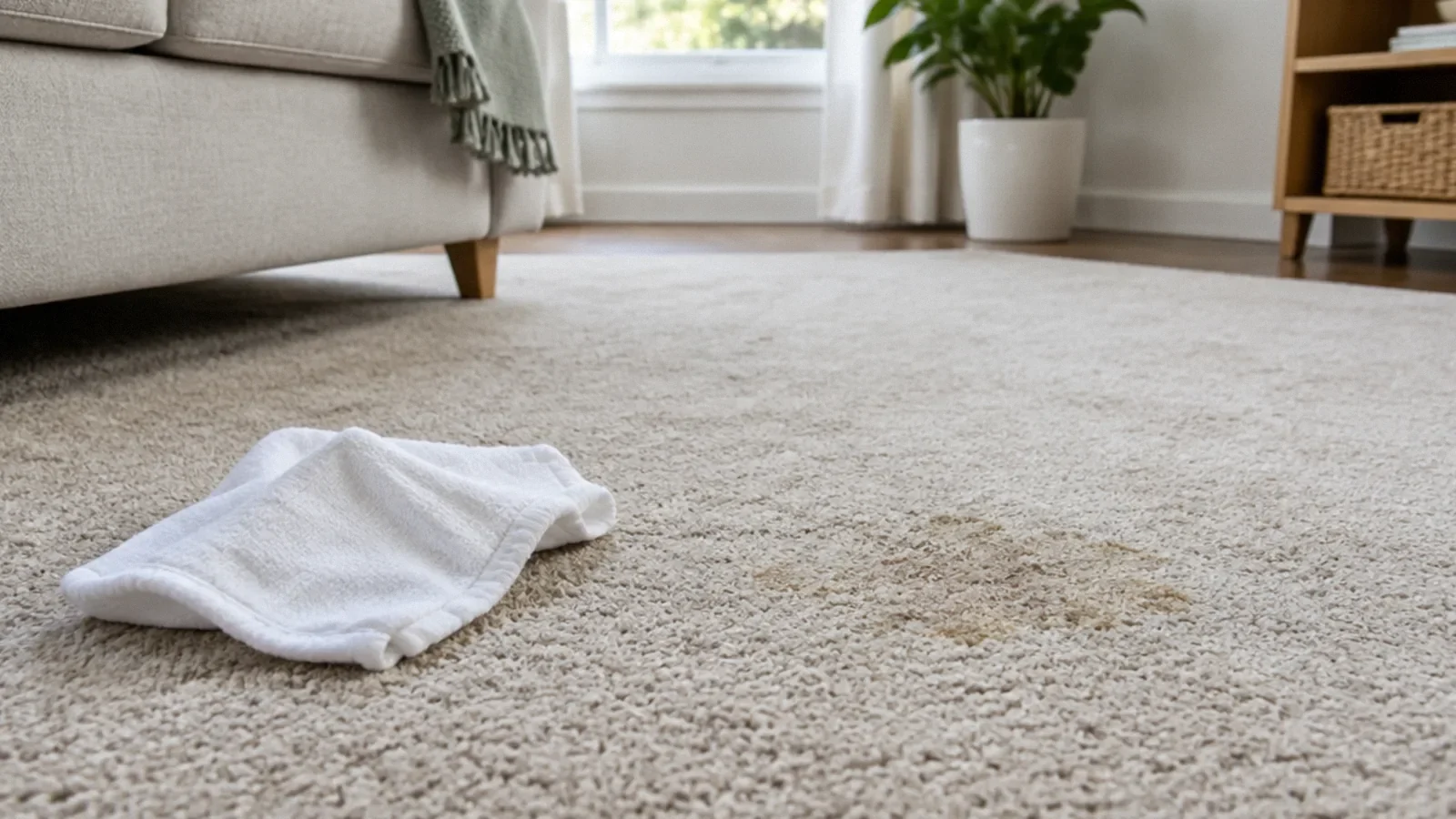
Blot fresh milk promptly with a clean white absorbent cloth, then follow the carpet maker’s instructions for an appropriate spot cleaner. Avoid scrubbing, mixing chemicals or soaking the carpet. If a sour smell persists, milk or moisture may remain in the backing, pad or floor below and may require professional assessment.
Respond to a fresh milk spill
Keep children and pets away while you work. Use a clean white cloth or plain white paper towel to blot as much liquid as possible, changing to a dry portion as it absorbs the spill. Work from the outer edge inward to avoid spreading it.
The Carpet and Rug Institute advises prompt blotting for milk and other spills. Do not scrub the pile with a stiff brush, which can change its texture. A normal dry household vacuum is not designed to remove liquid.
Check the carpet and cleaning product
Look at the flooring manufacturer’s care instructions and warranty before applying a product. Test a compatible spot cleaner in a hidden area and allow the test area to dry to check for dye transfer or texture change. Follow the label for the amount, method and any required residue removal.
Apply only what the product permits; more solution can reach the backing or pad. Never mix cleaners. Laundry products, automatic dishwasher detergents or strong bleach may contain ingredients unsuitable for carpet. Keep cleaning products away from children and pets as directed.
Treat chocolate or flavored milk
Chocolate milk contains additional coloring and other ingredients, so it may leave a visible stain after the liquid is absorbed. Identify the spill for the cleaner and use a product approved for both the stain and carpet. Blot gently and stop if the color of the carpet transfers.
A dye change can become permanent, especially on light or delicate fibers. Do not use heat or an untested chemical in an effort to force the mark out. If treatment is not working, ask a professional before trying a different product.
Why a sour smell returns
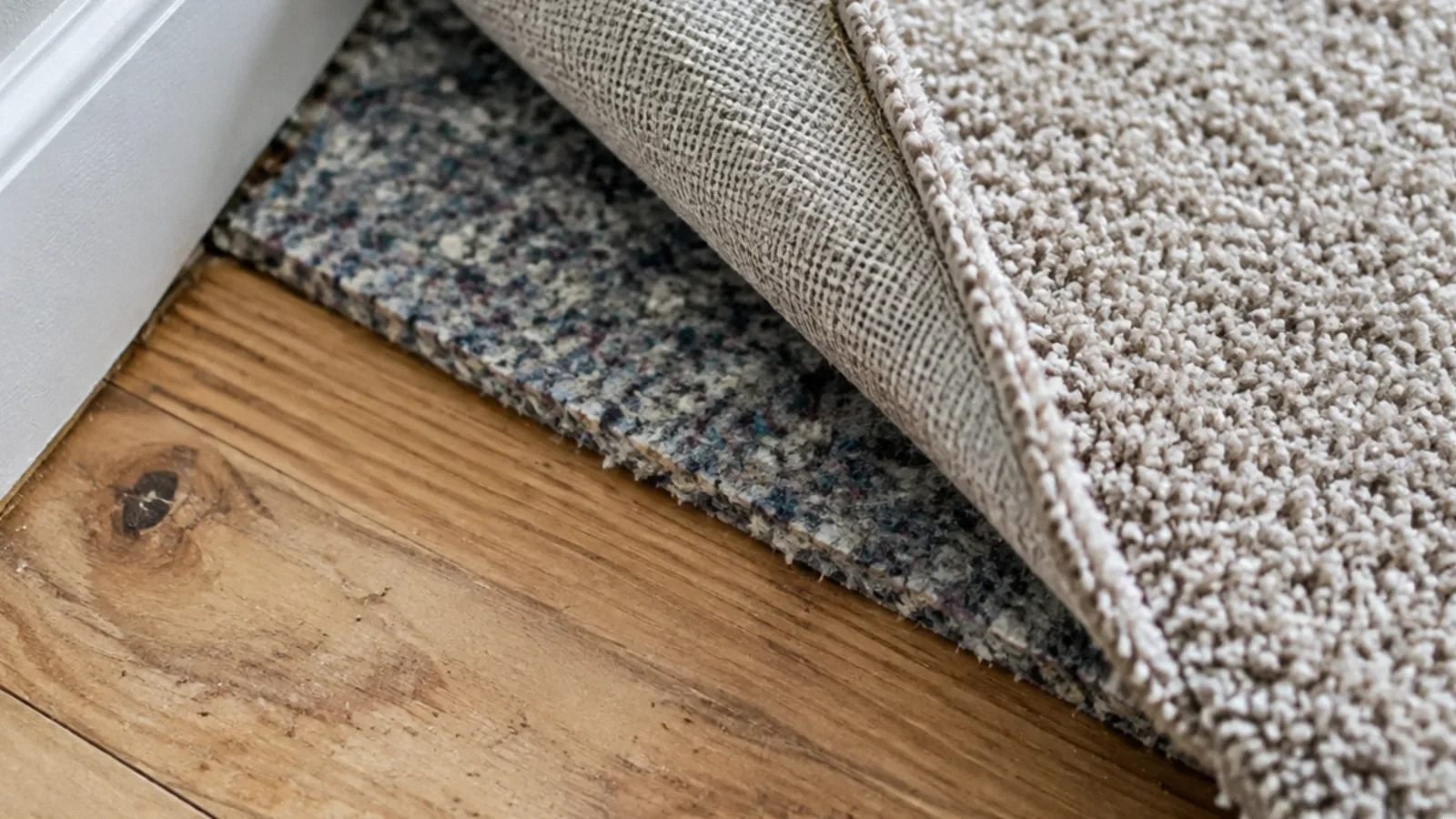
Milk can move below the carpet surface into backing or padding, especially after a larger spill. An odor that returns after surface cleaning may mean residue or moisture remains below, although there can be other causes. Fragrance can mask the smell without removing the source.
Record the size and age of the spill and whether the area still feels damp. A professional can assess whether the carpet, pad and floor can be accessed, cleaned and dried or whether a component needs replacement. Avoid repeatedly wetting the area without a drying plan.
Dried milk and an older stain
Do not aggressively scrape a dry spot or pull at the fibers. Follow the carpet care guide for safely removing loose material, then check whether a compatible spot treatment is allowed. An older spill may require a different approach from a fresh one.
If the spill is large, has a strong odor or does not improve, stop experimenting and consult a carpet cleaner. Explain the material, the age of the spill and every product already applied. A professional cannot guarantee that every dye stain or damaged backing can be restored.
Protect the pad and floor
Use only the moisture needed for the manufacturer-approved method and blot the area as directed. Allow the treated carpet to dry fully before returning furniture or a rug to the area. A dry surface is not a reliable measurement of a wet pad or subfloor.
A wet spill on a rug can also reach a hardwood or other moisture-sensitive floor. Follow the rug maker’s instructions before moving it, and ask for help with a large or heavy rug. If liquid spread beyond a small spot, inspection of underlying layers may be necessary.
Milk in a vehicle carpet
Carpet and padding in a vehicle can hold a spill below a seat or trim, and drying conditions differ from those in a room. Follow the vehicle and carpet manufacturer’s care guidance. Do not spray liquid near electrical components, seat wiring or controls.
For a significant spill beneath trim or a persistent sour smell, a qualified automotive detailer can assess access and drying. Avoid leaving a soaked interior closed for long periods or attempting to remove electrical components without the necessary expertise.
When to call a professional
Call for help when a large spill reached padding, the sour odor persists, a delicate rug is affected or repeated attempts have not worked. Ask whether the provider will inspect the backing and floor, what method is safe for the fiber, and how long drying may take.
Request a written scope and price, including whether moving furniture, treating odor or replacing pad is extra. If there is separate water damage, mold or sewage contamination, explain that to the provider; routine milk spot cleaning is not a complete restoration plan.
Baking soda and other spill-cleaning choices
Baking soda is optional, not a required treatment for milk. First blot liquid and follow the carpet maker’s care instructions and any cleaner label. Do not use a dry vacuum on wet powder or liquid unless the machine is specifically designed for wet pickup. Once residue is fully dry, remove only what the carpet and vacuum manufacturers permit; some fine powders can clog or damage equipment.
For dried milk, soften only as the carpet care instructions allow, blot rather than scrub, and avoid soaking the backing. If odor returns, milk may have reached the pad or vehicle underlay; a professional can assess cleaning and drying. Avoid masking the smell with fragrance or applying more liquid repeatedly.
Your next-step checklist
- Blot fresh milk with a clean white absorbent cloth.
- Read carpet instructions and test a compatible product.
- Avoid scrubbing, mixed chemicals and excess moisture.
- Investigate recurring odor in the backing or pad.
- Ask a professional about large or persistent spills.
Related questions
How do I get milk out of carpet?
Blot promptly with a white absorbent cloth, then use only a cleaner compatible with the carpet and follow its instructions.
Why does the carpet still smell sour?
Milk or moisture may remain in the backing or padding. A professional can assess the affected layers and drying needs.
Can chocolate milk stain carpet?
Yes. Chocolate and other ingredients can leave a visible mark, and some dye changes may be permanent.
Should I pour more cleaner on an old milk stain?
No. Excess cleaner or water can leave residue or reach the padding. Follow the care label and seek help for persistent marks.
Can I clean a milk spill without baking soda?
Yes. Blot promptly, then follow the carpet maker’s instructions for a compatible spot cleaner. Baking soda is not required.
Sources & context
Public guidance supports the principles in this article. The practical questions and examples are editorial interpretation, not a site assessment or a coverage decision. State-specific rules apply only where identified.
- Carpet and Rug Institute: Milk spot removalindustry guidance
- Carpet and Rug Institute: Cleaning and maintenanceindustry guidance
- U.S. EPA: Water-damaged materialsfederal guidance