Blot milk immediately, clean the affected material with a suitable product and dry it thoroughly. Avoid saturating carpet, upholstery or seams; if milk reached inaccessible padding or electronics, arrange appropriate professional help.
Act quickly and contain the spill
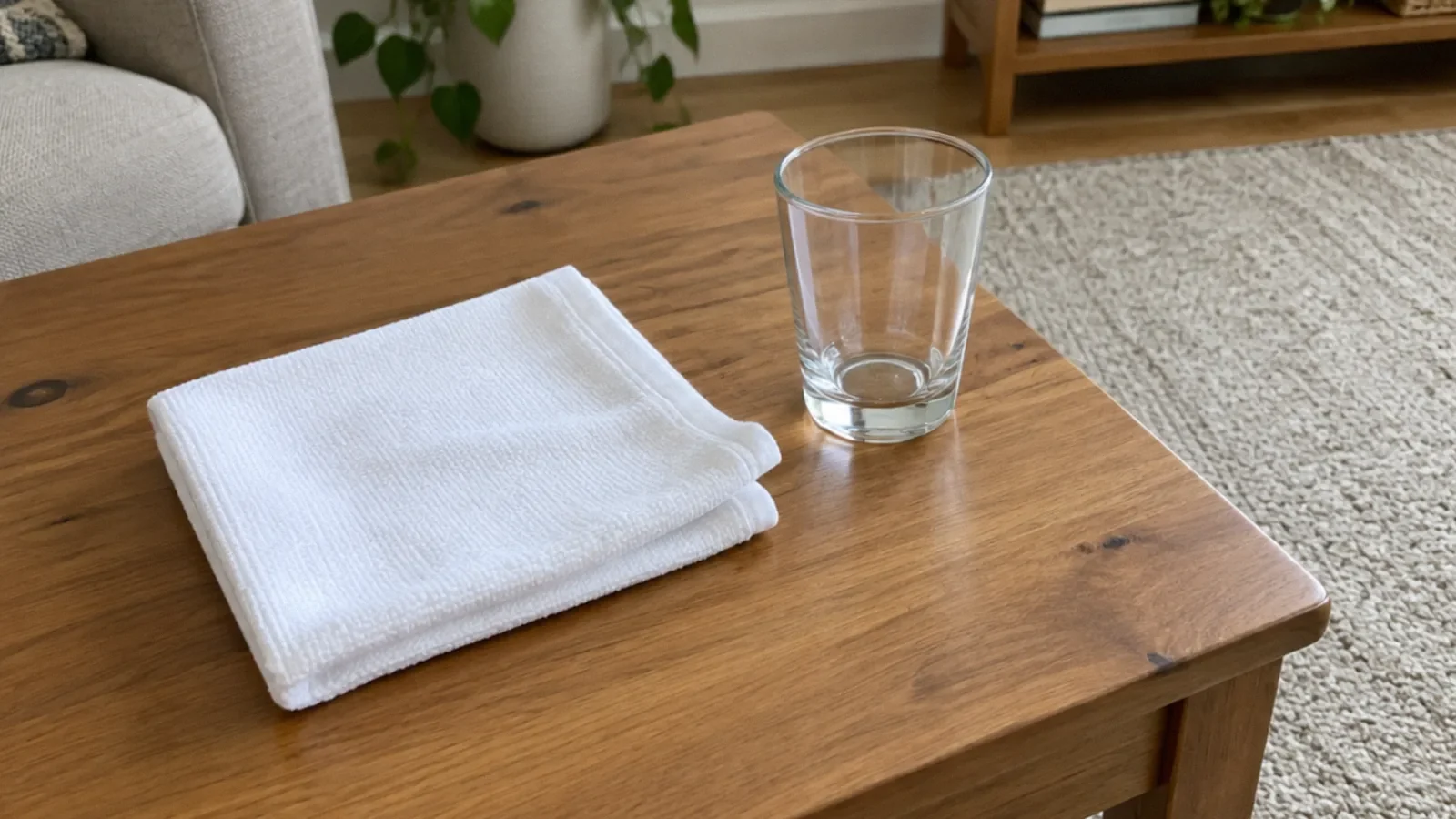
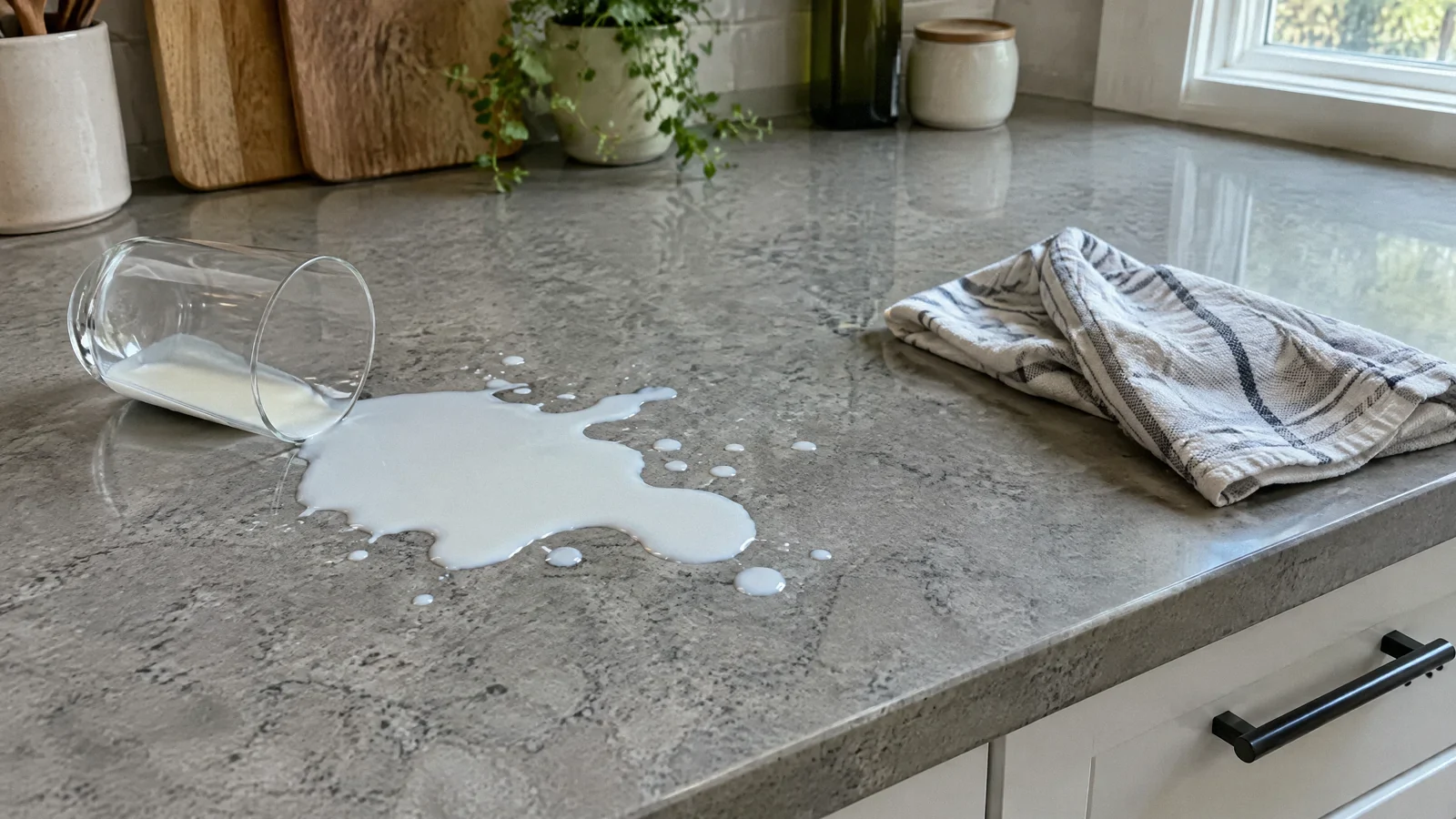
Milk can run beyond the visible spot into seams, under appliances or into absorbent materials. Pick up a tipped container and blot the liquid with clean absorbent cloths or paper towels. Work from the outside toward the center so the spot does not spread. Lift rather than scrub the liquid into the surface. Replace wet towels as they fill, and check nearby edges and the underside of removable objects.
Keep children and pets away while the floor is slippery and while any cleaner is drying. For a large spill near a plugged-in appliance or electrical outlet, do not reach into liquid around electrical components. Arrange safe disconnection or professional help. Follow the care instructions for the exact surface before using any product; an apparently similar floor or upholstery fabric may have a different finish.
Counters and other hard surfaces
On a washable countertop, collect the milk and wipe with a cloth dampened with water and a small amount of dish detergent. Wipe away detergent residue with a clean damp cloth and dry. Pay attention to the edge of a sink, backsplash joints, cabinet handles and seams where liquid may have collected. For food-contact surfaces, follow the manufacturer’s cleaning and sanitizing directions and any applicable product-label rinsing instructions before preparing food. Illinois Extension recommends washing food-contact surfaces before sanitizing them.
Natural stone, unsealed grout and specialty finishes can be sensitive to cleaners and moisture. Use a product approved by the surface manufacturer and test it in an inconspicuous area. Avoid acidic or abrasive products unless specifically permitted. If milk ran underneath an appliance, do not pull a heavy appliance or disconnect plumbing or electrical equipment in an unsafe way; arrange help to reach and dry the area.
Hard floors and seams
Blot first, then use the floor manufacturer’s recommended cleaning solution with a lightly damp cloth or mop. Avoid puddles on wood, laminate, engineered floors or luxury vinyl seams. Work along the edge of the spill and dry promptly. On tile, clean the grout gently with a compatible product; avoid stiff tools or chemicals that could damage the surface or sealer.
Check the floor perimeter and the spaces beneath a cabinet or refrigerator. A small visible spot may hide a larger spill beneath the toe kick. If liquid has entered an inaccessible cavity or the floor swells, separates or continues to smell after surface cleaning, request a flooring or cleaning professional’s assessment. Adding more water or repeatedly mopping does not reach every hidden pocket and may make moisture damage worse.
Carpet and rugs
Blot with clean white absorbent cloths without rubbing. Press gently and replace the cloth until little liquid transfers. Check the carpet manufacturer’s care directions and test the selected carpet cleaner in a hidden area for color transfer or damage. Apply a small amount as directed, blot, and remove residue according to the label. Do not over-wet the carpet or backing.
If the spill soaked deeply, reached the pad or covers a large area, a professional carpet cleaner can assess extraction and whether the pad or a section of carpet needs replacement. Milk left under the surface can produce an odor even after the pile looks clean. Do not use a household vacuum to pick up liquid unless the equipment is specifically designed for wet extraction and used according to instructions. Allow the area to dry before returning furniture.
Upholstery and clothing
For a sofa or chair, blot the surface and check the manufacturer’s cleaning code and instructions. Some fabrics accept water-based cleaners; others require a different method or professional care. Test the product in a hidden area, use only a small amount and blot rather than scrub. Milk that penetrated cushion foam or an inaccessible lining may require professional extraction or cushion replacement. Do not saturate the cushion or use a household steam machine without manufacturer approval.
For washable clothing, blot excess milk and consult the care label. Treat promptly using a fabric-safe laundry product, then launder according to the garment’s instructions. Texas A&M Extension recommends testing stain removers on a hidden area and treating stains promptly. Inspect before applying dryer heat; if residue remains, repeat a suitable treatment or consult a cleaner. Take dry-clean-only or delicate items to a professional and identify the spill.
Dry and check for remaining odor
After cleaning, encourage drying with normal ventilation and safe air circulation appropriate to the material. Avoid running electrical equipment on a wet floor. Open a window if outdoor conditions are suitable, and keep the area clear until dry. A damp pad, seam or cushion can retain residue even if the surface no longer looks stained. Check again after drying and the following day, particularly around baseboards, under removable mats and inside cushion covers.
If a sour odor returns, find the remaining source rather than masking it with fragrance. A cleaner may need to inspect the backing, padding or inaccessible floor. Baking soda or another deodorizer cannot be assumed to remove milk trapped below the surface. Do not mix bleach with ammonia or other cleaners, and follow the product’s label. If a surface is discolored or swollen, professional repair may be needed after the spill is removed.
When to seek help
Call a cleaner experienced with the material if the spill is extensive, has soaked into a vehicle seat or floor, has reached a closed wall or cabinet, or persists despite careful cleaning. Ask whether the proposed treatment reaches the backing or pad, how much water it uses and how drying will be confirmed. A valuable rug or antique upholstered piece merits specialist advice before applying household chemicals.
For a rental, notify the owner if liquid has entered flooring or cabinetry and document the location and response. Promptly removing the source and drying the area is more useful than applying a strong scent. Keep the cleaner’s label and care instructions available if a professional later needs to know what has already been applied.
Your next-step checklist
- Blot promptly without spreading the spill.
- Use a cleaner compatible with the surface and test first.
- Check seams, carpet backing and hidden edges.
- Dry thoroughly and investigate any returning odor.
Related questions
Why does milk still smell after cleaning?
Milk may remain in padding, a seam or an inaccessible area. Locate the residue and arrange extraction or replacement if necessary.
Can I soak carpet to rinse milk out?
Avoid saturating the carpet and pad. Follow the carpet cleaner’s directions and consider professional extraction for deep spills.
Should I put a milk-stained garment in the dryer?
Inspect it after washing first. If residue remains, treat again according to the care label before applying dryer heat.
Sources & context
Public guidance supports the principles in this article. The practical questions and examples are editorial interpretation, not a site assessment or a coverage decision. State-specific rules apply only where identified.
- Removing Stains From Washable Fabricuniversity extension guidance
- Cleaning and Sanitizinguniversity extension guidance
- Remove Stains From Oil-Based Foodsuniversity extension guidance