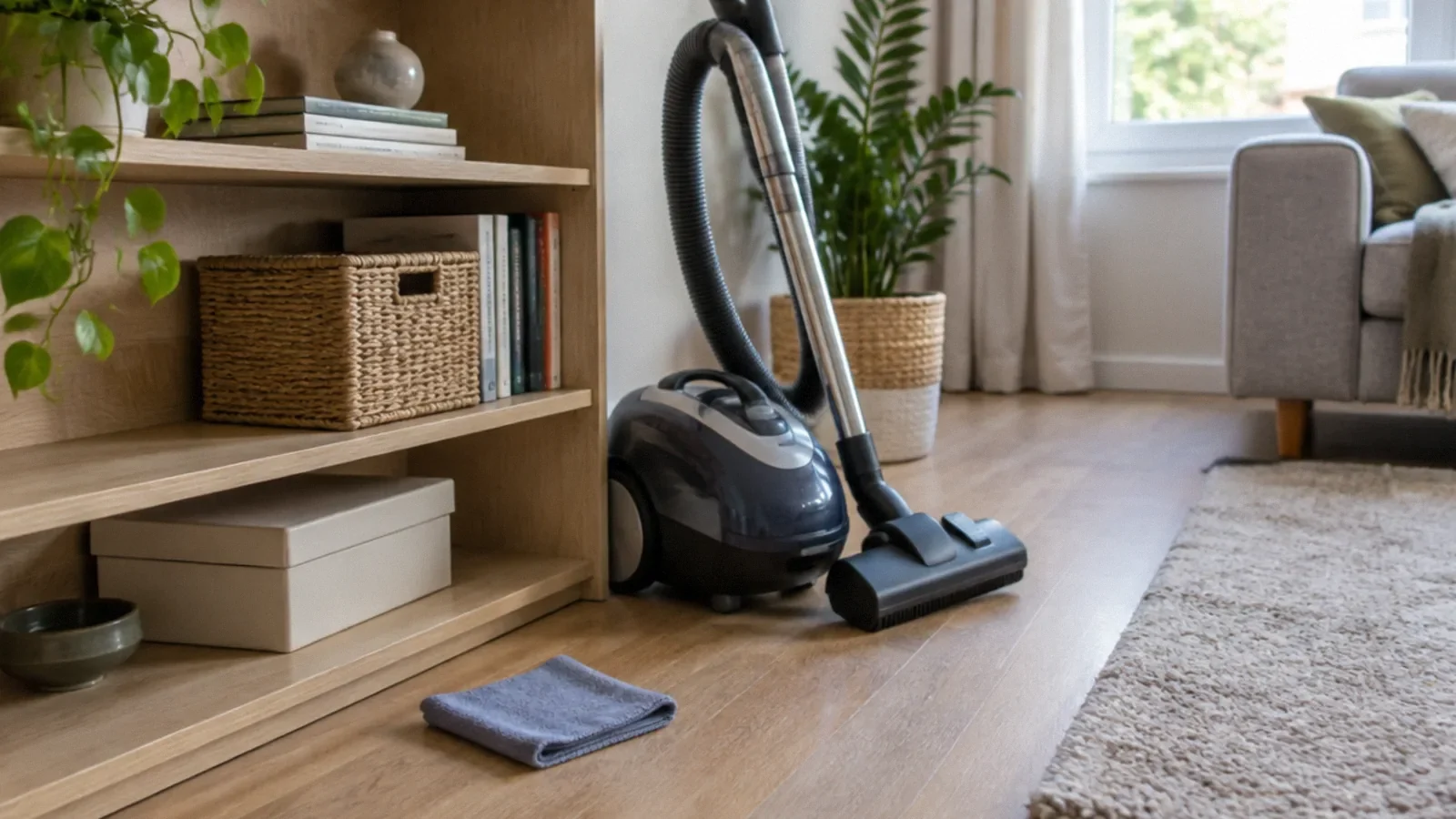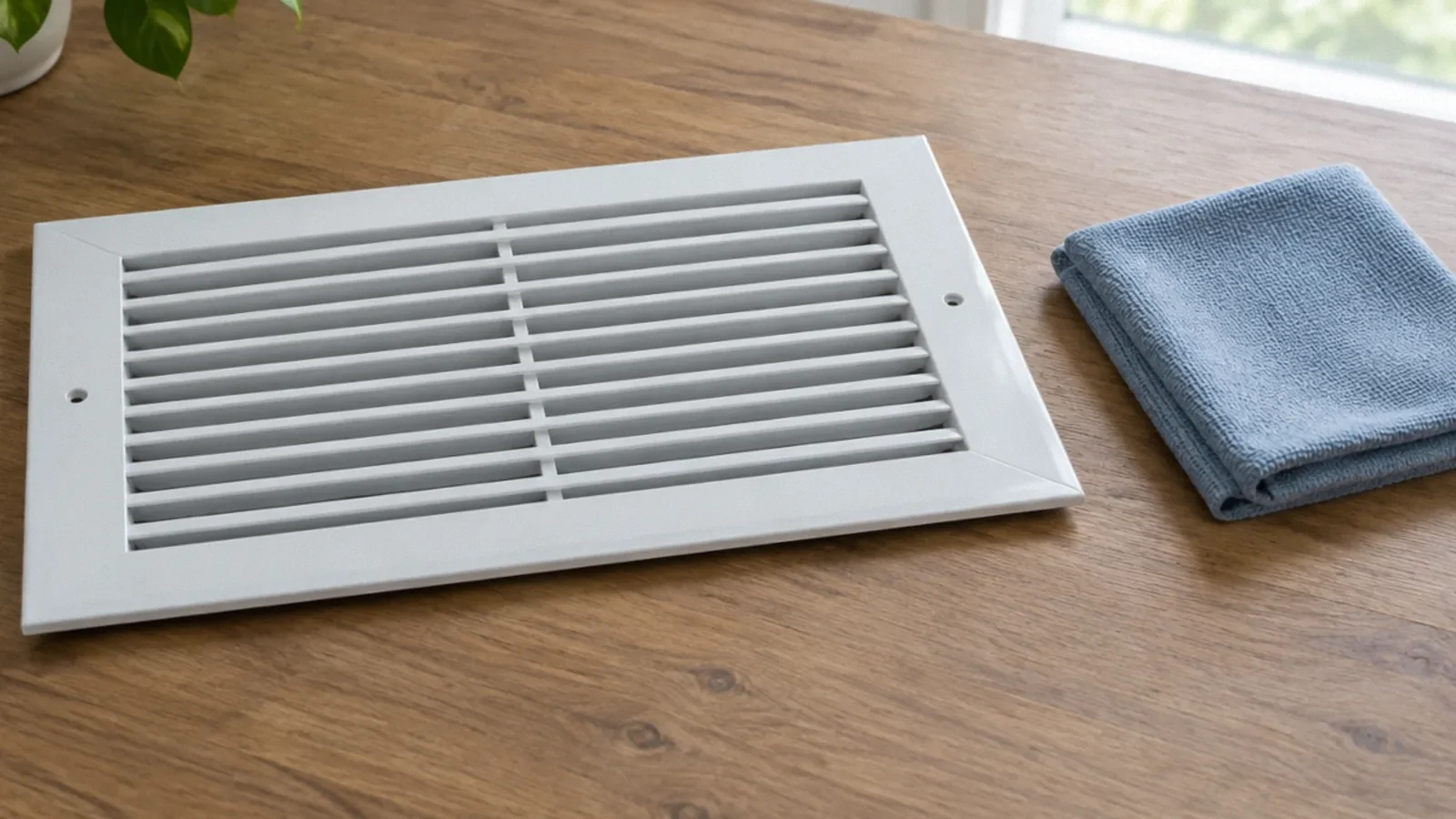
Stop indoor smoking and identify where the odor is coming from. Clean affected washable surfaces and fabrics according to their care instructions, and address persistent sources with a qualified professional. Ventilation and filtration can help reduce exposure, but EPA says they do not eliminate secondhand smoke; absence of odor does not prove the air is free of smoking chemicals.
Start with the current source
A smell that returns after cleaning may come from ongoing smoking inside, smoke entering through a doorway or air intake, an adjoining unit, or residue left by earlier smoking. Ask when and where the odor is strongest. Check whether outdoor air or a shared hallway is introducing it before spending money on repeated treatments.
EPA says prohibiting smoking and vaping indoors and near openings is the only way to eliminate secondhand exposure. In shared housing, speak with the property manager about building policies and possible pathways. A household air cleaner cannot guarantee that smoke from another unit will stop entering.
Why cigarette odor can linger
Tobacco smoke releases particles and gases that can settle on hard surfaces and enter soft materials. EPA notes that chemicals can accumulate on walls, furniture, carpets and clothing and may later be released back into the air. The time they persist depends on the amount of smoking, room, ventilation and materials.
A smell is a useful clue for locating a problem but is not a reliable test of exposure. A room can smell better while chemicals remain. Conversely, fragrance can mask an odor without removing its source. Avoid promising a particular time to clear a room.
Clean washable hard surfaces
For washable surfaces, consult the finish manufacturer and use a compatible cleaner as directed. A mild detergent and water may be appropriate for some finishes; test an inconspicuous area first. Work in manageable sections, use clean cloths and allow surfaces to dry. Do not soak drywall or force liquid into seams.
Windows, frames and blinds may retain visible residue. Choose a product appropriate for the specific glass, coating and frame, and do not spray liquid into electrical outlets. Wear the protection required on the label, ventilate when appropriate and never mix cleaning products.
Treat fabric and belongings
Wash curtains, removable covers, bedding and other washable textiles according to their care labels. For furniture and rugs, check the manufacturer’s instructions and avoid overwetting padding. A professional fabric cleaner can explain what treatment is appropriate and whether a heavily affected item is likely to improve.
Persistent odor inside padding, porous material or other inaccessible layers may require replacement rather than repeated surface cleaning. Store clean items away from ongoing smoke while the room is addressed. Do not apply a household chemical to an item unless its instructions permit that use.
Ventilation and air filtration
When outdoor air is clean and conditions permit, ventilation can help dilute indoor pollutants. A compatible HVAC filter or appropriately sized portable air cleaner can supplement source control. EPA cautions that ventilation and filtration can reduce secondhand smoke exposure but cannot eliminate it.
Particle filtration and odor or gas removal are different functions, and no device should be treated as proof of safety. Replace filters as instructed. If outdoor smoke or other pollution is present, consult local air quality guidance before opening windows.
Avoid ozone and masking treatments
EPA warns that ozone is a lung irritant and that ozone generators sold as air cleaners are not a reliable or safe household shortcut for indoor pollutants. Do not run one in an occupied space or rely on a scent, fog or spray to establish that smoke residue has been removed.
Avoid mixing bleach with ammonia, vinegar or other cleaners. If a contractor proposes chemical treatment, ask for the product, written instructions, occupant and pet precautions, ventilation and a clear scope. A pleasant smell after treatment does not independently verify a healthy indoor environment.
Testing and professional help
For extensive or persistent contamination, ask an indoor environmental professional what a proposed test measures, how samples are taken, what its limitations are and how the results would change the cleanup plan. A single odor reading or consumer gadget cannot establish that all tobacco-related pollutants are absent.
Request a written scope identifying the surfaces, materials, cleaning methods and any proposed replacement. If the odor comes from a neighboring unit or shared ventilation, coordinate with the building manager so the source is addressed alongside your own unit. Keep records of recurring conditions.
When the smell may have another explanation
If you smell smoke and cannot identify its source, first rule out an active fire or electrical problem. If you see smoke, sparks or another immediate danger, leave and call emergency services from a safe location. Do not dismiss a possible fire as old cigarette odor.
If a persistent smell is perceived only by one person and no environmental source is found, a healthcare professional can assess the concern. An odor article cannot diagnose a medical condition. Report symptoms or ongoing smoke exposure to an appropriate professional.
Clothing, furniture and electronics
Airing clothing in clean outdoor air may reduce an odor but does not establish that tobacco residue has been removed. Follow the care label; if washing is unsuitable, ask a qualified cleaner about the fabric. Furniture padding can retain residue, so surface treatment alone may not resolve a persistent smell.
For electronics, disconnect power only if it is safe and follow the manufacturer’s cleaning instructions. Do not spray liquids into vents or open electrical equipment to chase an odor. Ask a qualified service provider whether affected components can be cleaned or should be replaced.
Does vaping leave a smell in a room?
Some vaping products can leave a noticeable odor, but smell varies and is not a reliable measure of exposure. Vaping produces an aerosol rather than tobacco combustion smoke, so the residue and odor may differ from a cigarette.
EPA says ventilation and filtration may reduce substances in secondhand e-cigarette aerosol but are not likely to eliminate them. Identify and stop the source, then follow appropriate surface-cleaning instructions; fragrance does not establish that the air is free of contaminants.
A room-by-room cleanup plan
Start with the room where smoking occurred most often. Remove washable items for laundering, clean compatible hard surfaces from high areas down, and dry them before returning clean belongings. Continue room by room so clean textiles are not returned to a still-contaminated space. For painted walls and ceilings, test a finish-safe cleaner in a hidden spot and avoid wetting drywall; extensive nicotine staining has a separate wall-cleaning guide.
Wood furniture needs a finish-compatible cleaner used sparingly; upholstered furniture needs its own care code and may retain odor in padding. Airing clothes outside can reduce odor but does not prove residue is gone; use professional dry cleaning when the label calls for it. For an appliance or electronics, clean only the accessible exterior as its manufacturer permits; do not open it or spray vents. Ask its service provider about internal contamination.
Activated carbon filters can adsorb some gases, depending on the filter and pollutant, but a small odor absorber cannot guarantee removal of smoke contaminants. Stop the source and clean materials first. Obtain a written professional assessment when odor persists after source control, padding is affected, or multiple rooms need treatment.
Your next-step checklist
- Stop indoor smoking and identify any continuing source.
- Clean compatible washable surfaces and launder suitable textiles.
- Do not mix cleaning products or use ozone as a shortcut.
- Coordinate shared-building sources with the manager.
- Seek emergency help for an active smoke or fire hazard.
Related questions
How long does cigarette smell last in a room?
There is no fixed time. Ventilation, the amount of smoking and affected surfaces all influence persistence.
Will an air purifier remove all cigarette smoke?
No. EPA says filtration and ventilation can reduce secondhand smoke exposure but do not eliminate it.
Can I paint over cigarette residue?
Do not assume paint alone addresses residue or a continuing source. Ask a qualified painter about preparation and a suitable product for the affected surface.
Does a missing smell mean the air is safe?
No. EPA notes that smoking-related chemicals may remain even when smoke is not visible or smelled.
Sources & context
Public guidance supports the principles in this article. The practical questions and examples are editorial interpretation, not a site assessment or a coverage decision. State-specific rules apply only where identified.
- U.S. EPA: Secondhand smoke and aerosolsfederal guidance
- U.S. EPA: How long smoke chemicals lingerfederal guidance
- U.S. EPA: Ozone generators sold as air cleanersfederal guidance
- U.S. EPA: Secondhand e-cigarette aerosol and indoor airfederal indoor air guidance