EPA says hot steam and soap can kill fleas at all life stages in treated carpet. That does not mean one pass eliminates an infestation: untreated areas and animals can reintroduce fleas. Combine an appropriate cleaning plan with veterinary advice and follow the carpet and equipment instructions.
What steam can do
EPA lists steam cleaning carpets as one part of controlling fleas around a home and states that hot steam and soap can kill fleas in all stages of the life cycle. Effect depends on where the cleaning reaches and on the method used; a general claim about hot steam is not a guarantee for a particular machine or untreated area.
A carpet cleaner may leave areas beneath furniture, along edges or inside other furnishings untreated. Do not rely on an assumed temperature, dwell time or a single treatment as proof that every flea is gone. Choose a method compatible with the material and the machine.
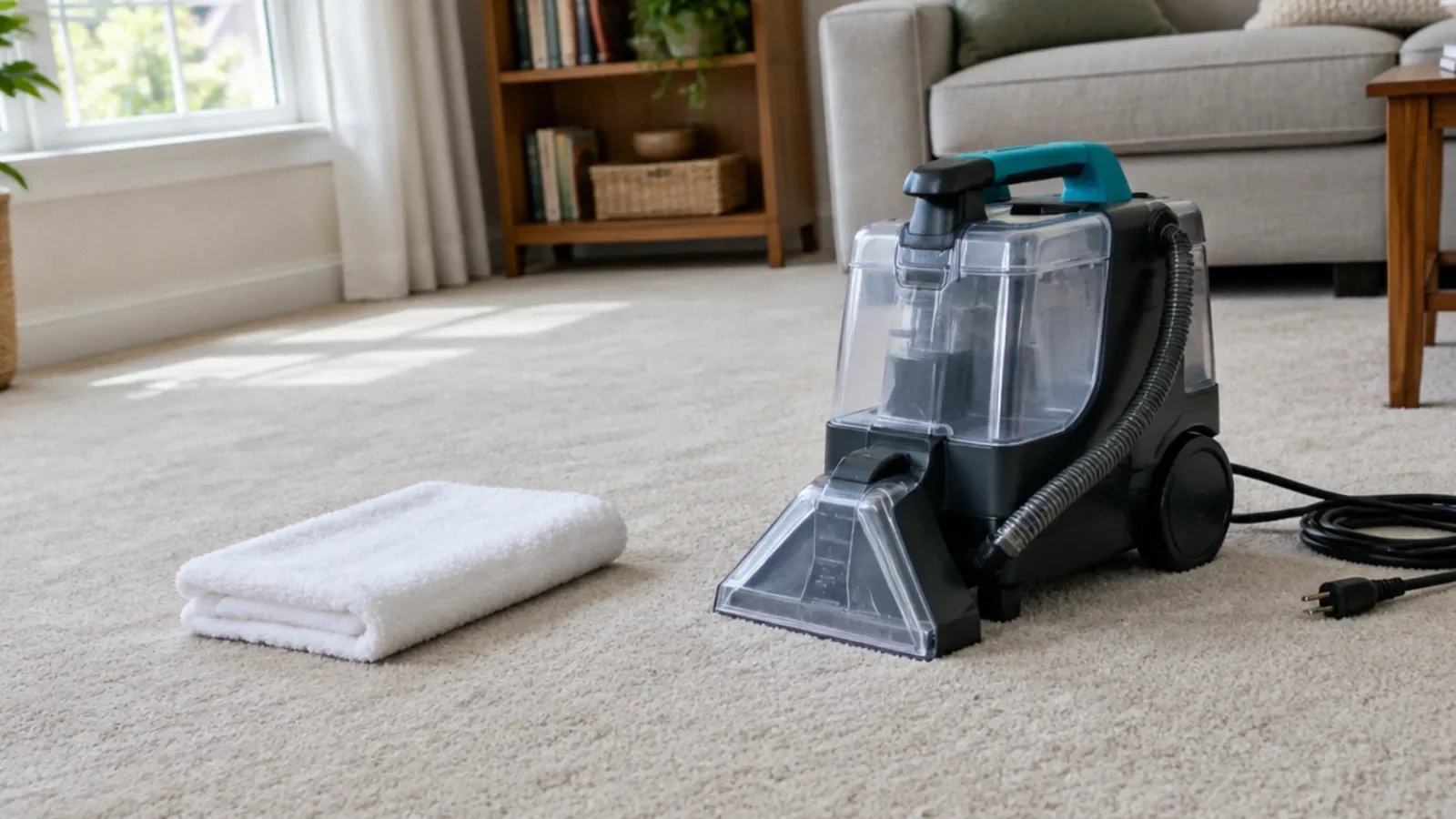
A true steam device produces hot vapor, whereas many carpet machines spray cleaning solution and extract liquid. A detergent, hot-water extractor or machine marketed as a carpet cleaner is not automatically a flea treatment. Ask the equipment maker and a pest professional what the device is intended to do, and follow the surface and equipment instructions.
Why a whole-home plan matters
Fleas can be associated with pets and the places they rest, not just the middle of a carpet. CDC advises beginning home treatment at the same time as pet treatment and speaking with a veterinarian about an appropriate product for each animal. Follow the veterinarian’s instructions rather than treating a pet with a household cleaner.
A practical plan may include vacuuming, laundering suitable bedding and treating affected spaces as directed. If fleas continue, a qualified pest professional can identify gaps and discuss a treatment plan. The right steps depend on the household, animal and infestation.
Vacuum before and during the plan
EPA recommends daily vacuuming as an initial control step to remove eggs, larvae and adults. Pay attention to carpet edges, upholstery and the places pets use, provided the surfaces and vacuum attachments allow it. Use the vacuum as directed by its manufacturer.
Empty or dispose of collected material according to the vacuum maker’s instructions and keep it away from pets and children. Vacuuming helps reduce the number of fleas but does not replace appropriate pet care or guarantee that hidden stages have been eliminated.
Check carpet and rug compatibility
Read the carpet, rug and equipment instructions before applying hot water or steam. Wool, delicate dyes, certain backings and floors beneath area rugs can be damaged by heat or moisture. A method marketed as steam cleaning may actually use hot-water extraction rather than visible steam.
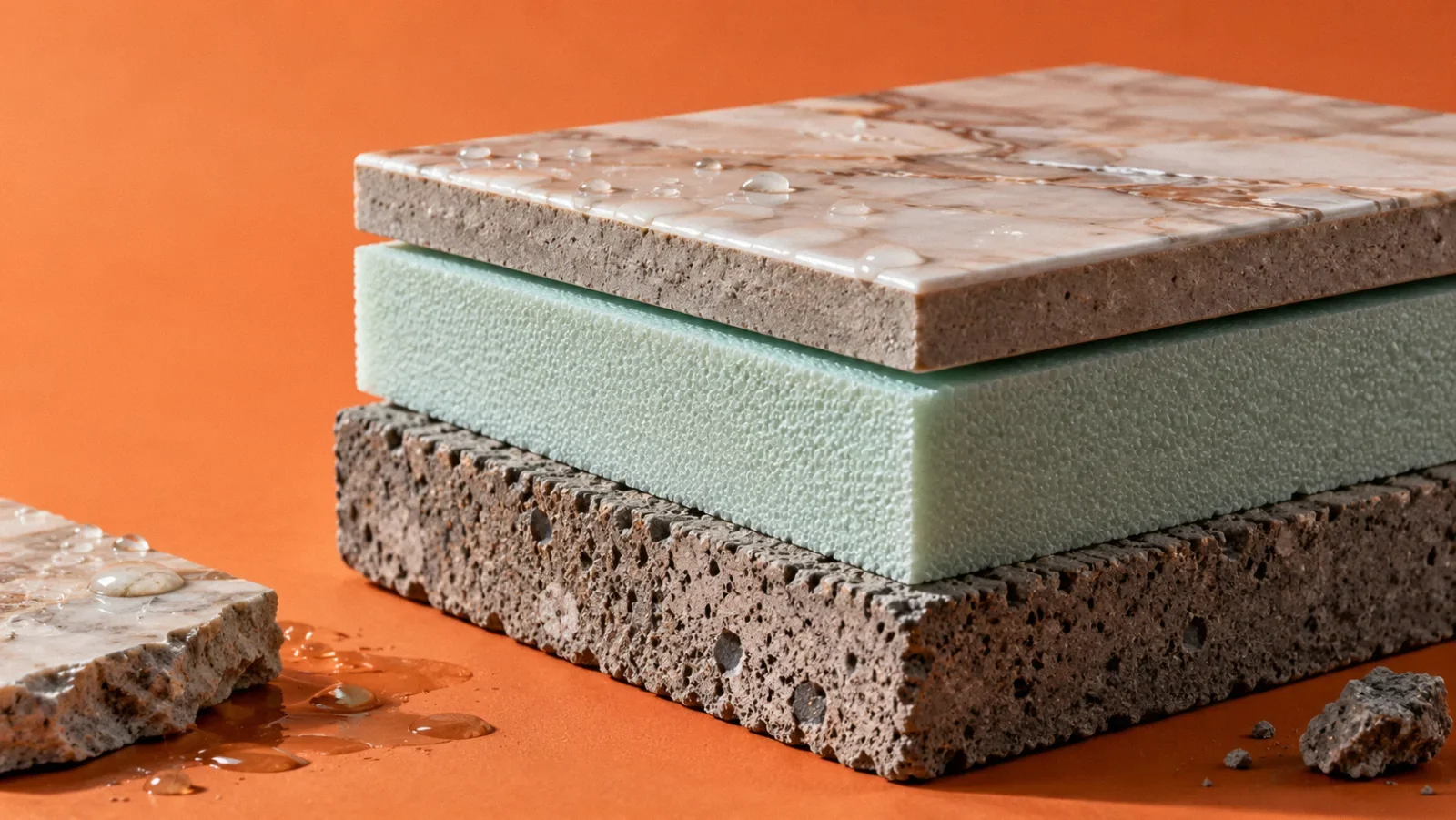
Do not soak the carpet or assume higher heat is always better. If the material is valuable, the backing is uncertain or the floor beneath is moisture-sensitive, consult a qualified carpet or rug cleaner. An unsuitable method can leave damage even if it treats part of a pest problem.
Protect people and animals
Keep children and pets away from the equipment, hot surfaces and cords during cleaning. Follow the cleaner’s instructions for ventilation and drying before returning to the room. Never direct steam at an animal, person, electrical outlet or live appliance.
If using any pesticide as part of a separate plan, use only a product registered and labeled for the intended site and follow its directions. Never apply a home treatment to an animal or mix it with cleaning chemicals. Consult a veterinarian about pet products.
Bedding and other resting places
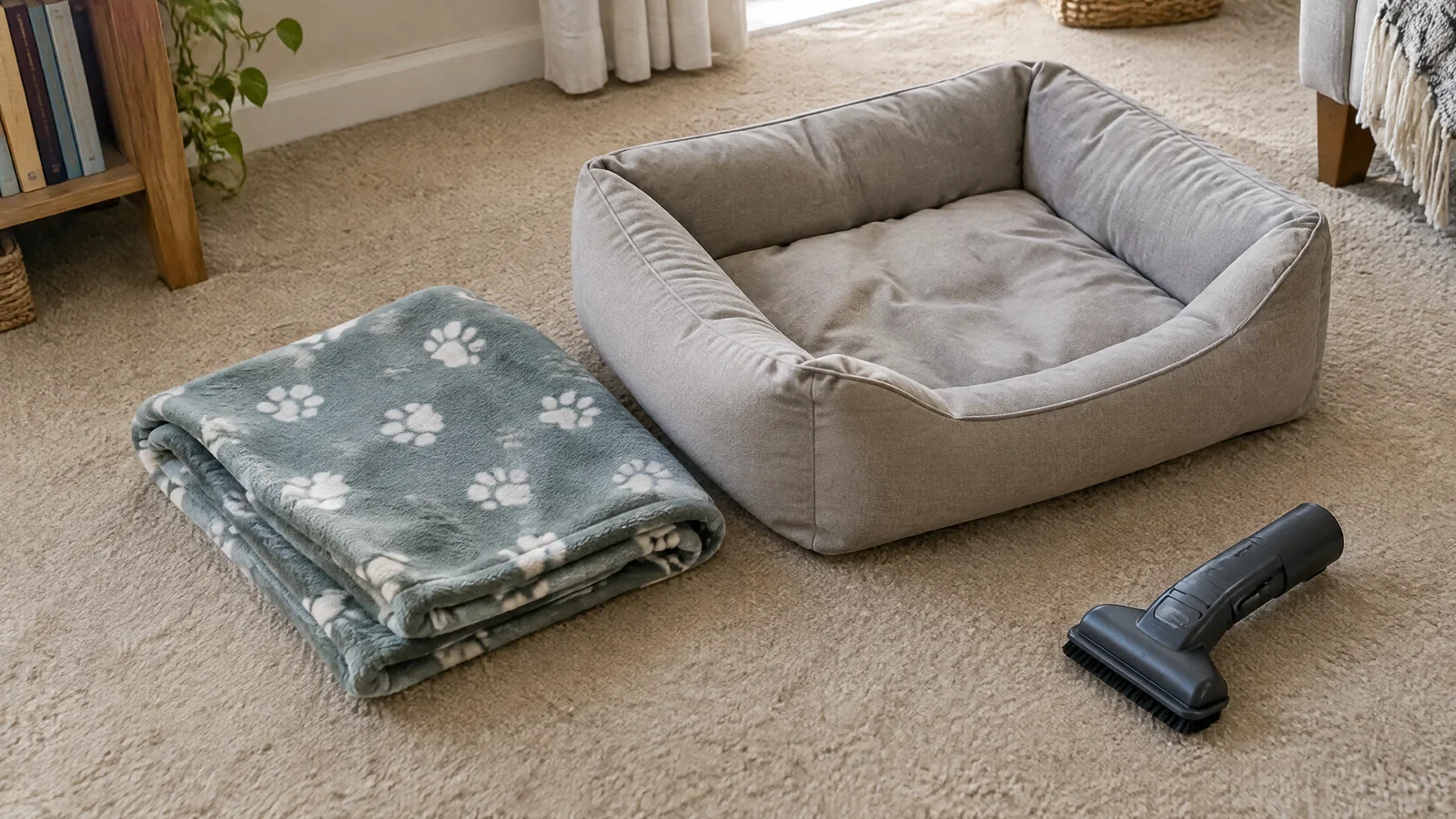
Wash pet and household bedding that animals use according to the fabric care label. EPA recommends hot, soapy laundering for pet bedding as part of a flea-control program. Heat tolerance varies, so follow item instructions and ask a professional about items that cannot be washed safely.
Inspect other locations where pets rest and discuss them with a pest professional. Treating only one visible carpet while neglecting the animal’s usual sleeping places can leave sources of reinfestation. Keep clean and untreated items separate as directed by the treatment plan.
Dry the carpet thoroughly
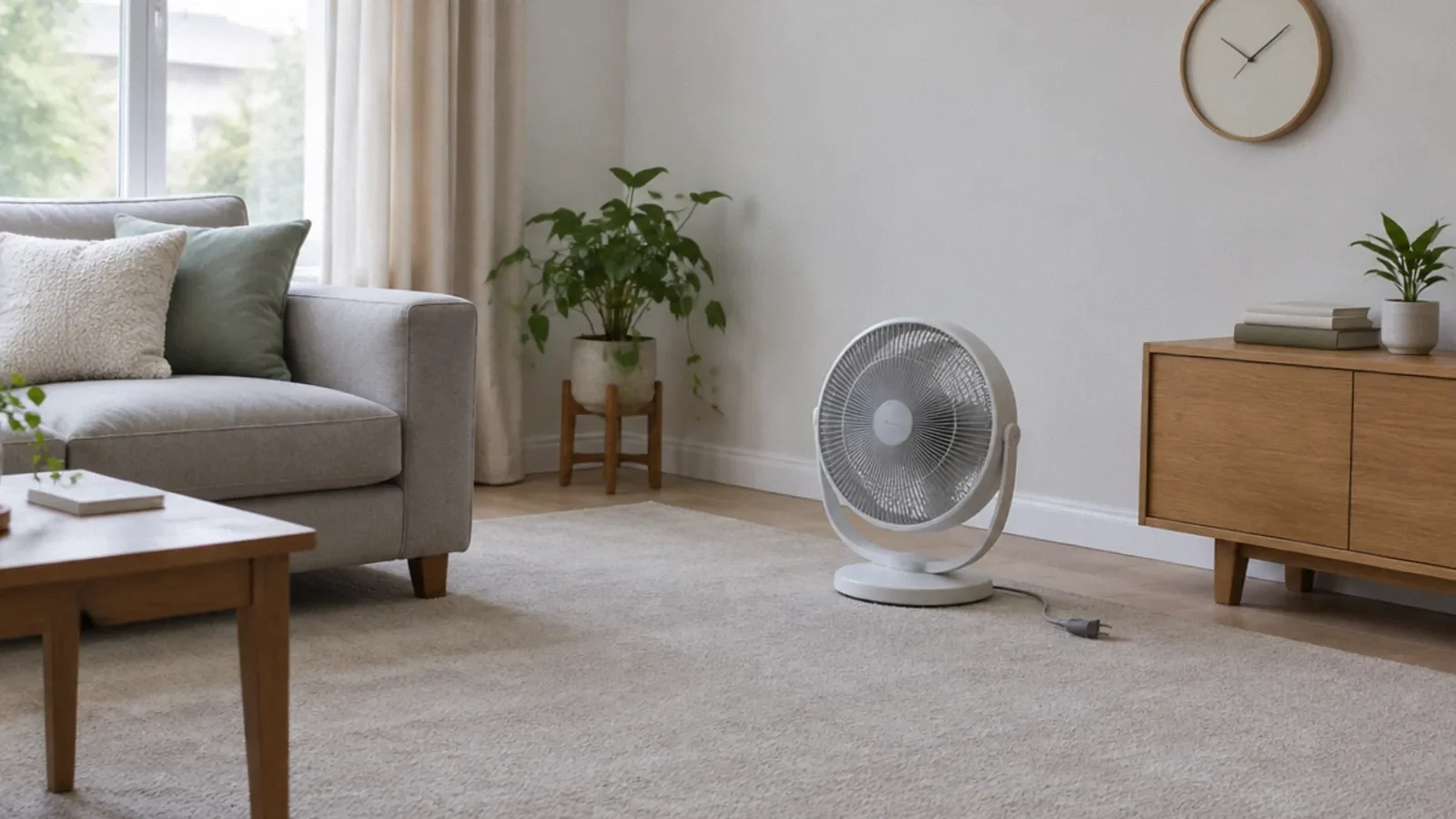
Cleaning moisture left in carpet or padding can create a separate moisture problem. Use the carpet maker’s drying recommendations, ventilation and suitable airflow. Avoid placing furniture back onto a damp surface before it is ready; follow the cleaner’s instructions for protecting furniture legs.
If carpet remains wet, smells musty or the padding is damp, arrange an assessment. Do not apply more water repeatedly in an effort to control fleas. Carpet that was wet from sewage or floodwater needs a different contamination assessment.
When to ask for professional help
If bites or flea activity continue, coordinate a veterinarian and a licensed pest professional where appropriate. Ask how the plan treats the animal’s environment, how repeat visits are handled and what preparation is needed. A single device advertised as the best steam cleaner cannot guarantee a result.
People with symptoms should consult a healthcare professional for medical advice. A household pest plan does not diagnose a bite or an illness. Document where activity is seen and follow the professional’s instructions for safe reentry and ongoing monitoring.
Your next-step checklist
- Speak with a veterinarian about pet treatment.
- Vacuum regularly as part of a coordinated plan.
- Check carpet and equipment instructions before steam cleaning.
- Keep pets away from heat and allow the carpet to dry.
Related questions
Can steam kill fleas in carpet?
EPA says hot steam and soap can kill fleas in all life stages in treated carpet, but a complete plan must also address pets and untreated areas.
Will one steam cleaning eliminate fleas?
Not necessarily. Fleas can remain in areas the cleaning did not reach, and pets can reintroduce them.
Can I steam clean a pet?
No. Never direct steam at an animal. Ask a veterinarian about an appropriate flea-control product.
Is every carpet safe to steam clean?
No. Check the carpet and equipment instructions; heat or moisture can damage some fibers, backings and floors.
Sources & context
Public guidance supports the principles in this article. The practical questions and examples are editorial interpretation, not a site assessment or a coverage decision. State-specific rules apply only where identified.
- EPA: Controlling fleas and ticks around your homefederal pest guidance
- CDC: Getting rid of fleasfederal public health guidance
- Carpet and Rug Institute: Cleaning and maintenanceindustry care guidance