A water-efficient toilet reduces the water used for each flush while meeting applicable performance requirements. EPA says WaterSense-labeled tank-type toilets are independently certified for efficiency and performance and use 1.28 gallons per flush or less under its criteria. A suitable installation and a leak-free system also matter.
Start with water use and performance
A toilet’s water use is commonly expressed in gallons per flush. EPA states that WaterSense-labeled toilets use 1.28 gallons per flush or less and meet independently certified performance requirements. The label helps compare products against defined criteria instead of relying on a vague “green” claim.
Actual household water use depends on the existing fixture, the number and type of flushes, leaks and user habits. A lower nominal flush volume does not by itself predict the savings at a particular address. Review the product’s specifications and the requirements of the property.
Single-flush and dual-flush models
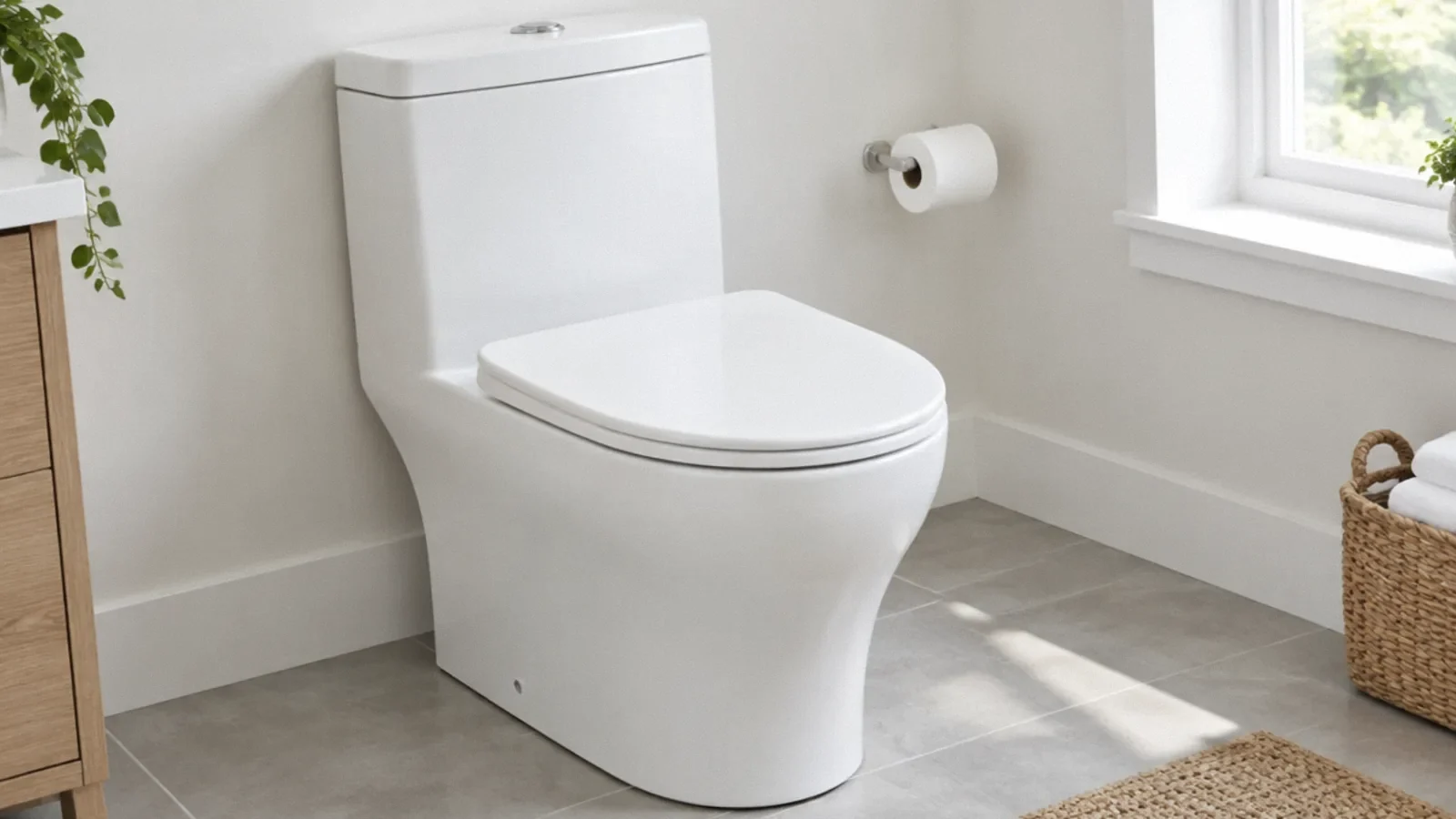
A single-flush toilet uses one flush setting; a dual-flush model offers a reduced and a full setting. Whether a dual-flush model saves water in a particular household depends on the product and how it is used. Confirm the labeled performance and the manufacturer’s instructions.
EPA’s WaterSense specification has separate provisions for tank-type toilets, and its published specification status can change. Check the current WaterSense product information rather than assuming every low-volume or dual-flush model is certified. Certification is different from a manufacturer’s marketing description.
Check the bathroom before buying
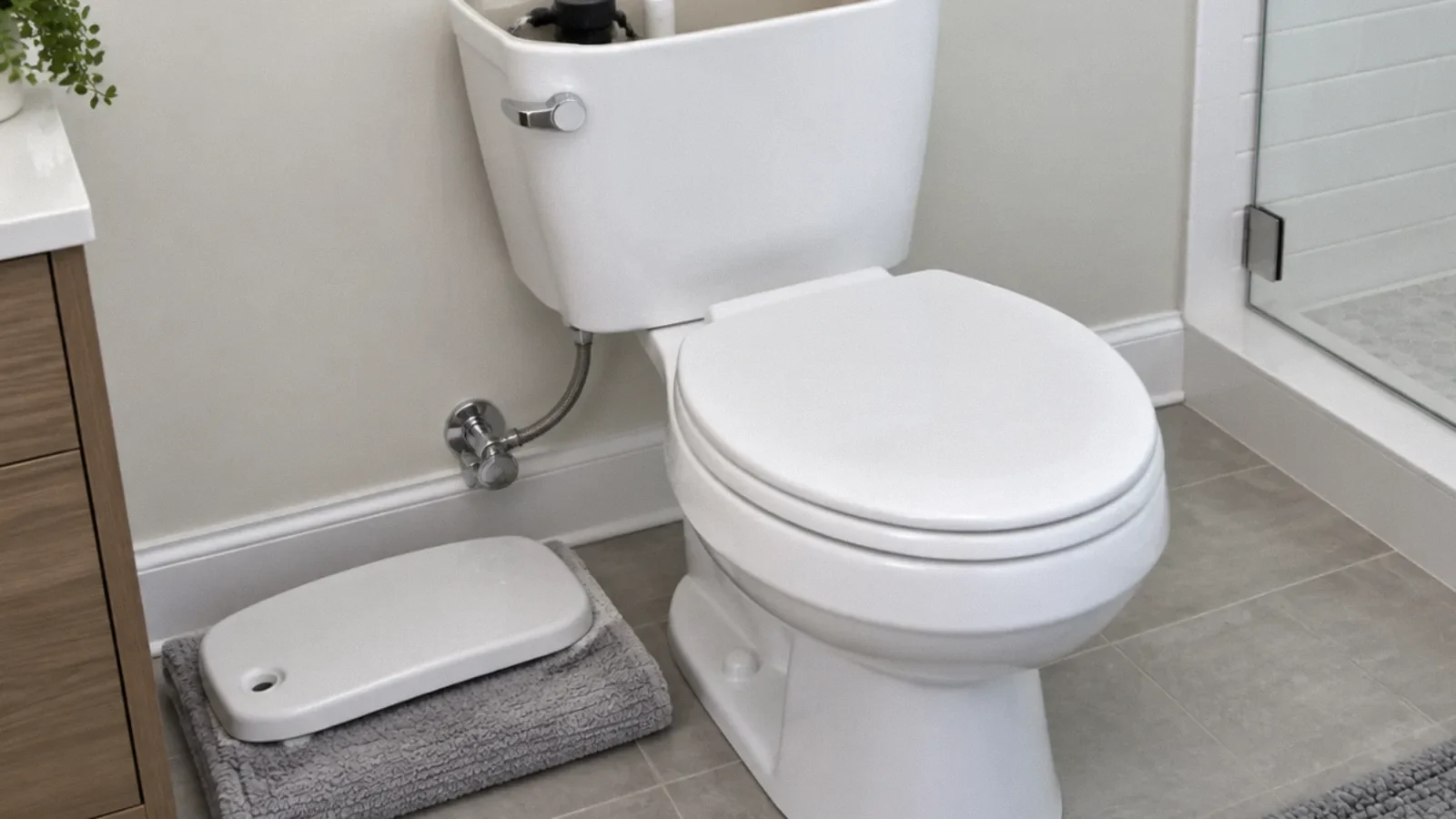
The fixture must fit the available space, connection and drain configuration. Measure the existing layout and check the product instructions, including the rough-in dimension, supply connection and clearance. If access or compatibility is uncertain, consult a qualified plumber before ordering.
A toilet is part of a larger plumbing system. A persistent blockage or leak may not be solved by changing the fixture alone. Ask the installer to assess visible supply and drain conditions and explain any additional work or local approval requirements.
Installation and leak prevention
An improperly installed fixture or failed connection can waste water and damage a floor. Follow the manufacturer’s instructions and use qualified help when the work is outside your experience or local rules require it. Do not force an old supply valve or connection.
After installation, check accessible connections and the area around the base for leaks. Water can travel beneath flooring, so investigate recurring dampness promptly. Keep the product information, installation invoice and any warranty with your property records.
A running toilet wastes water
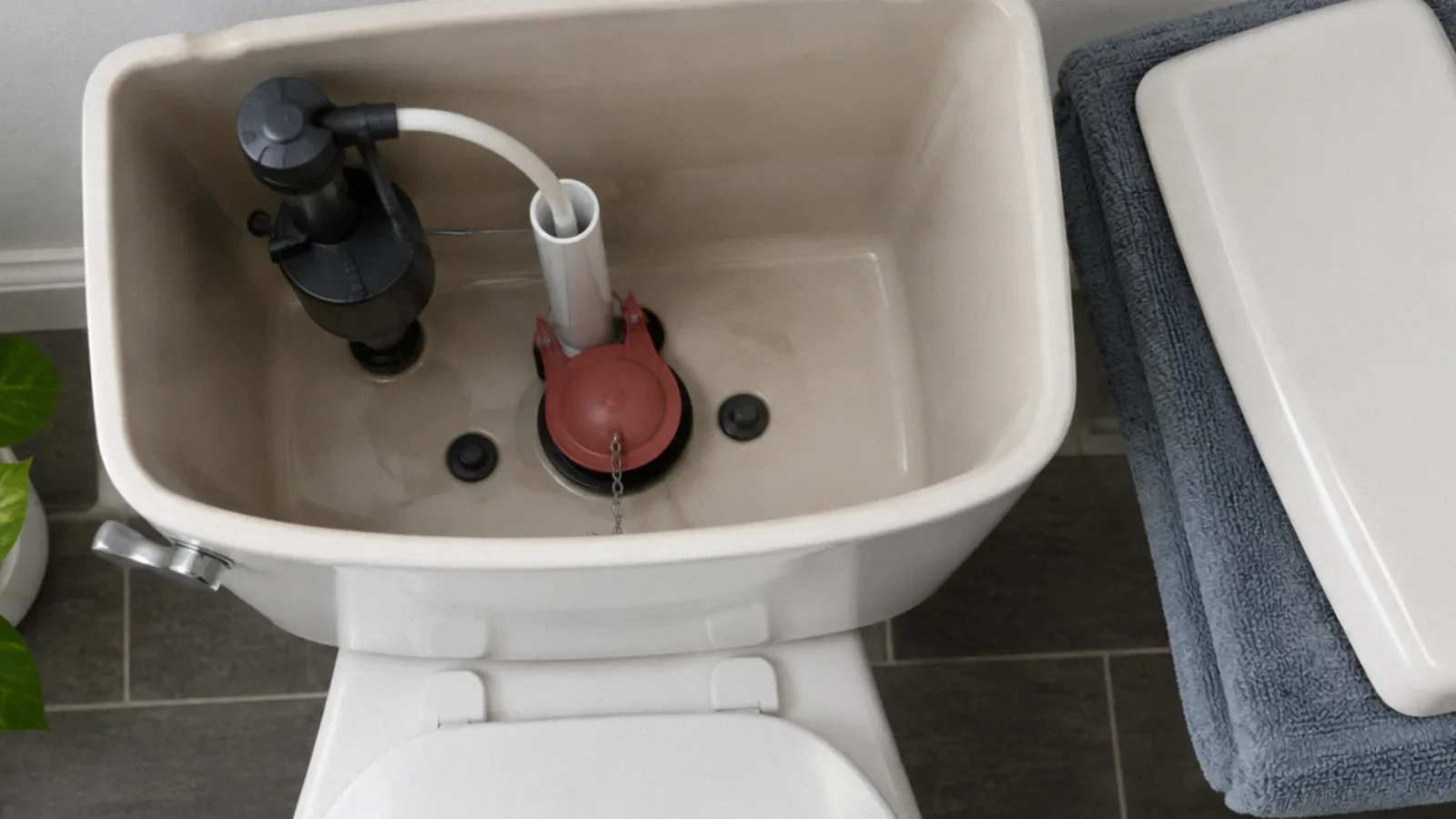
A toilet that runs after the flush may have a worn seal, an adjustment issue or another fault. A repair can reduce waste without replacing the entire fixture, but the part depends on the tank design. The EPA identifies worn flappers as a common source of toilet leaks.
Listen for ongoing refill sounds and observe the fixture from a safe position. If the water supply valve will not close or a component is uncertain, ask a plumber for help. The separate flapper guide explains how to identify the correct replacement part.
Compare environmental claims carefully
Water efficiency is one useful factor, but materials, manufacturing, transport, durability, maintenance and eventual disposal can also affect a product’s environmental footprint. A single label or number does not establish every impact. Ask for evidence behind claims such as recycled content or lifetime savings.
Replacing a working fixture has its own material and installation impacts. Compare repair and replacement based on the existing toilet’s performance, leakage, water use and condition. Avoid assuming that any one model is the best choice for every household.
Prices, rebates and local requirements
Purchase price is only one part of the decision. A quote may also include removal and disposal of the old fixture, supply changes, floor repair, taxes and permits when applicable. Ask for a written scope and check what happens if concealed damage is found.
Some utilities offer rebates for eligible water-efficient toilets, but program rules, funding and dates can change. Check the current offer and eligibility with your own water provider before buying; a national estimate or a neighboring city’s program does not guarantee a rebate.
Maintain the result
Follow the manufacturer’s cleaning and maintenance instructions, avoid unsuitable chemicals and address leaks quickly. Keep an eye on water bills and report unexplained changes to the appropriate professional or utility. A running toilet can undermine the savings of an efficient fixture.
If water has reached flooring or a wall, the affected materials may need separate assessment and drying. A new toilet stops only the problem it was installed to solve. Save the documentation and note any recurring symptom after the work.
Your next-step checklist
- Compare certified water use and performance.
- Confirm the fixture fits the bathroom and plumbing.
- Request an installation quote with all included work.
- Check current utility rebate terms before purchase.
- Repair running water and leaks promptly.
Related questions
What is a WaterSense-labeled toilet?
It is a toilet independently certified to meet EPA’s applicable water-efficiency and performance criteria.
How much water does an efficient toilet use?
EPA says WaterSense-labeled toilets use 1.28 gallons per flush or less under its criteria. Check the specific model and current specification.
Is a dual-flush toilet always the best choice?
Not necessarily. Compare certification, fit, installation, performance and how the fixture will be used.
Should I replace a running toilet?
Not automatically. A worn component or adjustment may be repairable; have the actual cause assessed.
Sources & context
Public guidance supports the principles in this article. The practical questions and examples are editorial interpretation, not a site assessment or a coverage decision. State-specific rules apply only where identified.
- U.S. EPA: Residential toilets and WaterSensefederal water guidance
- U.S. EPA: Home maintenancefederal water guidance
- San Francisco Public Utilities Commission: Toilet rebate programlocal water utility guidance