A running toilet may have a flapper or seal that does not close, a chain that interferes with the seal, or a fill mechanism that lets water enter the overflow tube. Identify the toilet’s design and follow its instructions. If the cause is unclear or a valve will not shut off safely, call a plumber.
What the sound may mean
A conventional tank toilet fills after a flush and should stop when it reaches the intended level. If water continues to run, cycles on and off or refills unexpectedly, water may be escaping from the tank or the fill mechanism may not be shutting off. Different toilet designs use different parts, so a single diagnosis does not fit all models.
A running toilet can waste water even when there is no puddle on the floor. Note whether the sound is continuous, occurs only after flushing or begins periodically. If water is escaping onto the floor, address that separate leak promptly and keep it away from electrical equipment.
Inspect the tank carefully
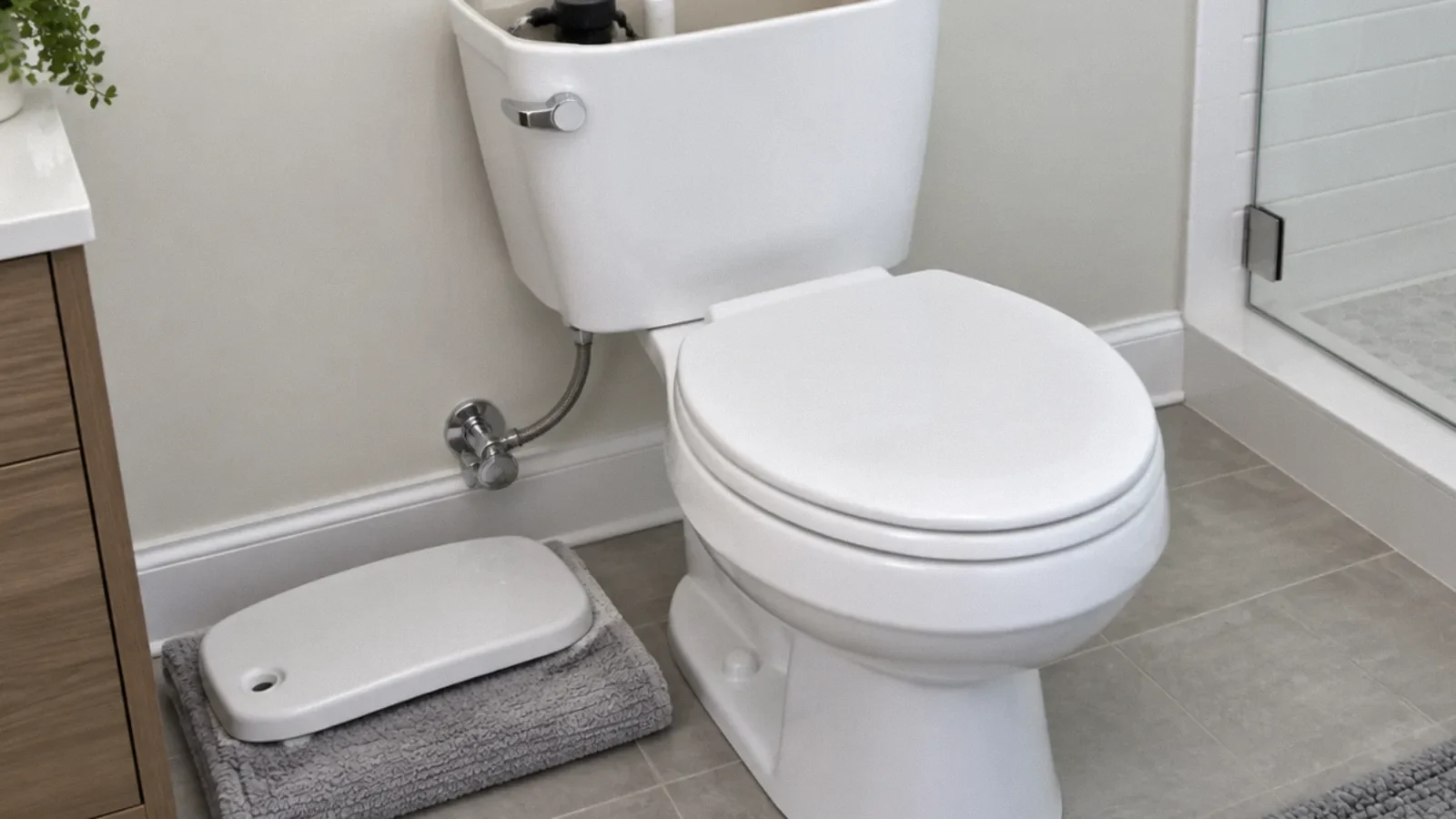
Remove the tank lid with both hands and set it on a towel where it cannot fall or crack. Look without forcing parts. In a conventional design, the chain, flapper or flush seal, fill valve and overflow tube work together; the manufacturer’s diagram identifies the parts for the specific model.
If water flows continuously into the overflow tube, the fill level or fill mechanism may need adjustment or repair. EPA recommends investigating a constantly running toilet or one that continuously flows into the overflow. Do not bend or replace components without understanding their design.
Check the chain and flapper
A chain that is caught, too tight or otherwise interfering can prevent a flapper from seating. A worn, distorted or dirty seal may also let tank water pass into the bowl. These are common possibilities, not a guarantee that replacing the flapper will fix every toilet.
Turn off the supply before servicing parts as directed by the manufacturer. Adjust only according to the model’s instructions and avoid forcing brittle plastic. If the seal is worn, select a compatible replacement; a universal-looking part may not fit every flush valve.
Use a dye test for a silent leak
EPA suggests placing a few drops of food coloring or a dye tablet in the tank and waiting about 10 minutes without flushing. If color appears in the bowl, water is leaking from the tank into the bowl. Flush promptly afterward to reduce the chance of staining, following the test product’s instructions.
The test indicates a leak path, not necessarily the exact failed part. A flapper, seal or valve seat may need attention. Do not use the test if the toilet design or manufacturer’s instructions make it unsuitable, and keep dye products away from children and pets.
Fill level and overflow
A fill valve that does not stop at the correct level can send water into the overflow tube. The adjustment and replacement procedure depend on the toilet and valve. Check the manufacturer’s instructions and use a plumber if the mechanism is unfamiliar, corroded or inaccessible.
Do not block or cap an overflow tube to stop the sound. It is part of the tank’s design and masking the symptom can lead to water escaping elsewhere. A proper repair addresses the fill control and verifies that the level remains appropriate.
Shutoff and leak safety
A supply valve is often on the wall or floor behind the toilet. If it is safely accessible, it can be closed before service; do not force a stuck or corroded valve. If the valve leaks or will not shut off, arrange plumbing help. Protect the floor from spills and keep water away from electrical equipment.
If the toilet is overflowing, stop flushing and use the separate clogged-toilet guide. A bowl that backs up is a different problem from water continuously running through the tank, though both need attention. Do not add chemical cleaners to the tank.
When to replace parts or call a plumber
Consider professional service if the toilet uses an unfamiliar pressure-assisted or concealed mechanism, the shutoff fails, the tank is cracked, replacement parts do not fit or water keeps running after an appropriate repair. Ask the plumber to identify the failed component and explain the proposed work.
Keep the make and model number, a description of symptoms and any parts already replaced. An estimate should state whether diagnosis, parts and labor are included. Avoid repeatedly adjusting unrelated parts without a clear observation of the leak path.
Verify the repair
Restore water slowly according to the instructions and check the supply connection, tank and bowl. Confirm that the tank stops filling at the intended level and that there is no visible leak onto the floor. Repeat the dye test when suitable to check that water is no longer passing silently into the bowl.
Replace the tank lid carefully and retain the repair information. Periodic checks can catch a leak before it becomes a larger water-use or floor-damage problem. If the toilet begins running again, review the observations rather than assuming the same part failed.
If a Niagara Stealth toilet keeps running
Niagara provides model-specific troubleshooting for its Stealth line, including running water. Find the model number and use the matching instructions before adjusting or replacing parts: single-flush, dual-flush and other configurations use different components, so an ordinary flapper replacement is not necessarily the right fix.
Observe whether water continues to fill or cycles after a flush and report the symptoms to Niagara support or a plumber. If water is escaping onto the floor, safely close the accessible fixture supply if it operates normally and arrange repair. Do not force a seized valve.
How much water can a leaking toilet waste?
EPA WaterSense illustrates that a small leak at 0.02 gallons per minute can waste about 860 gallons in a 30-day month, while a 0.2-gallon-per-minute leak can waste about 8,600 gallons. These are examples, not measurements of your toilet; the actual loss depends on flow and duration.
A continuously running toilet or unexplained water use warrants inspection. A plumber or utility can help identify the cause. Repairing the leak can reduce waste, but the bill impact depends on local water and sewer rates.
Water over the tank rim
Water entering the overflow tube inside the tank differs from water spilling over the tank rim onto the floor, and from an overflowing bowl. If the tank is spilling, close a working supply valve only if it is safely reachable; do not force a stuck valve. Stop using the toilet and call a plumber if the water continues, the valve fails or the cause is unclear. Avoid water near electrical equipment.
For the Niagara Stealth models covered by Niagara’s published manual, a fill valve that does not shut off can involve debris or a worn valve seal. Consult the exact model manual and shut off the supply before any permitted maintenance; if identification or access is uncertain, request service rather than assuming a conventional flapper is fitted. Confirm the water stops at the manufacturer’s prescribed level after repair.
Your next-step checklist
- Identify the toilet model and the type of running sound.
- Set the tank lid safely aside and inspect without forcing parts.
- Use a dye test when suitable to check for a silent leak.
- Close the supply valve safely before servicing.
- Verify the repair and check for water on the floor.
Related questions
Why does my toilet run intermittently?
Water may be leaking from the tank into the bowl, causing periodic refilling. A suitable dye test can help identify that leak path.
Will replacing the flapper always fix it?
No. A chain, valve seat, fill valve or a different mechanism may be responsible.
Should I block the overflow tube?
No. Identify and repair the fill mechanism or setting instead of disabling the overflow.
What if the shutoff valve will not turn?
Do not force it. Contact a plumber to isolate the water and evaluate the valve safely.
Why is water overflowing into the toilet tank overflow tube?
A faulty fill valve or incorrect water level may allow water to reach the overflow tube. Follow the fixture instructions or call a plumber, and distinguish this from water overflowing out of the bowl or tank.
Why does my toilet flush twice?
A flush valve that remains open too long or a model-specific adjustment may contribute, but toilets differ. Check the manufacturer’s instructions or ask a plumber rather than replacing parts on a guess.
Sources & context
Public guidance supports the principles in this article. The practical questions and examples are editorial interpretation, not a site assessment or a coverage decision. State-specific rules apply only where identified.
- US EPA WaterSense: Home maintenanceofficial guidance
- US EPA WaterSense: Residential toiletsofficial guidance
- US EPA: Toilet leak test protocolofficial guidance
- Niagara: Toilet troubleshooting and model supportmanufacturer guidance
- EPA WaterSense: Leak detection and repairfederal technical guidance
- Primary guidance: niagaracorp.comprimary guidance