Compare faucet and showerhead flow in gallons per minute and toilet flush volume in gallons per flush. Check the exact model, compatibility and WaterSense label; actual savings depend on use and the fixture being replaced.
What low flow means
Low-flow plumbing fixtures are designed to use less water during an ordinary task than a higher-flow fixture. A faucet or showerhead is described by a flow rate, usually gallons per minute (gpm), while a toilet is rated in gallons per flush (gpf). These are different measures: a 1.5 gpm faucet cannot be compared directly with a 1.28 gpf toilet. Actual household use depends on how long and how often the fixture runs, water pressure and whether it leaks. A lower rating is useful information, not a guarantee of a particular bill reduction.
Compare faucets and aerators
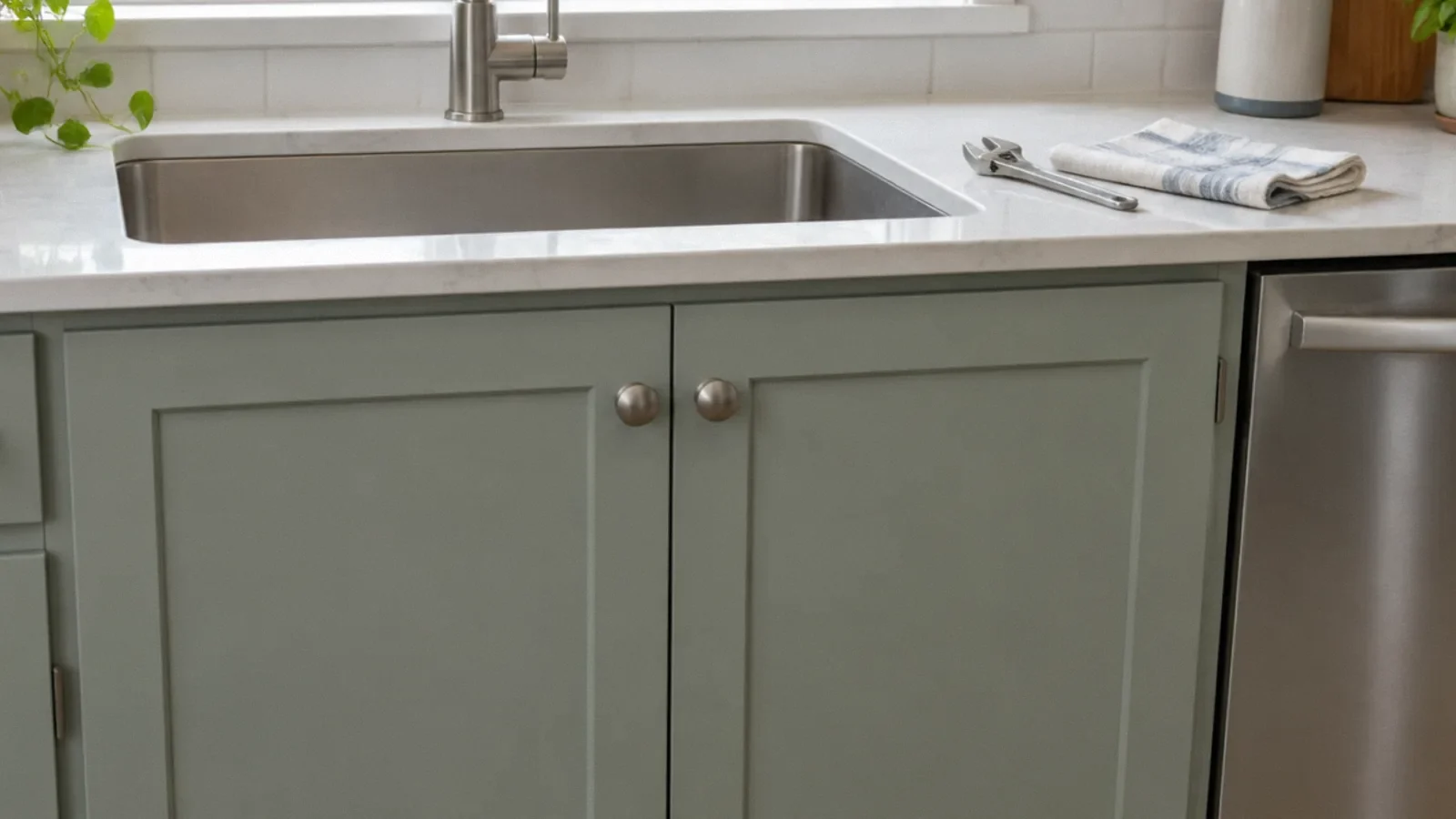
A faucet aerator is the small fitting at the end of many spouts. Some replacement aerators reduce flow without replacing the whole faucet. Start by checking whether the existing aerator unscrews and whether a replacement matches its thread size and type. Do not force a corroded fitting. Select a fixture or accessory intended for the location: a bathroom sink and a kitchen sink may have different practical requirements. A lower flow can make handwashing efficient but may mean a pot takes longer to fill. EPA recommends looking for WaterSense-labeled bathroom faucets and accessories when replacing them.
Choose a showerhead for performance
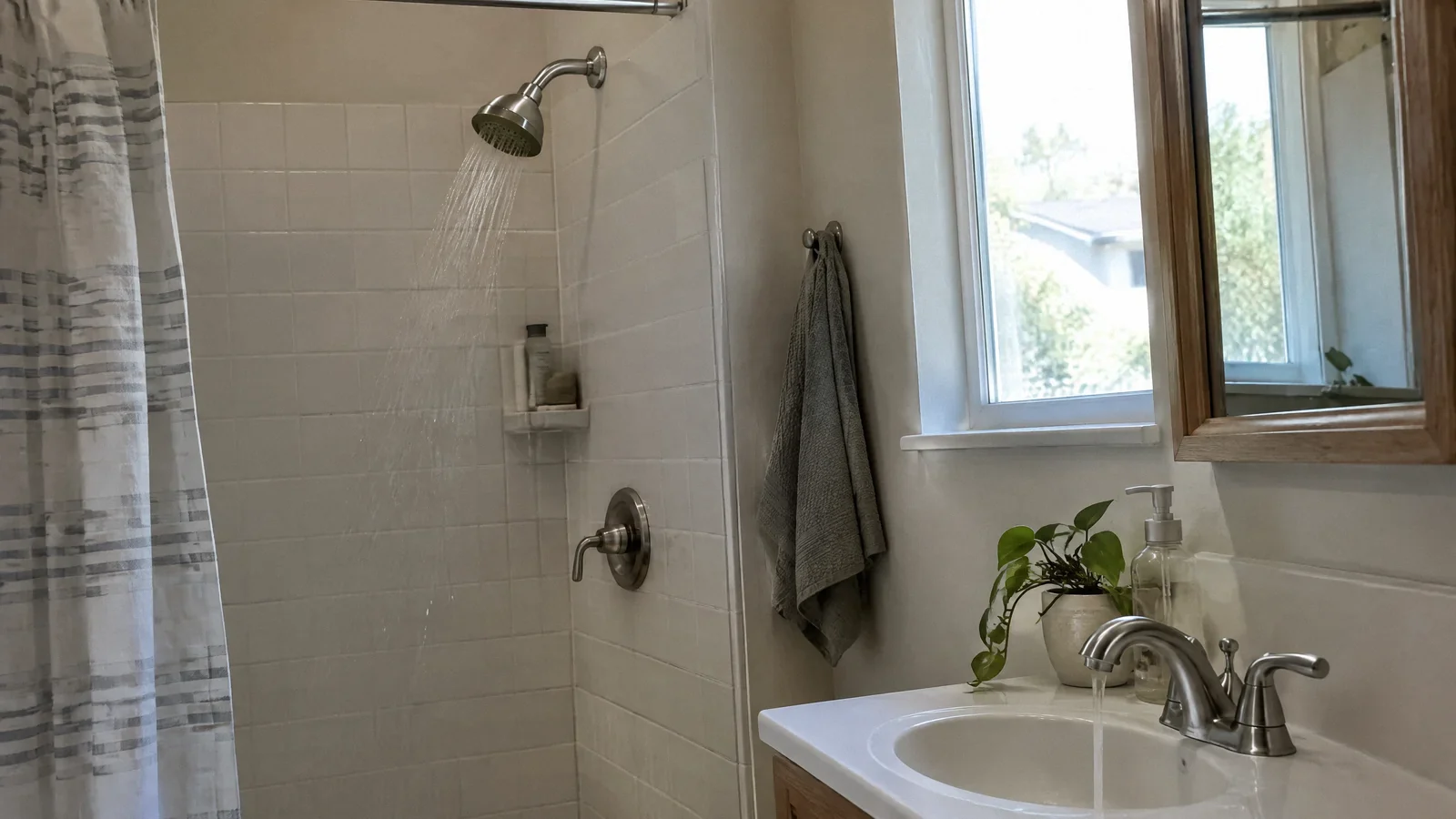
Showerheads are rated in gpm under specified test conditions. The WaterSense label identifies independently certified products meeting EPA efficiency and performance criteria, including spray coverage and force. Compare the rating, the connection and the manufacturer’s instructions. A shower with multiple outlets may use more water than a single showerhead, so check the rating of the complete configuration rather than assuming one marked component describes the whole system. A comfortable spray pattern is a personal choice. Flow rate and shower duration both affect the amount used.
Compare toilets by flush volume
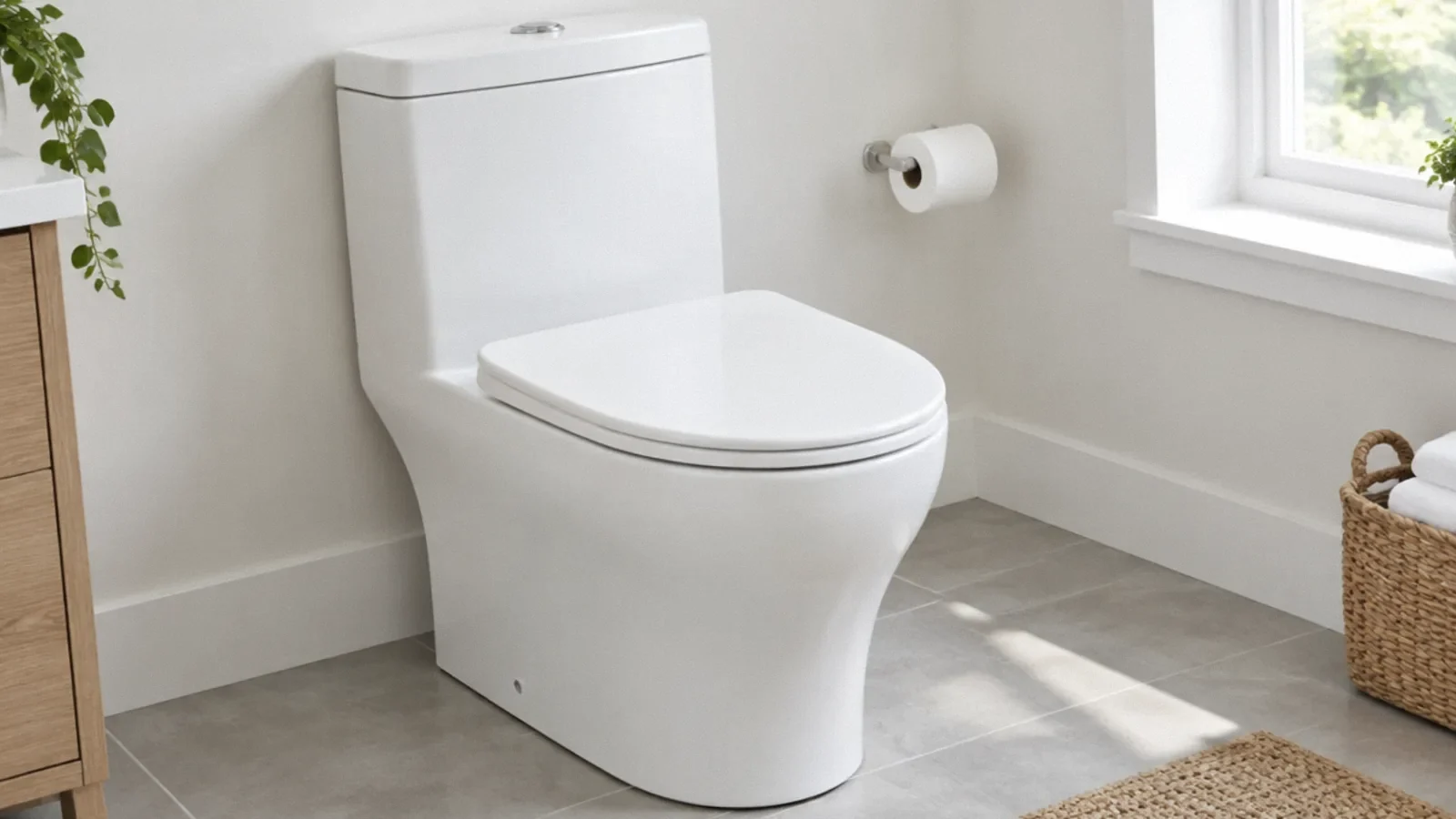
A toilet uses a rated volume per flush rather than a continuous flow rate. Compare the actual model and its flush rating, and check the WaterSense product listing for the specific tank and bowl combination. A tank and bowl are not necessarily interchangeable simply because they look alike. The fitting, rough-in distance, space around the bowl and drainage conditions matter. Ask an installer to assess compatibility with the existing bathroom and applicable local requirements. Lower flush volume does not repair a running toilet or a faulty flapper.
Read the label and confirm the model
The WaterSense label is a useful starting point for eligible product categories because products are independently certified for efficiency and performance. Not every water-using product or every faucet type is eligible. Check the EPA product search or the manufacturer’s documentation for the exact model, including a tank-and-bowl combination where applicable. An unqualified marketing claim such as water-saving does not tell you the tested flow rate. Check manufacturer instructions and applicable local requirements before buying; availability and local rules can differ.
Estimate usage without promising savings
For a faucet or showerhead, multiply the rated flow rate by minutes of use to estimate gallons for that activity. For example, 2 gpm for five minutes is approximately 10 gallons at that flow rate; 1.5 gpm for five minutes is approximately 7.5 gallons. The difference is 2.5 gallons for that example, before considering actual flow, temperature adjustment or changes in behavior. For a toilet, multiply gallons per flush by the number of flushes. A household’s annual savings depend on baseline equipment and actual use. Water and energy charges, installation cost and habits vary too.
Check the existing plumbing before installation
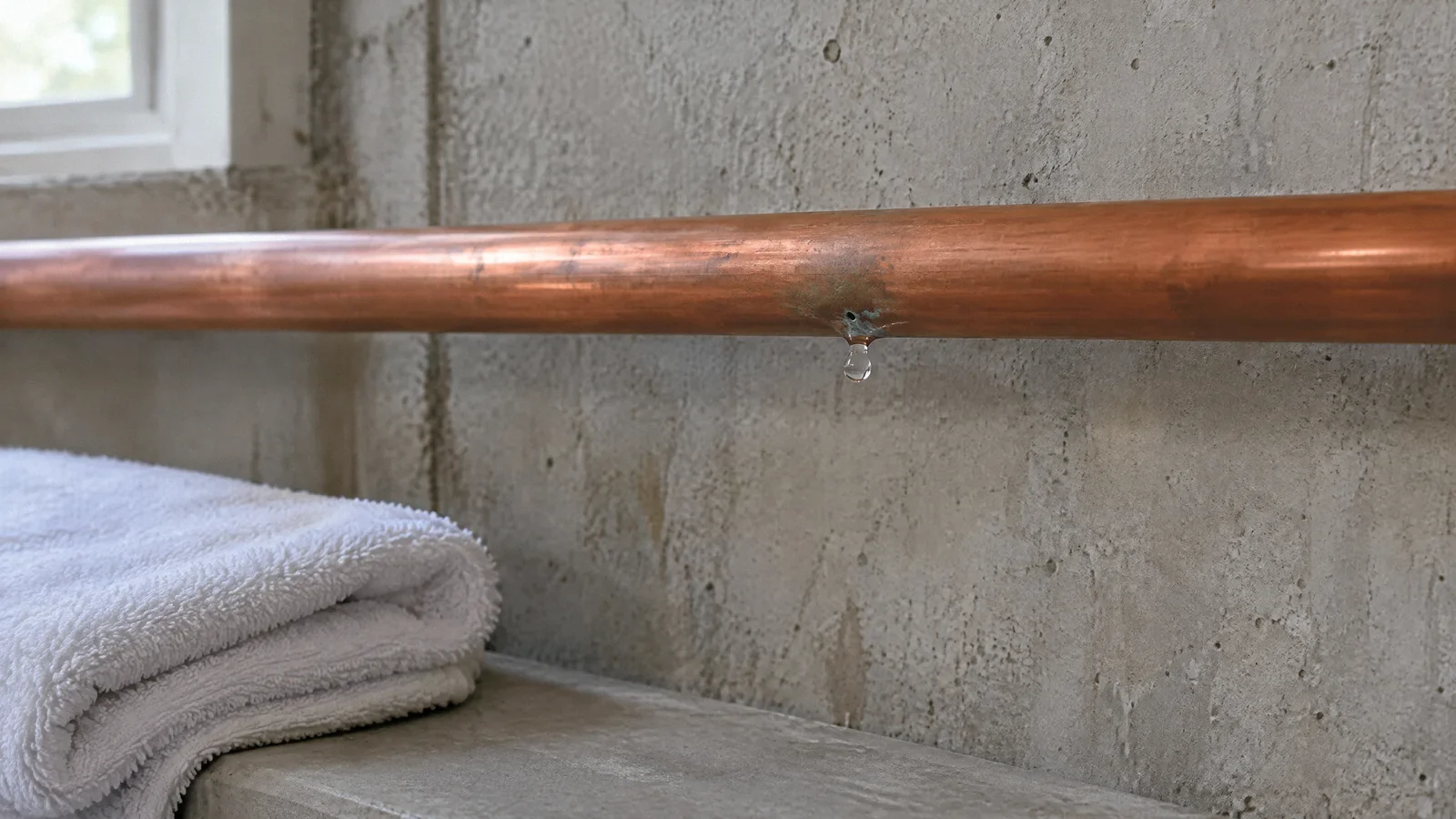
Measure the available space and verify connections, finish and access before ordering. Shower arm threads, faucet mounting holes, supply connections and toilet rough-in are product-specific. A replacement may also reveal worn shutoff valves or other repairs. Follow the manufacturer’s instructions and use a qualified installer when the work exceeds your experience or local rules require one. Shut off water only at an accessible identified valve and do not force a stuck valve. If a pipe or valve is already leaking, treat that issue separately rather than assuming a fixture upgrade fixes it.
Maintain the fixture and watch for leaks
Mineral deposits can change a spray pattern or restrict an aerator. Use the fixture maker’s cleaning instructions, since harsh chemicals or abrasives can damage finishes. If flow suddenly drops at several fixtures, the cause may be elsewhere in the plumbing or supply; replacing one aerator is not a diagnosis. Check for a dripping spout, a running toilet and damp connections after installation. EPA advises investigating these signs and contacting a plumber as needed. A low-flow fixture can still leak, and a leak can waste water even when the fixture is not being intentionally used.
Plan the upgrade around the household
Start with a fixture that needs replacement or an accessible bathroom aerator, then compare the rated water use and compatibility. Consider the person using it, the water pressure and the task; the lowest advertised number is not always the best fit. Keep the model number and instructions for future cleaning or replacement parts. If the goal is to address an active leak or water damage, stop the water safely and arrange repair and drying separately. Efficient fixtures reduce water used during normal operation but cannot guarantee prevention of pipe breaks or flooding.
Your next-step checklist
- Compare the correct rating for each fixture type.
- Check the exact model and WaterSense listing.
- Measure connections and confirm installation requirements.
- Inspect for leaks after installation and during use.
Related questions
Is a low-flow faucet the same as a low-flow toilet?
They use different ratings: a faucet is measured in gallons per minute and a toilet in gallons per flush.
Does WaterSense cover every type of fixture?
No. Check whether the product category is eligible and verify the exact model in EPA’s product information.
Will a low-flow fixture prevent a leak?
No. A fixture can leak regardless of its rated flow, and it cannot prevent a separate pipe failure.
Can I calculate my exact savings from the label?
No. The rating supports an estimate, but actual savings depend on the old fixture, use, pressure and other conditions.
Sources & context
Public guidance supports the principles in this article. The practical questions and examples are editorial interpretation, not a site assessment or a coverage decision. State-specific rules apply only where identified.