Protect occupants, isolate the water source only if trained staff can do so safely, and call qualified plumbing and restoration providers. Assess affected spaces, equipment, and water quality before drying, repairs, and reopening.
Identify the immediate hazard
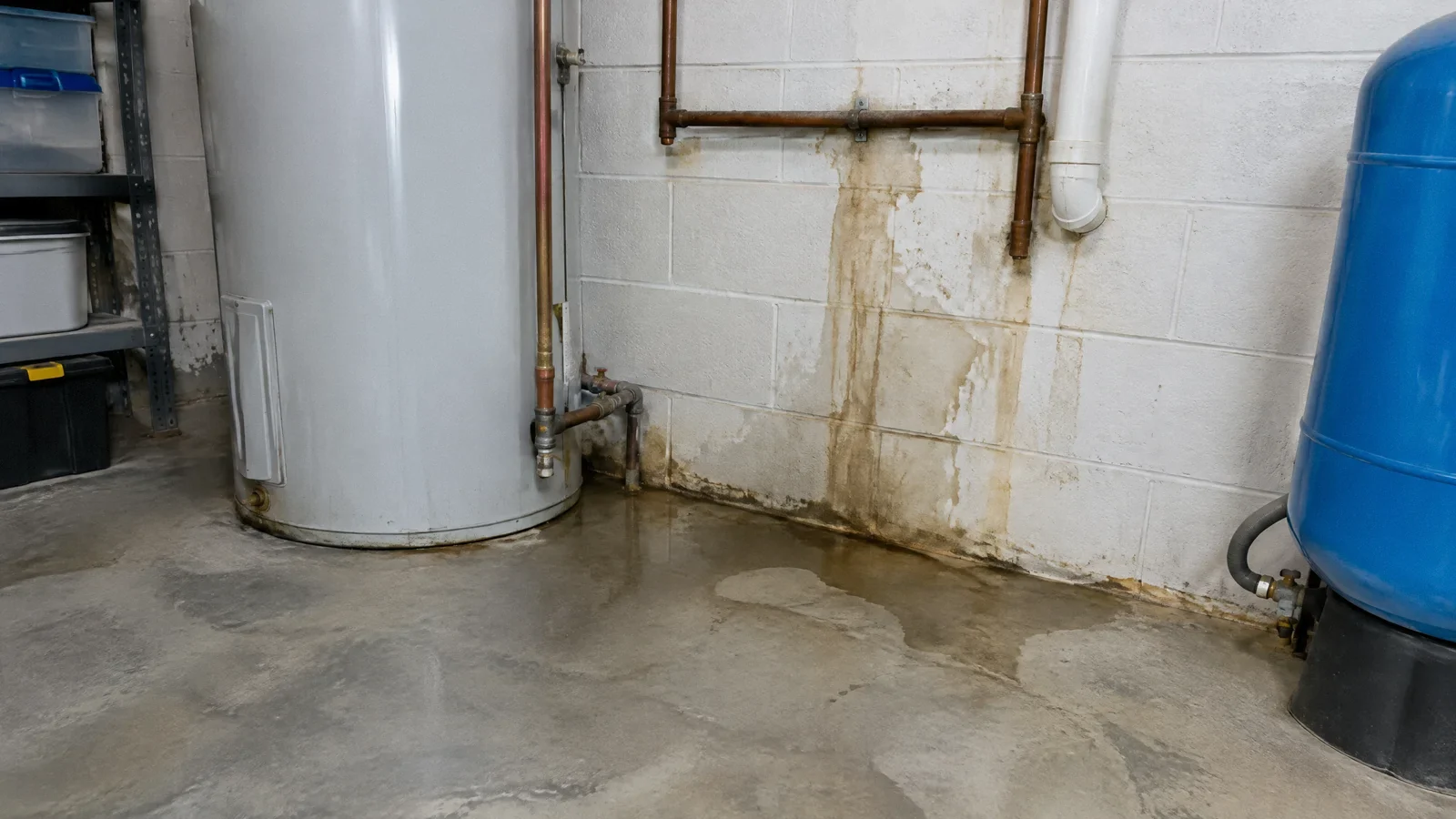
Commercial plumbing damage can involve supply lines, drains, fixtures, appliances, or equipment serving several tenants. Water may travel into ceilings, walls, electrical rooms, inventory, or spaces below the apparent source. Move people away from the affected area and prevent access beneath a sagging ceiling. Keep clear of wet electrical equipment.
If trained building staff can safely reach the correct shutoff, follow the building’s emergency procedure. Otherwise call a qualified plumber or the appropriate utility. Do not enter standing water to operate electrical equipment. Notify the building owner, affected tenants, and facilities contact so they can coordinate the response.
Trace the source and map the impact
Record the time, affected floors and rooms, visible water path, and equipment or stock at risk. A leak at one fixture may not explain every wet area in a multistory building. A plumber should identify and repair the failed component, while a restoration provider evaluates moisture and the affected materials.
Ask whether the water came from a supply line, a drain or sewage backup, or an unknown source. Contaminated water requires an appropriate professional response; it should not be treated as an ordinary clean-water spill. Keep occupants out of affected areas until the hazards and access conditions are assessed.
Protect operations and contents
Identify functions that cannot operate without the affected plumbing, such as restrooms, kitchens, process water, or tenant facilities. Consider temporary arrangements with the building owner and follow local requirements for safe occupancy. Protect records and inventory only when access is safe; obtain specialist advice before moving wet electrical or sensitive equipment.
Record downtime, temporary services, damaged inventory, and contractor expenses. Notify the property insurer and broker promptly and ask about documentation and approval. Coverage depends on the policy and cause; retain invoices and photographs but do not assume a particular loss will be paid.
Dry and restore the building
Once the source is controlled, the response may include water removal, assessment of concealed spaces, drying, removal of unsalvageable material, and reconstruction. EPA’s commercial building guidance emphasizes correcting the moisture problem and assessing the materials and extent before remediation. Ask the provider to describe the drying plan, measurements, and criteria for completion.
If ceiling tiles, wall cavities, or ventilation components are wet, they need particular attention. Do not run a ventilation system suspected of mold contamination until qualified personnel assess it. For sewage or other contamination, engage a provider experienced with that type of loss and follow applicable health guidance.
Coordinate the work and cost
Request written scopes from the plumber and restoration contractor that identify responsibilities, exclusions, access, equipment, waste disposal, and finish repairs. Agree who may approve additional work when concealed damage is found. Ask how long essential water service will be interrupted and how occupants will be informed.
Check required qualifications, insurance, and any applicable permits. Compare estimates for the same work, not just the total. A plumbing repair may stop the leak without including drying or replacement of damaged ceilings and flooring. Clarify those boundaries before work begins.
Verify and prevent recurrence
Before returning an area to use, confirm the plumbing repair has been checked, affected materials are dry or appropriately replaced, and utilities and equipment have been evaluated by qualified personnel. Ask for written completion records and a list of remaining items. Coordinate any required inspection with the building owner.
EPA recommends training building occupants to report leaks and maintaining a response process. Keep shutoff locations, emergency contacts, inspection schedules, and service records current. Review repeated leaks for a common cause rather than treating each as an isolated cleanup job.
Plan around a water shutoff
A repair may require a shutoff that affects more than the leaking room. Ask the plumber to identify the affected supply, anticipated duration, and whether other building systems depend on it. Notify tenants and essential staff before planned interruptions when circumstances allow. A restaurant, medical tenant, or other specialized operation may have additional local requirements for sanitation or continued operation; consult the relevant authority rather than assuming every tenant can remain open. Once service is restored, have the responsible provider verify the repair and communicate any remaining restrictions. Record the valve location and any access issues for future incidents.
Keep a map of shutoff valves accessible to authorized staff and review whether the response exposed gaps in vendor contacts or after-hours access. A short exercise with facilities personnel can reveal those gaps before another leak interrupts the building.
Your next-step checklist
- Protect occupants and isolate the source only when safe.
- Notify the building owner, tenants and insurer.
- Arrange plumbing repair and moisture assessment.
- Verify drying, repairs and required inspections.
Related questions
What should a business do when commercial plumbing causes water damage?
Protect occupants, isolate the water source only if trained staff can do so safely, and call qualified plumbing and restoration providers. Assess affected spaces, equipment, and water quality before drying, repairs, and reopening.
Sources & context
Public guidance supports the principles in this article. The practical questions and examples are editorial interpretation, not a site assessment or a coverage decision. State-specific rules apply only where identified.
- EPA commercial leak detectionprimary
- EPA commercial remediationprimary
- FTC contractor estimatesprimary