A French drain collects and routes water through a drainage pathway; a sump pump moves collected water from a basin to a discharge location. They solve different parts of the problem and can work together when gravity drainage alone is not practical.
Collection and pumping are different jobs
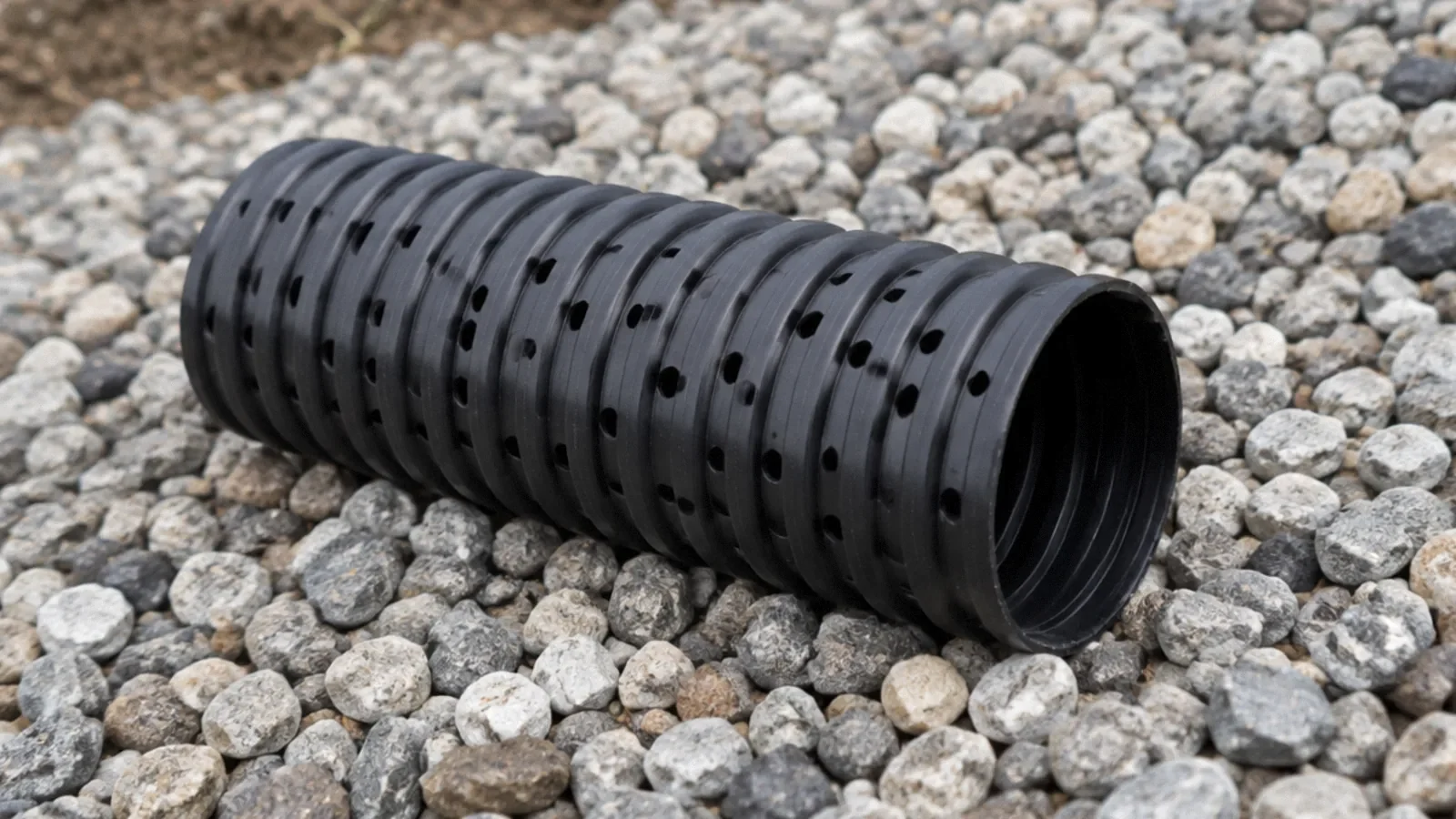
A French drain generally uses a trench with free-draining material and often a perforated pipe to collect and convey water. Depending on its design and location, it may intercept surface or subsurface water and route it by gravity. Its performance depends on the water source, slope, soil, outlet and maintenance; the name alone does not describe a complete design.
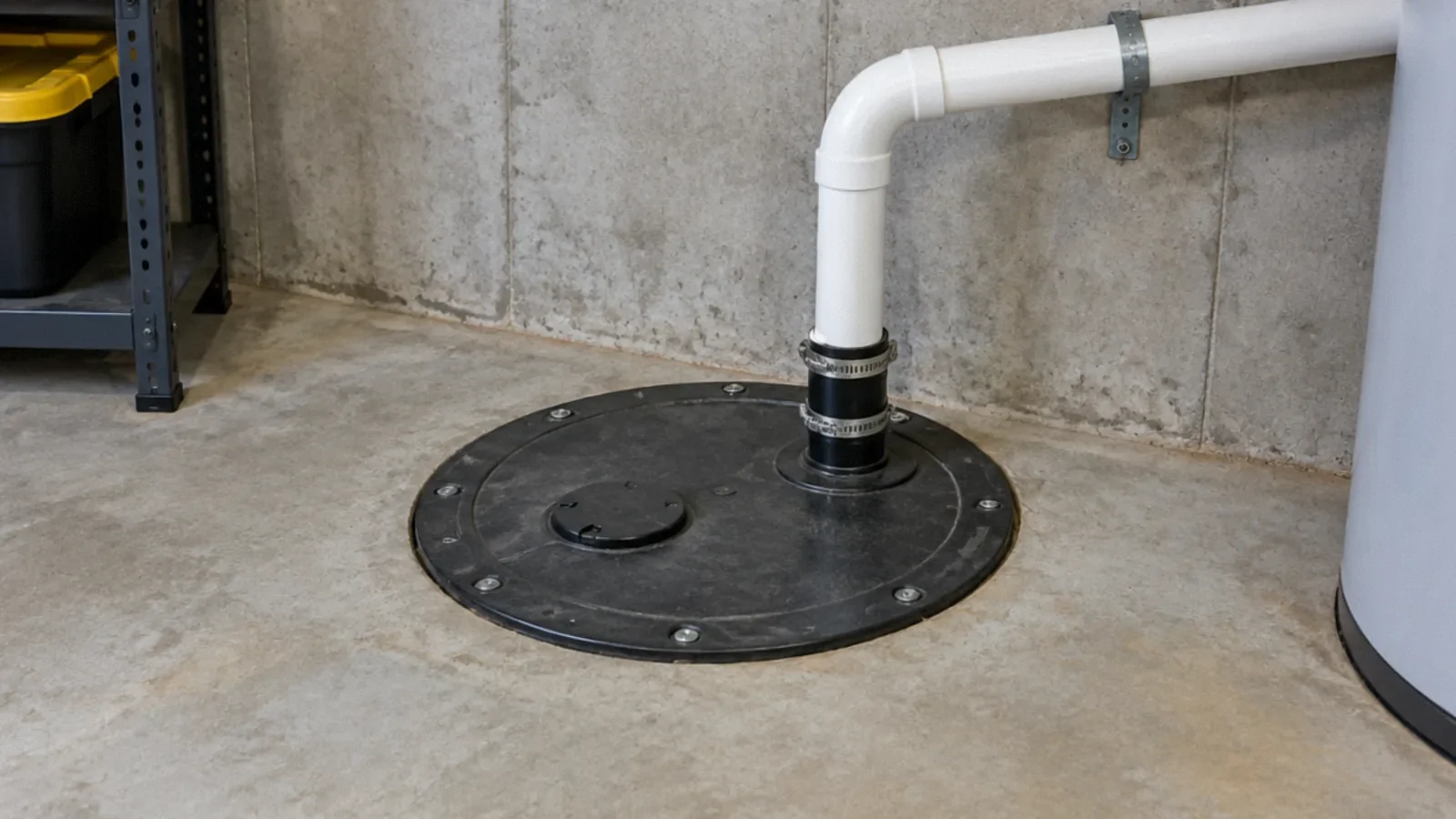
A sump pump sits in a basin where water collects and pumps it through a discharge pipe. The basin may receive water from perimeter drains or another designed collection path. A pump does not automatically collect water from every wet area, and a drain cannot move water uphill by gravity.
When a drain may be appropriate
A drainage system may help intercept water before it reaches a vulnerable foundation or collect it along a planned path. If the site has a suitable gravity outlet lower than the collection point, water may be carried away without a pump. The outlet must be practical, maintainable and permitted for that site; it cannot simply move water onto a neighboring property.
A contractor should evaluate the source and route, including roof runoff and surface grading. A drain positioned away from the actual water pathway may not solve the problem. Soil, utilities, foundation configuration and local requirements affect the design, and excavation near a foundation requires professional planning.
When a sump pump may be appropriate
A sump pump can move water from a collection basin when gravity cannot carry it to an appropriate outlet. DOE describes sump water as foundation water commonly pumped away to reduce flooding. A pump needs an adequately designed collection route, discharge path, power and maintenance; installing one in a dry corner does not guarantee that water elsewhere will reach it.
Pump capacity and basin design depend on expected inflow and the site. Ask the installer how the system handles power failures, frozen or blocked discharge lines, pump failure and high water. A backup pump, alarm or backup power may be appropriate, but no backup arrangement eliminates all failure risk.
When both work together
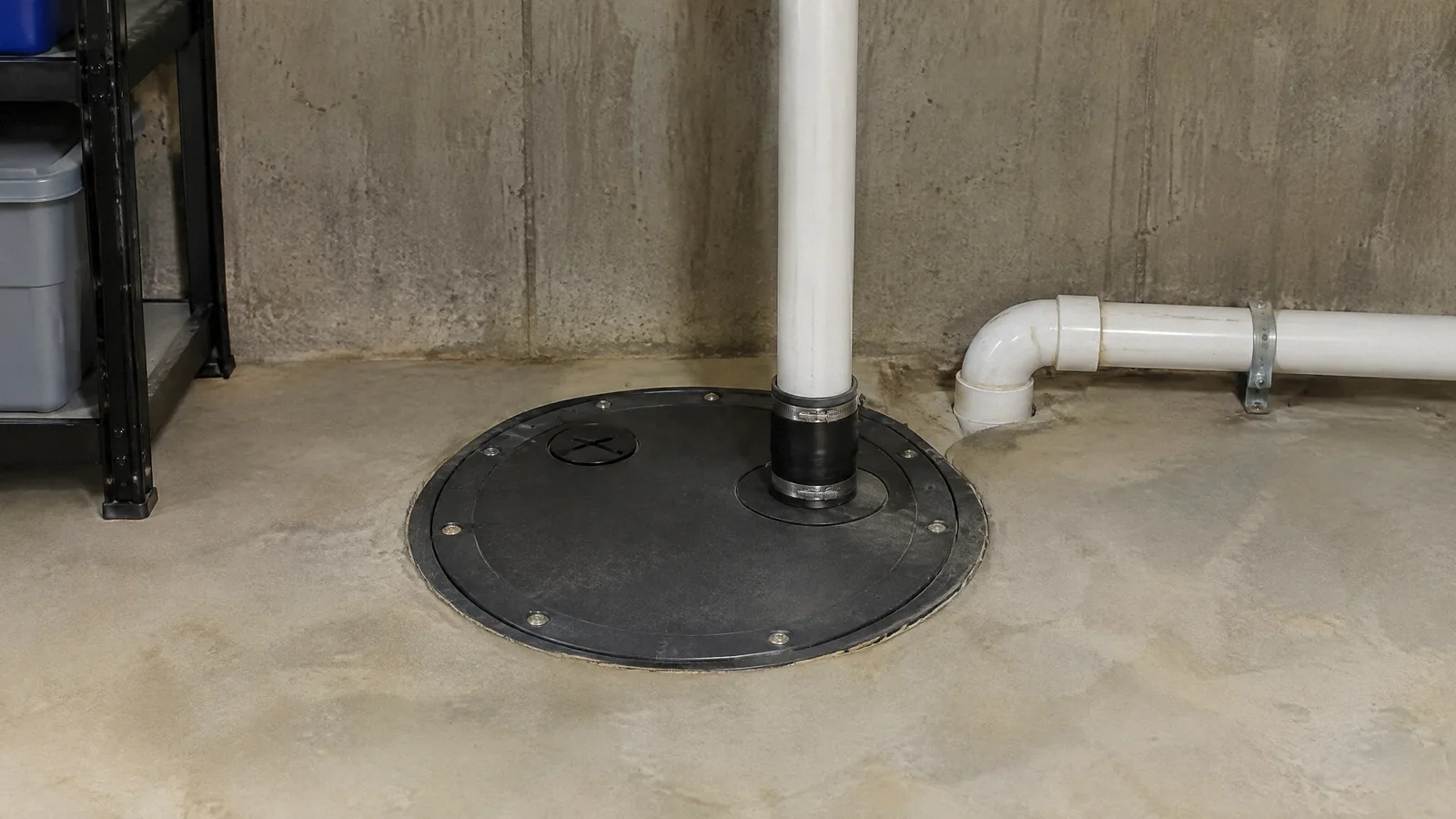
A perimeter or French drain can direct collected water to a sump basin, and the pump can move it to a suitable discharge point. This arrangement combines collection and active removal. The drain must connect to the basin as designed, and the pump discharge must not return water immediately to the foundation.
Interior and exterior drainage systems intercept water at different locations. An interior system can manage water reaching its collection route but does not make the exterior wall itself waterproof. An exterior system may require substantial excavation. Ask the professional to explain what the proposed layout will and will not address.
Address roof runoff first
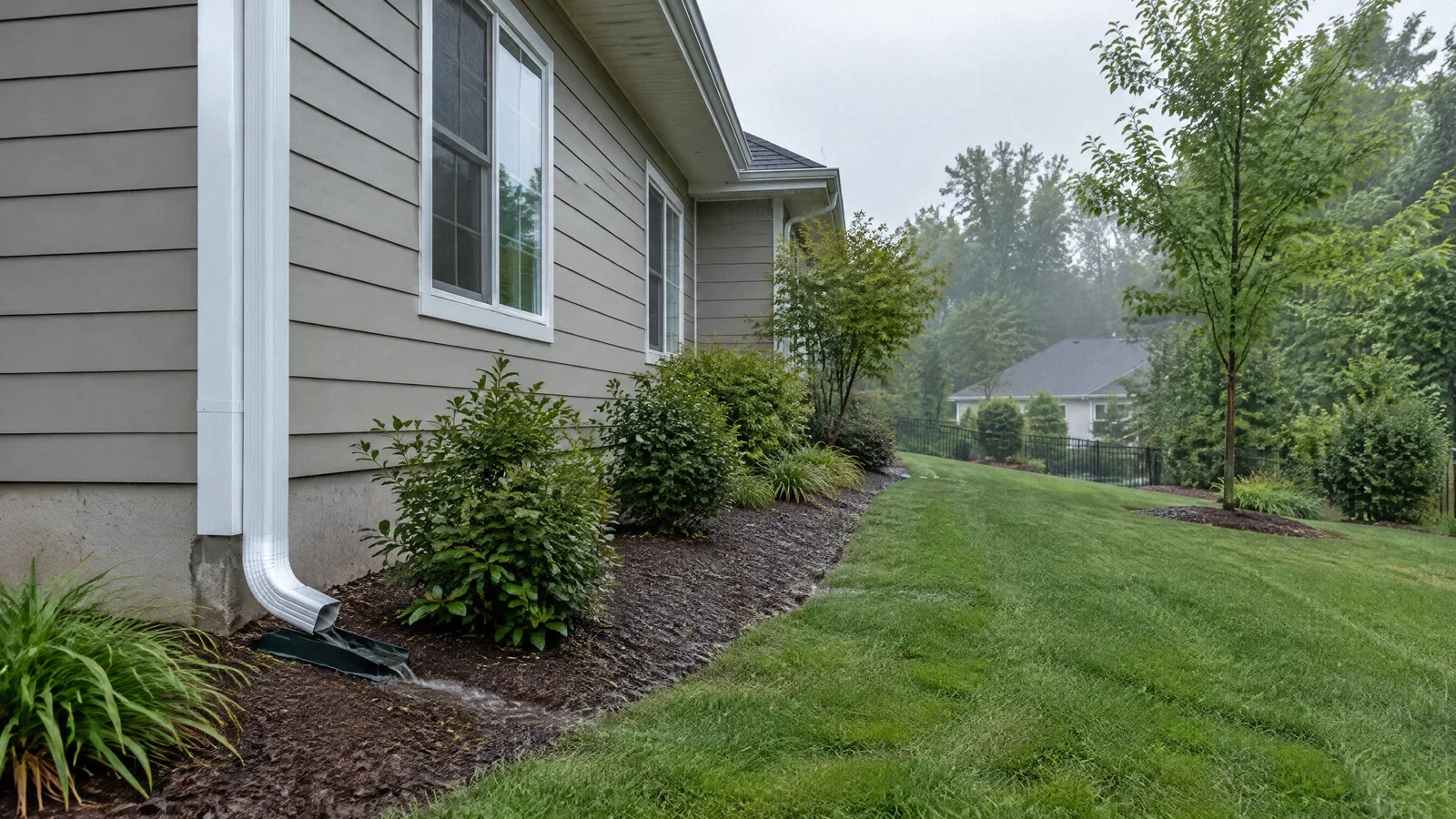
Water from gutters and downspouts can saturate soil around a foundation. DOE recommends managing roof runoff and grading as part of foundation water control. Observe from a safe place where water goes during rain and look for overflow, disconnected downspouts or low areas. Do not assume a buried drain or pump will compensate for uncontrolled roof water.
A site may need several measures: maintained gutters, appropriate discharge, surface grading and, where justified, a drain or pump. A plumbing leak or sewer backup is a separate source requiring its own repair. The most useful proposal identifies the source before recommending a system.
Compare installation and maintenance
Ask each contractor for a written plan showing the collection area, drain path, basin if needed, discharge destination, access for maintenance and restoration of disturbed surfaces. The estimate should explain permits, utility location, electrical work, excavation and assumptions about hidden conditions. Ask how the system will be tested and what happens if site conditions differ from the inspection.
A drain outlet or accessible cleanout needs periodic inspection for obstruction. A sump pump needs manufacturer-directed testing and attention to its power, alarm and discharge. Do not enter a flooded basement or touch electrical equipment in water to test a pump; call a qualified electrician when access is unsafe.
Choose based on the observed problem
For water that can be intercepted and carried downhill to an acceptable outlet, a gravity drain may be sufficient if designed for the conditions. Where collected water cannot leave by gravity, a sump pump may be needed. Where water must first be intercepted and then lifted, the systems can be combined.
Before committing, request an explanation of the evidence supporting the recommendation and the limitations of the proposed system. Document baseline conditions and revisit the area during relevant storms after installation. No drain or pump can guarantee that every possible flood, power failure or structural defect will be prevented.
Also ask where the system can be accessed for inspection and whether a failure alarm is included. An inaccessible outlet or unmonitored pump can make later problems harder to detect.
Your next-step checklist
- Identify the water source and when it appears.
- Trace gutters and surface runoff away from the foundation.
- Ask whether a gravity outlet is feasible and permitted.
- Compare the collection path, pump and discharge as a complete system.
- Plan routine inspections and backup for pump failure where appropriate.
Related questions
Is a French drain the same as a sump pump?
No. A drain collects and routes water; a pump actively moves water from a basin.
Can a French drain work without a pump?
It may, if the system has a suitable gravity outlet and is designed for the site.
Can a sump pump work without a French drain?
Yes, if water reaches the basin through another suitable collection path. A pump cannot collect water that never reaches it.
Sources & context
Public guidance supports the principles in this article. The practical questions and examples are editorial interpretation, not a site assessment or a coverage decision. State-specific rules apply only where identified.
- DOE: Foundation Drain, Gutters and Downspoutsfederal guidance
- DOE: Foundation Water and Sump Pumpsfederal guidance
- CDC: Preparing for Floodsfederal guidance