A sump pump may be avoidable when roof runoff and surface water can be directed safely away from the foundation or a properly designed drain can discharge by gravity. The right choice depends on where the water originates, the site elevation, soil and local discharge rules. A high water table or a basement below an available outlet may still require pumping.
Identify the water before choosing equipment
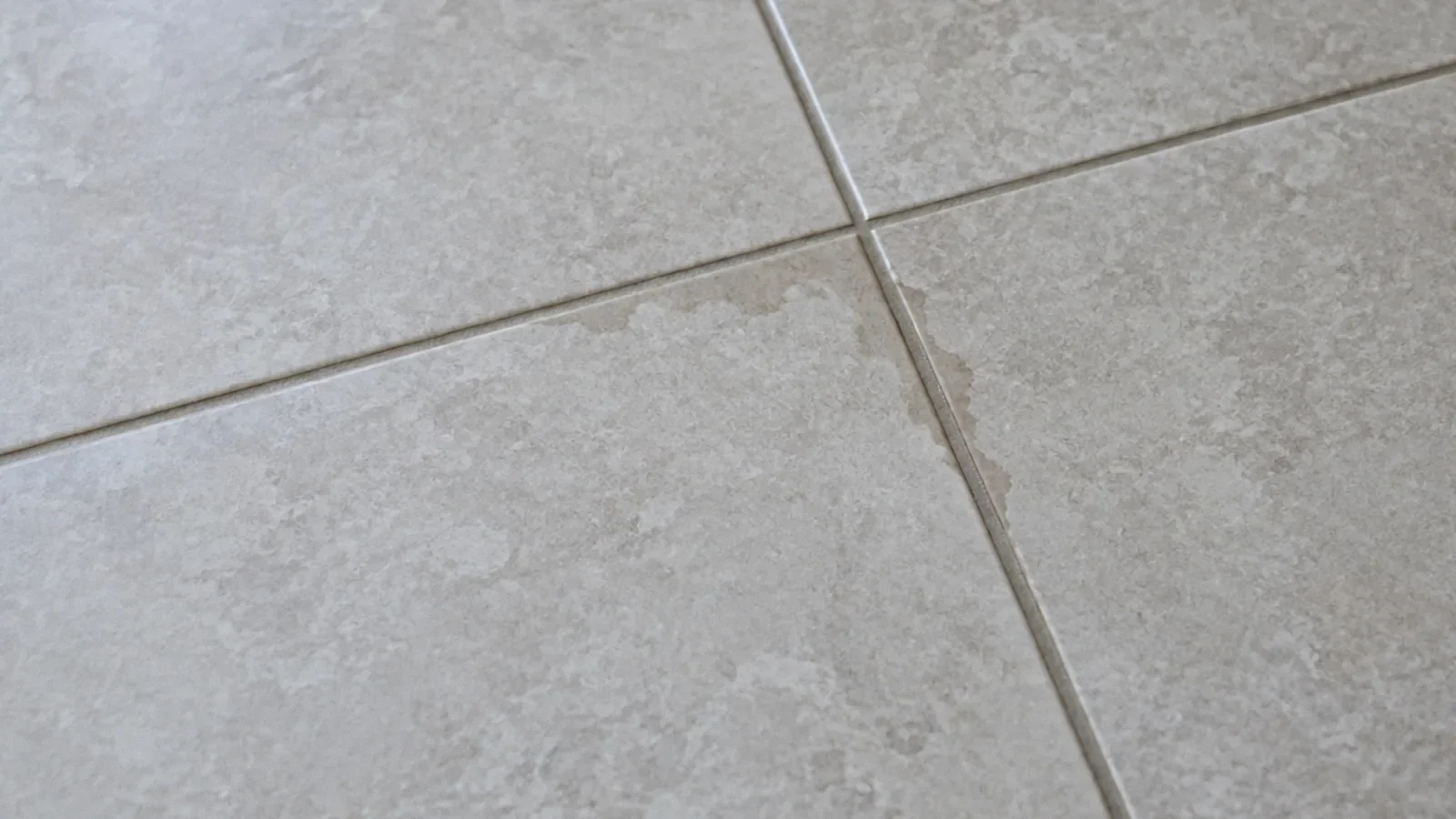
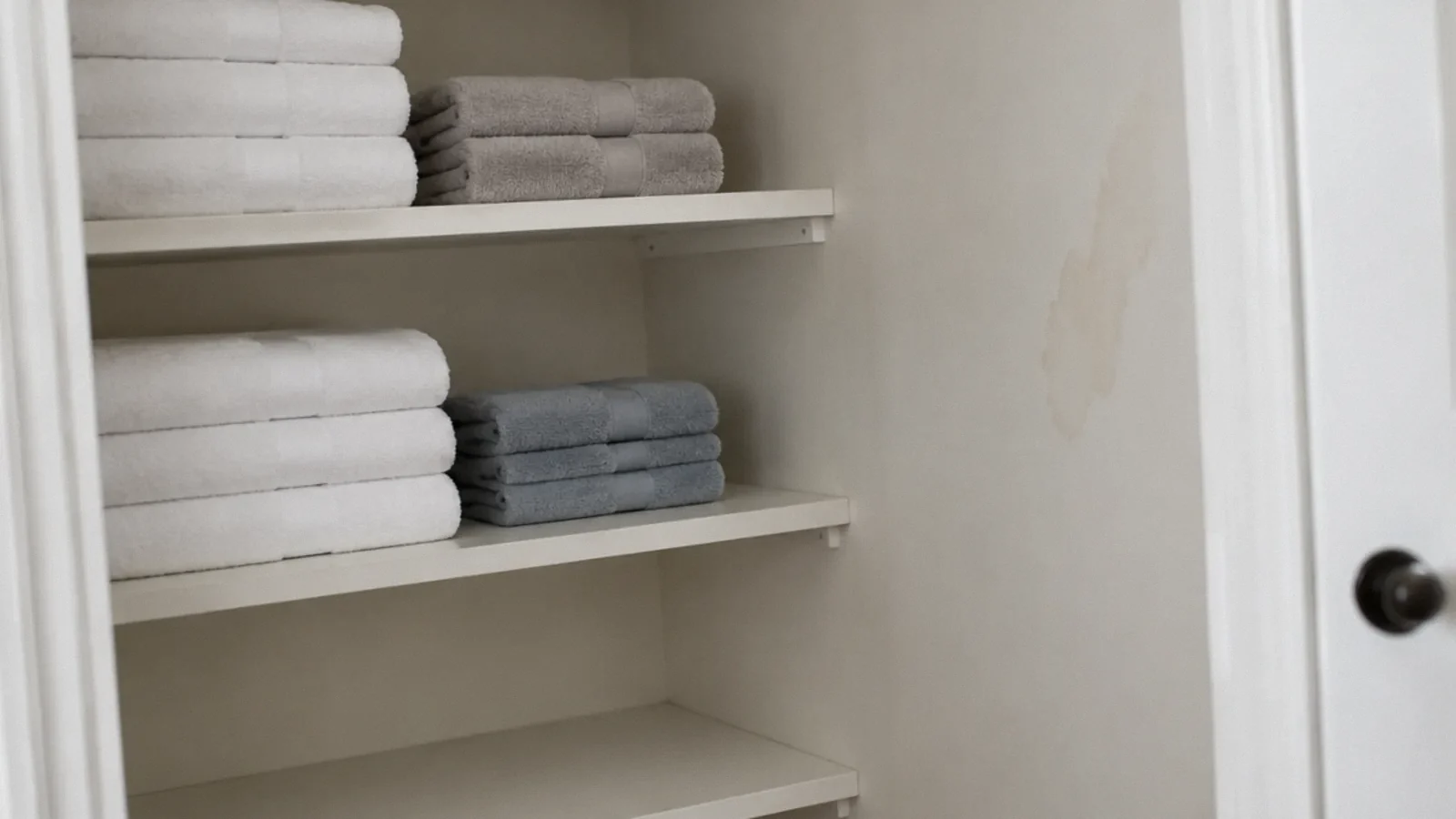
A sump pump collects water in a pit and lifts it to a discharge point. An alternative must deal with that same water by another route, reduce the amount reaching the foundation, or address a different problem entirely. Start by recording when water appears, its location, and whether it follows rain, plumbing use, or humid weather. A damp wall during a humid spell may be condensation rather than water entering through the foundation.
Inspect gutters and downspouts from the ground, note low spots beside the house, and check whether a safe discharge point exists downhill. Water at a floor crack can reflect surface drainage or groundwater pressure, and a stain does not identify its source. A drainage professional can evaluate the building and site when the path is unclear. Do not enter standing water near electrical equipment.
Gutters and downspout extensions
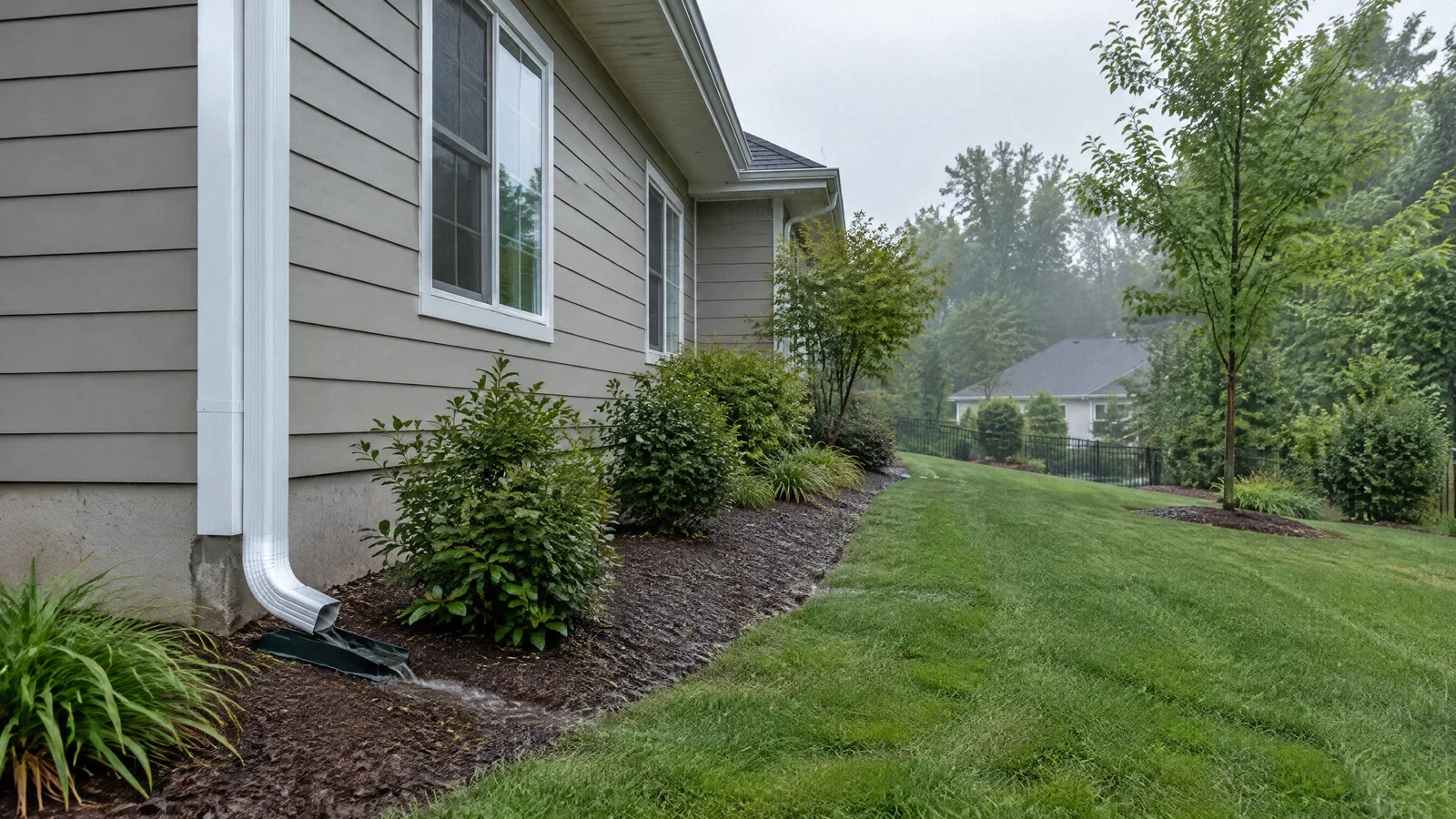
A roof collects a substantial amount of rainfall. If gutters overflow or downspouts empty next to the wall, correcting them can reduce the water delivered to the foundation. Maintain gutters, repair leaks, and direct downspouts to an approved location away from the house. Extensions, buried solid lines, or other discharge arrangements may be appropriate depending on the property.
This is useful when roof runoff is the main source, but it will not necessarily control a high water table or water arriving from an adjacent slope. The outlet must not create a nuisance, undermine another structure, or discharge where local rules prohibit it. Check the entire path and maintain it so a blocked line does not return water to the foundation.
Grading and surface drainage
A surface that slopes away from the foundation can move rainfall away before it soaks in next to the wall. A shallow swale, catch basin, or other site-specific arrangement can guide surface water toward an approved outlet. Existing trees, utilities, walkways, property lines and accessibility constraints affect the design.
Grading is not a universal fix. It may be difficult on a small lot, and water collected by a swale still needs somewhere lawful and safe to go. Do not raise soil against siding, cover required clearances, or divert water onto a neighbor’s property. Where drainage patterns are complex, seek a qualified drainage contractor or engineer and check local requirements.
Gravity drains and French drains
A gravity drain uses a continuous downhill path to carry collected water to a suitable outlet. A French drain generally combines a trench and permeable material with a perforated pipe to intercept water; details vary with the water source and site. It may collect water outside the foundation or at another planned location, but the pipe needs a reliable outlet and a design that accounts for sediment and maintenance.
A French drain and a sump pump are not always substitutes. An interior drain may lead to a sump because no lower outlet is available. A gravity system can avoid a pump only when the outlet remains lower than the collected water and can accept the flow. A blocked or submerged outlet can prevent discharge. Before excavation, locate utilities and consult a professional about foundation stability and permits.
Other measures and their limits
Exterior waterproofing or a drainage membrane can reduce water reaching a wall when selected as part of a complete repair. They are not a substitute for addressing hydrostatic pressure or providing a path for collected water. Interior coatings may conceal dampness while the source remains. A dehumidifier can reduce indoor humidity, but it cannot remove groundwater entering through a crack or replace an adequate drainage system.
A dry well or infiltration area may be suitable on some properties, but its performance depends on soil infiltration, separation from structures, groundwater conditions and local approval. It is not appropriate everywhere. A designer should assess whether it will accept expected runoff without moving the problem toward the foundation.
When retaining a pump may be the better decision
If the basement floor is below every practical discharge point, gravity cannot lift water out of the pit. A pump may also remain necessary where groundwater rises around the foundation or the existing drain system was designed to collect water in a sump. Removing or disconnecting it without understanding the system can expose the building to flooding.
A backup power source or a secondary pump can improve resilience to a failure, but neither eliminates the need to maintain the primary system and discharge line. Ask a contractor to trace the existing system, document the outlet, and explain what happens during a heavy storm or power outage before deciding whether equipment can be changed.
Make a practical decision and verify it
Compare each proposal against the observed source, the available elevation difference, expected maintenance, and the consequences if it fails. Ask for a written plan showing collection and discharge locations, any permits, and how the work affects adjoining property. An approach may combine gutter repairs, grading, and drainage rather than relying on a single product.
After work, observe the area during rainfall from a safe location. Check whether gutters overflow, outlets remain clear, and the basement stays dry. Keep records of conditions and repairs. If water persists, revisit the source and design rather than adding an untested coating over wet materials.
Your next-step checklist
- Record when and where water appears.
- Check roof runoff and surface grading from a safe location.
- Confirm whether a lower, legal gravity outlet exists.
- Compare drainage design, maintenance and failure consequences.
- Keep any existing pump operating until a replacement plan is verified.
Related questions
Can a French drain replace a sump pump?
Sometimes, if a properly designed drain has a reliable downhill outlet. Many interior drains instead carry water to a sump and still need a pump.
Will a dehumidifier replace a sump pump?
No. A dehumidifier treats indoor humidity, not liquid water entering through a foundation or rising from below.
Can I disconnect an old pump after grading the yard?
Do not assume so. First establish why the pump was installed and whether groundwater or the existing drain system still depends on it.
Sources & context
Public guidance supports the principles in this article. The practical questions and examples are editorial interpretation, not a site assessment or a coverage decision. State-specific rules apply only where identified.