Roof life depends on the material, installation, climate and maintenance. An EPA background document gives a broad estimate of 15–35 years for an asphalt shingle roof, while metal roofing industry guidance describes some metal systems lasting 30–50 years or longer. These are not guarantees for a particular home; condition and the full roof assembly matter.
Why there is no single roof lifespan
A roof is a system of covering, underlayment, flashing, fasteners, penetrations and supporting materials. A covering may look serviceable while a flashing detail or concealed section has failed. Installation quality, roof slope, local exposure, product type and maintenance all influence how long the assembly performs.
An installation date is useful, but age alone does not establish whether a roof must be replaced today. Equally, a relatively new roof can leak because of storm damage or an installation defect. A qualified roofer can inspect the particular system and explain observed conditions.
Asphalt shingle roof life
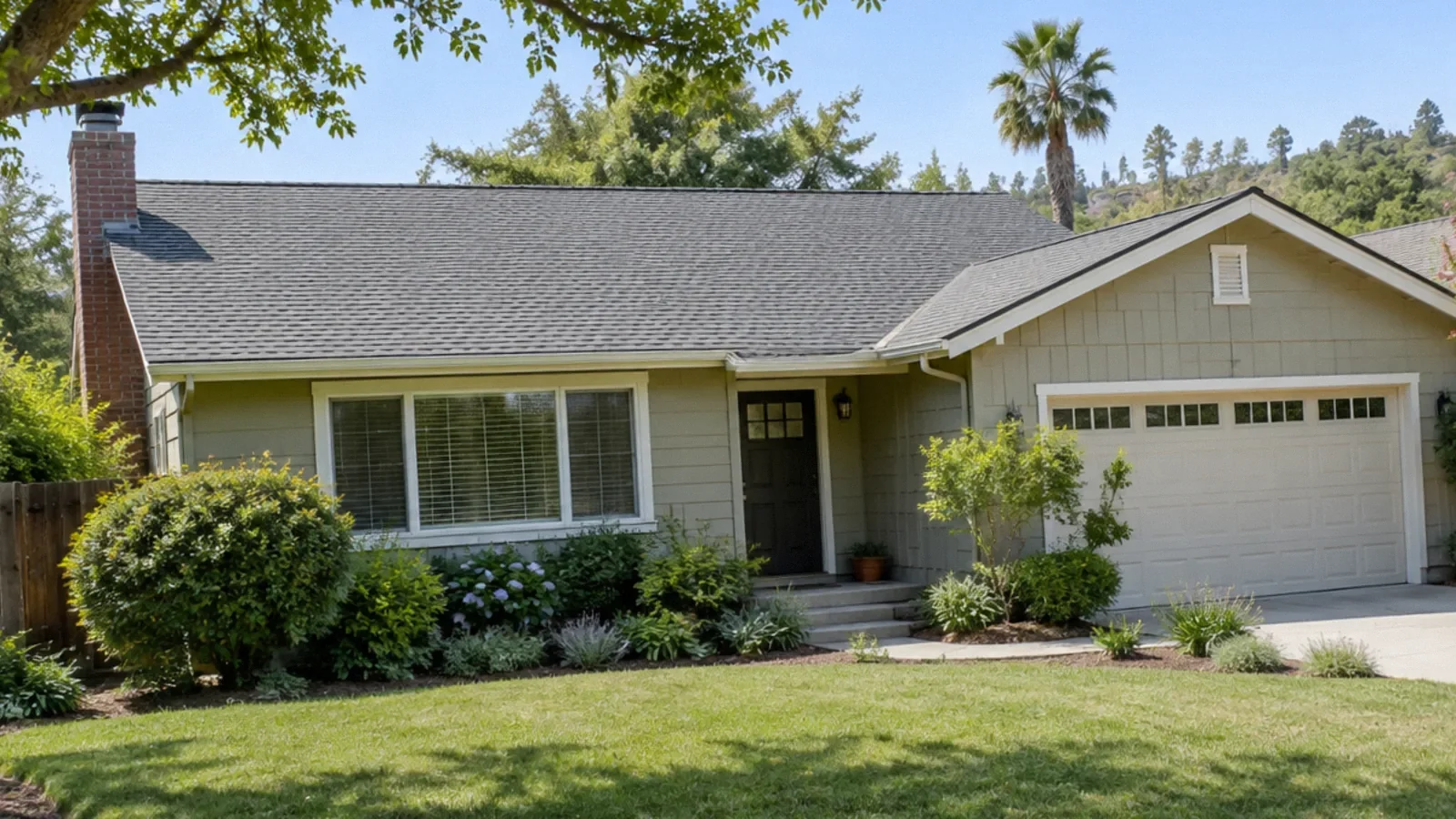
An EPA background document describes an asphalt shingle roof lasting roughly 15–35 years depending on climate. The range is broad, and it is not a warranty or prediction for every product. A different source or product may provide a different estimate because the shingles and conditions are not identical.
Loss of granules, curling, cracking, missing shingles or repeated leaks can justify inspection. Some granule loss or an isolated defect does not automatically establish that the entire covering must be replaced. Ask the roofer to show the affected areas and discuss repair and replacement options.
How long can a metal roof last?
The Metal Roofing Alliance, an industry organization, describes metal roofs in general terms as lasting 30–50 years or more. Some metal systems can last longer, but that claim depends on the material, coating, installation and environment. Coastal exposure and trapped moisture can affect corrosion.
Fasteners, sealants, penetrations and coatings may need attention before the metal panels reach the end of their service life. A metal roof is not maintenance-free or guaranteed never to leak. Ask which parts are covered by the product and workmanship warranties.
Other roofing materials
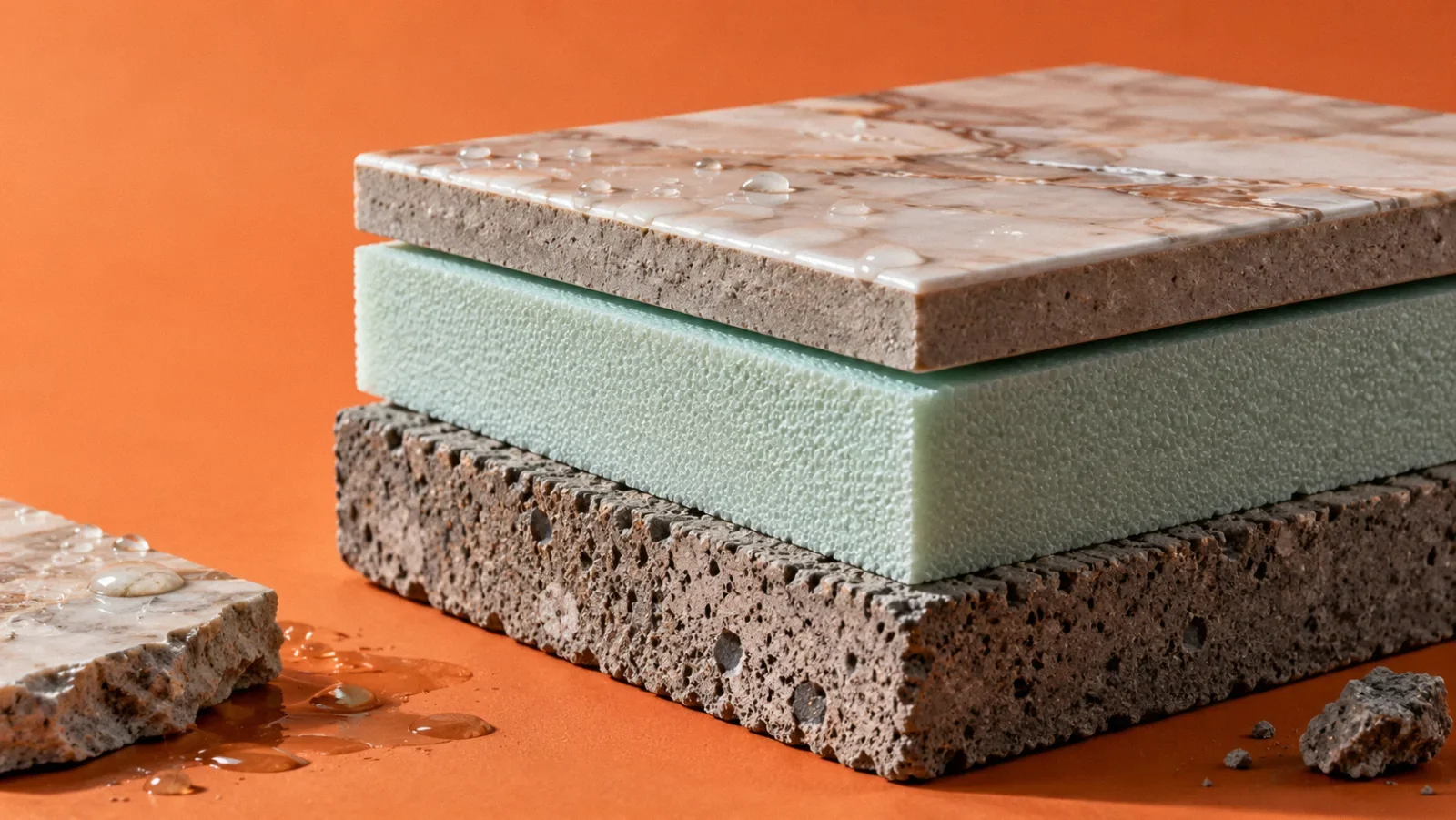
Tile, wood, slate and low-slope membranes have different service lives and maintenance requirements. Even within one material, products and assemblies vary. Underlayment or flashing can require repair before a durable surface material needs replacement.
The longest-lasting option for a specific home depends on roof structure, slope, climate, budget and the quality of the complete installation. Compare a written system specification and maintenance requirements rather than choosing solely on a headline lifespan.
Weather and installation matter
Sun, wind, rain, temperature changes, fallen branches and debris can contribute to wear. A shaded area may stay damp longer, while repeated exposure to salt or wind-driven rain creates other concerns. Poor drainage or an incorrectly installed penetration can shorten the useful life of an otherwise suitable material.
After severe weather, observe from a safe place and contact a roofer if shingles are missing or water enters the building. Do not climb onto a wet or damaged roof. A professional can assess access, flashing, penetrations and areas that cannot be seen from the ground.
Signs that need attention
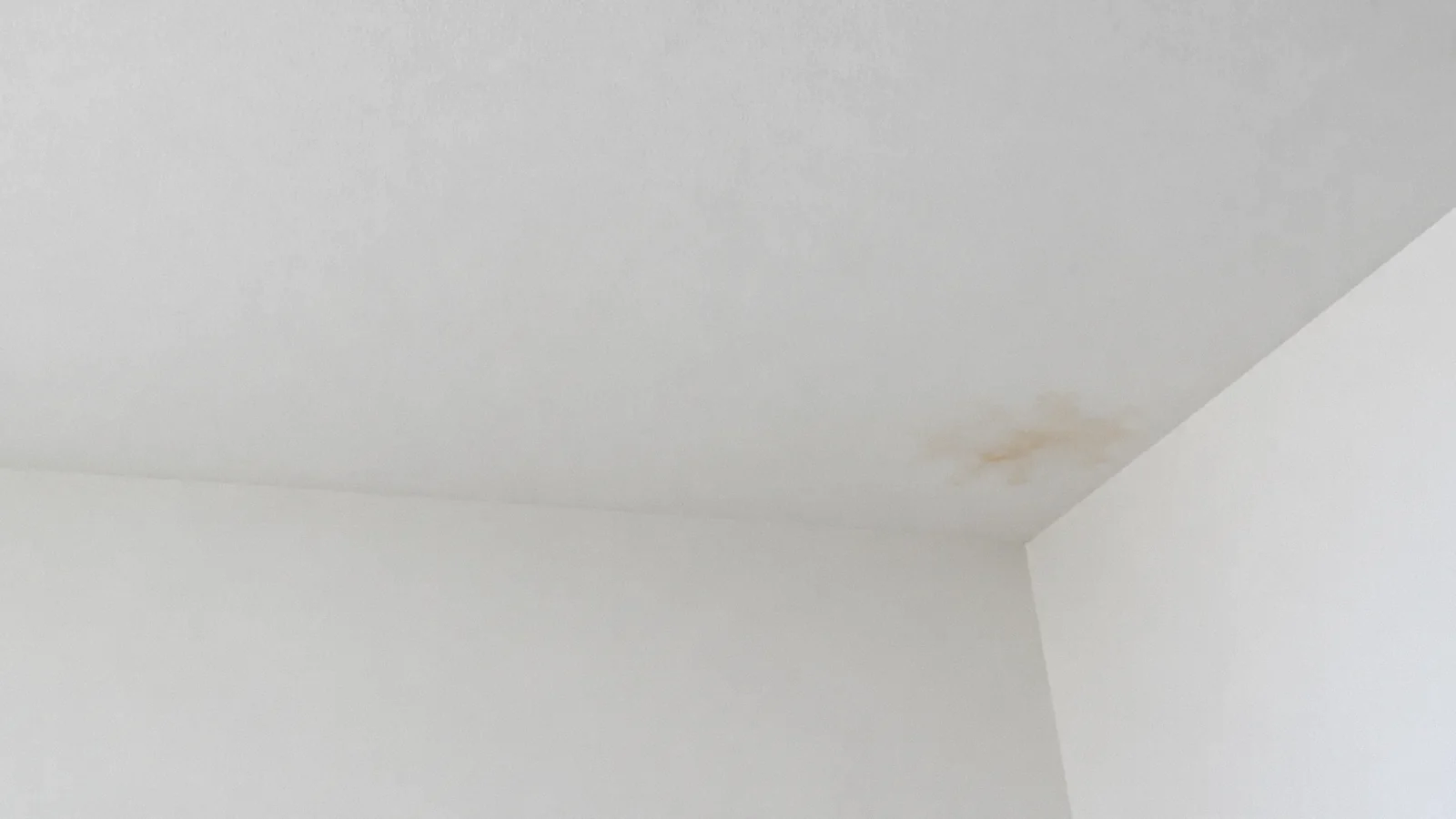
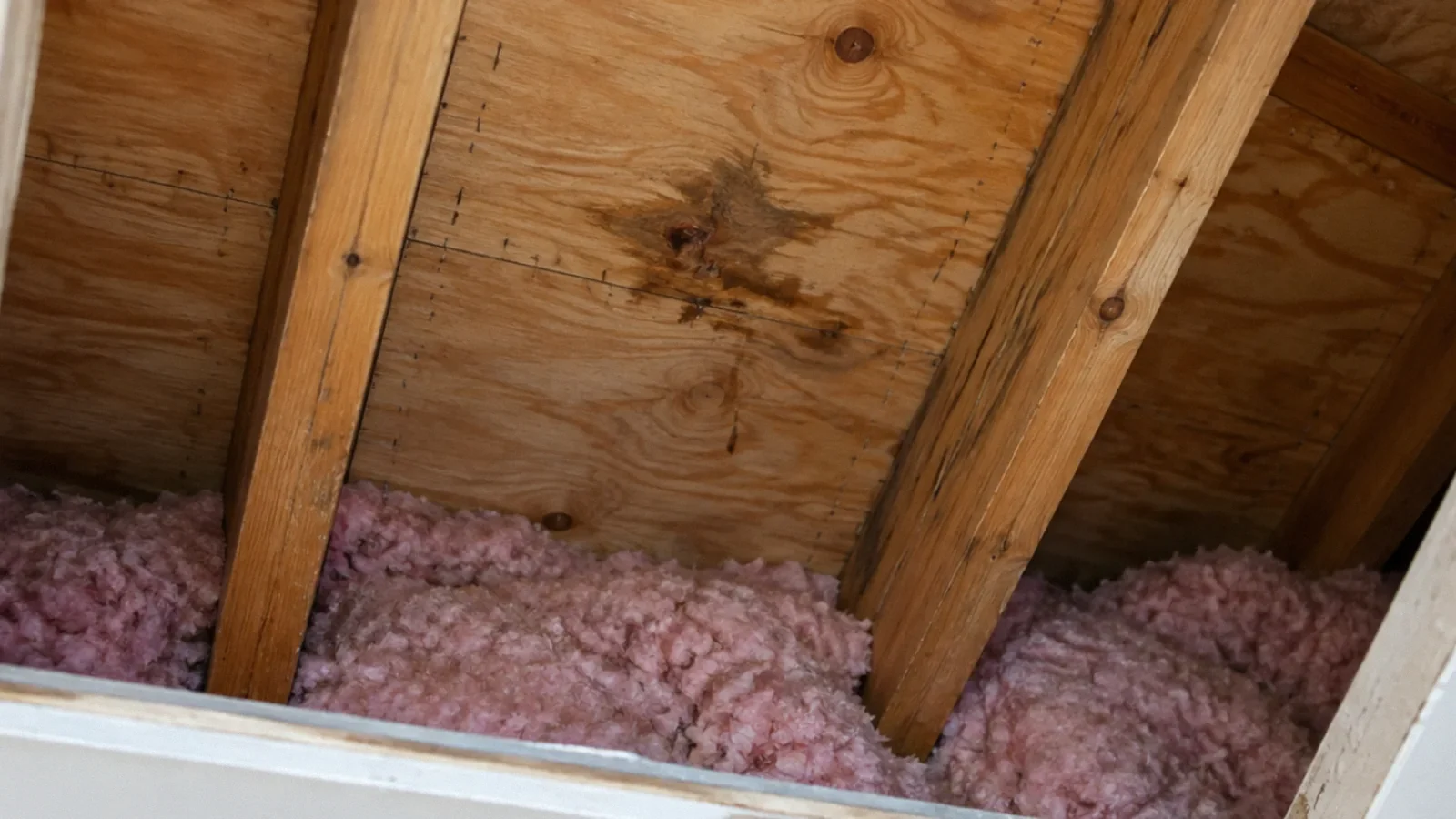
Water stains, damp insulation, a new ceiling bulge or daylight visible where it should not be can indicate a problem, but each has more than one possible cause. Water can travel along the roof assembly before appearing indoors. A stain alone does not locate a leak.
Keep clear of a sagging ceiling and water near electrical fixtures. Document what can be seen safely and arrange an assessment. A roofer may need to coordinate with another professional to address wet insulation, wall cavities or damaged electrical components.
Warranty versus expected life
A product warranty is a contract with terms, limitations and exclusions; it is not a promise that the entire roof will function for the same number of years. Workmanship, accessory components, transfer rules and maintenance obligations can be covered differently.
Keep the installation contract, product information, warranty and maintenance records. Before replacing a roof for a suspected defect, ask how a claim is made and what documentation is required. An insurer’s coverage decision is separate and depends on the policy and cause of loss.
Repair, replacement and upkeep
Request a written assessment identifying the roof material, observed defects, inaccessible areas and proposed work. Ask whether a local repair is suitable, what it includes and how the contractor will address flashing, ventilation and water damage. Compare complete scopes rather than only a quoted price.
Maintain gutters and remove debris only when it can be done safely. Schedule professional inspections appropriate to the roof and local conditions. Keep records of leaks, storm events and repairs so future decisions are based on the history of the assembly as well as its age.
Comparing lifespan estimates
The EPA background document's 15–35-year asphalt estimate depends on climate; the Metal Roofing Alliance's 30–50 years or more is an industry estimate for metal systems. They describe broad populations, not equivalent laboratory tests or promises for an individual installation. A durable covering can outlast flashing or underlayment, and corrosion, wind and installation details can shorten service.
Tile, slate and wood vary substantially by product and exposure. Their weight, support, slope and replacement parts matter as well as service life; request product-specific evidence and a written system scope before selecting a material. A long warranty and a roof described as lifetime do not remove maintenance or guarantee that every component lasts for the same period.
Your next-step checklist
- Find the installation date and roofing material.
- Observe leaks and damage from a safe location.
- Arrange qualified inspection after concerning changes.
- Compare repair and replacement scopes.
- Keep contracts, warranties and maintenance records.
Related questions
How long does an asphalt shingle roof last?
An EPA background document gives a broad estimate of 15–35 years, depending on climate. Product, installation and conditions can change the actual life.
How long does a metal roof last?
Industry guidance describes some metal roofs lasting 30–50 years or longer, but the complete assembly and environment determine actual performance.
Does a 20-year-old roof always need replacement?
No. Age is one factor; inspect the particular roof, flashing, history and condition before deciding.
Does a lifetime warranty mean the roof will last forever?
No. A warranty is subject to its terms and exclusions and is not a guarantee of the life of every component.
How long do asphalt shingles last?
An EPA background document gives a broad 15–35 year estimate depending on climate; the condition and complete roof system matter.
What affects roofing durability?
Material, installation, local weather, maintenance and the complete roof assembly affect service life. A material label or national average cannot predict the condition of a particular roof.
Sources & context
Public guidance supports the principles in this article. The practical questions and examples are editorial interpretation, not a site assessment or a coverage decision. State-specific rules apply only where identified.
- U.S. EPA: Background document on roofing materialsfederal background document
- Metal Roofing Alliance: Frequently asked questionsindustry guidance
- U.S. EPA: Mold and moisture preventionfederal guidance