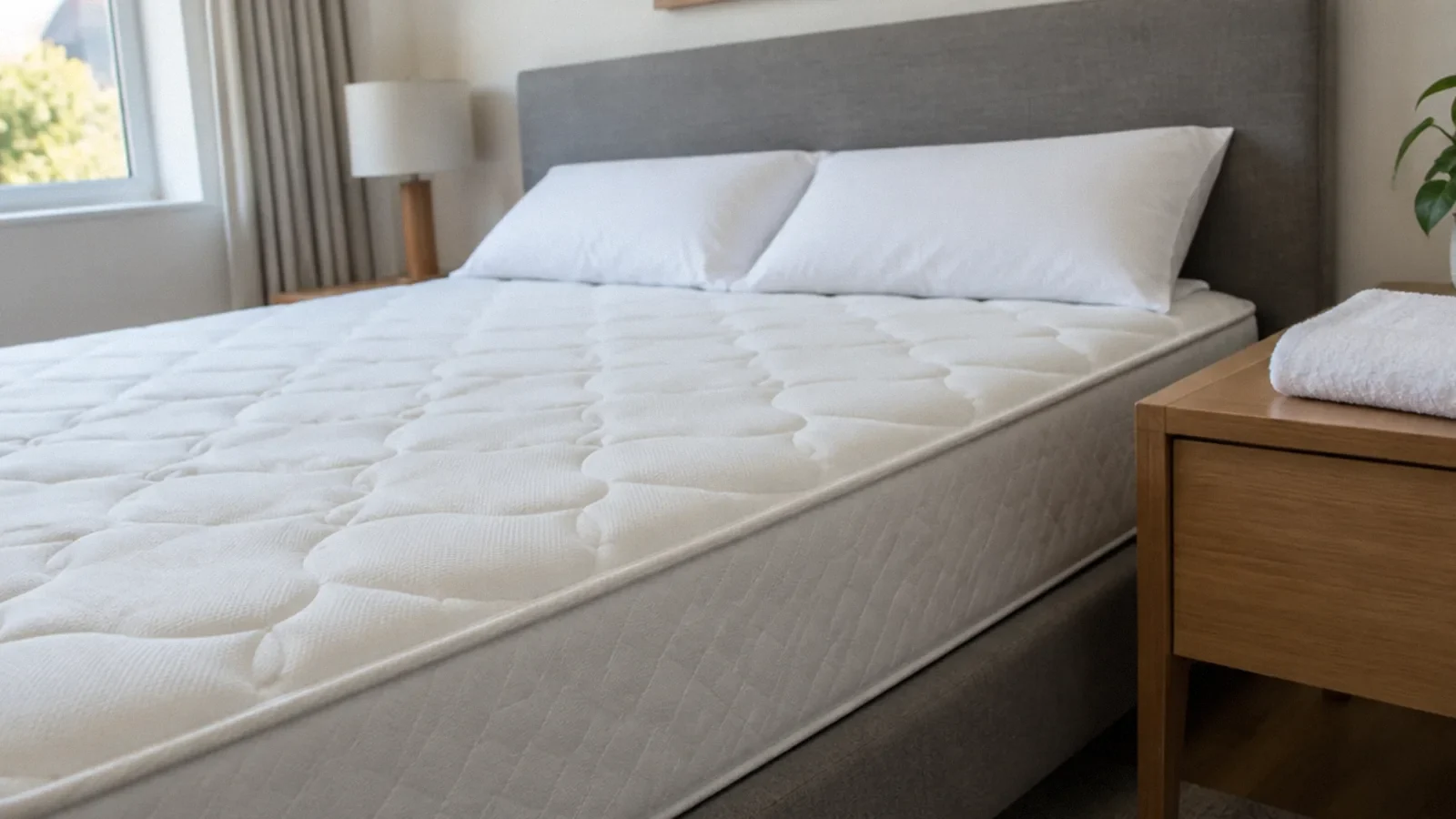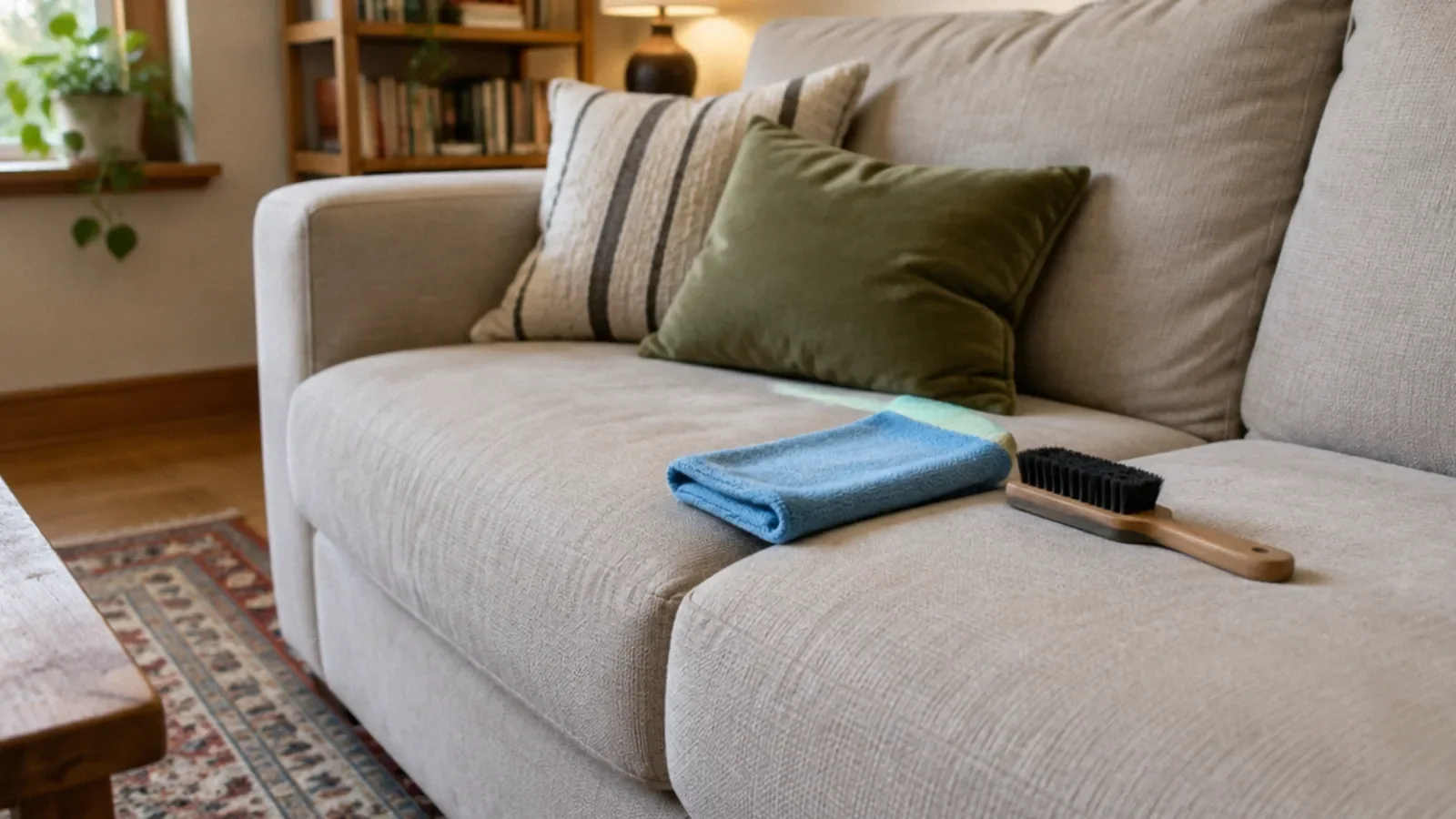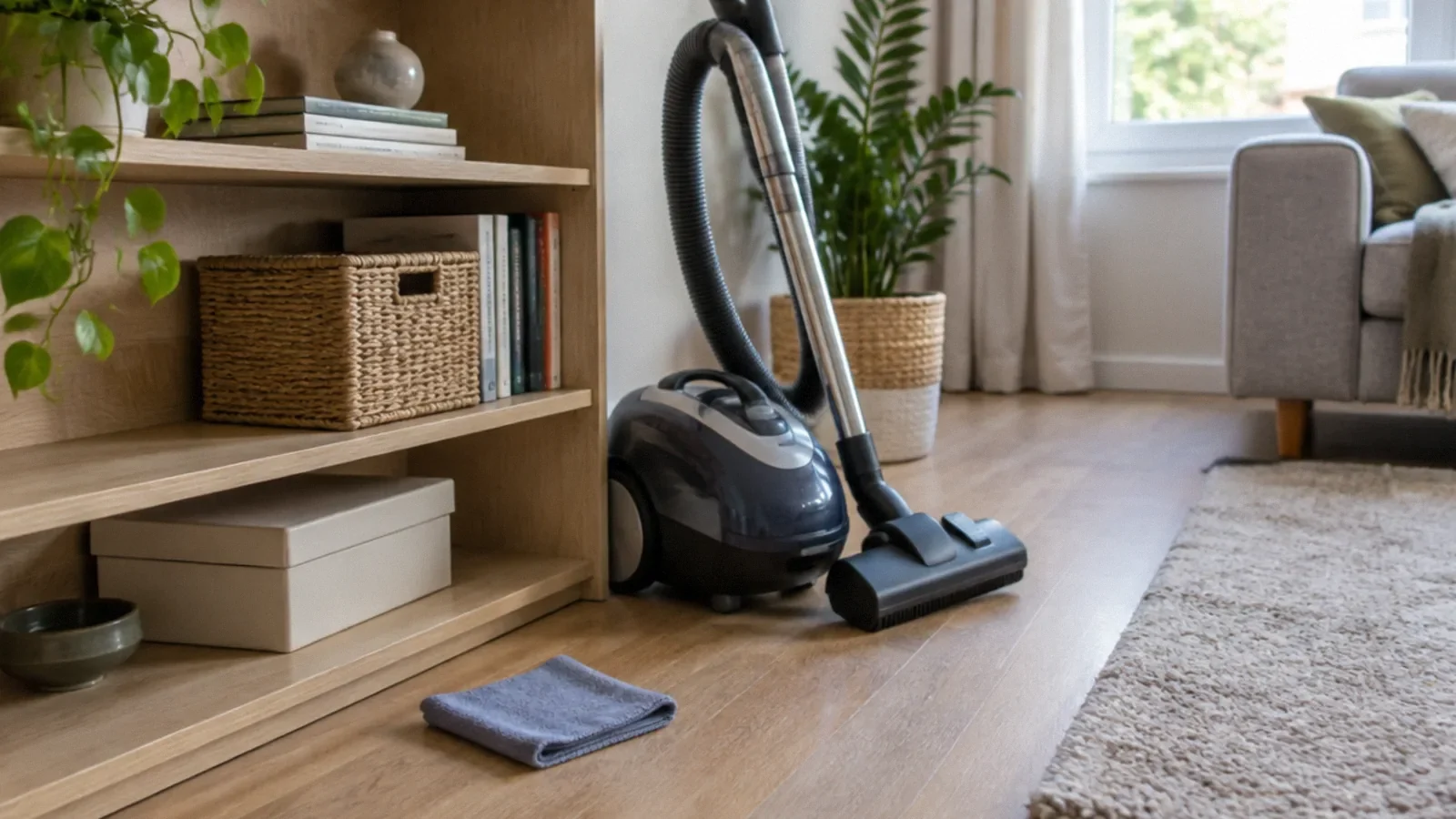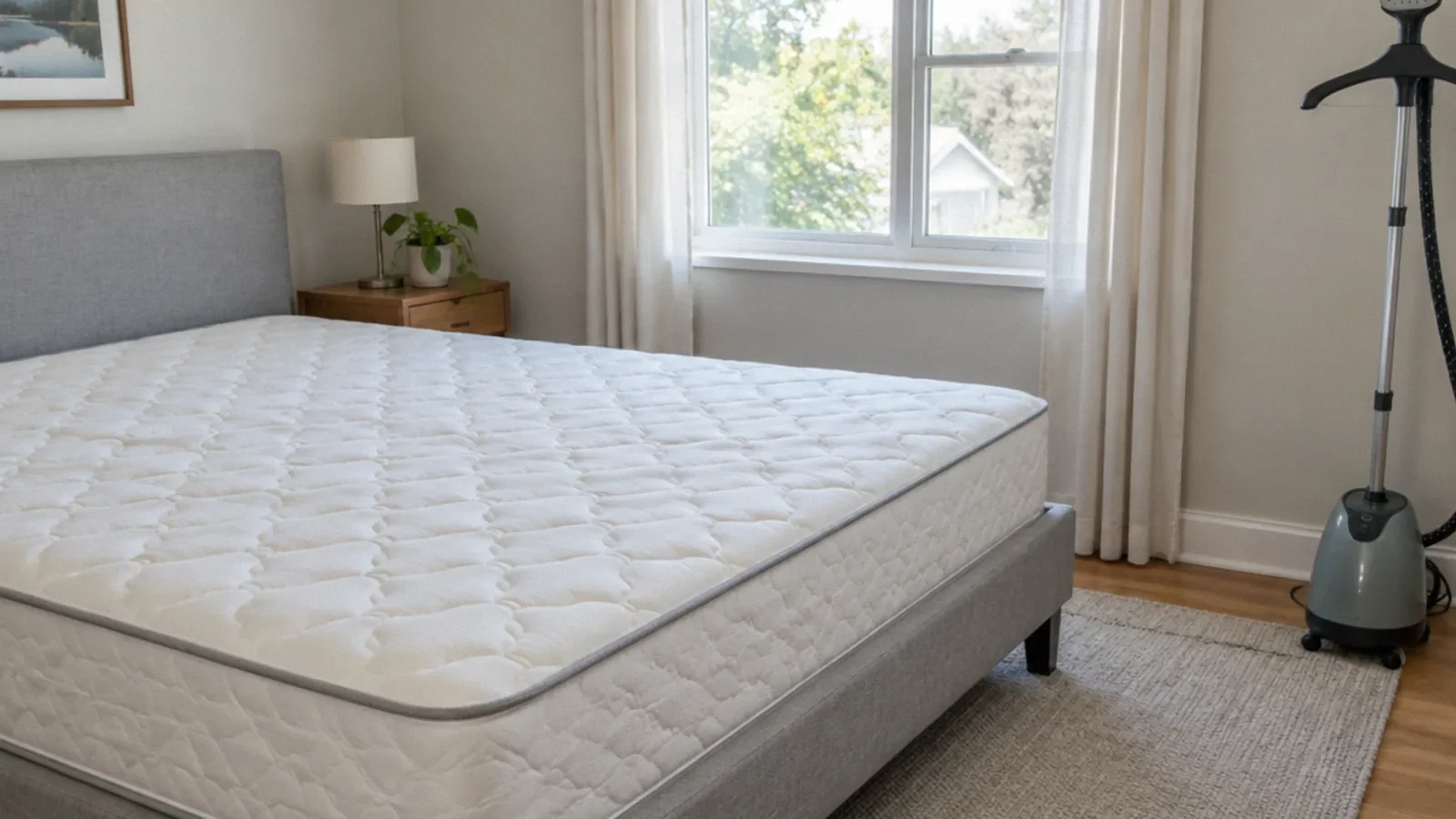
Steam cleaning is not suitable for every mattress. Check the manufacturer’s instructions for the exact model before adding heat or moisture; some manufacturers advise against using liquids at all. A steam treatment can leave moisture inside porous layers, and a visible surface result does not prove the interior is clean or disinfected.
Start with the manufacturer’s instructions
Mattress covers, foam, padding and adhesives vary. Find the care label or the maker’s model-specific documentation before using a steamer or extraction machine. Sealy notes that most mattresses are not waterproof and advises against liquids when cleaning. Another maker may specify a different procedure for its own products.
A steamer manufacturer’s claim that its machine works on upholstery does not override the mattress maker’s instructions. If the label is missing or the procedure is unclear, ask the manufacturer or a qualified mattress cleaner before proceeding.
Why steam can be a problem
Steam introduces heat and moisture. The amount reaching the cover and interior depends on the device, technique and material; water may remain in foam or padding after the surface feels dry. Excess heat or moisture can affect fabric, adhesives or the mattress warranty.
Do not treat a mattress in place if moisture could reach electrical equipment or the bed frame is unsafe. Avoid adding heat to a wet item in an attempt to force it dry. If the manufacturer does not approve a method, choose an allowed alternative.
What steam does and does not establish
Steam can be used in some cleaning and disinfection contexts, but effectiveness depends on the surface, equipment, temperature, contact and instructions. A household pass over a porous mattress does not establish that all organisms, allergens or contamination inside the mattress have been removed.
CDC’s guidance for healthcare and specific infectious conditions concerns particular settings and materials. Do not transfer those procedures blindly to a household bed or promise sterilization. For a health-related contamination concern, ask a healthcare professional or a trained provider.
Routine mattress care
Remove and launder bedding and any washable protector according to their labels. If the mattress maker permits it, lightly vacuum the surface with a clean upholstery attachment. Use an appropriate setting and avoid damaging seams, labels or a removable cover.
A mattress protector can reduce future soiling when used as directed. Follow manufacturer instructions for rotation, support and ventilation. Dust removal may improve cleanliness, but it does not address deep liquid contamination or guarantee an allergen-free mattress.
Spills, urine and stains
Blot a fresh spill with a dry absorbent towel and consult the care guide before adding any solution. Do not soak the mattress. For urine, avoid chlorine bleach and never mix chemicals; CDC cautions against chlorine-based disinfectants on urine spills in its environmental-cleaning guidance.
If odor returns or liquid has reached the filling, a stain on the surface may not represent the full extent. A heavily soaked mattress can be difficult to dry and assess. Consider an experienced evaluation or replacement when it cannot be cleaned and dried safely.
Foam, pillow tops and delicate covers
Memory foam, layered pillow tops and mattresses with special covers can respond differently to heat and water. Do not assume that one setting works across models. A removable zippered cover is not necessarily machine washable or compatible with steam.
Ask the maker about the exact construction and warranty. If a professional proposes steam or another wet method, request confirmation that it is suitable for your mattress, including how moisture will be managed and what limitations apply.
What to ask a cleaning service
Describe the mattress model, type of soil, age of any spill and products already used. Ask which method and products are proposed, whether the maker permits them, how drying will be verified and when the mattress can be used again. Obtain the scope and total price in writing.
Be cautious of a guarantee that one treatment eliminates every contaminant or makes a mattress sterile. Ask what happens if the cleaner finds deep moisture, visible growth or a stain that cannot be removed. Replacement may be more appropriate for heavily contaminated material.
After care and prevention
Do not make the bed or sleep on a damp mattress. Follow the manufacturer’s drying instructions and use an alternative sleeping surface until the mattress is fully dry. Persistent wetness or musty odor calls for further assessment rather than fragrance.
Keep bedding clean, address leaks promptly and use a suitable protective cover if the maker recommends it. For suspected mold or sewage contamination, avoid disturbing the material and seek experienced help. Routine maintenance cannot reverse damage that remains inside the filling.
How to deep clean a mattress
Start with the manufacturer’s care instructions. Remove and launder bedding as directed, then use a suitable clean upholstery attachment on the dry surface if the maker permits it. Check seams and the bed base without forcing liquid into the mattress.
Treat a small spot only with a product approved for the mattress after testing it as directed. Avoid saturation and let the entire item dry before replacing bedding. An odor or stain that reached deep layers, sewage exposure or suspected mold may require professional assessment or replacement.
Choosing a cleaning service for your mattress
Ask a mattress or upholstery cleaning provider for its proposed method for the exact mattress construction, the expected moisture level, drying plan, exclusions and what the quoted service includes. Low-moisture cleaning describes the amount of liquid used; dry cleaning may refer to a solvent-based process and does not automatically mean that it is safe for every foam or cover. Verify the care label and manufacturer instructions.
If the manufacturer expressly permits a method, follow the model-specific directions, test an inconspicuous area if instructed, use only the specified amount of product and allow the mattress to dry thoroughly before replacing bedding. Do not assume that a surface that feels dry proves the interior is dry. If steam or a chemical is prohibited or the instructions are unclear, choose another approved method or consult the maker. For a damp, mold-affected mattress or an estimate comparison, see the dedicated mold on mattress and professional mattress cleaning cost guides.
Your next-step checklist
- Read the mattress maker’s model-specific instructions.
- Do not assume steam is safe for foam, adhesives or covers.
- Use only approved routine cleaning methods.
- Do not sleep on a damp mattress.
- Seek specialist advice for extensive contamination.
Related questions
Can every mattress be steam cleaned?
No. Materials and manufacturer instructions differ, and some makers advise against adding liquids.
Does steam sterilize the inside of a mattress?
A household steam pass does not establish that porous interior layers are sterile or free of all contaminants.
Can I steam clean a urine stain?
Only consider a method expressly permitted by the mattress maker. Avoid adding excess moisture and seek advice for a soaked mattress.
What if the mattress is still damp?
Do not replace the bedding or sleep on it until it is fully dry. Persistent wetness warrants further assessment.
Can a mattress be dry cleaned?
The appropriate process depends on the mattress materials and manufacturer’s instructions. Ask a specialist what “dry cleaning” means for the specific product, what chemicals or moisture are used and how drying is verified.
Can a professional clean a memory-foam mattress?
Only a method approved for the specific mattress should be used. Foam can retain moisture, so ask the manufacturer and cleaning provider about compatibility, drying and limitations before treatment.
Sources & context
Public guidance supports the principles in this article. The practical questions and examples are editorial interpretation, not a site assessment or a coverage decision. State-specific rules apply only where identified.
- CDC: Cleaning and disinfecting soft surfacespublic health guidance
- CDC: Environmental cleaning procedureshealthcare guidance
- Tempur-Pedic: Product caremanufacturer guidance
- Tempur-Pedic: Mattress cover caremanufacturer guidance