Clean the lint filter before and after each load, check that the outdoor vent opens while the dryer runs, and arrange cleaning of the exhaust path when lint or restricted airflow is suspected. Follow the dryer manufacturer’s instructions; call a qualified professional for inaccessible ducts, a gas connection or uncertainty about safe access.
Lint filter and vent: different parts
The removable lint filter catches some fibers from each load. The exhaust duct carries warm, moist air from the dryer to an outdoor termination. Lint can accumulate beyond the filter, especially where the duct is long, crushed or has many bends. Cleaning the filter is essential but does not by itself clean the entire exhaust path.
The U.S. Fire Administration advises cleaning the lint filter before and after each cycle and checking that the outdoor vent covering opens when the dryer is operating. Never operate a dryer without its lint filter. Follow the instructions for your particular appliance and installation.
Signs that the exhaust may be restricted
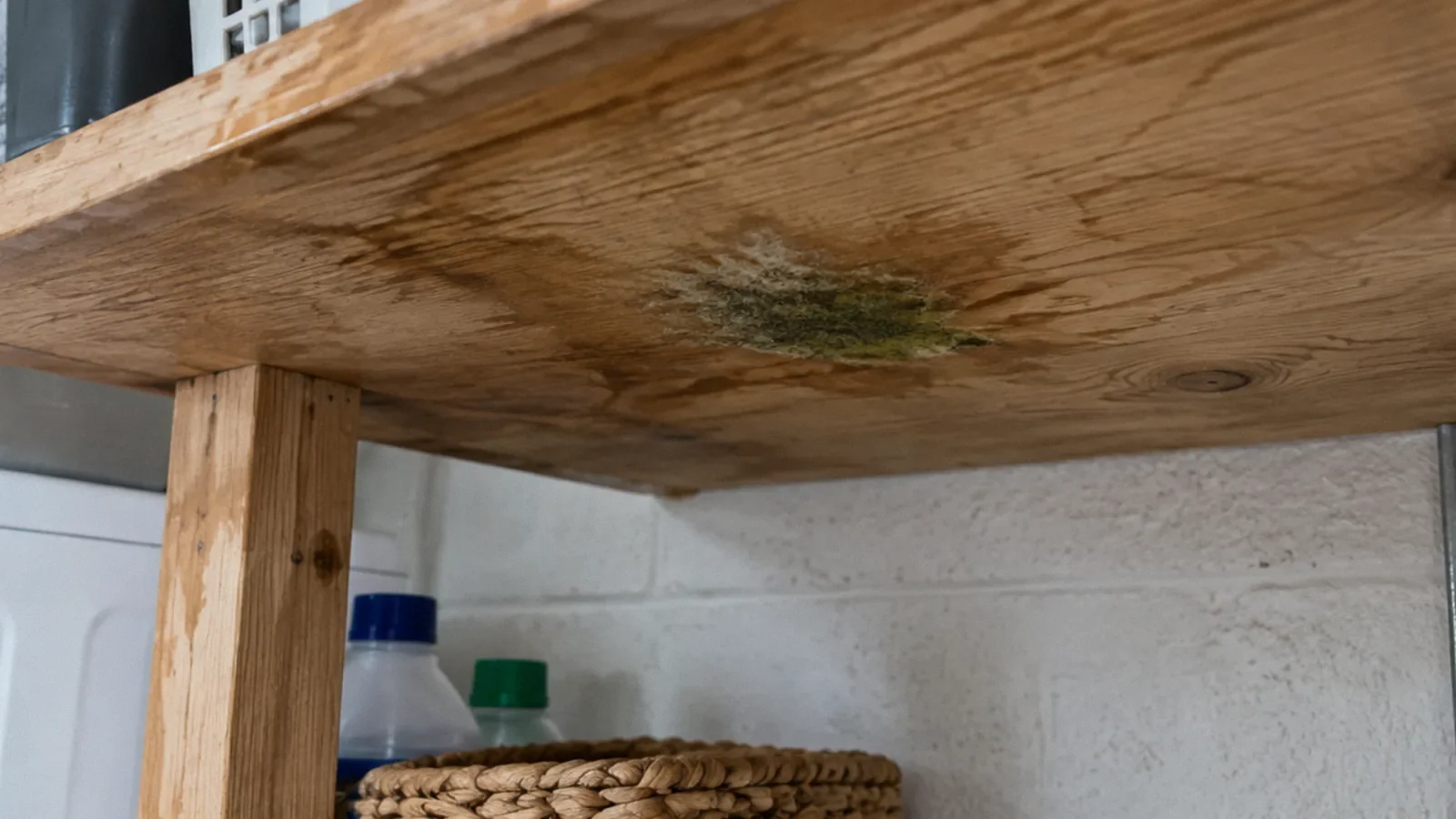
Clothes taking longer than usual to dry, a dryer or laundry room becoming unusually hot, a musty smell or little airflow at the outside outlet can prompt an inspection. These signs can also have other causes, so they do not identify a blockage or its location by themselves.
Stop using the dryer and seek prompt service if you notice a burning smell, smoke or signs of overheating. If there is an active fire or immediate danger, leave the area and call emergency services. Do not keep running the appliance to see whether the condition improves.
Before attempting accessible cleaning
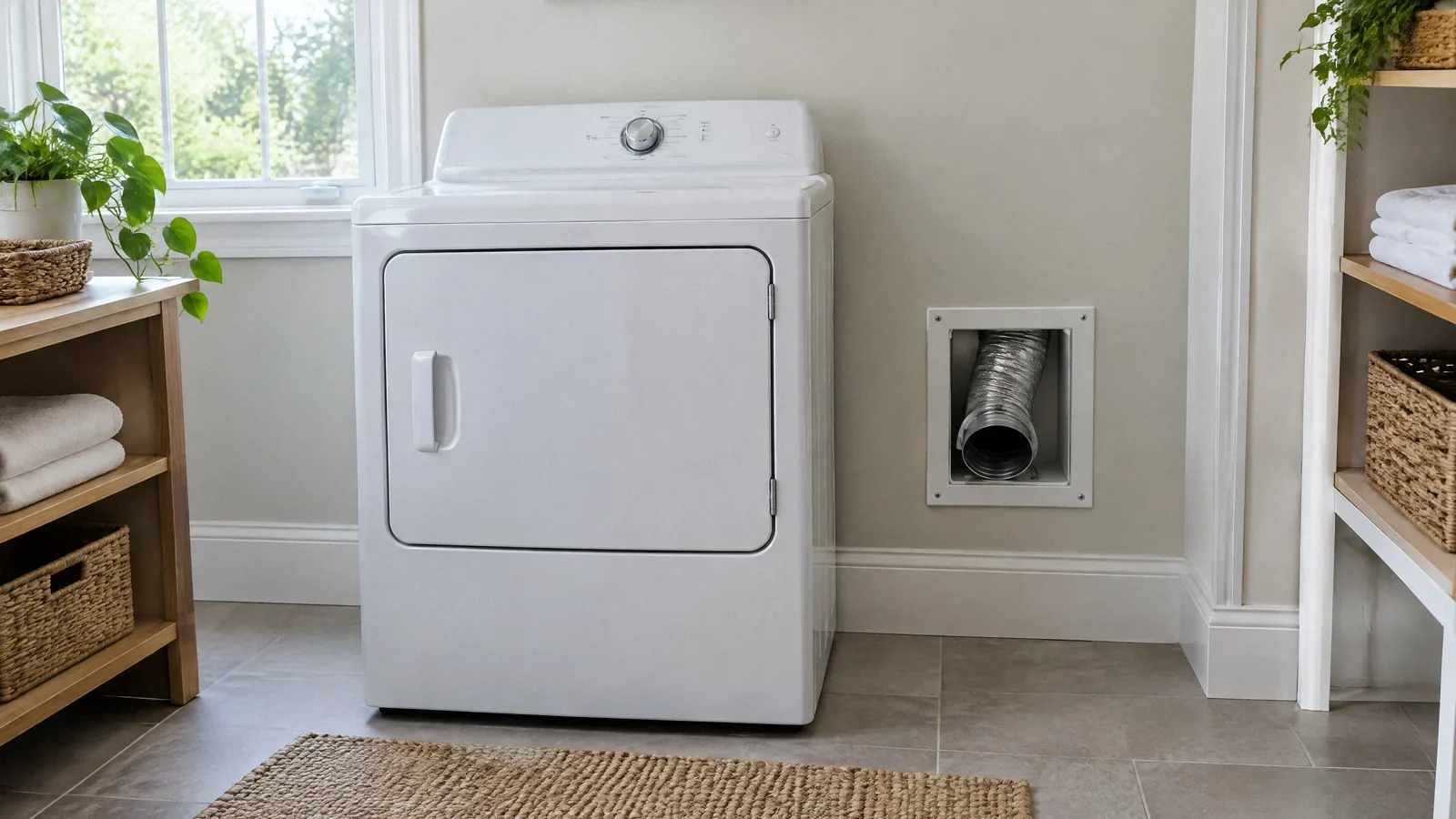
Read the owner’s instructions and understand the route from the dryer to the outside. Shut off and unplug the dryer before cleaning around or disconnecting components, following the manufacturer’s instructions. Do not pull hard on a short power cord, gas line or duct. Ask for assistance if the appliance cannot be moved safely.
A gas dryer requires special care around the fuel connection. Do not disconnect or alter a gas line as part of routine vent cleaning; use a qualified service professional when access requires that work. If you smell gas, leave the area and contact the gas utility or emergency services from a safe location.
Clean accessible surfaces
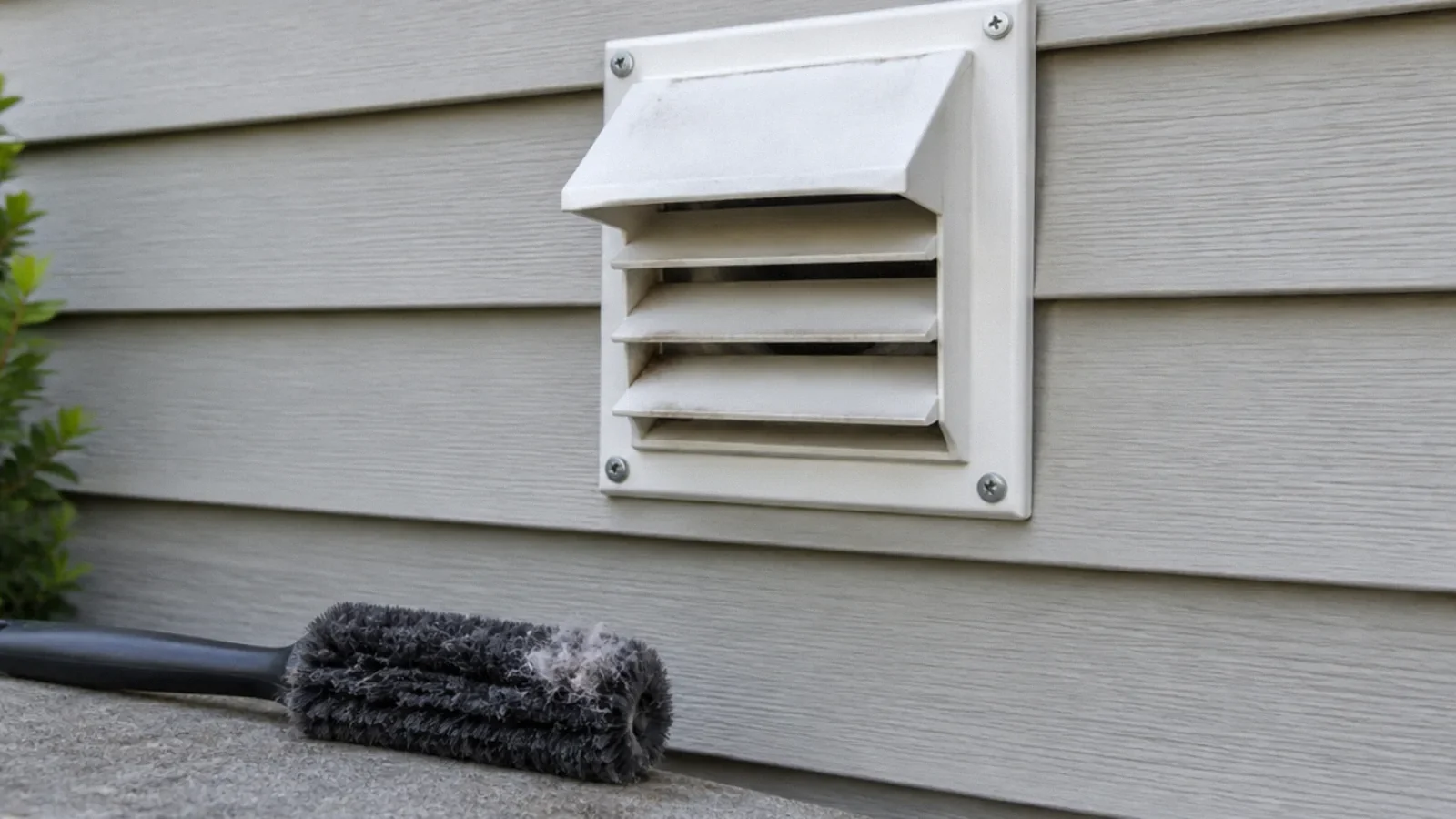
Remove visible lint from the lint filter and its accessible housing as the manufacturer permits. Vacuum around the appliance and behind it where safe to reach. A brush made for dryer ducts may help with an accessible duct section, but use only tools and procedures compatible with the vent and appliance.
Avoid forcing a brush through a fragile or damaged duct. A brush that becomes stuck, a hidden disconnection or a crushed section needs professional attention. Do not push accumulated debris deeper into a long duct. Bag removed lint and keep it away from heat sources.
Check the outside termination
Locate where the dryer vents outdoors. Remove lint from an accessible outlet with the dryer off and follow the cover manufacturer’s instructions. Check that the cover is intact and can open freely. Do not remove safety features or add a screen that can trap lint unless the installation instructions and applicable requirements call for it.
After reassembly, a person can observe from a safe position whether the exterior flap opens during normal operation. Weak airflow after cleaning an accessible section may indicate a remaining restriction, a disconnected duct or an appliance issue. It does not prove that the entire duct is clear.
Reassemble and check the duct
Reconnect any section you were authorized and able to remove according to the appliance and duct manufacturer’s instructions. Make sure the duct is not crushed behind the dryer and that connections are secure. Do not substitute unsuitable materials or fasteners that project into the duct and trap lint.
If the duct cannot be reconnected correctly, the dryer should remain out of service until it is repaired. Do not vent an ordinary clothes dryer into a wall cavity, attic or living space. The appropriate installation depends on the appliance, the approved duct and local requirements.
How often should it be cleaned?
Clean the lint filter for every load and inspect the accessible vent system regularly. The needed interval for full duct cleaning depends on use, duct length, configuration, appliance condition and manufacturer guidance. Frequent loads, pets or a long run may produce lint faster than a short, lightly used installation.
A calendar reminder can help schedule inspection, but a fixed interval is not a substitute for responding to poor airflow or overheating. Ask the service provider what was found, how much of the line was reached and whether a follow-up interval is justified by the actual condition.
When to hire a professional
Consider experienced help for a long or concealed duct, inaccessible roof termination, repeated restrictions, damaged ducting or a gas dryer that cannot be moved without disturbing its supply. Ask how the contractor will reach the full run, protect the duct and verify the result.
Request an estimate that describes cleaning, access, reassembly and any repairs. Before approving replacement, ask what is damaged and why the proposed material and route are suitable. Keep the service record and appliance instructions together for the next inspection.
How long a cleaning appointment takes
There is no reliable universal service time. Duct length, bends, access, the amount of lint and whether repairs or additional inspection are needed all affect the appointment. Ask the provider what is included, which sections will be reached and whether difficult access could change the estimate. A quick visit alone does not prove that the entire duct was cleaned.
Your next-step checklist
- Clean the lint filter before and after each cycle.
- Stop using the dryer if it smokes, smells burned or overheats.
- Follow manufacturer instructions and do not disturb a gas connection.
- Check for a crushed duct and an obstructed outdoor flap.
- Use a qualified professional for inaccessible or uncertain work.
Related questions
Can I clean a dryer vent from outside?
An accessible exterior outlet may be cleaned from outside, but that does not prove the full duct is clear. Follow the appliance instructions and use professional help for inaccessible sections.
How often should a dryer vent be cleaned?
The interval depends on use, the duct and manufacturer guidance. Clean the lint filter each load and investigate reduced airflow or overheating promptly.
Can I clean a vent without moving the dryer?
You may be able to clean accessible parts, but you cannot assume hidden sections are clear. Do not pull or strain the power cord, gas line or duct.
Who cleans dryer vents?
An experienced dryer-vent or appliance service professional can assess the system. Ask whether the estimate includes the entire accessible run and reassembly.
Can lint in a dryer filter cause a fire?
Lint buildup increases fire risk. The U.S. Fire Administration recommends using a lint filter and cleaning it before and after each cycle, as well as maintaining the vent system.
Sources & context
Public guidance supports the principles in this article. The practical questions and examples are editorial interpretation, not a site assessment or a coverage decision. State-specific rules apply only where identified.
- U.S. Fire Administration: Clothes dryer fire safetyfire safety guidance
- U.S. Fire Administration: Clothes dryer firesfire safety research
- Angi: Dryer vent cleaning cost, October 2026marketplace cost dataset
- Angi: Dryer vent cleaning in San Francisco, July 2026marketplace local cost estimate
- U.S. Fire Administration: Clothes dryer fire safetyfederal fire safety guidance
- U.S. Fire Administration: Clothes dryer fire safetyfederal safety guidance
- U.S. Fire Administration: Appliance fire safetyreference