Separate damp or visibly affected items, identify why they became wet and check the fabric care label. Some washable items may be cleaned and dried; heavy contamination, floodwater exposure or a delicate item may require professional advice or disposal. A fragrance alone does not fix the moisture source.
Determine why the clothes smell
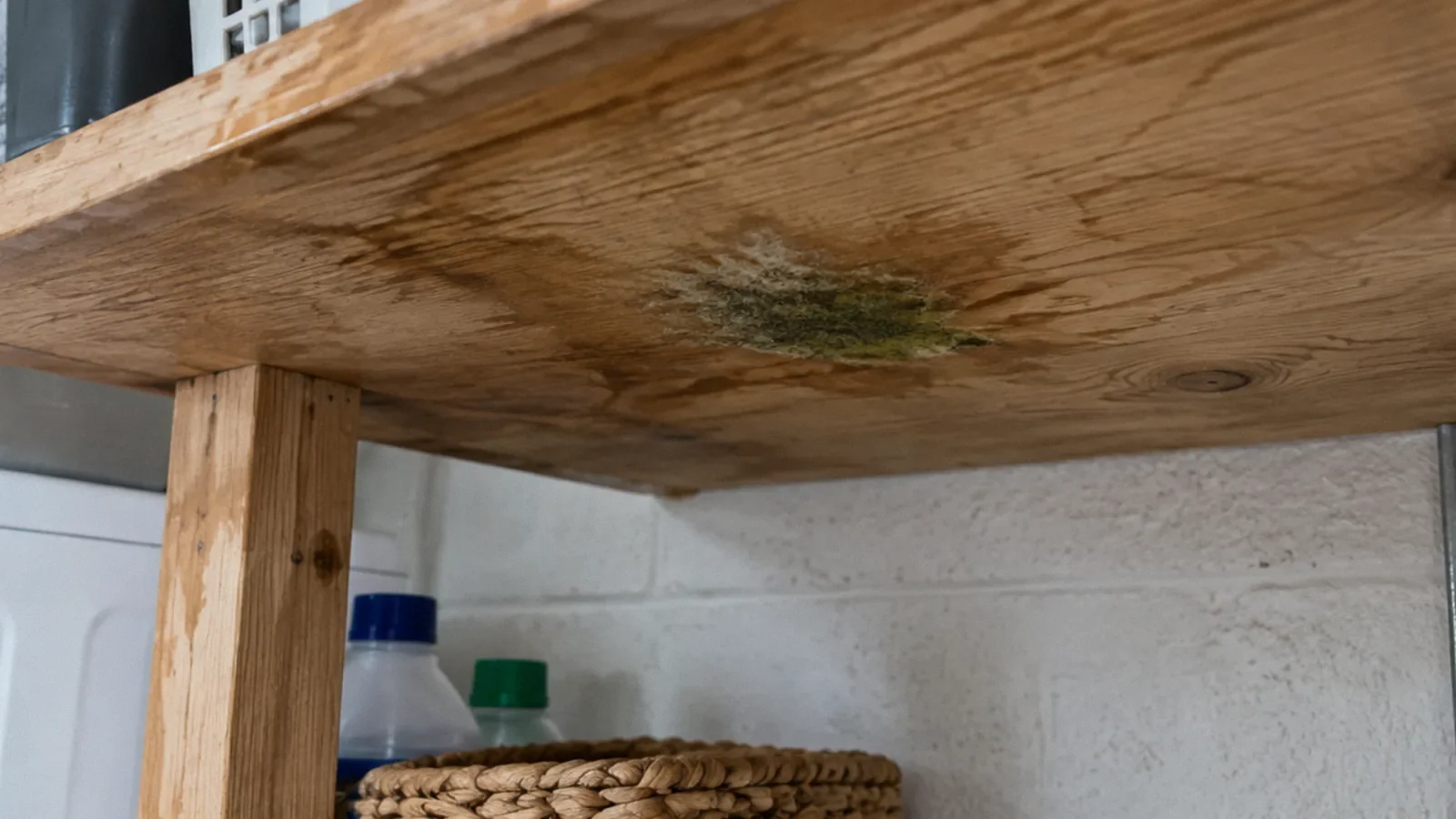
A musty odor can follow laundry left damp, a wet closet, a leaking appliance or another moisture problem. Odor alone does not identify a species or show the full extent of contamination. Inspect the surrounding area from a safe location and address any leak or persistent dampness.
Do not put damp items back into a damp cabinet. If the washer, wall or flooring is wet, have the source assessed. A problem that returns after washing may involve the machine or storage conditions as well as the clothes.
Protect vulnerable people
CDC advises that people with allergies, asthma, chronic lung disease or immune suppression should not take part in mold cleanup. For a heavily affected area, floodwater contamination or an uncertain hazard, seek appropriate professional help instead of shaking out contaminated clothing indoors.
Keep affected items separate from clean laundry and avoid spreading visible residue. Wear appropriate protection for the task and wash hands afterward. A healthcare professional can advise an individual who has symptoms or particular health risks; a clothing stain cannot diagnose an illness.
Check the fabric and extent
Read the care label before washing. A washable cotton garment, leather item and dry-clean-only coat need different handling. A small musty load left in a washer overnight is different from clothing saturated with sewage or long-term mold growth.
Delicate, valuable or heavily affected items may need a textile professional. Some porous items may not be adequately cleaned and dried and may need to be discarded. Do not assume every item is salvageable or that every dark spot is mold.
Wash appropriate washable items
Use safe water and follow the garment label and detergent instructions. CDC guidance for flood-affected textiles recommends checking care labels and washing washable items with detergent and suitable water when possible, or using a professional cleaner. Floodwater or sewage contamination can require additional precautions.
Do not mix bleach with ammonia, acids or another cleaner. If a laundry product is used, follow its label and the fabric’s limits. Avoid overloading the machine, and do not promise that one wash disinfects every item or removes every stain.
Dry before storage
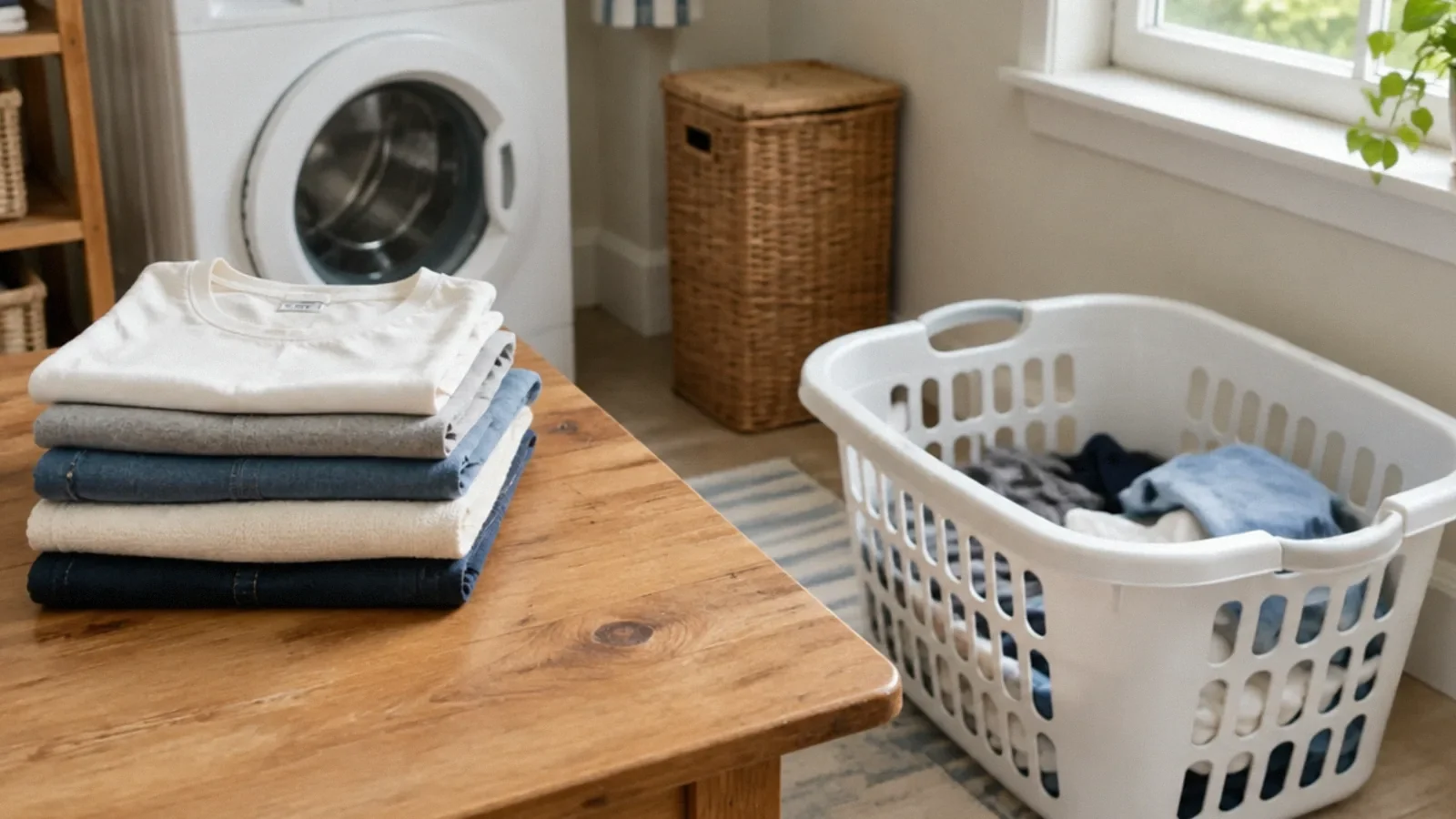
Dry items completely according to their care labels before folding or storing them. Leaving wet laundry in a closed machine or basket can allow odors to return. A dryer, air-drying area or professional service must be appropriate for the fabric and local conditions.
Check the storage area for leaks or condensation and allow adequate airflow. If an item remains musty after appropriate cleaning and drying, reassess the item and environment rather than adding fragrance repeatedly. A persistent stain may be permanent even after cleaning.
When the washing machine smells moldy
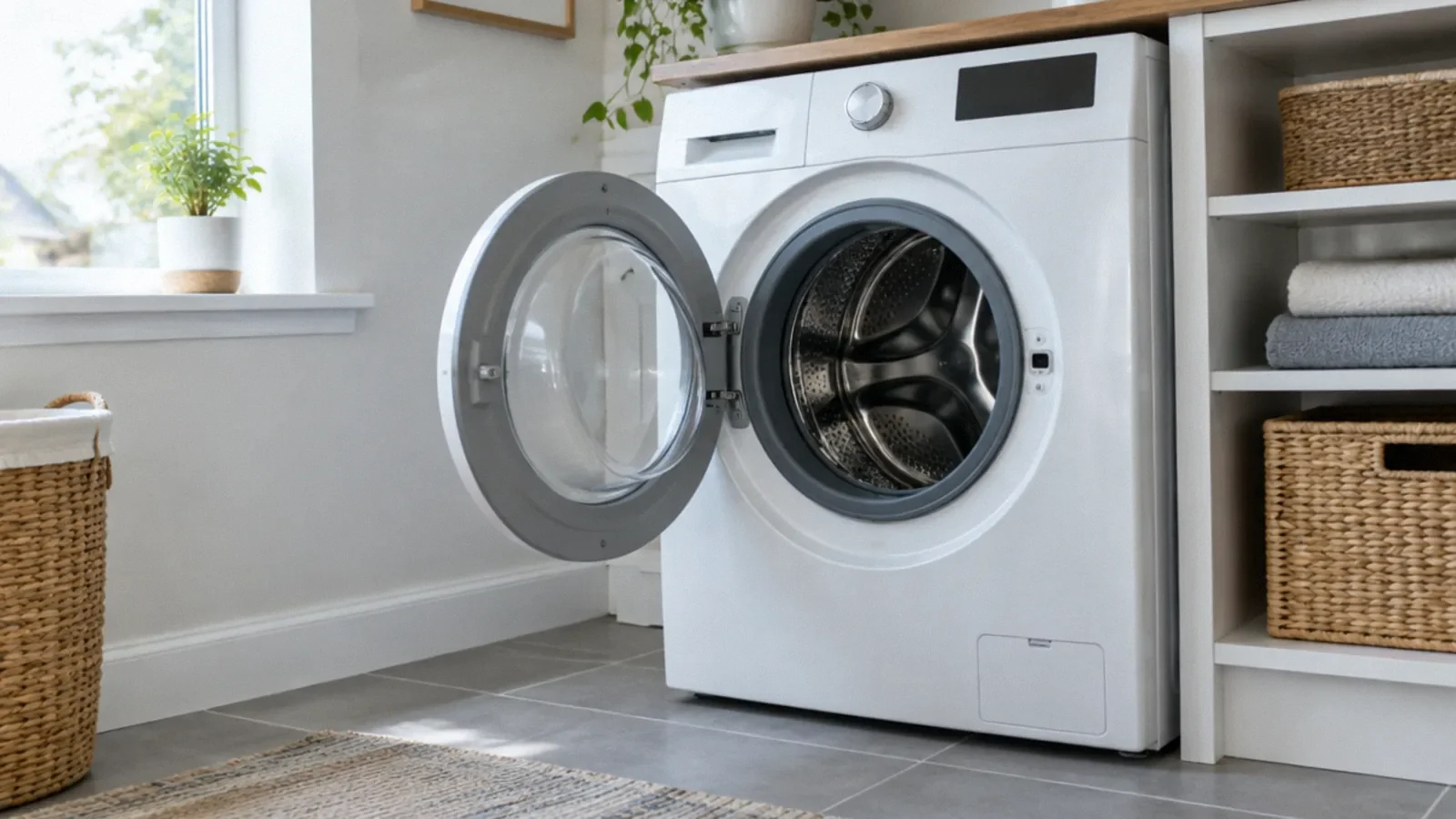
A front-load door gasket, detergent drawer or other component can retain moisture and residue. Follow the appliance maker’s cleaning-cycle and maintenance instructions, and clean only accessible parts as directed. Avoid forcing a gasket or opening electrical components.
If the machine or laundry area was flooded, do not use an electrically damaged appliance. A qualified technician can assess it before power is restored. Cleaning clothes in a machine with an unresolved moisture problem may allow odor or residue to return.
Clothes exposed to floodwater or sewage
Floodwater can contain sewage or chemicals. CDC advises washing clothes contaminated by flood or sewage water in hot water and detergent before reuse, while the fabric label and the nature of contamination still affect whether an item can be safely handled or retained. Seek specialized advice for heavy or unknown contamination.
Keep children and pets away from contaminated items, use safe water and follow local cleanup guidance. Do not place chemical-soaked or unknown hazardous items into a household washer. If an item cannot be cleaned and dried appropriately, discuss disposal with the local authority or a specialist.
Prevent recurrence
Move finished laundry promptly, maintain the washer and dry the gasket or drawer if the manufacturer recommends it. Correct leaks, improve suitable ventilation and avoid storing clothing in an area that remains damp. Monitor the closet or wall if moisture has been a recurring problem.
Keep the appliance and garment instructions available. A clean fragrance does not prove that a moisture source or contamination has been addressed. Ask a professional to assess persistent dampness, hidden growth or a recurring appliance leak.
Mold or mildew on baby clothes and other fabric
Keep visibly affected fabric away from an infant while deciding what to do. Check the care label and the extent of contamination; launder only items the manufacturer says are washable, using suitable products and the label’s directions. Never mix bleach with other cleaners.
If growth or odor persists, the item cannot be thoroughly cleaned and dried, or it was contaminated by sewage or floodwater, ask an appropriate professional or discard it. A pediatrician can advise about a child’s symptoms; a fabric-cleaning method cannot establish a medical diagnosis.
Fabric types, growth and persistent marks
Mold spores can settle on clothing, but sustained moisture from wet laundry, condensation or a leak can allow growth. Visible spots after washing deserve a check of the garment, washer and storage area; a dark or black mark alone cannot identify a mold species. A stain can remain after cleaning, while recurring odor, fresh spotting or dampness calls for reassessment.
For washable polyester, follow its care label and test any compatible cleaning product on an inconspicuous area; dry completely without assuming one temperature is safe for every blend. Removable washable covers can be handled according to their labels. Fixed upholstery and soaked padding cannot be treated like a loose garment: consult an upholstery or restoration specialist, particularly for deep or extensive contamination.
Your next-step checklist
- Identify and correct the moisture source.
- Separate affected items and check care labels.
- Wash suitable items using safe water and product instructions.
- Dry completely and assess a recurring washer or storage issue.
Related questions
Can I wash moldy clothes?
Some washable items can be cleaned according to their care labels, but heavy, sewage or unknown contamination may require professional advice or disposal.
Why do clothes smell musty after washing?
Laundry left damp, washer residue or a damp storage area are possible causes. Check the machine and moisture source as well as the clothes.
Should I mix bleach with vinegar for moldy laundry?
No. Mixing bleach with an acid or ammonia can release dangerous gases.
Can I use a washer that was flooded?
Do not operate an electrically damaged appliance. Have it assessed and follow the manufacturer’s and public-health guidance first.
Will dry cleaning remove mold from clothing?
A specialist cleaner may be able to assess some garments, but results depend on material, contamination and care instructions. Tell the cleaner about suspected mold and moisture; dry cleaning should not be presented as a guarantee for every item.
Sources & context
Public guidance supports the principles in this article. The practical questions and examples are editorial interpretation, not a site assessment or a coverage decision. State-specific rules apply only where identified.
- CDC: Mold cleanup guidancefederal public health guidance
- CDC: Floodwater safetyfederal public health guidance
- CDC: Cleaning textiles after floodingfederal public health guidance
- Poison Control: Safe cleaningpoison center guidance
- CDC: Mold and moisturefederal public health guidance