A ceramic toilet can serve for decades, while seals and tank components often need attention sooner. There is no guaranteed service life for every fixture. A crack, persistent leak, recurring failure or an unavailable part can make replacement worth discussing with a plumber.
The bowl and parts age differently
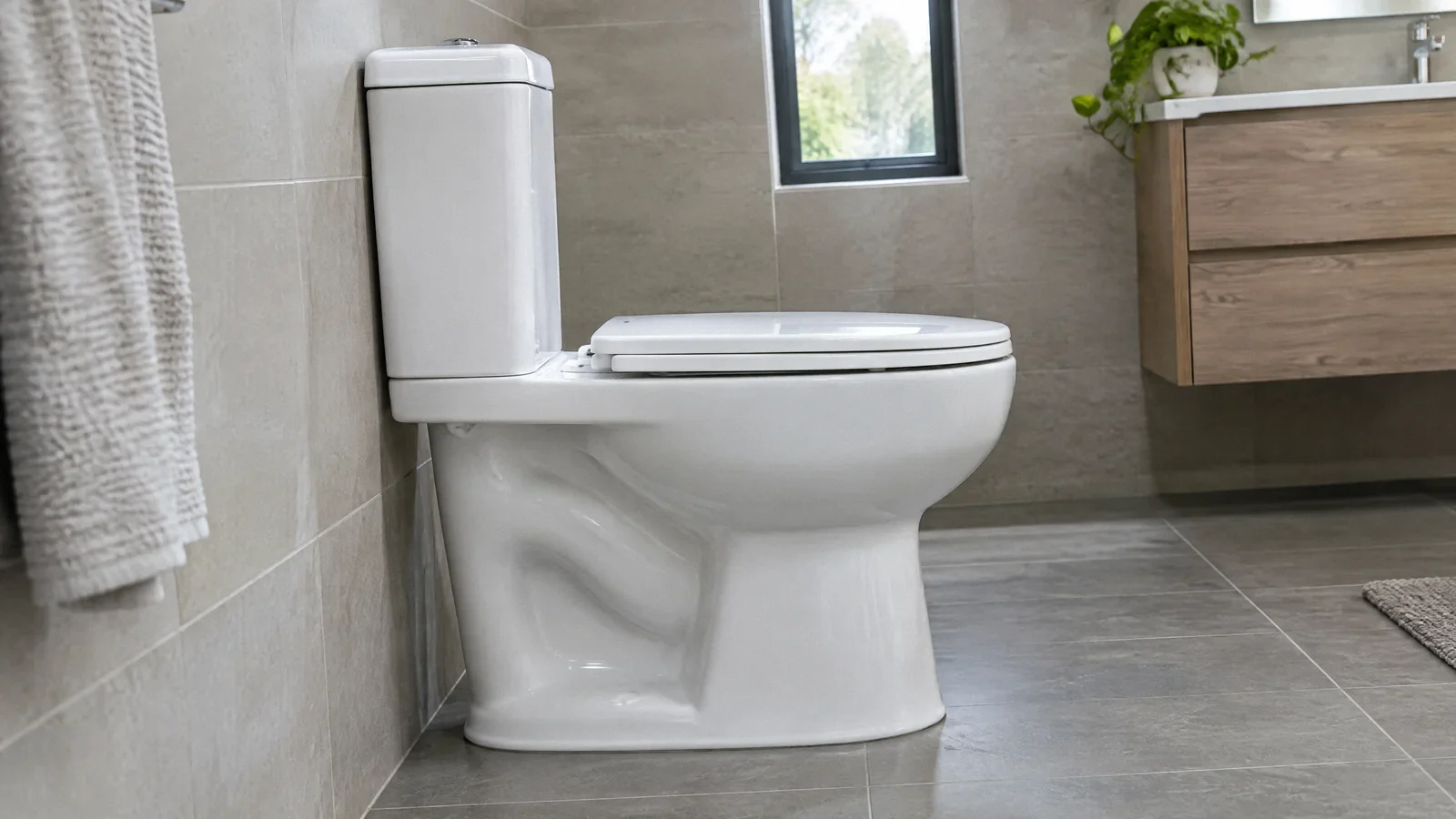
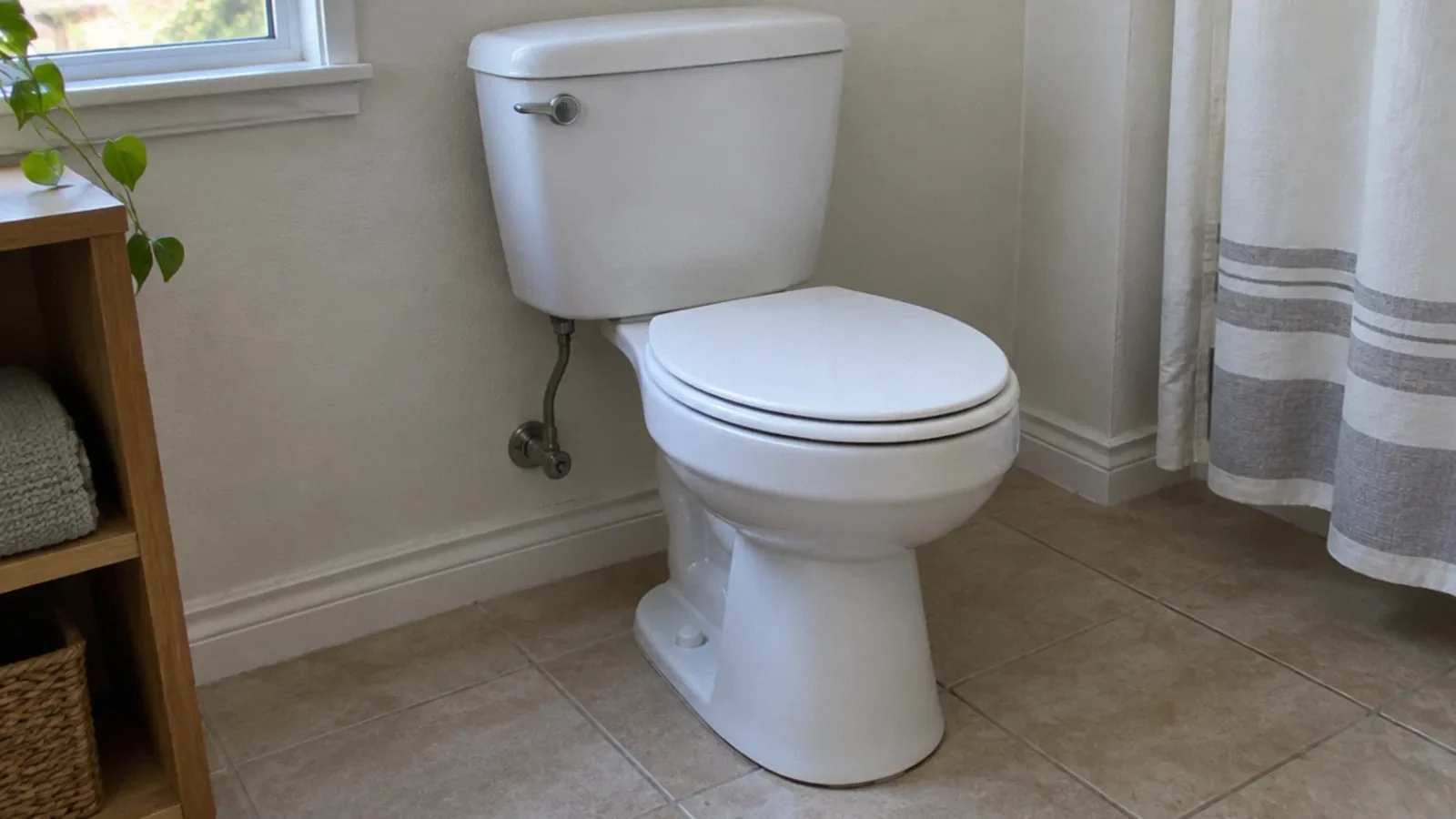
A toilet is an assembly: the ceramic bowl and tank, supply connection, flush mechanism, seals and other parts do different jobs. The ceramic may remain serviceable for decades while a flapper or fill valve needs replacement. Condition and use matter more than the installation date alone.
A fixture’s age alone does not establish when it will fail. Assess the porcelain, seals and operating parts individually. Water conditions, use, maintenance and damage can shorten or extend practical life.
Leaks inside the tank
A flapper or flush valve that does not seal may allow water to pass into the bowl continuously. EPA describes using dye in the tank to check for a silent leak, following its instructions, then replacing worn parts as appropriate. The correct procedure depends on the model.
EPA recommends replacing toilet flappers at least every five years to maintain a good seal; individual products and conditions vary. Do not conclude that the ceramic toilet must be replaced merely because a flapper is worn. Ask a plumber if the model or repair is uncertain.
Water around the base
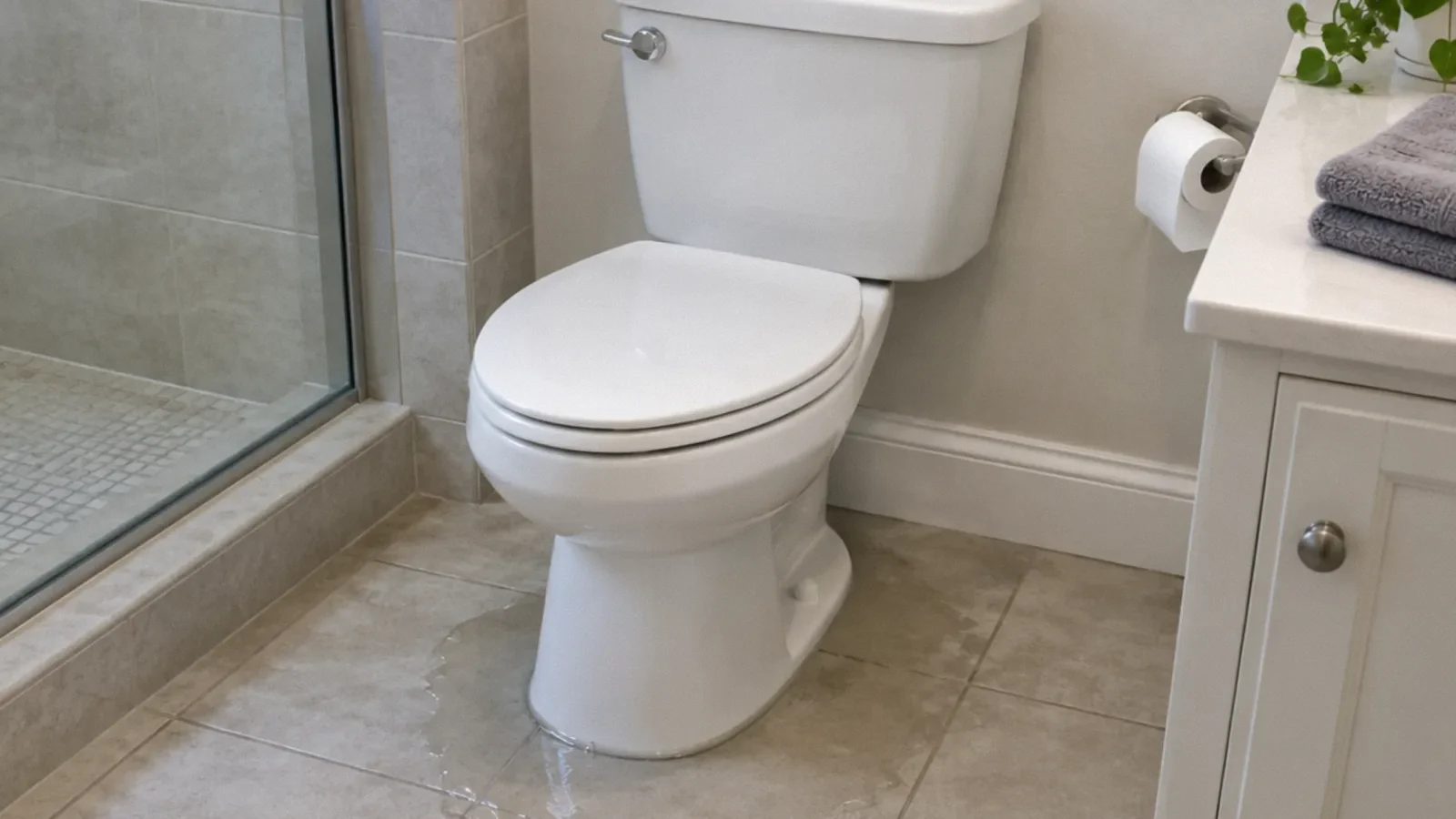
Water near a toilet can come from condensation, a supply connection, the tank, a seal or another source. Dry accessible surfaces and observe safely without disturbing wiring or a wet electrical outlet. The location of a puddle alone does not prove which component failed.
A leak into flooring or a ceiling below needs timely attention. If the cause is uncertain, shut off the toilet supply only if the valve is clearly identified and can be operated safely, and contact a plumber. Wet flooring or concealed materials may need separate assessment.
Cracks and damaged ceramic
A crack in a tank or bowl can leak or worsen. Do not rely on a household adhesive to make a damaged fixture structurally sound. Stop using a leaking or unstable toilet, isolate its water supply if safe and have a professional assess replacement.
Sharp broken ceramic can cause injury. Do not overtighten tank bolts or mounting fasteners in an attempt to stop a leak; excessive force can damage the fixture. The appropriate repair depends on the design and which component is damaged.
Recurring clogs or weak flushing
A weak flush or repeated clog can result from a tank adjustment, blocked fixture, drain obstruction, venting problem or other condition. A new toilet will not necessarily fix a main sewer blockage. Record which fixtures are affected and whether water rises elsewhere.
Avoid mixing chemical drain openers or using a tool after a corrosive product has been added. If sewage backs up, stop using affected plumbing and keep people away. A plumber can diagnose the fixture and drain before recommending replacement.
Repair or replace?
Repair may be reasonable when the ceramic is sound and compatible parts are available. Replacement may make sense for a cracked fixture, repeated failures, unavailable parts or a planned upgrade. Compare the complete installed cost and expected work, not the price of a part alone.
Ask whether the estimate covers removing the old fixture, a new supply connection, flange or floor repairs, disposal and any permit or inspection required locally. If the floor is damaged, a simple fixture swap may not resolve the underlying problem.
Water use and a new model
A newer efficient toilet may reduce water use compared with an older high-volume fixture, but actual savings depend on the existing fixture, replacement and use. EPA’s WaterSense label identifies qualifying products; check the current specification and product listing at the time of purchase.
Do not assume every toilet has the same flush volume or that an advertised annual savings figure applies to your household. Compare performance, dimensions and compatibility, and check current local rules before choosing a replacement.
Maintain and monitor
Follow the manufacturer’s care instructions, check accessible connections for moisture and address a running toilet promptly. Keep records of repairs and identify the model when ordering parts. Do not use an incompatible chemical or abrasive that can damage the finish or components.
If a leak has wet the floor, ceiling or cabinet, seek an assessment of concealed damage and drying needs. After repair, monitor the accessible area for recurring moisture and keep the service record.
Your next-step checklist
- Distinguish a worn part from a damaged bowl or tank.
- Check a running toilet for a silent leak.
- Investigate water around the base promptly.
- Do not keep using a leaking cracked fixture.
- Compare complete repair and replacement scopes.
Related questions
How long should a toilet last?
Ceramic fixtures can last for decades. A 2011 chart included in an Efficiency Maine document uses 50 years as a planning estimate, but actual service life varies.
How long does a toilet flapper last?
EPA recommends replacing toilet flappers at least every five years to maintain a seal; actual wear and product instructions vary.
Does a running toilet need replacement?
Not necessarily. A worn flapper, valve or adjustment may be repairable if the ceramic and other components are sound.
Should I replace a cracked toilet?
A leaking or unstable cracked fixture needs prompt professional assessment and may need replacement. Do not rely on household adhesive as a structural repair.
Sources & context
Public guidance supports the principles in this article. The practical questions and examples are editorial interpretation, not a site assessment or a coverage decision. State-specific rules apply only where identified.
- U.S. EPA: Home maintenance and toilet leaksfederal guidance
- TOTO USA: Product life and maintenancemanufacturer guidance
- NIST: Fluid dynamics of plumbingtechnical reference